
Imagine elevating your cooking and health routine with a simple yet powerful ingredient: plant-peeled garlic. This innovative form of garlic has taken the culinary world by storm, and for good reason. Not only does it offer improved digestion, but its antimicrobial properties make it a game-changer for boosting immunity and fighting off illnesses. But what exactly is plant-peeled garlic? And how can you incorporate it into your daily life? In this article, we’ll dive into the benefits of plant-peeled garlic, exploring its versatility in cooking, as well as its potential health perks. From adding depth to your favorite recipes to supporting overall wellness, we’ll cover everything you need to know about this amazing ingredient and how to make the most of it.
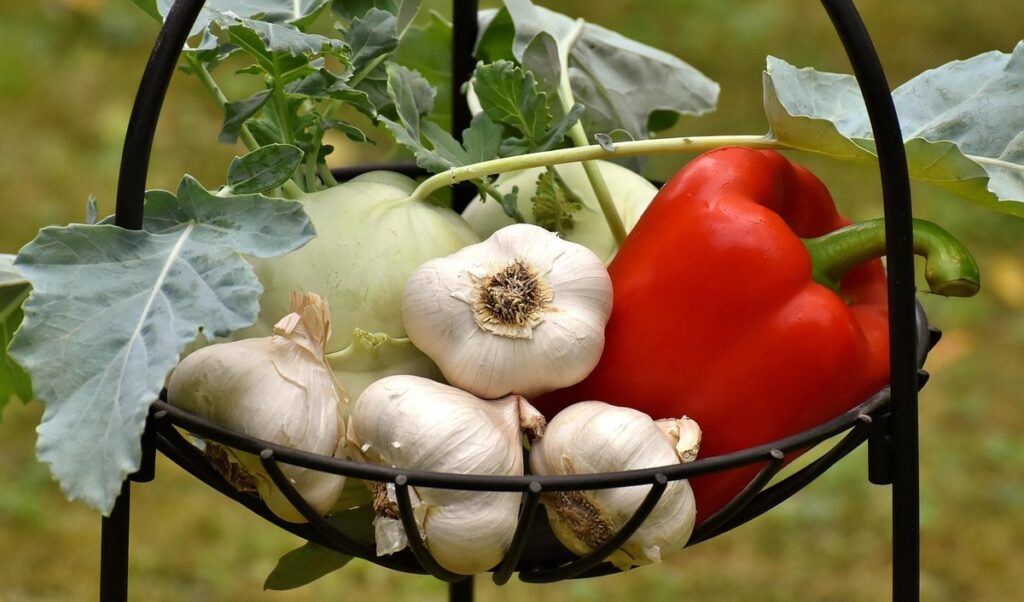
What is Plant-Peeled Garlic?
You’re probably wondering what all the fuss is about when it comes to plant-peeled garlic, and what exactly sets it apart from regular garlic. Let’s dive into the details of this unique ingredient.
Definition and Background
Plant-peeled garlic is a relatively new concept in the culinary world, but its benefits and uses have been making waves among chefs, home cooks, and food enthusiasts alike. At its core, plant-peeled garlic refers to garlic cloves that have undergone a specialized process of removing their papery skin through a machine or mechanical means. This process retains more of the garlic’s natural enzymes and oils compared to traditional methods like manual peeling or mincing.
The result is a product that boasts improved texture, flavor, and aroma. Unlike traditionally peeled or minced garlic, plant-peeled garlic preserves its integrity and doesn’t become discolored or develop off-flavors during storage. This makes it an attractive option for food manufacturers, restaurants, and home cooks who value convenience without sacrificing quality.
The concept of plant-peeled garlic is rooted in the European tradition of “peeled” or “blanched” garlic, where cloves are partially cooked to remove their skin. However, the modern machine-based process has streamlined this technique and made it more accessible on a larger scale. This innovation has opened doors for creative uses in various recipes, from sauces and marinades to baked goods and even beverages.
Advantages Over Traditional Methods
One of the most significant advantages of using plant-peeled garlic is its reduced moisture content. Unlike traditional peeled garlic, which can have a high water percentage, plant-peeled garlic has undergone a natural process that removes excess moisture. This results in a product with a longer shelf life and easier handling.
With lower moisture levels, plant-peeled garlic is less prone to spoilage and has a more consistent flavor profile. It also requires less storage space due to its compact form, making it ideal for home cooks or commercial kitchens.
Another benefit of using plant-peeled garlic is the ease of handling. The natural peeling process eliminates the need for manual peeling, which can be time-consuming and labor-intensive. This convenience factor alone makes plant-peeled garlic a more attractive option for those who value efficiency in their cooking routine. Whether you’re preparing meals for one or a large family, plant-peeled garlic is sure to save you time and effort in the kitchen.
Health Benefits of Plant-Peeled Garlic
Plant-peeled garlic is a game-changer for your overall well-being, and here we’ll dive into the impressive health benefits you can expect from incorporating it into your diet. From immune system support to antioxidant properties.
Antimicrobial Properties
Plant-peling garlic not only removes the outer skin but also enhances its natural antimicrobial properties. The peeling process breaks down the cell walls of the garlic, releasing more enzymes and compounds that have been locked inside. This release of bioactive molecules amplifies the antimicrobial effect, making plant-peeled garlic a more potent remedy for various health issues.
Studies have shown that the peeling process can increase the amount of allicin, a key compound responsible for garlic’s antibacterial and antiviral properties. Allicin is released when garlic’s cell walls are broken down during the peeling process, making it more effective against pathogens. This enhanced antimicrobial activity makes plant-peeled garlic an excellent natural remedy for issues like digestive problems, respiratory infections, and even skin conditions.
To maximize the benefits of plant-peeled garlic, it’s essential to store it properly. Keep the peeled cloves in a cool, dry place or in the refrigerator to preserve their potency. You can also freeze them for later use, making it easy to incorporate plant-peeled garlic into your daily meals and natural health routines. By harnessing the enhanced antimicrobial properties of plant-peeled garlic, you can enjoy its numerous health benefits while minimizing the risk of side effects associated with conventional antibiotics.
Improved Digestion and Absorption
When you consume plant-peeled garlic, its unique characteristics enhance its digestibility and bioavailability. One key advantage of plant-peeled garlic is its lower moisture content compared to conventionally peeled garlic. This reduced moisture level enables the body to more easily absorb the active compounds present in the garlic.
As a result, plant-peeled garlic’s potential benefits on digestion are significantly improved. The body can process and utilize the sulfur compounds, flavonoids, and other nutrients present in garlic more efficiently. This increased absorption rate contributes to several health advantages, including enhanced gut health and immune function.
To maximize the digestive benefits of plant-peeled garlic, consider combining it with healthy fats like olive oil or avocado. This combination facilitates better nutrient uptake and utilization by the body. For example, consuming a clove of plant-peeled garlic mixed with a tablespoon of olive oil before meals can aid in digestion and potentially reduce symptoms associated with irritable bowel syndrome (IBS).
Preparing and Using Plant-Peeled Garlic
To get the most out of plant-peeled garlic, it’s essential to properly store and prepare it for use in your favorite recipes. We’ll walk you through the simple steps here.
Storage and Handling Tips
When it comes to using plant-peeled garlic, proper storage and handling are crucial to maintaining its quality and shelf life. To start, store your plant-peeled garlic in a cool, dry place away from direct sunlight. This can be a dark cupboard or drawer, but not the refrigerator as the moisture there can cause the garlic to sprout.
If you don’t plan on using all of your plant-peeled garlic immediately, consider freezing it. Simply separate the cloves into airtight containers or freezer bags, label and date them, and store in the freezer for up to 6 months. Frozen garlic is perfect for sauces, soups, and marinades where the texture isn’t essential.
When handling plant-peeled garlic, make sure your tools are clean and sanitized to prevent contamination. You can also store individual cloves in a small container with a paper towel or cloth to keep them from coming into contact with air and causing spoilage. By following these simple storage and handling tips, you’ll be able to enjoy your plant-peeled garlic for longer and get the most out of its benefits.
Cooking Methods and Recipes
When it comes to incorporating plant-peeled garlic into your cooking routine, the possibilities are endless. One of the simplest ways to bring out its natural sweetness is through roasting. Simply slice or chop the peeled cloves and toss with olive oil, salt, and your choice of herbs (such as thyme or rosemary) before spreading on a baking sheet and roasting at 400°F for 20-25 minutes.
For added depth in sauces and marinades, use plant-peeled garlic to make a flavorful paste by blending it with olive oil, lemon juice, and minced fresh parsley. This can be used as a base for pasta sauces, salad dressings, or as a marinade for grilled meats.
You can also sauté sliced or chopped plant-peeled garlic in olive oil until fragrant before adding to dishes like stir-fries or roasted vegetables. Additionally, try mixing it with minced ginger and soy sauce for a savory Asian-inspired sauce.
For an added layer of flavor, use plant-peeled garlic as a topping for soups, salads, or baked potatoes. Its mild, creamy texture pairs well with a variety of ingredients, making it a versatile addition to many recipes.
Plant-Peeled Garlic vs. Other Forms of Garlic
When it comes to choosing a form of garlic, you’re likely wondering how plant-peeled garlic stacks up against other types, like powder, oil, and traditional bulbs. Let’s take a closer look at these alternatives.
Raw vs. Cooked Garlic
When it comes to plant-peeled garlic, you’ll often encounter debates about whether to use raw or cooked garlic. Both forms have their unique benefits and uses, depending on the recipe, desired flavor profile, and intended health benefits.
Raw garlic is typically used for its medicinal properties, as it retains more of its allicin content when consumed uncooked. Allicin is a compound responsible for many of garlic’s potential health benefits, including reducing inflammation and cholesterol levels. In some cases, raw garlic can be too pungent for certain dishes, so consider using it in sauces, marinades, or as a condiment. For instance, making a homemade hummus or guacamole with fresh raw garlic will add depth to the flavors.
Cooked garlic, on the other hand, is better suited for milder flavor profiles and long-cooked dishes like stews and soups. Cooking garlic breaks down its allicin content, releasing its more accessible compounds that enhance the dish’s aroma and taste without overpowering it. When using cooked garlic, be aware that some nutrients are lost during the cooking process.
In summary, if you’re looking to maximize medicinal benefits or add intense flavor, use raw plant-peeled garlic. For milder flavors and convenience in cooking, opt for cooked garlic.
Minced, Chopped, or Powdered Garlic
When it comes to preparing garlic for cooking, you have several options, including minced, chopped, or powdered forms. However, these alternatives don’t quite match the benefits and uses of plant-peeled garlic. One key difference is flavor intensity: plant-peeled garlic retains its natural flavor profile without any added preservatives or seasonings.
In contrast, processed garlic products often lose their distinctive taste due to heat treatment and dehydration. For instance, powdered garlic can be bitter and lacks depth compared to the rich flavor of freshly peeled garlic. Texture-wise, plant-peeled garlic maintains a firm consistency, making it ideal for sautéing, roasting, or using in sauces.
Convenience is another area where plant-peeled garlic stands out: you can use it straight from the container without any prep work. In comparison, minced or chopped garlic requires more effort and time to prepare, which might be a drawback for busy home cooks. If you’re looking to elevate your cooking with high-quality, convenient ingredients, plant-peeled garlic is definitely worth considering.
Minced garlic is another popular option, but it can easily become overpowering in dishes if not used judiciously. Over-mixing or over-processing can result in a bitter taste, while using too much minced garlic can overwhelm other flavors. By opting for plant-peeled garlic, you have more control over the amount and flavor profile of your dish.
Chopped garlic is another alternative that requires some chopping or food processing skills, which might not be convenient for everyone. In contrast, plant-peeled garlic saves time on prep work while delivering a superior flavor experience.
Potential Applications for Plant-Peeled Garlic
Whether you’re a busy home cook or a professional chef, plant-peeled garlic is an incredibly versatile ingredient that can elevate a wide range of dishes. From savory sauces to aromatic marinades, its possibilities are endless!
Culinary Industry
Plant-peeled garlic is revolutionizing the culinary industry with its numerous applications in high-end restaurants and gourmet products. Chefs are now able to create more complex and nuanced dishes without the hassle of manual peeling, freeing up time for creative experimentation.
High-end restaurants are particularly drawn to plant-peeled garlic due to its consistent texture and flavor profile, allowing them to maintain a level of quality and consistency that is unparalleled in traditional peeled garlic. Moreover, the ability to portion control with precision makes it easier to incorporate into their signature dishes.
In addition to high-end establishments, gourmet product manufacturers are also embracing plant-peeled garlic as a key ingredient in their products. From artisanal condiments to specialty sauces, plant-peeled garlic adds depth and richness without overpowering the other ingredients.
To get started, consider experimenting with plant-peeled garlic in your own kitchen or restaurant by incorporating it into classic dishes like roasted vegetables, pasta sauces, or vinaigrettes. By leveraging the benefits of plant-peeled garlic, you’ll be able to elevate your culinary creations and delight even the most discerning palates.
When working with plant-peeled garlic, remember to store it in an airtight container in the refrigerator to preserve its flavor and texture for up to two weeks.
Pharmaceutical and Cosmetics Industries
Plant-peeled garlic’s unique properties offer vast opportunities for innovation in the pharmaceutical and cosmetics industries. One of the most significant advantages of plant-peeled garlic is its high bioavailability, which allows the body to absorb its active compounds more efficiently. This characteristic makes it an attractive ingredient for the development of novel pharmaceuticals.
For instance, researchers have explored the potential of plant-peeled garlic in combating diseases such as cancer and cardiovascular disease. The antioxidants and anti-inflammatory properties present in plant-peeled garlic may contribute to reducing oxidative stress and inflammation associated with these conditions.
In the cosmetics industry, plant-peeled garlic’s antibacterial and antifungal properties can be leveraged to create products that address skin issues like acne and fungal infections. Moreover, its antioxidant properties may help protect the skin from environmental stressors and promote overall skin health. By incorporating plant-peeled garlic into their formulations, manufacturers can develop innovative products that cater to emerging consumer demands for natural, effective ingredients.
Frequently Asked Questions
Can I use plant-peeled garlic in its raw form, or does it require cooking?
You can use plant-peeled garlic in both its raw and cooked forms. In fact, the antimicrobial properties of plant-peeled garlic make it a great addition to salads, smoothies, and other raw dishes. However, cooking plant-peeled garlic can also enhance its flavor and aroma, making it a versatile ingredient for various recipes.
Is plant-peeled garlic suitable for people with sensitive stomachs or allergies?
Plant-peeled garlic is generally considered gentle on the digestive system and may be beneficial for individuals with sensitive stomachs. However, if you have severe food allergies or sensitivities, it’s always best to start with a small amount and monitor your body’s response before increasing consumption.
How do I store plant-peeled garlic to maintain its nutritional value?
To preserve the health benefits of plant-peeled garlic, store it in an airtight container in the refrigerator. You can also freeze or dehydrate plant-peeled garlic for extended storage periods. When freezing, make sure to label and date containers to ensure you use the oldest ones first.
Can I use plant-peeled garlic as a substitute for other forms of garlic, such as minced or powdered?
Plant-peeled garlic is not directly interchangeable with other forms of garlic due to its unique processing method. However, it can be used as a base ingredient and then processed into various forms like minced or powder, depending on your specific needs.
How do I incorporate plant-peeled garlic into my daily cooking routine without disrupting the flavor profiles of my recipes?
To seamlessly integrate plant-peeled garlic into your cooking, start with small amounts (about 1/4 teaspoon) and adjust to taste. You can also use it in combination with other ingredients or spices to balance out flavors. Experimenting with different cooking methods and recipes will help you find the perfect way to incorporate plant-peeled garlic into your daily routine.