
Improving seed germination is one of the most crucial steps in gardening, but unfortunately, many of us struggle to get it right. Whether you’re a seasoned green thumb or just starting out, achieving high germination rates can be a mystery. But don’t worry, we’ve got you covered. In this article, we’ll share expert tips and tricks on how to improve seed germination rates, from optimal sowing conditions to pre-treatments that give your seeds the best chance at healthy growth. We’ll also explore watering techniques that make all the difference in getting those seeds off to a flying start. By following these simple yet effective methods, you’ll be able to boost your success rate and enjoy a bountiful harvest. So let’s dive into the world of seed germination and unlock its secrets together!
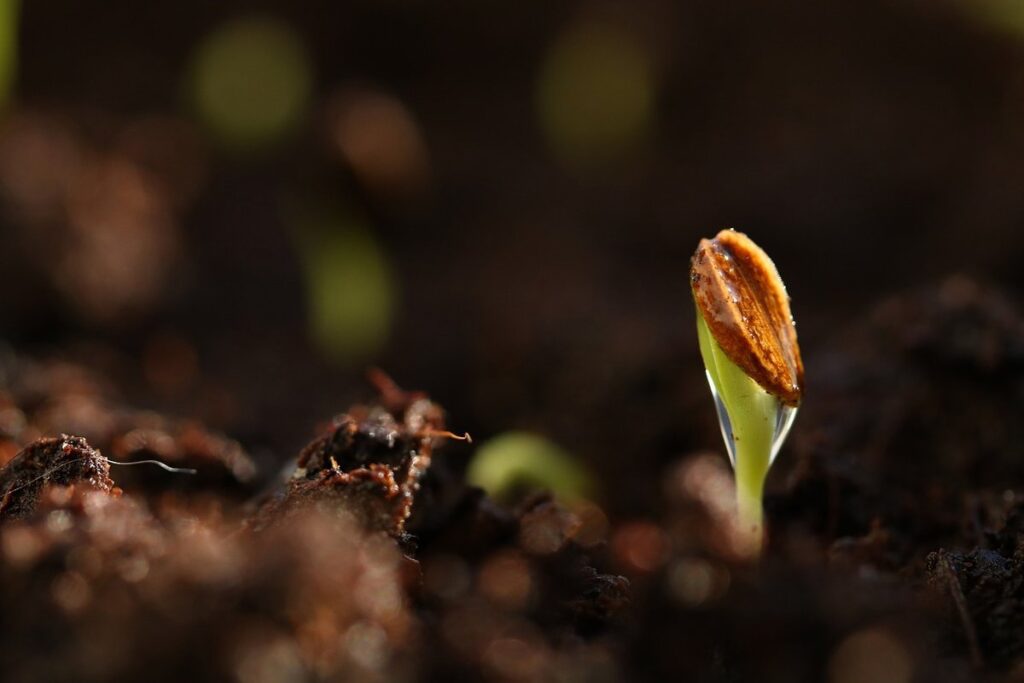
Understanding Seed Quality and Viability
When it comes to improving germination rates, understanding seed quality and viability is crucial. Let’s dive into what affects these factors and how you can evaluate your seeds for optimal results.
Factors Affecting Seed Viability
Seed viability is heavily influenced by genetic diversity. Seeds with diverse genetics tend to have higher germination rates compared to those with limited genetic makeup. This is because diverse seeds are more resilient and better equipped to adapt to changing environments, such as varying temperatures and moisture levels.
Moisture content also plays a significant role in seed viability. Excessive or inadequate moisture can lead to seed damage and reduced germination rates. Ideal moisture levels vary depending on the seed type and species, but generally, seeds should be stored at around 10-12% moisture content to prevent degradation.
Storage conditions are another critical factor affecting seed viability. Improper storage can lead to seed deterioration, reduced germination rates, and even contamination. Seeds should be stored in a cool, dry place with minimal light exposure. This can be achieved by using airtight containers or seed banks that maintain optimal humidity levels.
Proper handling and storage of seeds are essential for maintaining viability and ensuring successful germination. By paying attention to these factors, growers and gardeners can significantly improve their chances of achieving high germination rates.
Identifying Poor-Quality Seeds
When evaluating seed quality, it’s essential to identify potential issues that can affect germination rates. One way to do this is by examining the physical characteristics of the seeds themselves. Poor-quality seeds often exhibit uneven coloration, which can be a sign of genetic mutations or environmental stress during production. For example, if you’re handling seeds from a reputable supplier, but notice an unusual variation in color among a batch, it’s worth investigating further.
Another common indicator of poor quality is a shriveled texture. Seeds that are dehydrated or have been exposed to excessive moisture may appear shrunken or wrinkled. This can significantly reduce their viability and germination potential. Inspect your seeds regularly for any signs of moisture-related damage, such as mold or fungus growth.
Visible damage is another red flag when it comes to seed quality. Check for cracks, breaks, or other physical deformities that could compromise the seed’s ability to absorb water and initiate germination. If you’re unsure about the quality of your seeds, consider conducting a simple viability test using distilled water and a warm environment to assess their potential for growth.
Pre-Sowing Treatments for Enhanced Germination
To give your seeds the best chance at germinating, let’s dive into some pre-sowing treatments that can make a big difference in their success. These simple steps can boost germination rates significantly.
Seed Soaking: A Simple yet Effective Method
Seed soaking is a simple yet effective pre-sowing treatment that can significantly improve germination rates. By soaking seeds in water before planting, you’re essentially rehydrating them and kick-starting the germination process.
The benefits of seed soaking are numerous: it increases water uptake, reduces dormancy, and breaks down hard seed coats. This is especially true for species with hard or impermeable seed coats, like alfalfa or beans. For example, studies have shown that soaking seeds can increase their viability by up to 20%.
So, how do you soak seeds effectively? The optimal water temperature for soaking seeds is between 68°F and 80°F (20°C to 27°C). Avoid using hot water, as it can damage the embryo or disrupt seed coat integrity. A general rule of thumb is to soak seeds for 8-12 hours, but some species may require longer periods. For instance, peas and beans should be soaked for at least 24 hours.
To incorporate seed soaking into your pre-sowing routine, simply place seeds in a bowl or container filled with lukewarm water, and let them soak until they’re rehydrated. Then, plant them as you normally would.
Scarification: Breaking Down Seed Coats
Scarification is an essential pre-sowing treatment that helps improve germination rates by breaking down the seed coat. This process is crucial for seeds with hard or impermeable coats that prevent water and oxygen from reaching the embryo inside, hindering germination.
The importance of scarification lies in its ability to create micro-abrasions on the seed coat, allowing water to penetrate and initiate germination. It’s a simple yet effective method used by farmers, gardeners, and even large-scale commercial growers. To achieve this, various methods are employed, including mechanical abrasion using sandpaper or files, chemical treatment with acid or enzymes, and physical stimulation through heating or cooling.
One of the most common methods is soaking seeds in water overnight to weaken the seed coat, making it more susceptible to germination. Another approach involves using a file or sandpaper to gently rub away at the seed coat. When done correctly, scarification can significantly boost germination rates, especially for recalcitrant species like those found in tropical regions.
When implementing scarification, it’s essential to carefully follow specific guidelines for each type of seed and treatment method.
Optimal Sowing Conditions for Maximum Germination
To achieve maximum germination, it’s essential to understand the ideal conditions that support healthy seed growth and development. We’ll dive into the specifics of optimal sowing conditions next.
Soil Preparation: The Foundation of Healthy Growth
Preparing the soil is a crucial step in creating an environment conducive to healthy growth. It’s not just about digging a hole and dropping seeds in; rather, it’s about providing the perfect foundation for germination to occur.
First, let’s talk about pH balance. Most plants prefer a slightly acidic to neutral soil pH, ranging from 6.0 to 7.0. If your soil is too alkaline or acidic, it can hinder nutrient uptake and prevent seeds from germinating properly. For example, if you’re planting tomatoes, which thrive in a slightly acidic environment, ensure your soil has a pH between 6.0 and 6.8.
Next, consider the nutrient content of your soil. Plants need essential nutrients like nitrogen, phosphorus, and potassium to grow. However, over-fertilization can be detrimental, leading to weakened root systems and decreased germination rates. A simple soil test will give you an idea of what’s lacking in your soil. Add organic matter like compost or manure to enrich the soil and provide a balanced nutrient profile.
Lastly, moisture levels are vital for seed germination. Ensure the top 1-2 inches of soil is consistently moist but not waterlogged. Aim to maintain a consistent level of about 20-30% soil moisture. This will help seeds absorb the necessary water and energy to sprout.
Temperature Control: A Critical Factor in Germination
Temperature control is a crucial aspect of seed germination. Different types of seeds require specific temperature ranges to initiate growth. For example, warm-season crops like tomatoes and peppers thrive in temperatures between 70°F to 85°F (21°C to 30°C). On the other hand, cool-season crops such as broccoli and cauliflower prefer temperatures between 60°F to 75°F (15°C to 24°C).
To maintain a stable environment, consider using a temperature-controlled propagation mat or a heated greenhouse. These tools can help regulate temperature fluctuations and ensure that seeds receive the optimal conditions for germination. Keep in mind that sudden changes in temperature can be detrimental to seed growth.
In addition to maintaining a consistent temperature, it’s also essential to provide adequate moisture and light. Most seeds require a period of stratification before they can germinate, which involves exposing them to cold temperatures (around 40°F or 4°C) for several weeks. This process mimics the natural environment and prepares the seed for germination.
Aim to maintain a consistent temperature within 1-2°F (0.5-1°C) of the ideal range to ensure optimal germination rates.
Light Exposure and Seed Germination
Understanding light exposure is crucial for seed germination, as different seeds require varying amounts of light to trigger growth. This section explores the role of light in promoting healthy germination.
Photoperiodism: The Role of Light Cycles
Photoperiodism plays a crucial role in seed germination, and understanding its impact can significantly improve your chances of achieving high germination rates. Photoperiodism refers to the way plants respond to varying light cycles, which can either promote or inhibit germination.
The duration and intensity of light exposure have a profound effect on seed germination. In general, longer daylight periods tend to stimulate germination, while shorter days can slow it down or even prevent it altogether. For example, tomatoes require 14-16 hours of daylight to germinate properly, whereas lettuce seeds do better with shorter day lengths.
To optimize photoperiodism in your germination setup, consider the following: provide a consistent light-dark cycle that mimics natural conditions; ensure adequate light intensity, as too little or too much can be detrimental; and choose varieties suitable for your region’s daylight hours. By taking these factors into account, you’ll be better equipped to create an environment conducive to successful seed germination.
Some seeds are more photoperiod-sensitive than others, so it’s essential to research specific requirements for the species you’re working with. By understanding the unique needs of each variety, you can tailor your lighting setup and improve overall germination rates.
Supplemental Lighting Options for Indoor Sowing
When it comes to indoor sowing, supplemental lighting can make all the difference in achieving optimal germination rates. One popular option is LED grow lights, which offer energy efficiency and adjustable spectrum control. For example, a study found that using LED grow lights with a specific spectrum increased seed germination rates by 20% compared to traditional fluorescent lighting.
Fluorescent tubes are another common choice for supplemental lighting, but they can be less effective than LEDs due to heat output and reduced lifespan. However, some gardeners swear by the results of using high-quality T5 or T8 fluorescent lights in conjunction with a reflective surface. When choosing a supplemental lighting option, consider factors such as spectrum type (e.g., blue, red, or full-spectrum), wattage, and size to ensure it meets your seedlings’ specific needs.
By incorporating these supplemental lighting options into your indoor sowing routine, you can significantly boost germination rates and give your seeds the best possible start.
Watering Techniques for Efficient Germination
When it comes to water, most gardeners err on the side of caution, but under-watering can be just as detrimental to germination. Let’s explore efficient watering techniques that’ll boost your seeds’ chances of sprouting successfully.
Avoiding Overwatering: A Common Pitfall
Overwatering is one of the most common mistakes gardeners make when trying to achieve efficient germination. It may seem counterintuitive that too much water can harm seeds, but it’s a critical issue that can quickly kill delicate seedlings.
When seeds are submerged for too long in water, they can drown and become susceptible to fungal infections. This is especially true for larger seeds like beans or peas. The excess moisture also creates an ideal environment for pathogens to thrive, leading to root rot and other problems.
To avoid this common pitfall, it’s essential to monitor your seed trays closely. Check the soil daily, and ensure that the surface isn’t waterlogged. If you notice that the top inch of soil is consistently wet or even water is pooling on the surface, it’s likely a sign that you’re overwatering.
A good rule of thumb is to keep the soil moist but not waterlogged. Water your seeds gently in the morning, and allow the excess moisture to evaporate throughout the day. By striking this balance, you’ll be able to create an environment that fosters healthy germination and sets your seedlings up for success.
Drip Irrigation Systems for Optimal Moisture Control
Drip irrigation systems are an excellent choice for optimal moisture control during germination. By delivering water directly to the roots of the plants, these systems minimize evaporation and runoff, ensuring that the seeds receive exactly what they need to sprout.
A drip irrigation system typically consists of a network of tubes and emitters that release water at a controlled rate. This design allows for precise watering schedules, which is especially crucial during germination when seeds are most vulnerable to overwatering or underwatering. With a well-designed drip irrigation system, you can maintain optimal moisture levels in the soil without wasting a single drop.
To set up a drip irrigation system for your seedlings, start by identifying the specific watering needs of each type of plant. Research the ideal water intake for your species and adjust the emitter rates accordingly. Next, install the tubes and emitters according to the manufacturer’s instructions, making sure to space them evenly around the plants. With regular maintenance and monitoring, a drip irrigation system can help you achieve uniform germination and promote healthy growth throughout the seedling stage.
Frequently Asked Questions
What if I’m struggling to identify poor-quality seeds, despite following the guidelines on seed evaluation?
If you’re still unsure about the quality of your seeds after evaluating their appearance, size, and packaging, it’s best to err on the side of caution. Discard any seeds that appear damaged, moldy, or have visible signs of wear. Consider purchasing high-quality seeds from reputable suppliers to ensure optimal germination rates.
Can I use a combination of pre-sowing treatments for maximum effectiveness?
Yes, combining different pre-treatments can enhance seed germination even further. For example, using a combination of scarification and soaking can help break down the seed coat and rehydrate the embryo simultaneously. However, be cautious not to overdo it, as excessive treatment can harm the seeds.
How often should I check on my seeds during the germination process?
Check on your seeds at least once a day for the first few days after sowing. Observe them for signs of moisture absorption, such as swelling or softening of the seed coat. If you notice any unusual odors or mold growth, address the issue promptly to prevent the spread of disease.
Are there specific temperature ranges I should avoid when trying to improve germination rates?
Yes, extremely low or high temperatures can be detrimental to seed germination. For most plants, a consistent daytime temperature between 65-75°F (18-24°C) and nighttime temperature around 55-65°F (13-18°C) is ideal for germination. Avoid placing seeds in areas with direct sunlight or near heating vents to prevent temperature fluctuations.
What’s the best way to store leftover seeds after a successful harvest?
To maintain seed viability, store leftover seeds in an airtight container or envelope, protected from light and moisture. Label the container with the seed type, date harvested, and any relevant treatment details. Store them in a cool, dry place (around 50-60°F or 10-15°C) to prolong their shelf life.