
When browsing through your local grocery store or farmers market, you’ve probably stumbled upon some unusual fruits that leave you wondering about their taste, texture, and potential health benefits. Fruits like dragon fruit, rambutan, and durian have become increasingly popular in recent years, but many of us remain curious about what they can offer beyond the realm of conventional produce. These exotic fruits not only add a touch of excitement to our meals but also possess unique characteristics that make them stand out from their more common counterparts. In this article, we’ll delve into the world of unusual fruits, exploring their distinctive features, potential health benefits, and role as sustainable food sources for a healthier, more environmentally friendly future.
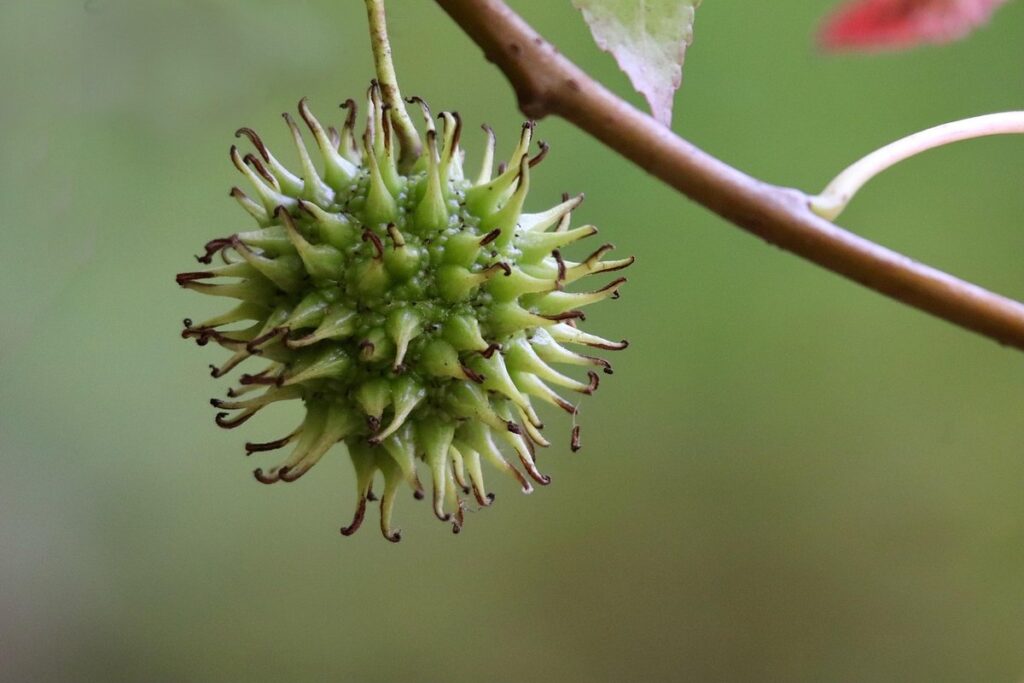
Exotic Fruits to Try This Year
Get ready to take your taste buds on a thrilling adventure as we explore some of the world’s most unique and exotic fruits that you should definitely try this year.
1. Dragon Fruit: A Tropical Superfood
Dragon fruit is a tropical superfood that’s packed with nutrients and boasts a unique taste experience. Native to Central and South America, this vibrant pink or yellow fruit has become increasingly popular worldwide for its impressive health benefits. One serving of dragon fruit provides a whopping 23% of the daily recommended intake of vitamin C, as well as a rich source of iron, calcium, and fiber.
What makes dragon fruit truly special is its flavor profile. The taste experience can range from mild to sweet, with hints of kiwi and pear. Some varieties have tiny black seeds that add a slightly crunchy texture to the juicy pulp. Dragon fruit’s unique combination of flavors has led chefs to incorporate it into desserts, salads, and even savory dishes.
To get the most out of your dragon fruit experience, try pairing it with prosciutto or feta cheese for a sweet-savory contrast. You can also juice it or blend it into smoothies for an antioxidant-rich boost. Whether you’re looking to upgrade your salad game or experiment with exotic flavors, dragon fruit is sure to delight and nourish your taste buds.
2. Rambutan: The Hairiest Fruit in the Market
Rambutan is often referred to as the “hairiest” fruit due to its unique hairy exterior. The texture of rambutan’s skin can be a bit off-putting at first, but once you peel it, you’ll discover a juicy and sweet white pulp inside. The flavor profile of rambutan is often described as a combination of lychee, grape, and strawberry – making it a must-try for adventurous foodies.
One of the most exciting aspects of rambutan is its potential health benefits. Rambutan is rich in vitamins C and E, potassium, and fiber, making it an excellent addition to a balanced diet. The fruit also contains a unique compound called rambutanoside, which has been shown to have anti-inflammatory properties.
If you’re eager to try rambutan for yourself, look for it at your local Asian market or specialty grocery store during the summer months when it’s in season. You can enjoy it fresh as a snack or add it to salads and smoothies for an extra boost of flavor and nutrition. Remember to wash the fruit thoroughly before consuming it, and be sure to remove any seeds or pits that may be present.
3. Guanabana: The Tropical Tree With Edible Fruits
Guanabana is a tropical tree native to Central and South America, with a rich history dating back thousands of years. Its cultivation has spread to many parts of the world, where it thrives in warm climates. Not only is guanabana’s fruit edible, but its leaves, seeds, and wood are also utilized for various purposes.
The guanabana tree grows up to 100 feet tall, with a broad canopy and a straight trunk. Its yield is impressive – some trees can produce over 1 ton of fruit per year! Guanabana’s most prized part is the white or yellow pulp surrounding its dark brown seeds. Rich in vitamins C and B6, potassium, and fiber, guanabana has become a sought-after ingredient in health-conscious recipes.
Guanabana juice and purees have gained popularity worldwide due to their unique flavor profile, which combines notes of strawberry and pineapple. In some cultures, the fruit is used as an herbal remedy for various ailments. If you’re interested in growing your own guanabana tree, ensure a warm climate with well-drained soil – it prefers temperatures above 64°F (18°C).
Weird and Wonderful Fruits from Asia
From the vibrant streets of Bangkok to the bustling markets of Tokyo, let’s take a journey through the fascinating world of exotic Asian fruits. You’ll discover some real surprises in this collection!
1. Durian Fruit: Love It or Hate It
The durian fruit is undoubtedly one of the most polarizing fruits you’ll ever encounter. Love it or hate it, there’s no middle ground when it comes to this Southeast Asian superfruit. Its unique smell and taste have sparked a lifelong debate among fruit enthusiasts and skeptics alike.
But what makes durian so special? For starters, its spiky exterior is a natural defense mechanism designed to protect the soft, creamy flesh inside. When ripe, durian’s aroma can be overwhelming, with some describing it as pungent and sweet at the same time. The smell is often compared to rotten eggs or gasoline, which may sound unappetizing – but trust us, it’s worth trying!
If you’re brave enough to give durian a shot, timing is everything. Choose a fruit that’s slightly soft to the touch and has a sweet aroma. Eat it fresh, and be sure to have a spoon handy to scoop out the creamy pulp. If you can’t find durian in stores, consider visiting Southeast Asia during the peak season (May-September) for an unforgettable experience. Who knows – you might just become a durian fan!
2. Jackfruit: A Meat Substitute From India
Jackfruit has been a staple in Indian cuisine for centuries, and its popularity is growing globally due to its versatility as a meat substitute. This massive fruit, native to parts of Asia and Africa, can grow up to 8 feet long and weigh over 80 pounds, making it an impressive ingredient.
In Indian cooking, jackfruit is often used in a variety of dishes, including curries, stews, and even biryanis. Its texture and flavor can mimic that of meat, making it a popular choice for vegetarians and vegans. The key to using jackfruit as a meat substitute lies in its preparation. To replicate the texture of pulled pork or beef, you need to cook the jackfruit until it’s tender and then shred it.
A simple way to incorporate jackfruit into your meals is by adding it to curries or stews. You can also use canned jackfruit, which is already cooked and ready to use. Some popular brands offer jackfruit products that are specifically designed as meat substitutes, such as jackfruit “bacon” or “sausages.” Experimenting with different seasonings and spices can help you achieve the desired flavor profile.
When cooking with jackfruit, it’s essential to note that its natural sweetness can overpower other flavors. Balance out the dish by adding acidic ingredients like lemon juice or vinegar. Additionally, be mindful of the sodium content in canned products and opt for low-sodium options whenever possible.
3. Mangosteen: The Queen of Fruits in Southeast Asia
Mangosteen is often referred to as the “Queen of Fruits” in Southeast Asia, and for good reason. This tropical fruit has a unique soft interior that’s surrounded by a thick, purple rind. The interior pulp is white, juicy, and segmented, with a flavor profile that’s both sweet and slightly sour.
When you bite into a mangosteen, the texture is a surprise – it’s like biting into a soft, ripe peach. But be careful not to squeeze too hard, as the seeds inside can be quite large and bitter. In terms of taste, mangosteen has been described as a combination of strawberry, vanilla, and citrus all at once.
Beyond its unique flavor profile, mangosteen is also prized for its medicinal properties. Rich in vitamins C and K, potassium, and antioxidants, this fruit has been used in traditional medicine for centuries to treat everything from fever to digestive issues. In fact, the rind of the mangosteen contains xanthone, a compound that’s being studied for its anti-inflammatory and antibacterial properties.
If you’re feeling adventurous and want to try mangosteen, look for it at your local Asian market or online. To enjoy it properly, simply slice off the top and gently scoop out the pulp with a spoon.
Rare and Unusual Fruits from South America
From the Amazon rainforest to the Andes mountains, South America is home to a fascinating array of rare and unusual fruits waiting to be discovered. Let’s take a closer look at some of these incredible finds!
1. Tamarillo: The Red Gold in Peru
In Peru, the tamarillo is affectionately known as the “Red Gold.” This small, vibrant fruit has been a staple in Andean cuisine for centuries. Tamarillos are packed with an impressive array of nutrients, making them an excellent addition to a healthy diet.
One of the standout nutritional benefits of tamarillos is their high vitamin C content. In fact, a single serving provides over 100% of the recommended daily intake! They’re also rich in antioxidants, potassium, and fiber. The unique combination of these nutrients makes tamarillos an effective tool for boosting immune function and supporting overall well-being.
When it comes to taste experience, tamarillos are often described as a sweet and sour mix, similar to a combination of strawberries and kiwis. They’re incredibly versatile and can be enjoyed in a variety of ways – eaten raw, added to salads, or used as a topping for yogurt or oatmeal. In Peru, they’re also pickled or preserved in vinegar to create a tangy condiment.
If you’re feeling adventurous, try incorporating tamarillos into your next meal! They pair particularly well with grilled meats and vegetables. Experiment with different preparation methods and flavors to unlock the full potential of this underappreciated gem from South America.
2. Physalis: The Inca Berry That’s Still Unknown
Physalis is a lesser-known fruit that has been cultivated by the Incas for centuries. Native to South America, this small, round fruit is also known as Ground Cherry or Strawberry Tomato due to its unique characteristics. The plant produces multiple fruits that are encased in a papery husk, resembling an inflated balloon.
Cultivation of physalis requires a subtropical climate with mild winters and warm summers. It thrives in well-drained soil and full sun. Physalis is relatively low maintenance, but it does require regular watering to produce fruit. In ideal conditions, the plant can grow up to 3 feet tall and produce multiple harvests throughout the year.
Physalis has a sweet-tart flavor profile, often described as a combination of pineapple and strawberry. The fruit is rich in antioxidants, vitamins A and C, and potassium. To incorporate physalis into your diet, try using it in jams, preserves, or baked goods. You can also eat the fresh fruit directly, similar to a cherry tomato. If you’re feeling adventurous, consider adding physalis to your home garden – just be sure to research local growing conditions and regulations before planting.
3. Cacao Fruit: A Taste of Chocolate From the Tree
When exploring the world of unusual fruits, it’s hard to overlook the cacao fruit. Also known as the “chocolate tree,” this tropical evergreen is native to South America and has been a staple for ancient civilizations, including the Mayans and Aztecs. What sets the cacao fruit apart from its chocolate counterpart is its unique taste profile – think sweet, tart, and slightly nutty, all at once.
Interestingly, cacao fruit’s pulp contains about 40% cocoa butter, which makes it an ideal candidate for chocolate production. In fact, most commercial chocolate manufacturers use a process called “coating” to infuse their chocolate bars with the flavor of real cacao fruit. However, eating the fruit itself offers more than just a chocolatey experience – its pulp is rich in antioxidants, vitamins A and E, and potassium.
If you’re feeling adventurous, consider trying the pulp raw or using it as an ingredient in your favorite recipes. Be sure to choose a ripe fruit, as the taste can be quite bitter when unripe. When handling the fruit, remember that only 20-40% of the cacao pods are actually harvestable, so be mindful of the tree’s delicate needs.
How Unusual Fruits Contribute to Biodiversity
When you bite into a juicy and exotic fruit, you’re not just savoring a taste sensation – you’re also contributing to the rich tapestry of global biodiversity.
1. Importance of Rare Fruits in Ecosystems
Incorporating rare fruits into our ecosystems plays a vital role in maintaining biodiversity. These unusual fruits support local food chains and provide sustenance for various wildlife species. A striking example is the durian fruit, native to Southeast Asia. Its unique smell attracts fruit bats, which are essential pollinators for many plants in the region.
In addition to providing food, rare fruits also contribute to soil health and fertility. The guanabana plant, found in Central and South America, produces a nutrient-rich fruit that helps maintain soil quality. This is achieved through its extensive root system, which breaks down organic matter and releases essential nutrients into the surrounding environment.
To incorporate rare fruits into our ecosystems, gardeners can consider planting diverse fruit species in their backyards. This not only supports biodiversity but also offers a unique opportunity to explore new flavors and textures. By embracing unusual fruits, we can contribute to preserving these valuable resources for future generations.
2. The Impact of Climate Change on Fruit Diversity
Climate change is having a profound impact on fruit diversity, affecting not only their availability but also their distribution and production. Rising temperatures and changing precipitation patterns are altering the optimal growing conditions for many fruits, forcing some to adapt or disappear altogether.
For instance, warmer winters are allowing pests like the Mediterranean fruit fly to spread into new areas, decimating crops of temperate fruits like pomegranates and apricots in regions that were previously pest-free. Meanwhile, droughts are affecting water-intensive fruits like mangoes and pineapples, making them more vulnerable to disease.
To mitigate these effects, farmers and conservationists are experimenting with new techniques like climate-resilient varieties and agroforestry practices. These approaches can help reduce the reliance on irrigation and promote more efficient water use. For example, a study in Kenya found that introducing drought-tolerant banana varieties increased yields by 30% under drought conditions.
As consumers, we can also play a role by choosing fruits that are sustainably sourced and supporting local farmers who prioritize biodiversity and climate resilience. By making informed choices and advocating for climate-friendly practices, we can help preserve the rich tapestry of fruit diversity around the world.
Preparing Unusual Fruits for Consumption
Now that we’ve explored some of the most unique and exotic fruits from around the world, let’s dive into how to prepare them for consumption. You’ll learn expert tips on handling, cleaning, and cooking these unusual edibles.
1. Tips for Buying and Storing Exotic Fruits
When buying and storing exotic fruits, it’s essential to consider their unique characteristics and requirements. For instance, tropical fruits like durians and mangosteens are highly perishable and should be stored in a cool, dry place away from direct sunlight. On the other hand, citrus fruits like yuzu and sudachi can tolerate higher temperatures but require high humidity to maintain their texture.
To choose the freshest exotic fruit, inspect it carefully for signs of ripeness or spoilage. For example, guavas are typically ripe when they have a slight give when pressed, while rambutans should be chosen based on their vibrant red color and slightly soft stem end. Avoid fruits with visible bruises, mold, or blemishes.
Once you’ve brought your exotic fruit home, store it properly to maintain its quality. For example, keep pineapples in a dry area away from other fruits to prevent moisture transfer, while storing dragon fruits in a breathable bag will help retain their humidity and freshness. Regularly check on the fruit’s condition and consume it within a few days for optimal flavor and nutrition.
2. Unique Ways to Enjoy Rare Fruits in Your Diet
When exploring unusual fruits, it’s easy to get stuck on how to incorporate them into our diets. But don’t worry – we’ve got you covered! Rare fruits can add a burst of flavor and excitement to various dishes, from sweet treats to savory meals.
One way to enjoy these rare gems is to try pairing them with familiar flavors. For example, the dragon fruit’s sweetness pairs perfectly with spicy Korean chili flakes (gochugaru), while its mild flavor also works well in smoothies or as a topping for oatmeal. Another idea is to use rare fruits as a marinade or glaze for meats – the rambutan’s sweet and slightly sour taste makes it an excellent match for grilled chicken or pork.
Think beyond your favorite recipe books, too. Consider using unusual fruits in desserts like tarts or cakes, where their unique flavors can shine. Or try adding them to savory dishes like salads or stir-fries, where a burst of freshness is just what’s needed. With a little creativity and experimentation, the possibilities are endless – and your taste buds will thank you!
The Future of Unusual Fruits: Cultivation, Trade, and Sustainability
As we explore these exotic fruits, let’s take a closer look at how they’re cultivated, traded, and sustainably sourced to ensure their availability for years to come. This matters for their survival, and yours!
1. Challenges in Large-Scale Production of Exotic Fruits
Cultivating and distributing rare fruits at an industrial scale comes with its set of challenges. One major hurdle is ensuring consistent supply due to the limited availability of suitable plant material for large-scale production. For instance, the prized durian fruit from Southeast Asia requires specific soil conditions that are difficult to replicate on a massive scale.
Another challenge lies in breeding and genetic improvement of these fruits to enhance their yield and disease resistance. This is particularly true for fruits like the jackfruit, which has been gaining popularity due to its versatility but still struggles with inconsistent yields.
Climate change further exacerbates these challenges by altering weather patterns and making it harder to predict optimal growing conditions. For example, a heatwave in 2020 led to significant losses in durian yields in Malaysia.
To overcome these hurdles, farmers and researchers must work together to develop more resilient cultivars that can withstand climate-related stressors. This involves investing in research and development, adopting innovative cultivation practices, and exploring new markets for these unique fruits.
2. Sustainable Practices for Growing Unusual Fruits
Growing unusual fruits requires attention to sustainable practices that minimize environmental impact while maximizing flavor and nutrition. To start, choose varieties that are well-suited to your climate and region to reduce transportation emissions. Consider using permaculture principles to design a fruit garden that promotes biodiversity and efficient water use.
Rainwater harvesting systems can significantly cut down on irrigation needs, and mulching helps retain moisture in the soil. Composting is also crucial for maintaining healthy soil quality and reducing waste. For example, the ‘Ugli’ fruit from Jamaica requires specific conditions and can thrive with minimal fertilizers and pesticides when grown using regenerative agriculture methods.
When harvesting, handle fruits gently to prevent bruising and use eco-friendly packaging materials whenever possible. Consider incorporating pollinator-friendly plants into your garden to support local bee populations, which are essential for many unusual fruit varieties. By adopting these sustainable practices, you’ll not only ensure a bountiful harvest but also contribute to the long-term health of our planet.
Conclusion: Discovering the Wonders of Unusual Fruits
As you’ve made your way through this journey of discovering unusual fruits from around the world, we hope you’re as excited as we are about the incredible variety and diversity of these hidden gems. From the dragon fruit’s vibrant scales to the rambutan’s hairy exterior, each unique characteristic is not just a curiosity but also a key to understanding the fruit’s flavor profile, texture, and nutritional benefits. Now that you’ve been introduced to some of the most unusual fruits from around the globe, it’s time to start experimenting with new recipes and flavors in your own kitchen. Try substituting one of these exotic fruits into your favorite smoothie or salad recipe – we guarantee it will add a burst of excitement and flavor!
Frequently Asked Questions
Can I grow unusual fruits in my backyard, or do they require specialized conditions?
While some unusual fruits can be grown in a home garden, others may require specific climate, soil, or care conditions that might not be feasible for most people. Research the specific needs of the fruit you’re interested in growing and consider consulting with local nurseries or gardening experts to ensure success.
How do I store and transport exotic fruits without them spoiling quickly?
Unusual fruits often have shorter shelf lives than conventional produce, so it’s essential to handle and store them properly. Keep them away from direct sunlight, maintain a consistent refrigerator temperature between 32°F-40°F (0°C-4°C), and consider using breathable bags or containers for storing.
Can I use unusual fruits as alternatives to traditional fruits in recipes?
While some unusual fruits can be used interchangeably with conventional ones, others may have stronger flavors, textures, or properties that require adaptation. Experiment with small batches and taste as you go to find the perfect balance of flavors in your desired recipe.
Are there any potential allergies or sensitivities associated with eating unusual fruits?
As with any new food introduction, it’s essential to be aware of potential allergens or sensitivities when consuming unusual fruits. Consult with a healthcare professional or registered dietitian for guidance on introducing these fruits into your diet, especially if you have pre-existing conditions or concerns.
How can I incorporate sustainable practices into my unusual fruit cultivation and consumption?
When cultivating or purchasing unusual fruits, consider factors like eco-friendly packaging, local sourcing, and fair trade practices. For home growers, adopt organic gardening methods, minimize waste, and explore innovative ways to reuse or repurpose fruit byproducts.