
When it comes to gardening, leaves and shrubs are often taken for granted. We tend to focus on more showy elements like flowers or vibrant foliage, but these humble plants play a crucial role in our outdoor spaces. Not only do they provide structure and texture, but they also help create a sense of continuity throughout the seasons. But beyond their aesthetic value, leaves and shrubs offer many practical benefits – from air purification to erosion control. Whether you’re a seasoned horticulturist or just starting out with your first garden, mastering the basics of leaf and shrub care can make all the difference in creating a thriving outdoor oasis. In this article, we’ll delve into the world of leaves and shrubs, covering types, structure, diseases, and expert tips for sustainable gardening practices to help you elevate your gardening game.
Understanding Leaves and Shrubs Basics
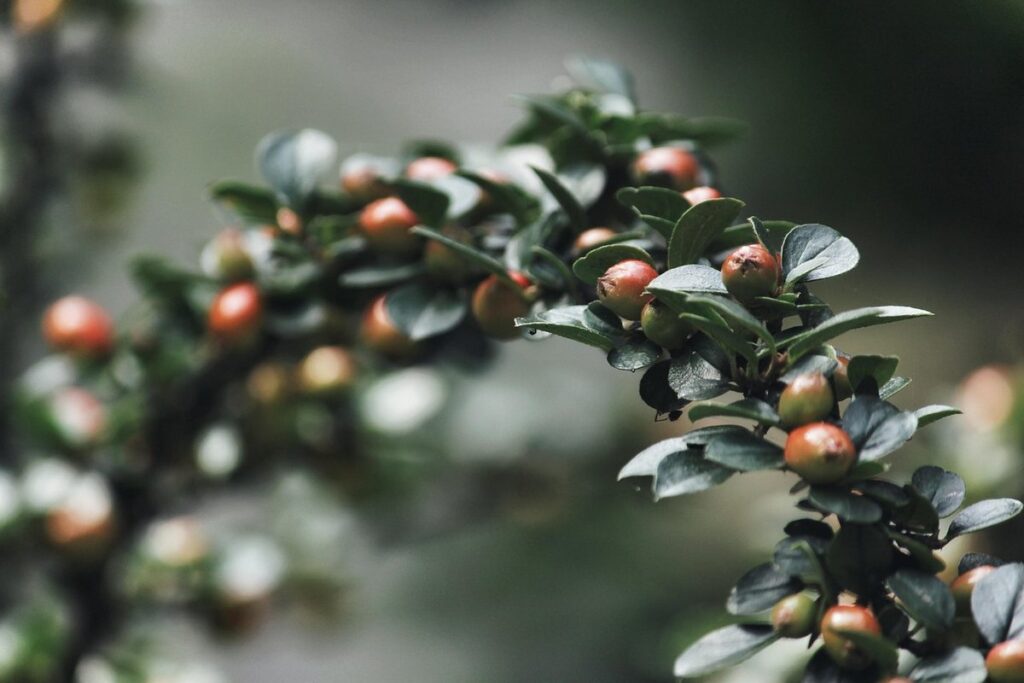
When it comes to gardening, understanding the basics of leaves and shrubs is essential for creating a thriving landscape. In this next part, we’ll explore the fundamental characteristics of these plants.
What are Leaves and Shrubs?
Leaves and shrubs are fundamental components of plants that play critical roles in their growth and survival. A leaf is typically a flat, green organ attached to the stem of a plant, primarily responsible for photosynthesis – the process by which plants convert sunlight into energy. Leaves can be simple or compound, consisting of one blade (simple) or multiple blades (compound), with various shapes and sizes depending on the plant species.
Shrubs, on the other hand, are small woody plants that usually grow between 3-10 feet in height, often having multiple stems. They typically have a more compact growth habit than trees and produce smaller leaves or foliage compared to their size. Shrubs can be deciduous (shedding leaves seasonally) or evergreen (retaining their leaves year-round), depending on the species.
Understanding these definitions helps you identify and care for different types of plants in your garden. For instance, knowing whether a plant is a shrub or a tree will influence how you prune it to maintain its desired shape and size.
Types of Leaves and Shrubs
When it comes to leaves and shrubs, there are several key categories to understand. Let’s start with the types of leaves. The main categories are simple leaves, compound leaves, and needle-like leaves.
Simple leaves have a single leaf blade attached directly to the stem. They’re the most common type of leaf and can be found on trees like oaks and maples. Compound leaves, on the other hand, have multiple leaflets attached to a central stem. These are often found on plants like magnolias and sweetgum trees.
Needle-like leaves are thin and pointed, typically found on coniferous trees such as pines and spruces. When it comes to shrubs, they’re categorized into deciduous, evergreen, and flowering shrubs. Deciduous shrubs shed their leaves seasonally, like dogwoods and azaleas. Evergreen shrubs keep their leaves year-round, often used in landscaping for their winter interest, such as holly and boxwood.
Flowering shrubs produce showy blooms at various times of the year, adding color to your garden or landscape. Examples include roses, hydrangea, and lilac. Understanding these categories will help you better identify and care for the leaves and shrubs in your surroundings.
Leaf Structure and Function
Let’s take a closer look at what makes leaves tick, from their intricate veins to the waxy coatings that protect them from the elements. You’ll learn how these features serve important functions for plant survival.
External Leaf Structure
A leaf’s external structure is often the first thing we notice about it. When observing a leaf, pay attention to its shape and size. Leaves can be simple, having one blade, or compound, made up of multiple blades on a single stem. Some leaves are large and broad, while others are small and needle-like.
The margin of a leaf refers to the edge around the blade. Leaves can have smooth margins, toothed margins (with pointed protrusions), or lobed margins (deeply divided). The shape of the margin often provides clues about a plant’s environment and adaptations. For example, leaves with wavy or toothed margins are more resistant to wind damage.
Leaves also come in various arrangements on the stem. Some plants have alternate leaves, where each leaf grows from the opposite side of the stem as the previous one. Others have opposite leaves, where two leaves grow directly across from each other on a single node. Understanding these differences can help you identify and care for different plant species.
The arrangement of leaves on a stem is also influenced by factors like light exposure and soil quality.
Internal Leaf Structure
Inside every leaf lies a complex network of tiny cells, veins, and stomata that work together to facilitate photosynthesis. Let’s take a closer look at the internal structure of a leaf.
A leaf’s venation pattern is like a roadmap for water and nutrients, providing the framework for gas exchange and nutrient transport. The main veins, which are typically thicker and more prominent, carry away sugars produced during photosynthesis, while smaller branches called midribs connect to form a network that resembles a miniature highway system. This intricate network allows leaves to optimize their surface area, allowing for maximum exposure to sunlight.
Stomata, small openings on the underside of leaves, play a crucial role in gas exchange. They allow CO2 to enter and O2 to exit during photosynthesis. Stomata are typically found along the midrib or between the leaf’s veins, providing easy access for gases to diffuse through the leaf tissue. Photosynthetic cells, located within specialized organelles called chloroplasts, contain pigments like chlorophyll that absorb light energy and drive photosynthesis.
By understanding the internal structure of a leaf, you can better appreciate the intricate mechanisms at play in these vital organs of plants.
Shrubs: Characteristics and Care
When it comes to shrubs, understanding their unique characteristics is crucial for effective care. From growth habits to watering needs, we’ll cover everything you need to know about these versatile plants.
Choosing the Right Shrub for Your Needs
When choosing the right shrub for your needs, it’s essential to consider several factors that will determine its success and longevity in your garden. First and foremost, think about your climate. Different regions have unique weather patterns, temperature fluctuations, and moisture levels, all of which can impact a shrub’s growth habits.
If you live in an area with hot summers or cold winters, look for drought-tolerant or hardy shrubs that can withstand extreme temperatures. For example, the Texas Sage (Leucophyllum frutescens) is perfect for arid climates, while the Burning Bush (Euonymus alatus) thrives in cooler conditions.
Next, consider your soil type. Some shrubs prefer well-draining soil, while others can tolerate clay or sandy loams. If you have poor soil quality, choose a shrub that’s adapted to those conditions, such as the Boxwood (Buxus sempervirens), which tolerates shade and dry soil.
Lastly, think about your desired growth habits. Do you want a compact shrub for edging or a large one for screening? Choose a species that fits your needs, like the Dwarf English Lavender (Lavandula angustifolia ‘Munstead’) for a low-maintenance option or the Weigela (Weigela florida) for its showy blooms.
Shrubs in Different Environments
Shrubs in different environments require careful selection to thrive. When it comes to coastal areas, shrubs must be salt-tolerant and able to withstand strong winds and sea spray. Consider using plants like beach rosemary or coastal sagebrush that are naturally adapted to these conditions. In desert landscapes, shrubs need to be drought-resistant and able to tolerate extreme heat. Succulents like aloe vera or eucalyptus are great options for hot, dry climates.
In woodland environments, shrubs must be able to compete with trees for resources like light and water. Choose plants that can thrive in shade, such as hydrangea or rhododendron. These shrubs will add color and texture to your woodland garden without overpowering the existing vegetation. When selecting shrubs for a specific environment, consider factors like soil type, moisture levels, and exposure to sunlight. By choosing plants that are well-suited to their surroundings, you’ll be able to create a beautiful and thriving landscape that requires minimal maintenance.
Leaf Diseases and Pests
When it comes to maintaining a healthy shrub, identifying common leaf diseases and pests is crucial. Let’s take a closer look at how to spot and treat these issues.
Common Leaf Diseases
Leaf diseases are one of the most common problems plant enthusiasts and professionals face when it comes to maintaining healthy leaves and shrubs. Fungal infections, such as powdery mildew and root rot, can be particularly devastating if left unchecked. These fungal diseases thrive in moist environments, making them more prevalent in areas with high humidity or poor air circulation.
Bacterial leaf spot is another widespread issue affecting various plant types. Caused by bacteria like Xanthomonas campestris, this disease creates small, circular spots on the leaves that eventually turn yellow and drop off. Viral infections, such as tobacco mosaic virus (TMV), can also be a significant concern for leaf health. TMV is highly contagious and can spread quickly between plants through contact or insect vectors.
To prevent these diseases from taking hold, it’s essential to practice good gardening hygiene, including regular pruning and disinfecting tools. Monitor your plants closely for early signs of disease, such as yellowing leaves or black spots, and take swift action if you notice any issues.
Managing Leaf Pests
Managing leaf pests requires vigilance and proactive measures to prevent damage. Aphids, spider mites, and scale insects are among the most common culprits. These tiny creatures can wreak havoc on leaves, causing curled or distorted growth, yellowing, and even defoliation.
Aphids are particularly adept at hiding in tight spaces, making them harder to spot. They feed on plant sap, leaving behind sticky honeydew droplets that attract other pests. To manage aphid populations, inspect plants regularly, using a handheld magnifying glass or a bug catcher if necessary. Spray with soapy water or neem oil, taking care not to spray in direct sunlight.
Spider mites are minute, spider-like creatures that thrive in dry environments. Their presence can be identified by fine webbing on leaf surfaces and tiny white specks on undersides. Use a gentle soap solution or introduce beneficial mites like Phytoseiulus persimilis to control their numbers.
Scale insects secrete wax for protection, forming a protective shield around themselves. Inspect plant stems and leaves for these armored creatures, then manually remove them with a cotton swab dipped in insecticidal soap. Regular pruning can also help reduce infestation risk by removing affected areas before they spread.
For all three pests, maintain healthy plants through proper watering, fertilization, and pest management practices to reduce the likelihood of infestation.
Shrubs in Gardening and Landscaping
When it comes to adding depth and texture to your garden, shrubs are a fantastic choice, offering low-maintenance beauty year-round. Let’s explore their role in landscaping and gardening together.
Shrub Selection for Gardens and Landscapes
When it comes to designing your garden or landscape, shrubs play a vital role. Not only do they add visual interest and texture, but they also provide functionality and structure. One of the most popular uses for shrubs is as hedges. These can be formal, topiary-style hedges that are trimmed regularly to maintain a precise shape, or more informal, meandering hedges that add a natural, rustic feel to your garden.
In addition to serving as hedges, shrubs can also be used to create borders around gardens and paths. By selecting shrubs with varying growth habits and bloom times, you can create a dynamic and ever-changing display of color and texture throughout the seasons.
Shrubs can also serve as focal points in your landscape design. For example, a large, statement-making shrub like a camellia or rhododendron can draw the eye to a specific area of the garden, creating visual interest and balance. When selecting shrubs for these purposes, consider factors like mature size, growth rate, and bloom time to ensure they will thrive in your climate and meet your design goals.
Tips for Pruning and Maintaining Shrubs
When it comes to maintaining shrubs, regular pruning is essential for their health and appearance. But where do you start? Begin by removing dead, diseased, or damaged branches to prevent the spread of disease and encourage new growth.
Prune your shrubs during their dormant season (usually winter or early spring), when they are less susceptible to shock. Start with the largest branches, cutting them back by about one-third to maintain shape and promote air circulation.
Fertilize your shrubs in the growing season (spring-fall) with a balanced fertilizer, following the manufacturer’s instructions for application rates. Water deeply but infrequently to encourage deep root growth.
For best results, prune shrubs at different times depending on their type:
* Evergreen shrubs: Prune after blooming
* Deciduous shrubs: Prune in late winter or early spring before new growth begins
* Flowering shrubs: Prune immediately after blooming to encourage repeat flowering
Remember to disinfect your pruning tools between cuts to prevent the spread of disease. By following these simple tips, you’ll be well on your way to keeping your shrubs healthy and thriving all season long.
Leaf Identification and Uses
Understanding leaf identification is key to unlocking their various uses, from herbal remedies to crafts and decorative arrangements. We’ll explore these practical applications together.
Identifying Different Leaf Types
When it comes to identifying different leaf types, understanding their shapes, sizes, and arrangements is crucial. Start by observing the overall shape of the leaf: is it linear, ovate, lanceolate, or elliptical? The simplest way to categorize leaves is based on their margins – are they entire (smooth), lobed (with notches), toothed, or serrated (with small teeth)?
Another key characteristic is the leaf’s length and width. Measuring a single leaf can give you an idea of its typical size. You’ll often find that leaves come in pairs opposite each other on a stem, while others grow alternately along it.
Notice how leaves are arranged on the stem – are they whorled (in clusters), solitary, or clustered? The arrangement and shape of the leaves will help narrow down potential plant families.
To take your leaf identification skills to the next level, practice observing different plant species in their natural habitats. Keep a journal or record photos to track patterns and correlations between leaf shapes and plant types.
Traditional and Modern Uses of Leaves
Leaves have been an integral part of human life for centuries, serving as more than just mere adornments on trees. They’ve been utilized in various ways, from medicinal and culinary applications to crafting and artistry. In this section, we’ll delve into the traditional and modern uses of leaves, highlighting their versatility.
Historically, leaves have been used extensively in medicine. The ancient Greeks and Romans employed them for treating ailments such as fever, rheumatism, and digestive issues. For instance, willow bark, which contains salicylic acid, was used to alleviate pain and reduce inflammation by the Native Americans. In modern times, leaves continue to play a significant role in herbal remedies, with popular examples including tea made from peppermint or chamomile leaves.
Beyond their medicinal properties, leaves have also been employed in culinary arts. Leafy greens like spinach and kale are staples in many cuisines worldwide, while herbs like basil and rosemary add flavor and fragrance to various dishes. Leaves can also be used as natural dyes for textiles, paper production, or even as crafting materials for making baskets and other decorative items.
In addition to their practical uses, leaves have inspired artistic expression throughout history. From the intricate leaf patterns on ancient pottery to modern sculptures created from dried leaves, this versatile material continues to captivate artists and craftspeople alike. To get started with leaf-based crafts, consider experimenting with natural dyes or creating collages using real leaves.
Sustainable Gardening Practices
As you cultivate a greener thumb, it’s essential to adopt sustainable gardening practices that not only care for our environment but also thrive in harmony with your leaf and shrub varieties. This section shares expert tips on eco-friendly techniques.
Water Conservation in Leaf and Shrub Care
When it comes to leafy plants and shrubs, conserving water is crucial for their survival. Efficient irrigation systems are a must-have for every gardener looking to reduce water waste. One of the most effective methods is drip irrigation, which delivers water directly to the roots of the plant, minimizing evaporation and runoff.
Rainwater harvesting is another excellent option for leafy plants. You can collect rainwater from your roof and store it in a tank or cistern. This water can then be used for irrigation, reducing your reliance on municipal supplies. Make sure to ensure that the water is clean and free of debris before using it for watering.
To get started with rainwater harvesting, you’ll need a collection system, a storage tank, and a first flush device to filter out debris. You can also consider installing a greywater system to reuse water from sinks, showers, and washing machines for irrigation purposes.
By implementing these water-saving methods, you’ll not only reduce your water bill but also contribute to the well-being of our planet’s precious water resources. So, take it as an opportunity to create a more sustainable garden that thrives with minimal waste.
Organic Fertilizers for a Healthier Garden
When it comes to creating a thriving garden, using natural fertilizers is one of the most effective ways to promote soil health and plant growth. By choosing organic options over synthetic ones, you’ll not only be reducing your environmental footprint but also creating a balanced ecosystem that’s beneficial for your plants and the entire garden.
One of the best things about compost as a fertilizer is its versatility. Made from food scraps, leaves, and other natural materials, it’s rich in nutrients like nitrogen, phosphorus, and potassium. To make your own compost, start by collecting kitchen waste, leaves, and grass clippings in a designated bin. Add some brown materials like shredded newspaper or cardboard to balance out the mix. Regularly turn the pile to ensure it breaks down evenly.
Manure from herbivores such as cows or goats is another excellent natural fertilizer option. Rich in nutrients, it helps improve soil structure and increase plant growth rates. Apply a 2-inch layer of manure around the base of your plants, then mix it into the top 6-8 inches of soil. Monitor moisture levels closely to avoid burning your plants with excess nitrogen.
By incorporating compost or manure into your garden routine, you’ll be cultivating healthy, resilient plants that require fewer pesticides and fertilizers over time.
Frequently Asked Questions
What are some common mistakes to avoid when choosing shrubs for my garden?
When selecting shrubs, it’s easy to get caught up in their appearance without considering factors like climate, soil type, and maintenance requirements. To avoid this mistake, research the specific needs of your chosen shrub, including its hardiness zone, watering needs, and potential pests or diseases that can affect it in your area.
How do I identify different types of leaves?
To accurately identify various leaf types, observe their shape, size, color, texture, and arrangement on the stem. Look for key characteristics such as margins (smooth, serrated, lobed), venation patterns (net-veined or parallel-veined), and stipules (small, paired structures at the base of the petiole). Consult field guides or botanical resources for further assistance.
Can I use organic fertilizers on both leaves and shrubs?
Yes, many organic fertilizers can be used on both leaves and shrubs, providing essential nutrients while promoting soil health. However, some products may be specifically formulated for one plant type over the other, so choose a balanced, water-soluble option suitable for your chosen plants.
What are some sustainable gardening practices I can apply to my leaf and shrub care routine?
Incorporate sustainable practices such as reducing water consumption through efficient irrigation systems or rainwater harvesting, using natural pest control methods like neem oil or diatomaceous earth, and composting kitchen scraps and yard waste to create nutrient-rich fertilizer. These simple changes can significantly contribute to a healthier ecosystem.
How often should I prune my shrubs for optimal growth and health?
The frequency of pruning depends on the type and maturity of your shrub. Typically, young shrubs require regular shaping every 6-12 months to encourage bushy growth. Established shrubs need less frequent pruning (every 2-3 years) to maintain shape and promote healthy flowering or fruiting.