
Ripening squash off the vine can be a bit tricky, but don’t worry, we’ve got you covered. If you’re like many gardeners, you might find yourself with a bounty of squashes that are still hard to the touch and not yet edible. Whether it’s due to an unexpected harvest or simply wanting to enjoy your squash sooner rather than later, ripening it off the vine is a great way to get the most out of your crop.
In this article, we’ll delve into the factors that influence ripening, providing you with valuable insights on creating ideal conditions for your squash. We’ll also share practical tips and tricks for speeding up the process, ensuring you can enjoy your ripe squash as soon as possible. By the end of this guide, you’ll be equipped to successfully ripen your squash off the vine, maximizing its flavor, texture, and nutritional value.
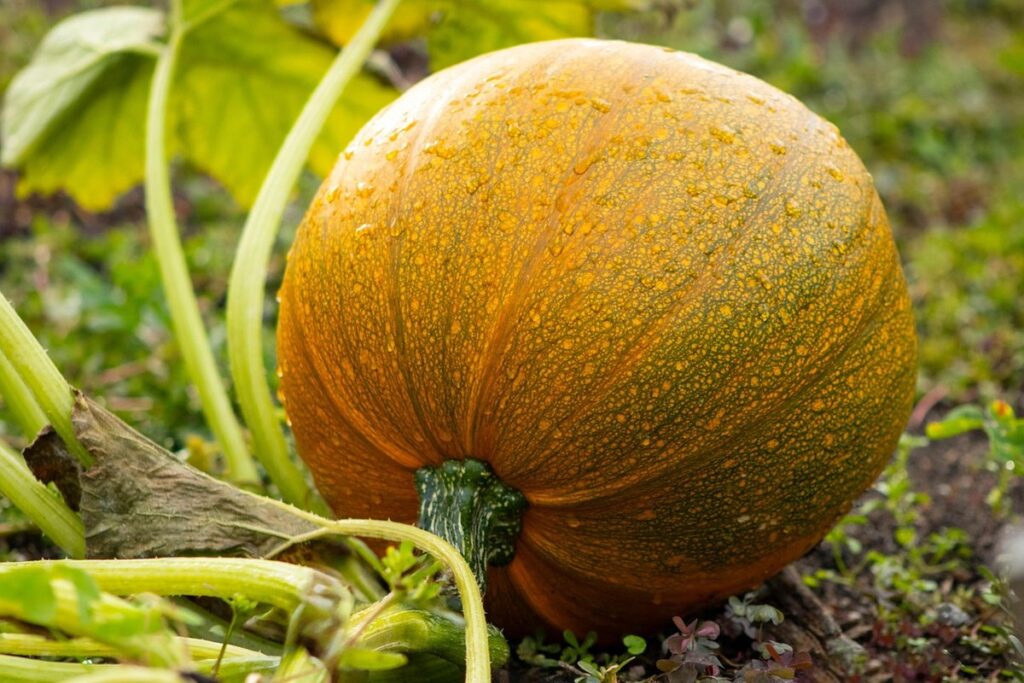
Understanding the Basics of Squash Ripening
Let’s start by covering the fundamental concepts that will help you grasp the process of ripening squash off the vine, including its ideal temperature and humidity requirements.
Factors that Influence Squash Ripening
When it comes to ripening squash off vine, several key factors come into play that can either speed up or slow down the process. One of the most significant influencers is temperature. Generally, warmer temperatures between 65°F and 75°F (18°C and 24°C) will promote faster ripening. Conversely, if the temperature drops below 50°F (10°C), the squash may take longer to ripen.
Another crucial factor is sunlight exposure. Squash needs a certain amount of direct sunlight to produce the necessary sugars for ripening. A minimum of four to six hours of direct sunlight per day can significantly impact the ripening process. If you’re keeping your squash indoors, place it in a sunny south-facing window or use grow lights to replicate natural light.
Moisture levels also play a significant role in ripening squash off vine. Ensure the area where you’ve placed the squash has adequate air circulation and maintain humidity levels between 40% and 60%. This will prevent moisture buildup, which can lead to fungal diseases that hinder the ripening process.
Keep in mind, the specific variety of squash you’re working with may have unique requirements for temperature, light, and moisture. Research your particular type for more tailored advice.
Ideal Conditions for Squash Maturation
For squash to mature perfectly off the vine, it’s essential to provide it with the right conditions. Temperature plays a significant role in this process. Ideally, the temperature range for ripening squash should be between 65°F (18°C) and 70°F (21°C). Temperatures above or below this range can slow down or even halt the ripening process.
Humidity levels also affect how quickly your squash matures. A humid environment with a relative humidity of 60-80% is ideal for ripening squash off vine. However, be cautious not to overdo it – extreme humidity can lead to mold and rot.
Sunlight is another crucial factor in the maturation process. Squash needs direct sunlight for several hours a day to produce chlorophyll, which helps break down complex carbohydrates into sugars that give the fruit its characteristic flavor and aroma. Aim for at least 4-6 hours of direct sunlight per day for optimal results.
In a controlled environment like a garage or indoor space, you can replicate these conditions by using grow lights or placing the squash near a sunny window. Monitor your squash regularly to ensure it’s getting the right amount of light, temperature, and humidity to ripen perfectly.
Preparing Squash for Ripening
Before you can start ripening your squash, it needs some preparation to ensure optimal results. Learn how to properly clean and dry your squash in this essential step-by-step guide.
Handling Squash Off the Vine
When removing squash from the vine, it’s essential to handle them carefully to prevent damage that can affect ripening. Support the fruit with one hand while gently twisting and pulling it away from the stem with the other. This helps maintain its shape and reduces the risk of bruising or tearing.
To minimize stress on the squash during handling, choose a ripe but firm variety that’s easy to handle. Avoid picking squashes when they’re extremely heavy or feel too soft, as this can indicate damage to the fruit inside.
When handling multiple squashes, consider grouping them together and supporting each one with your non-dominant hand while carrying them in a cradle-like position with your dominant hand. This reduces strain on individual fruits and helps prevent accidents.
By taking these precautions, you’ll be able to successfully remove squash from the vine without causing unnecessary stress or damage that can impact their ripening process.
Removing Squash from the Plant
When removing squash from the plant, it’s essential to do so carefully to avoid damaging the stem or surrounding leaves. This can be a challenge, especially if you’re new to growing squash. The best approach is to cut or gently twist the squash off the vine, taking care not to pull on the stem.
For smaller varieties of squash, such as zucchini and yellow crookneck, a gentle twisting motion usually works well. Hold the squash firmly in one hand and use your other hand to twist it counterclockwise until it comes free from the plant. This method helps preserve the stem connection, which can promote continued growth on the vine.
For larger varieties of squash, such as acorn and butternut, a sharp knife may be necessary to cut through the stem. Insert the blade at an angle, about 1-2 inches above the soil line, and carefully saw back and forth until the squash separates from the plant. Make sure to clean up any excess stem or leaves to prevent moisture buildup and potential fungal growth.
Be cautious not to leave too much stem attached, as this can cause decay and shorten the shelf life of your ripe squash.
Tips for Ripening Squash Off Vine
When you harvest squash that’s not yet fully ripe, follow these simple tips to encourage it to ripen off the vine. This is especially helpful when harvesting in cooler weather conditions.
Speeding Up the Ripening Process
To speed up the ripening process of squash off vine, you can try a few techniques that work on various levels. One method is to use ethylene gas, which is naturally produced by fruits and vegetables as they ripen. By introducing more ethylene into the environment, you can stimulate the ripening process. However, it’s worth noting that using commercial ethylene generators or even ripe fruit in a bag can be expensive and might not be feasible for large quantities.
A simpler approach is to provide optimal temperature conditions for your squash. Maintaining a warm environment with temperatures between 64°F and 75°F (18°C and 24°C) will help accelerate ripening, whereas cooler temperatures will slow it down. Some growers even use a method called ‘temperature cycling,’ where the temperature is raised and lowered over a period to stimulate respiration and speed up the process.
In addition to temperature, maintaining high humidity levels can also contribute to faster ripening. Squash needs moisture to release ethylene gas efficiently, so ensuring the air remains humid will help facilitate this process.
Enhancing Flavor and Texture
When it comes to ripening squash off the vine, many gardeners worry that the flavor and texture will be compromised. However, with proper handling and storage, you can enjoy your homegrown squash at its best. To preserve the natural flavor of your squash, make sure to handle it gently. Avoid bruising or scratching the skin, as this can introduce bacteria and lead to spoilage.
For optimal ripening, store your squash in a cool, dry place with good air circulation. A temperature range of 50-60°F (10-15°C) is ideal for most types of squash. Check on your squash regularly to ensure it’s not developing off-flavors or mold. If you notice any soft spots or decay, remove the affected area immediately to prevent further spoilage.
To maintain texture, store your squash in a breathable container, such as a paper bag or mesh bag. This will allow excess moisture to escape and help prevent sogginess. You can also place an apple or banana near the squash – these fruits release ethylene gas, which helps to ripen the squash naturally. By following these simple steps, you’ll be able to enjoy your homegrown squash at its peak flavor and texture.
Troubleshooting Common Issues
Sometimes, despite following best practices, issues can arise when trying to ripen squash off the vine. This section addresses common problems and offers solutions.
Yellow or Soft Spots on Squash
If you notice yellow or soft spots on your squash while trying to ripen it off the vine, it’s essential to address the issue promptly. These spots can be a sign of over-ripening, fungal infection, or physical damage. To identify potential problems, inspect the squash regularly and look for any areas that are discolored, mushy, or have visible mold.
Soft spots can develop when the squash is stored in an environment with high humidity or when it’s exposed to ethylene-producing fruits nearby. In contrast, yellow spots may indicate over-ripening due to prolonged exposure to warm temperatures and high humidity.
To prevent these issues from escalating, maintain a consistent temperature between 50°F and 70°F (10°C and 21°C) during the ripening process. Monitor your squash’s moisture levels by checking for stickiness or softness, and handle them gently to avoid physical damage. If you find any damaged areas, carefully trim them with a sanitized knife to prevent further decay and promote healthy ripening. Regular inspection and prompt action can help salvage affected squash and ensure successful off-vine ripening.
Fungal Infections and Pests
Fungal infections and pests can be a major concern when ripening squash off vine. As squash sits on the ground, it becomes more susceptible to fungal diseases that thrive in moist environments. One of the most common issues is powdery mildew, which appears as a white, dusty coating on the skin of the squash. To prevent this, make sure your squash is dried and exposed to good air circulation.
Another issue you might encounter is root rot, caused by excessive moisture and poor drainage. Check the soil regularly for waterlogged areas and ensure that it drains properly to prevent root decay.
Keep an eye out for pests like aphids, whiteflies, and spider mites, which can transmit diseases or weaken the plant’s defenses. Inspect your squash carefully and treat any infestations promptly with neem oil or insecticidal soap.
If you do encounter fungal infections or pest issues, prune affected areas to prevent the problem from spreading, then apply a fungicide or pesticide as needed.
Storing Ripened Squash for Long-Term Use
Now that your squash has been successfully ripened off the vine, it’s essential to store it properly to maintain its quality and extend its shelf life. This section will walk you through optimal storage methods for long-term use.
Short-Term Storage Methods
When you’re dealing with ripened squash, it’s essential to have short-term storage methods up your sleeve. This ensures that your prized harvest stays fresh for as long as possible before you can use it. One of the simplest ways to store ripened squash is by placing it in a cool, dry spot. A basement or pantry with a consistent temperature between 50-60°F (10-15°C) is ideal.
If you don’t have such an area available, a refrigerator will also work well. Wrap each squash in a paper towel or cloth to absorb excess moisture before storing them in the fridge. Place the wrapped squash on a shelf or tray to prevent moisture from accumulating at the bottom of the container.
For short-term storage, keep your ripened squash away from direct sunlight and heat sources, as this can cause it to spoil quickly. Also, check on your squash regularly to ensure they’re not developing any soft spots or mold.
Long-Term Preservation Techniques
When you’ve successfully ripened your squash off the vine, you’ll want to preserve it for long-term use. Freezing is a great option, as it helps maintain the squash’s texture and flavor. To freeze, first peel and chop the squash into manageable pieces. Remove excess moisture by placing them on a baking sheet lined with parchment paper and freezing until solid. Then, transfer the frozen chunks to an airtight container or freezer bag for storage.
Dehydrating is another effective preservation method, allowing you to store ripened squash in its dried form. Slice the squash thinly and dry using a food dehydrator or your oven on the lowest heat setting. Once dry, store the leather-like strips in a cool, dry place. Be cautious not to over-dry, as this can cause the squash to become brittle.
Pickling is also an excellent option for long-term storage, adding flavor while preserving the squash’s texture. Slice the squash thinly and soak it in a brine made from vinegar, salt, and spices. Store the pickled squash in the refrigerator or a cool place, where it will keep for several weeks to months.
Conclusion: Achieving Success with Squash Ripening Off Vine
In conclusion, achieving success with squash ripening off vine requires patience, persistence, and attention to detail. By following the steps outlined in this guide, you’ll be well on your way to enjoying a bountiful harvest of perfectly ripe squash. Remember to monitor your squash regularly for optimal ripeness, as over- or under-ripeness can greatly impact its flavor and texture.
It’s also essential to handle your squash gently to prevent bruising and damage during the ripening process. With these simple yet crucial tips in mind, you’ll be amazed at how easy it is to successfully ripen your squash off vine. By taking the time to properly care for your harvest, you’ll be rewarded with delicious and nutritious squash that will elevate any meal or recipe.
Frequently Asked Questions
How to Monitor Squash for Optimal Ripening?
Monitor your squash’s progress by checking its color, softness, and weight regularly. For example, acorn squash should turn a deep yellow or orange when ripe, while butternut squash becomes sweeter and softer as it ripens.
What if I Notice Fungal Infections During the Ripening Process?
Identify fungal infections early on to prevent damage. Inspect your squash for white patches or soft spots, then remove any affected areas with a clean knife. Improve air circulation around your squash, ensure adequate sunlight, and use a fungicide specifically designed for fruits and vegetables.
Can I Speed Up Ripening in Cooler Temperatures?
Yes. Although warmer temperatures (65°F-75°F) promote faster ripening, some squash varieties will still mature at cooler temperatures (50°F-60°F). Be patient, as the process may take longer. Provide consistent temperature conditions to avoid stress on your plants.
How to Store Ripened Squash for Long-Term Use?
To store ripened squash for long-term use, choose a cool, dry place with good air circulation. Wrap each squash individually in plastic wrap or aluminum foil and store them in a paper bag or cardboard box. Keep the storage area at 50°F-60°F (10°C-15°C) to maintain quality.
Can I Use a Fan to Speed Up Ripening?
No. Although it may seem beneficial, using a fan to speed up ripening can be counterproductive. It may stress your plants and cause uneven ripening. Instead, focus on creating the ideal temperature range (65°F-75°F), providing adequate sunlight, and ensuring good air circulation around your squash.