
Are you tired of seeing your hard work in the vegetable garden get destroyed by tiny, pesky insects? Vegetable garden mites can be a frustrating problem for gardeners, causing damage to leaves and reducing crop yields. These microscopic critters may be small, but they can cause big problems if left unchecked. In this article, we’ll take a closer look at how to identify vegetable garden mites, as well as the best methods for prevention and management. From organic control methods like introducing beneficial insects to chemical solutions that target specific species, our comprehensive guide has got you covered. We’ll explore the different types of vegetable garden mites, their life cycles, and the most effective ways to keep them under control.
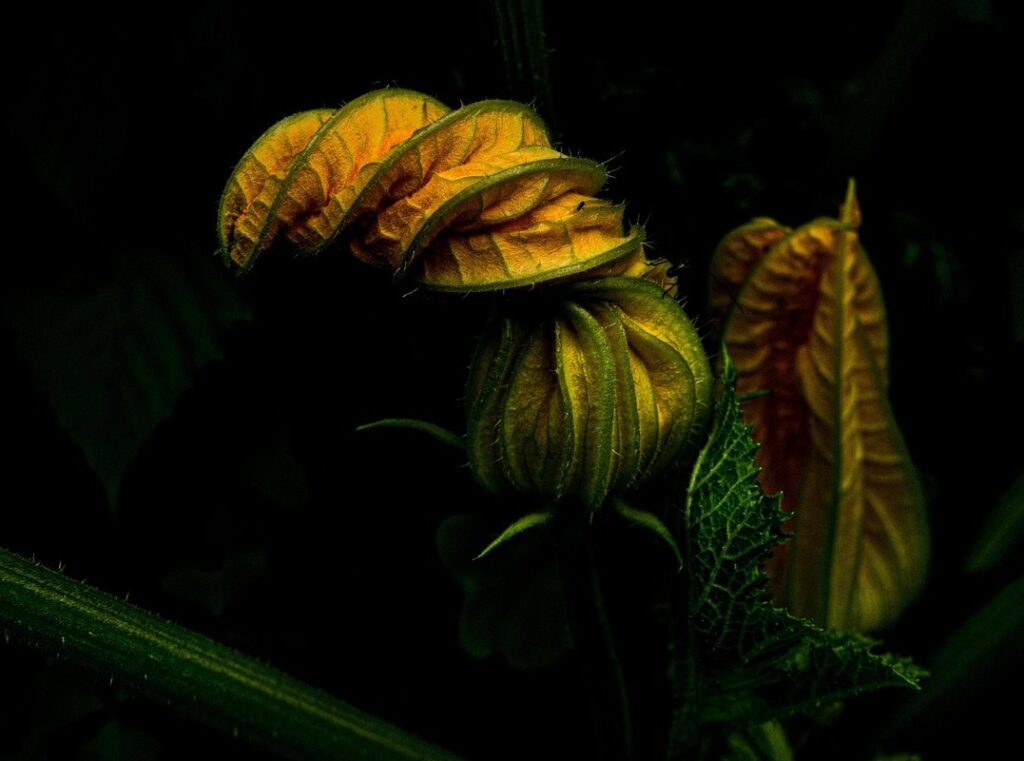
What Are Vegetable Garden Mites?
Vegetable garden mites are often tiny, uninvited guests that can wreak havoc on your garden, causing damage to leaves and stems. Let’s take a closer look at what they are.
Identifying Common Types of Mites
When inspecting your vegetable garden for mites, it’s essential to know what types of pests you might encounter. Three common types of mites that infest gardens are spider mites, thrips, and broad mite.
Spider mites are perhaps the most well-known type of mite, and they’re a major problem for many gardeners. These tiny arachnids feed on plant sap, causing yellowing or bronzing of leaves and sometimes even fine webbing between stems. They thrive in warm, dry conditions, which is why you often see them in gardens with poor watering habits.
Thrips are another type of mite that can be mistaken for spider mites due to their small size. However, thrips have a distinctive narrow waist and feed on plant sap as well as pollen and nectar. Thrip damage appears as stunted or distorted growth, particularly on fruiting plants like tomatoes and peppers.
Broad mites are less common than spider and thrips mites but still a significant problem in vegetable gardens. They’re recognized by their oval shape and broad, flat bodies. Broad mite damage resembles leaf scorch or sunburn due to the way they suck plant sap from the underside of leaves.
Signs of a Mite Infestation
When it comes to identifying a mite infestation in your vegetable garden, there are several common symptoms to look out for. One of the most noticeable signs is yellowing leaves, which can be caused by the mites sucking sap from the plant’s veins. This can lead to a general decline in the health and vigor of the plant.
Another symptom of a mite infestation is stippling, which appears as small white or pale spots on the leaves. These spots are actually the result of the mites’ saliva being injected into the plant tissue during feeding. As the infestation worsens, you may also notice webbing between the leaves and stems of your plants.
It’s essential to catch these symptoms early, as they can indicate a full-blown infestation. Regularly inspect your plants, checking for any unusual discoloration or fine webs on the undersides of leaves. If you suspect a mite infestation, take action immediately by introducing natural predators or using targeted pesticides to control the population.
Causes and Risk Factors for Mite Infestations
So, you want to know why mites are taking over your veggie garden? Let’s explore the common causes and risk factors that can lead to these tiny pests making themselves at home.
Weather Conditions and Temperature
Weather conditions play a significant role in the proliferation of mites in vegetable gardens. Droughts, for instance, can cause stress to plants, making them more susceptible to mite infestations. When plants are under water stress, their natural defense mechanisms weaken, allowing mites to feed on them more easily.
High temperatures also contribute to mite populations. Most mite species thrive in warm temperatures between 65°F and 90°F (18°C and 32°C). Prolonged exposure to high heat can cause plants to become more vulnerable to mite infestations. For example, a study found that the two-spotted spider mite population increased significantly when daytime temperatures exceeded 85°F (29°C) for extended periods.
To manage mites in your garden, it’s essential to monitor weather conditions and adjust your gardening practices accordingly. During droughts, ensure you’re providing adequate water to your plants. Additionally, consider using row covers or fine mesh screens to protect your plants from heat and prevent mite populations from growing out of control. Regularly inspecting your plants for signs of mites will also help you catch infestations early on and take corrective action.
Pests and Diseases as Prey
When mites feed on other pests and diseases in the garden, they can create an imbalance that can lead to infestations. This phenomenon is often overlooked, but it’s a crucial aspect of understanding why mite populations thrive.
For instance, when aphids or whiteflies are present in large numbers, mites may view them as a readily available food source. As mites feed on these pests, they can inadvertently create an environment that fosters their own growth. In some cases, the mites may even be the primary predators of other beneficial insects, further disrupting the garden’s ecosystem.
To prevent this imbalance, it’s essential to maintain a balanced garden ecosystem. This can be achieved by adopting integrated pest management (IPM) strategies that encourage beneficial insects and minimize chemical usage. By doing so, you’ll create an environment where mites are less likely to thrive on other pests and diseases. Regular monitoring of your garden is also key to identifying potential issues before they escalate into full-blown infestations.
Prevention Strategies for Vegetable Garden Mites
To keep those pesky mites at bay, let’s explore effective prevention strategies that’ll safeguard your vegetables from damage and preserve their nutritional value. This includes identifying vulnerable crops and implementing smart gardening practices.
Integrated Pest Management (IPM)
When it comes to managing mite populations in your vegetable garden, a multi-faceted approach is often the most effective. Integrated Pest Management (IPM) combines various methods to control pests like mites, and it’s essential for long-term sustainability. IPM involves a combination of cultural, physical, and chemical controls.
Cultural controls are non-chemical methods that prevent pest problems before they start. This includes planting resistant varieties, rotating crops, and maintaining good garden hygiene. For example, if you’re growing susceptible plants like lettuce or spinach, be sure to rotate them with less attractive options like tomatoes or peppers. Regularly inspect your plants for signs of mites and remove infested leaves or branches.
Physical controls involve manual removal or disruption of the pest’s life cycle. This can include introducing natural predators or parasites that feed on mites, using fine-mesh row covers to prevent adult mites from reaching your plants, or applying neem oil to suffocate them. Chemical controls should only be used as a last resort, as they can harm beneficial insects and contaminate soil and water. Always read labels carefully and follow instructions for application rates and timing.
Companion Planting and Organic Methods
When it comes to preventing vegetable garden mites from taking over your crops, companion planting and organic methods are excellent alternatives to chemical pesticides. By strategically placing certain plants alongside those vulnerable to mite infestations, you can attract beneficial insects that feed on these pests or repel them altogether.
For instance, basil and mint are known to deter spider mites by releasing oils that repel them. Planting dill near cucumbers, on the other hand, attracts beneficial wasps that prey on aphids, which often co-exist with mites. Nasturtiums can be used as a trap crop for whiteflies and aphids, reducing the likelihood of mite infestations.
Other organic methods include introducing beneficial nematodes to your soil, which attack and kill mite eggs and larvae. Regularly pruning and watering plants also help keep mites at bay by preventing moisture buildup and disrupting their life cycle. By incorporating these natural strategies into your garden routine, you can reduce reliance on chemicals and maintain a healthier ecosystem for your crops.
Managing Mite Infestations with Chemical Controls
When chemical controls are necessary, selecting the right pesticide is crucial to effectively manage mite infestations and minimize harm to your vegetable garden. We’ll explore the key considerations for using pesticides in this section.
Types of Insecticides Effective Against Mites
When it comes to managing mite infestations with chemical controls, selecting the right type of insecticide is crucial. There are two primary categories: systemic and contact pesticides.
Systemic pesticides work from within the plant, providing long-lasting protection against mites. These products contain active ingredients that are absorbed by the plant’s vascular system, eventually killing the mites as they feed on the treated foliage. Popular examples include neonicotinoids (e.g., imidacloprid) and pyrethroids (e.g., permethrin). For instance, if you’re struggling with a severe spider mite infestation on your tomato plants, a systemic pesticide like imidacloprid can provide sustained protection.
Contact pesticides, on the other hand, kill mites upon contact with the insecticide. These products are often used in combination with other control methods or as a last resort to quickly knockdown a severe mite population. Common examples include horticultural oil and sulfur. For example, if you notice a light dusting of two-spotted spider mites on your pepper plants, a contact pesticide like horticultural oil can provide quick relief.
Remember that chemical controls should be used judiciously and in conjunction with integrated pest management (IPM) strategies to minimize environmental impact and prevent the development of pesticide-resistant mite populations.
Precautions and Risks of Chemical Control
When using chemical controls to manage mite populations, it’s essential to be aware of the potential risks and take necessary precautions. Chemical pesticides can harm beneficial insects that pollinate plants, contaminate soil and water sources, and even pose health risks to humans.
One significant risk is the development of pesticide-resistant mites. Overuse or misuse of chemical controls can lead to the selection of resistant populations, making it more challenging to control infestations in the long run. This highlights the importance of adopting an integrated pest management (IPM) approach that combines multiple methods for effective and sustainable control.
To minimize risks when using chemical controls:
* Always read the label carefully and follow instructions.
* Choose products with minimal impact on beneficial insects and the environment.
* Apply chemicals at the right time, avoiding peak pollinator activity or sensitive plant stages.
* Wear protective gear, including gloves and masks, to prevent exposure to chemicals.
* Consider alternative methods, such as introducing natural predators or using diatomaceous earth, before resorting to chemical controls.
Natural Remedies and DIY Methods for Controlling Mites
For those looking to avoid chemicals, we’ll explore natural remedies and simple DIY methods that can help control mite populations in your garden effectively. These alternatives are often surprisingly easy to implement.
Neem Oil and Soap Solutions
When it comes to controlling mites in your vegetable garden, using neem oil and soap solutions can be an effective and eco-friendly approach. Neem oil is extracted from the seeds of the neem tree and has been used for centuries as a natural pesticide. It works by disrupting the hormonal balance of mites, preventing them from reproducing and eventually killing them off.
To use neem oil effectively against mites, mix 2-3% neem oil with water and spray it on infested plants. You can also add some mild dish soap to help emulsify the oil and reach all areas of the plant’s leaves and stems. For example, a study by the University of California found that spraying neem oil on strawberry plants reduced mite populations by up to 90%.
When using soap solutions, look for mild, fragrance-free soaps like castile soap or soap made from natural oils. Mix 1-2 tablespoons of soap with water and spray it on infested areas. Soap works by breaking down the waxy coating on mites’ bodies, dehydrating them and eventually killing them off.
Remember to test these solutions on a small area first to ensure they don’t harm your plants. Also, repeat applications every 7-10 days as needed to maintain control over mite populations.
Horticultural Oils and Other Organic Options
When it comes to controlling mite populations in your vegetable garden, you don’t have to reach for harsh chemicals. Horticultural oils and other organic options can be a game-changer for keeping these tiny pests at bay.
Horticultural oils, such as neem oil and jojoba oil, work by suffocating the mites, preventing them from reproducing, and ultimately killing them off. These oils are often used to control spider mite infestations and can be applied directly to the affected plants or incorporated into a spray solution. For example, a 2% neem oil solution can be mixed with water and sprayed on the leaves of your vegetables to help manage mites.
Other organic options include insecticidal soap, garlic spray, and diatomaceous earth. Insecticidal soap works by breaking down the mites’ exoskeletons, causing them to dehydrate and die. Garlic spray is another popular option, as its strong scent repels mites away from your plants. Diatomaceous earth, a natural powder made from fossilized algae, works by dehydrating the mites, ultimately killing them.
When using these organic options, make sure to follow the manufacturer’s instructions and take necessary precautions to avoid harming beneficial insects in your garden.
Maintaining a Balanced Ecosystem in Your Vegetable Garden
Creating a balanced ecosystem is crucial for keeping mite populations under control, so let’s explore some effective strategies for maintaining harmony in your vegetable garden.
Encouraging Beneficial Insects
Attracting beneficial insects to your vegetable garden is an essential strategy for managing mite populations. These tiny predators feed on mites, helping to regulate their numbers and maintain a balanced ecosystem. Ladybugs, lacewings, and parasitic wasps are examples of beneficial insects that prey on mites.
To encourage the presence of these beneficial insects in your garden, provide them with a welcoming environment. Incorporate a mix of flowers, herbs, and plants that offer nectar, pollen, and shelter, such as dill, fennel, and marigold. These plants serve as food sources for adult beneficial insects and their larvae.
By planting a diverse range of species, you can create an oasis for these helpful insects. This approach not only supports the local pollinator population but also increases the likelihood that mites will be targeted by natural predators.
Promoting Soil Health and Biodiversity
When it comes to maintaining a balanced ecosystem in your vegetable garden, promoting soil health and biodiversity is crucial. Vegetable garden mites thrive in unhealthy soils, so taking steps to improve the overall quality of your soil will help mitigate infestations. Start by incorporating organic matter such as compost or well-rotted manure into your soil. This not only improves its structure but also increases its nutrient content.
Companion planting is another effective way to promote biodiversity and deter mites. Certain plants, like marigolds and nasturtiums, repel nematodes, which can weaken plant defenses against mite infestations. Planting a diverse array of flowers and herbs will also attract beneficial insects that prey on mites.
Consider implementing cover cropping in your garden. Legumes, for example, are rich in nitrogen-fixing bacteria that improve soil fertility while reducing the need for synthetic fertilizers. These crops also provide shelter and food for beneficial insects. By adopting these practices, you’ll create a balanced ecosystem where mites will struggle to thrive, making it easier to manage their populations.
Incorporating mulch into your garden is another simple yet effective way to promote soil health and biodiversity. Mulch retains moisture, suppresses weeds, and regulates soil temperature, creating an environment that’s less conducive to mite infestations. Additionally, as mulch breaks down, it adds nutrients to the soil, further supporting its overall health.
By prioritizing soil health and biodiversity in your garden, you’ll create a more resilient ecosystem that can better withstand mite infestations. This proactive approach will not only minimize the need for chemical pesticides but also promote a healthier environment for both your plants and beneficial insects.
Frequently Asked Questions
Can I completely eliminate mites from my garden with organic methods?
While organic methods can be effective in managing mite populations, it’s challenging to completely eliminate them. However, by implementing a combination of techniques such as introducing beneficial insects, practicing good garden hygiene, and using neem oil or soap solutions, you can significantly reduce their numbers.
How long does it take for mites to infest a newly planted crop?
Mites can infest a new crop within days or weeks after planting. The rate at which they spread depends on factors like temperature, humidity, and the presence of beneficial insects. Be vigilant in monitoring your plants for early signs of infestation.
What’s the ideal temperature range for controlling mite populations with chemical controls?
Chemical control methods are often most effective against mites when temperatures are between 60°F (15°C) to 80°F (27°C). However, this can vary depending on the specific type of insecticide and the local climate. Always follow label instructions and take necessary precautions.
Can I use companion planting as a standalone method for managing mites?
While companion planting can be an effective way to manage mite populations, it’s often more successful when combined with other techniques like introducing beneficial insects or using physical barriers. Some plants, such as marigolds and nasturtiums, are known to repel mites.
Are there any specific precautions I should take when using neem oil on my garden?
Yes, neem oil can be toxic to bees and other pollinators if applied during peak bloom times. Always apply neem oil in the early morning or evening when pollinators are less active. Additionally, follow label instructions for dilution rates and application timing.