
Curing squash can be a daunting task, but getting it right is crucial to bring out its full flavor and texture. Temperature control plays a critical role in this process, as it affects not only the safety of your squash but also its quality. The ideal temperature range for curing squash varies depending on the type, but finding the sweet spot can make all the difference between a deliciously tender squash and one that’s spoiled or overcooked.
In this article, we’ll dive into the world of temperature control for curing squash, covering recommended temperature ranges, equipment options, and best practices to help you achieve perfect results every time. Whether you’re a seasoned gardener or just starting out, this guide will give you the confidence to cure your squash like a pro.
Understanding the Importance of Temperature in Squash Curing
To truly master the art of squash curing, it’s essential to grasp the vital role temperature plays in the process, from preventing spoilage to enhancing flavor. Let’s dive into its importance.
Factors Influencing Temperature Requirements
When it comes to determining the ideal temperature for curing squash, several factors come into play. The variety of squash you’re working with is one such factor. For example, some squash varieties like acorn and butternut are more sensitive to heat than others, requiring a lower temperature (around 55-60°F or 13-15°C) to prevent scorching. On the other hand, winter squash like hubbard and kuri can tolerate higher temperatures up to 65-70°F (18-21°C).
Moisture content is another critical factor that affects temperature requirements. If the squash has a high moisture content, it’s essential to maintain a consistent temperature between 50-60°F (10-15°C) to prevent fungal growth and rotting. Conversely, if the squash is relatively dry, you can opt for slightly higher temperatures up to 65-70°F (18-21°C).
Finally, ambient temperature also plays a significant role in determining the ideal curing temperature. If your environment is particularly hot or cold, it’s essential to adjust the temperature accordingly to prevent over-processing or under-processing of the squash. A good rule of thumb is to keep the curing area at least 10°F (5°C) lower than the ambient temperature to ensure consistent results.
Common Temperature Ranges for Squash Curing
When it comes to curing squash, temperature control is crucial for optimal storage and quality preservation. Different types of squash have varying ideal temperature ranges, which can impact their shelf life and overall flavor. Here’s a general overview of recommended temperature ranges for common varieties:
Watermelons typically prefer a warmer environment between 50°F (10°C) and 60°F (15°C). This range allows them to retain moisture while preventing excessive ripening.
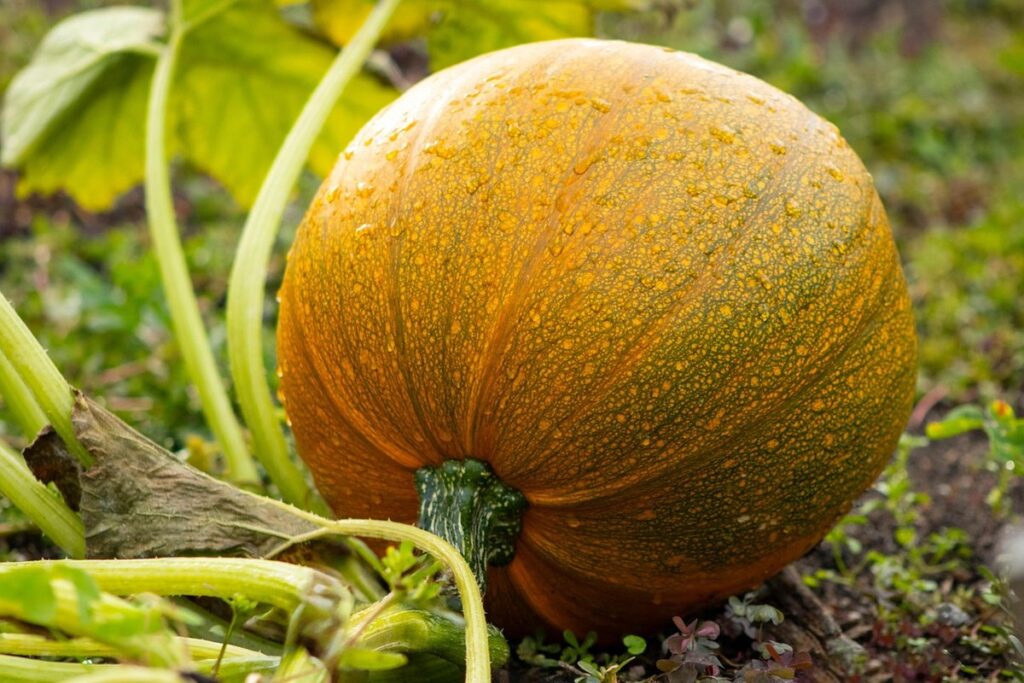
Pumpkins, on the other hand, thrive in a cooler temperature range of around 40°F (4°C) to 55°F (13°C). This slows down their ripening process and helps maintain their structural integrity.
Acorn squash prefers temperatures slightly higher than pumpkins, ranging from 45°F (7°C) to 60°F (15°C). This allows for optimal moisture retention and prevents over-ripening.
It’s essential to note that these temperature ranges can vary depending on the specific variety of squash. Be sure to research the ideal storage conditions for your specific type of squash for best results.
The Science Behind Temperature-Induced Chemical Reactions in Squash
When it comes to curing squash, understanding the science behind temperature-induced chemical reactions is crucial for achieving perfect preservation. Let’s dive into the fascinating world of heat and its effects on your squash.
Enzymatic Activity and Temperature
Enzymatic activity is a crucial aspect of the curing process for squash. As temperature affects enzymatic activity, it’s essential to understand this relationship to optimize the curing process. During the curing process, enzymes within the squash break down complex molecules into simpler compounds. These enzymes are sensitive to temperature and their activity increases or decreases depending on the temperature.
As a general rule of thumb, optimal temperatures for enzymatic activity lie between 15°C to 25°C (59°F to 77°F). At these temperatures, enzymes such as polyphenol oxidase and peroxidase are most active. However, if the temperature is too high or too low, enzyme activity can be impaired. For example, at temperatures above 30°C (86°F), enzymatic activity may decrease due to denaturation of proteins. Conversely, at temperatures below 10°C (50°F), enzyme activity may slow down.
To maintain optimal enzymatic activity, it’s recommended to monitor the temperature and adjust as necessary. This can be achieved by using a thermometer and keeping the curing environment consistent. By controlling the temperature within the optimal range, you’ll help ensure that enzymes are working efficiently, resulting in better quality squash.
Starch Conversion and Texture Development
When it comes to curing squash, temperature plays a crucial role not only in breaking down cell walls and making the flesh tender but also in influencing starch conversion and texture development. Starch is a complex carbohydrate found in many plants, including squash. As temperature increases, starch molecules begin to break down into simpler sugars, contributing to the sweetening of the squash.
This process, known as gelatinization, occurs when temperatures reach around 160°F (71°C) or higher. At these temperatures, the rigid crystalline structure of starch begins to dissolve, allowing for easier conversion into simple sugars. However, excessive heat can lead to over-gelatinization, causing a starchy, unpleasant flavor.
A balanced temperature range between 140°F and 150°F (60-65°C) supports optimal starch conversion while preserving texture integrity. This moderate temperature encourages the breakdown of cell walls without compromising the delicate balance of pectin and other cellular components that contribute to texture. By carefully controlling temperature during the curing process, you can coax out the natural sweetness in your squash while developing a tender yet firm texture.
Choosing the Right Equipment for Temperature Control
When it comes to curing squash, selecting the right equipment is crucial to maintaining a consistent temperature. This section will guide you through choosing the best tools for your specific needs.
Electric Heating Mats vs. Forced Air Circulation Systems
When it comes to curing squash, maintaining a consistent temperature is crucial for developing those all-important sugars and tenderizing the flesh. Two popular equipment options for achieving this are electric heating mats and forced air circulation systems. Each has its own set of benefits and drawbacks that you should consider before making a decision.
Electric heating mats, also known as thermostatically controlled mats, provide a dry heat source directly to the squash. They’re often more energy-efficient than other methods since they only heat the area where the squash is placed. However, their effectiveness can be limited by uneven temperature distribution and potential scorching of the squash if not monitored properly.
Forced air circulation systems, on the other hand, circulate warm air throughout the curing environment. They offer better control over temperature uniformity and faster heating rates compared to electric mats. Nonetheless, they consume more energy than electric mats due to their need for external power sources like heaters or heat pumps.
Other Considerations: Humidity, Ventilation, and Monitoring
When selecting temperature control equipment for curing squash, it’s essential to consider other factors beyond just temperature. Humidity levels play a crucial role in maintaining the optimal environment for curing squash. The ideal humidity range is between 70% and 80%, as this allows for efficient water loss without causing mold or rot.
Inadequate ventilation can lead to an accumulation of moisture, causing condensation on equipment and potentially damaging your squash. Ensure that your temperature control setup includes adequate ventilation to maintain airflow and prevent moisture buildup. This might involve installing fans or incorporating a dehumidifier into your system.
Monitoring tools are also vital for maintaining the optimal environment. Invest in a hygrometer to track humidity levels, ensuring you’re within the desired range. Regularly check temperature readings using a thermometer to ensure that your equipment is functioning correctly. These monitoring tools will help you identify and address any issues before they impact your squash.
Best Practices for Temperature Control During Squash Curing
When it comes to curing squash, maintaining the right temperature is crucial, and following a few simple best practices can make all the difference in preserving your harvest. Here are some essential guidelines to keep in mind.
Initial Temperature Settings and Gradual Reductions
When starting the curing process, it’s essential to set the initial temperature correctly. As a general rule of thumb, begin with a temperature between 75°F (24°C) and 85°F (29°C). This allows for optimal moisture loss while preventing over-drying.
The key is to strike a balance between promoting fungal growth and preventing spoilage. A temperature that’s too high can lead to an overactive environment, where fungi thrive but sugars break down quickly, resulting in flavor loss.
For example, if you’re curing butternut squash, start at 80°F (27°C) for the first two days. Then, gradually reduce the temperature by 2-3°F (1-2°C) every two to three days until you reach a storage-friendly temperature of around 50°F (10°C).
Keep in mind that temperature fluctuations can have a significant impact on your squash’s quality and shelf life. Monitor your environment closely and adjust as necessary to achieve the perfect balance for optimal curing results.
Maintaining Consistent Temperatures and Minimizing Fluctuations
Maintaining consistent temperatures and minimizing fluctuations is crucial for optimal squash curing results. Aim to maintain a temperature range of 15°C to 20°C (59°F to 68°F) during the entire curing period, which typically lasts between 7-14 days.
To minimize temperature fluctuations, consider investing in a temperature control unit specifically designed for curing squash. These units can maintain precise temperatures within a narrow margin and often come with additional features such as humidity control.
Regular monitoring of your squash’s temperature is essential to ensure consistency. Use thermometers or temperature probes to track the temperature and make adjustments as needed. A common practice is to take temperature readings at multiple points throughout the curing chamber, which can help you identify any cold spots or areas where temperatures may be fluctuating more than others.
In addition to using temperature control units and monitoring your squash’s temperature regularly, it’s also essential to choose a suitable location for your curing chamber. Avoid areas with direct sunlight, drafts, or other external factors that could impact the temperature stability within the chamber.
Troubleshooting Common Issues Related to Temperature Control
Even experienced squash curers can encounter issues with temperature control, but don’t worry, we’ve got you covered with some practical solutions to common problems. Let’s troubleshoot together and get your squash curing perfectly.
Inconsistent or Incorrect Temperature Readings
When you’re monitoring the temperature of your squash during curing and notice inconsistent or incorrect readings, it can be frustrating and affect the quality of the final product. Before adjusting your equipment, check that all temperature sensors are securely attached to the container and not touching other objects that might alter their reading.
Another common cause is improper calibration of the thermometer. If you’re using an analog dial gauge, ensure it’s properly set up before taking readings. For digital thermometers, refer to the user manual for recalibration instructions if necessary. It’s also worth double-checking your temperature probes’ accuracy with a separate, trusted thermometer.
Inconsistent ambient temperatures can affect the accuracy of internal container readings too. If possible, position the curing squash in an area away from direct sunlight or heating/cooling vents that might fluctuate the surrounding air temperature. Regularly monitoring and adjusting the setup can help identify and mitigate issues related to incorrect temperature readings during the curing process.
Maintaining accurate temperature control is crucial for optimal squash quality and to prevent spoilage, so it’s essential to troubleshoot any inconsistencies as soon as possible.
Effects of Temperature Deviations on Cured Squash Quality
When it comes to curing squash, temperature control is crucial for achieving optimal quality. However, even minor deviations from ideal temperatures can have significant effects on the final product. One of the most notable consequences of temperature fluctuations during the curing process is a reduced shelf life.
Temperature extremes can cause the breakdown of cell walls in the squash, leading to an increased moisture content and a higher risk of mold growth. This, in turn, can lead to a shorter shelf life, as well as a compromised texture and appearance. For example, if the temperature rises above 70°F (21°C) for an extended period, the squash may develop off-flavors and become soft and mushy.
Similarly, temperatures below 60°F (15°C) can cause the squash to dry out and become brittle. In both cases, the quality of the cured squash is compromised, making it less suitable for consumption or storage.
To mitigate these effects, it’s essential to maintain a consistent temperature between 65°F and 70°F (18°C-21°C) during the curing process. Regular monitoring of temperature fluctuations can help prevent these issues from arising in the first place. By doing so, you’ll be able to preserve the optimal texture and quality of your cured squash for an extended period.
Advanced Techniques for Optimizing Temperature Control in Squash Curing
Now that you’ve mastered the basics of temperature control, let’s dive into more advanced techniques to fine-tune your squash curing process and achieve perfect results. We’ll cover specialized methods for high-yield production.
Data-Driven Approaches to Temperature Management
In today’s digital age, data-driven approaches have revolutionized the way we manage temperature during squash curing. By leveraging real-time monitoring and predictive analytics, you can optimize your temperature control strategies to ensure consistent quality and reduced energy costs.
Real-time monitoring involves using sensors and software to track temperature fluctuations in real-time, enabling you to make adjustments as needed. This approach is particularly useful for large-scale operations where temperature variations can have a significant impact on the curing process. For instance, a study by a leading squash manufacturer found that implementing real-time monitoring reduced their energy costs by 15% and improved product quality by 12%.
Predictive analytics takes it a step further by analyzing historical data to forecast temperature trends and identify potential issues before they arise. By using machine learning algorithms to analyze factors such as weather patterns, equipment performance, and production schedules, you can anticipate and mitigate temperature-related problems. For example, if your predictive analytics system detects a sudden drop in temperature, it can alert the production team to take corrective action, preventing unnecessary delays or damage to the squash.
By incorporating data-driven approaches into your temperature management strategy, you’ll be able to make more informed decisions, optimize energy consumption, and achieve better quality control.
Integrating Temperature Control with Other Factors: Light, Humidity, and More
Integrating temperature control with other factors such as light exposure, humidity levels, and air circulation is crucial for achieving optimal squash curing results. When it comes to curing squash, temperature is just one piece of the puzzle. Other environmental factors also play a significant role in determining the final quality and shelf life of the cured squash.
For instance, light exposure can significantly impact the color and texture of the squash. Some squash varieties, like acorn or delicata, are more susceptible to discoloration when exposed to direct sunlight or artificial lighting. On the other hand, some varieties like butternut or hubbard can tolerate longer periods of light exposure without any adverse effects.
Humidity levels also play a critical role in the curing process. High humidity can lead to mold growth and spoilage, while low humidity can cause the squash to dry out and become unpalatable. A relative humidity range of 60-80% is generally recommended for most squash varieties.
To integrate temperature control with these other factors, you can use a combination of sensors and automation systems. For example, you can install light-sensing probes that detect changes in lighting conditions and adjust the ventilation or shading accordingly. Similarly, humidity sensors can be used to monitor and maintain optimal humidity levels during the curing process.
By considering these interrelated factors and using appropriate technology, you can optimize your squash curing environment and achieve better results. This includes not only improved flavor and texture but also extended shelf life and reduced waste.
Frequently Asked Questions
What if I don’t have a thermometer to measure the temperature? Can I still cure my squash successfully?
If you don’t have a thermometer, you can use a meat or candy thermometer instead. However, be aware that these thermometers might not provide as accurate readings for your specific curing process. To compensate, pay close attention to the squash’s visual and texture changes during the curing period.
Can I use a hair dryer to warm up my squash if I’m running low on time?
While it may seem like an easy solution, using a hair dryer can cause uneven heating and potentially damage your squash. Hair dryers also don’t offer consistent or precise temperature control. Instead, invest in a proper curing setup that allows for gradual and controlled temperature adjustments.
How do I ensure my electric heating mat is set up correctly to prevent overheating?
To prevent overheating, make sure your electric heating mat is properly covered with insulation material (like foam sheets) and is not directly exposed to the squash. This will help distribute heat evenly and avoid hotspots that can damage or spoil your squash.
What if I notice inconsistent temperature readings despite using a reliable thermometer? How do I troubleshoot this issue?
If you’re experiencing inconsistent temperature readings, first check your thermometer for accuracy by comparing its readings with another reliable device. Next, inspect your curing setup to ensure it’s well-ventilated and free from obstructions that might be affecting airflow.
Can I use forced air circulation systems in combination with electric heating mats? How do I achieve optimal temperature control?
Combining a forced air circulation system with an electric heating mat is not only possible but can also provide superior temperature control. For example, you can use the fan to circulate air and speed up heat transfer while keeping temperatures consistent with your heating mat’s settings.