
Are you ready to ignite your garden with the fiery flavor of Red Ember peppers? These gorgeous, deep-red beauties are not only a feast for the eyes but also pack a punch when it comes to heat and taste. Whether you’re a seasoned gardener or just starting out, growing Red Ember peppers can be a rewarding experience – if you know the right tips and tricks.
In this article, we’ll take you by the hand through the process of growing, caring for, and harvesting these stunning pepper seeds. From seed starting to soil preparation, pest management, and storage, we’ve got expert advice on how to coax the best out of your Red Ember peppers. By the end of this guide, you’ll be equipped with everything you need to grow delicious, vibrant Red Ember peppers that will add a pop of color and excitement to any dish.
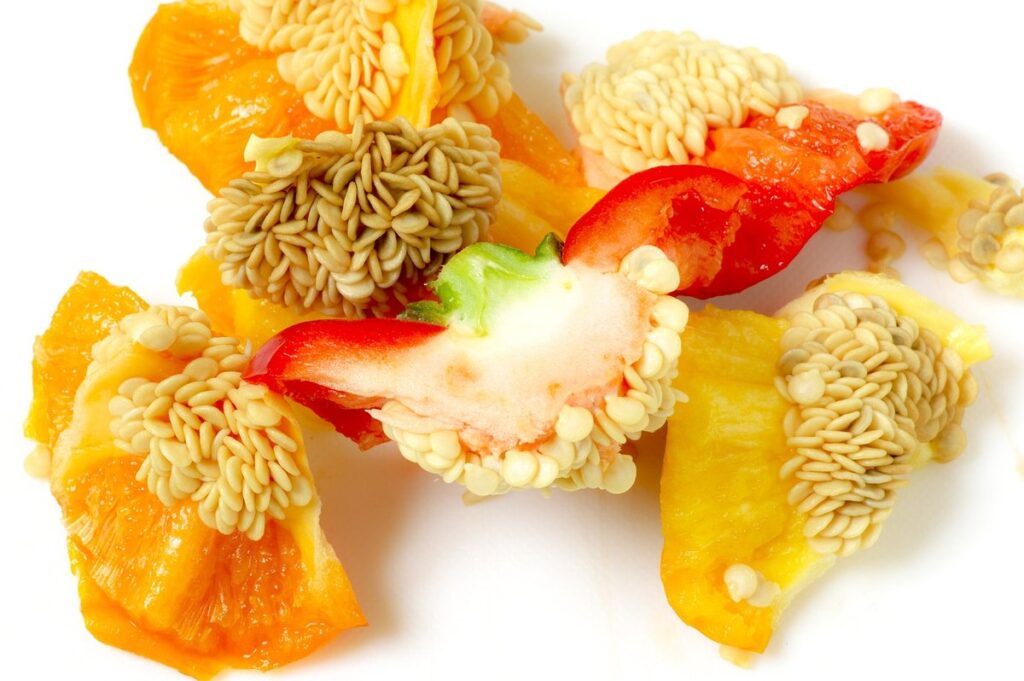
What are Red Ember Pepper Seeds?
Red Ember pepper seeds come from a unique variety of sweet and spicy peppers, offering gardeners an exciting opportunity to grow something new. Let’s dive into what makes these seeds so special.
Characteristics of Red Ember Peppers
The Red Ember pepper variety is a unique addition to any home garden or professional operation. Originating from the southeastern United States, this sweet and slightly smoky pepper has gained popularity for its exceptional flavor profile and moderate heat level.
In terms of taste, Red Ember peppers are known for their sweet, slightly smoky flavor with hints of earthy undertones. They have a moderate heat level, scoring 1,000-2,000 Scoville Heat Units (SHU), making them accessible to those who prefer milder peppers yet still offer a kick.
Their sweet and slightly smoky taste profile makes Red Ember peppers an excellent addition to various dishes. Use them in salads, stir-fries, or as a topping for sandwiches and burgers for added flavor without overpowering other ingredients.
When growing your own Red Ember pepper plants, keep in mind their preference for well-drained soil and full sun exposure. Plant seeds about ¼ inch deep and 12-18 inches apart to ensure optimal growth. With proper care, these peppers will thrive and provide you with an abundance of flavorful fruits to enjoy throughout the season.
Uses and Benefits of Red Ember Peppers
Red Ember peppers are not just visually stunning, but they also bring a burst of flavor and color to various dishes. When used in cooking, these peppers can add an exciting dimension to recipes. They pair particularly well with grilled meats, roasted vegetables, and savory sauces.
In terms of their health benefits, Red Ember peppers contain high levels of antioxidants, vitamin C, and beta-carotene, making them a nutritious addition to your meals. The capsaicin present in these peppers has also been known to have anti-inflammatory properties, which can help alleviate pain and improve digestion.
When using Red Ember peppers in cooking, be sure to handle them carefully as they can cause skin irritation in some individuals. Wearing gloves when chopping or handling the peppers is a good precautionary measure. To maximize their flavor, try adding them towards the end of cooking time so that their heat and color are preserved.
Preparing the Soil for Germination
To ensure healthy germination, it’s crucial that you prepare your soil properly by loosening and aerating it to a depth of at least 8-10 inches. This simple step will make all the difference for your Red Ember pepper seeds!
Choosing the Right Potting Mix
When it comes to growing Red Ember pepper seeds, the right potting mix is crucial for their health and success. A well-draining potting mix helps prevent waterlogged soil, which can be detrimental to young seedlings. Pepper seeds are particularly sensitive to moisture levels, as they require consistent moisture to germinate but can quickly succumb to root rot if overwatered.
To choose the right potting mix for your Red Ember pepper seeds, look for a blend that contains ingredients such as perlite or vermiculite. These additives improve drainage and prevent water from accumulating in the soil. A mix with a slightly acidic pH (around 6.0-7.0) is also suitable for pepper seeds.
Some popular potting mixes for pepper seeds include seed starting mixes, which typically contain a combination of peat moss, vermiculite, and perlite. You can also create your own mix using equal parts compost, perlite, and peat moss. Regardless of the mix you choose, make sure it’s sterile to prevent fungal diseases from affecting your seedlings. By selecting a well-draining potting mix, you’ll be giving your Red Ember pepper seeds the best chance at healthy germination and growth.
pH Balance and Fertilization
When it comes to growing Red Ember pepper seeds, maintaining optimal soil pH is crucial for healthy growth. Peppers prefer a slightly acidic to neutral soil pH, ranging from 6.0 to 7.0. If your soil’s pH falls outside this range, you’ll need to adjust it before planting.
To check your soil’s pH, use a pH meter or send a sample to a lab for analysis. Once you have the results, take steps to adjust the pH if necessary. For example, if your soil is too alkaline (high pH), add elemental sulfur or aluminum sulfate to lower the pH. If it’s too acidic (low pH), mix in some lime to raise it.
Fertilization is also essential for promoting healthy growth and robust pepper plants. Use a balanced fertilizer with equal amounts of nitrogen, phosphorus, and potassium (NPK). Follow the package instructions and apply the recommended amount at planting time, then again 4-6 weeks later.
Sowing and Germinating Red Ember Pepper Seeds
To successfully grow your Red Ember pepper plants, you’ll first need to sow and germinate the seeds correctly. Let’s dive into the step-by-step process for achieving this crucial stage of growth.
Seed Starting Techniques
When it comes to starting your Red Ember pepper seeds, you have two primary methods to choose from: direct sowing and transplanting. Direct sowing involves placing the seeds directly into their final growing position in the garden, usually 1/4 inch deep and about an inch apart. This method is ideal for small spaces or when you don’t want to disturb the soil.
However, if you want more control over the seedlings’ development, transplanting is a better option. Start your seeds indoors 8-10 weeks before the last frost date in your area. Use a well-draining potting mix and keep the soil consistently moist but not waterlogged. Once the seedlings have two sets of leaves, transfer them to individual pots or cell packs.
When direct sowing, be aware that Red Ember peppers can be prone to damping off due to their tender nature. This method is also limited by the amount of space available in your garden.
For transplanting, be cautious not to disturb the roots when handling the seedlings. Use a gentle touch and handle them as little as possible to minimize shock. Once transplanted, keep the area consistently moist until established.
Providing Optimal Conditions for Germination
To ensure successful germination of your Red Ember pepper seeds, you must provide optimal conditions for growth. Temperature plays a crucial role, with most pepper varieties thriving between 75°F to 85°F (24°C to 30°C). However, the ideal temperature can vary slightly depending on the specific seed variety. For Red Ember peppers, aim for a consistent temperature of around 80°F (27°C) during germination.
Humidity is another essential factor, with seeds requiring a moist environment to sprout. Cover the sowing tray or container with a clear plastic bag or cloche to maintain humidity levels around 70-90%. You can also place the tray in a humid microclimate, such as a greenhouse or indoor propagation area.
Light exposure should be minimal during germination, as direct sunlight can cause seedlings to become leggy. Place the sowing tray in a shaded area or provide indirect light by covering it with a translucent sheet. By controlling these environmental conditions, you’ll create an ideal environment for your Red Ember pepper seeds to sprout and grow into healthy seedlings.
Caring for Red Ember Pepper Plants
To keep your Red Ember pepper plants thriving, make sure to water them regularly and provide support as they grow, especially when laden with peppers.
Watering and Irrigation Strategies
When it comes to caring for your Red Ember pepper plants, proper watering and irrigation techniques are crucial to prevent overwatering or underwatering. Overwatering can lead to root rot, while underwatering can cause the plant to become stressed and susceptible to pests.
The ideal watering frequency for Red Ember pepper plants depends on factors such as climate, soil type, and container size. As a general rule of thumb, water your plants when the top 1-2 inches of soil feels dry to the touch. In hot weather or during periods of rapid growth, you may need to water every 2-3 days. However, in cooler weather or during periods of slow growth, you can water less frequently.
To ensure accurate watering, stick a finger into the soil up to the first knuckle. If the soil feels dry, it’s time to water. Water your plants thoroughly until water drains out of the bottom of the pot. Be mindful not to let the plant sit in standing water, which can lead to root rot.
A good rule of thumb is to water your Red Ember pepper plants in the morning, so the plants have the entire day to absorb the water. Avoid watering in the evening, as this can encourage fungal growth and other issues.
Pruning and Training Methods
Pruning and training your Red Ember pepper plants is an essential aspect of their care. Not only does it help improve plant structure, but it also leads to increased yields. By pruning and training, you’ll create a healthier, more productive plant that’s better equipped to handle the demands of fruit production.
To begin with, prune your plants to maintain a bushy shape, removing any weak or spindly growth. This will encourage the plant to focus its energy on producing peppers rather than investing in unnecessary foliage. Next, train your plants using trellises or stakes to keep them upright and promote vertical growth. This will not only save space but also improve air circulation around the leaves, reducing the risk of fungal diseases.
By implementing these simple pruning and training techniques, you’ll be rewarded with healthier, more abundant pepper crops. Remember, a well-pruned plant is a happy plant – and a happy plant yields plenty of delicious Red Ember peppers!
Common Challenges and Pests
When growing red ember pepper seeds, you may encounter a few pesky challenges and unwanted pests that can threaten your harvest. Let’s tackle these common issues head-on together!
Identifying Common Issues with Red Ember Peppers
When growing Red Ember peppers, you may encounter some common issues that can impact their health and productivity. Fungal diseases such as powdery mildew and root rot are potential problems that arise from excess moisture and poor air circulation. To prevent these issues, ensure good soil drainage and provide adequate space between plants to allow for airflow.
Pests like aphids, whiteflies, and spider mites can also infest Red Ember peppers, sucking sap and spreading diseases. Regularly inspect your plants and use neem oil or insecticidal soap to control infestations. Nutrient deficiencies such as nitrogen, iron, or magnesium can affect pepper growth, so monitor soil pH levels and adjust fertilization accordingly.
Some other common issues include sun scorch, which occurs when peppers are exposed to intense sunlight without sufficient shade, and blossom end rot, a condition caused by calcium deficiency that leads to soft, brown spots on the fruit. To mitigate these problems, provide plants with some afternoon shade during peak summer months and maintain optimal soil moisture levels.
Organic Solutions for Pest Control
As you nurture your Red Ember pepper seeds, it’s essential to maintain a balanced ecosystem that promotes healthy plant growth and minimizes the risk of pest infestations. While chemical pesticides may seem like an easy solution, they can harm beneficial insects, pollinators, and even the environment.
Introducing beneficial insects is a great way to manage pests naturally. For example, ladybugs are known to feed on aphids, whiteflies, and other common pepper pests. Encourage these natural predators by planting nectar-rich flowers nearby or using insect hotels. Another effective method is introducing parasitic wasps, which prey on specific pest species.
For more targeted control, consider using neem oil, a plant-based pesticide derived from the seeds of the neem tree. This natural oil disrupts insect growth and development, preventing them from reproducing. Mix neem oil with water according to the label instructions and spray it directly on affected areas or as a preventative measure.
To prevent infestations altogether, maintain good gardening practices such as crop rotation, removing weeds, and ensuring adequate watering and air circulation around your pepper plants.
Harvesting and Storing Red Ember Pepper Seeds
Now that you’ve harvested your red ember peppers, it’s time to collect their seeds for replanting next season. This section will walk you through the process of harvesting and storing those precious seeds.
Determining Maturity and Readiness for Harvest
Determining maturity and readiness for harvest is crucial when growing Red Ember peppers. The process involves monitoring color changes and texture to ensure optimal flavor and quality.
Red Ember peppers typically turn from a greenish-yellow color to their signature deep red hue as they mature. However, some varieties may display a slightly orange or purple tint. Start checking the color change around 90-100 days after transplanting seedlings into larger containers.
As Red Ember peppers ripen, they’ll also undergo changes in texture. Check for slight softening around the stem, and gently tug on the pepper to assess its readiness. Overripe peppers will be noticeably softer and may begin to wrinkle.
To ensure you harvest at the optimal time, inspect your plants regularly during the final stages of growth. Select the most mature-looking peppers, as they’ll have more vibrant coloration and better flavor. Avoid over-handling the fruit, as this can cause damage and compromise quality. By monitoring color change and texture, you’ll be able to identify when Red Ember peppers are ready for harvest.
Storage Methods for Preserving Freshness
Once you’ve harvested your beautiful Red Ember pepper seeds, it’s essential to store them properly to maintain their freshness and flavor. Refrigeration is a great method for short-term storage. Simply place the peppers in an airtight container or plastic bag, making sure to remove as much air as possible before sealing. Store them in the refrigerator at a consistent temperature below 40°F (4°C). This will slow down the ripening process and keep the peppers fresh for up to two weeks.
For longer-term storage, freezing is a great option. You can slice or chop the peppers before freezing to make it easier to use them later. To freeze, place the sliced peppers in an airtight container or freezer bag, removing as much air as possible before sealing. Frozen peppers will retain their flavor and texture for up to six months. When you’re ready to use them, simply thaw the desired amount and use as needed.
It’s also essential to note that freezing can affect the texture of the peppers slightly, making them more prone to softening when thawed. To minimize this effect, it’s best to freeze them in their raw state rather than cooked or roasted. By following these simple storage methods, you’ll be able to enjoy your Red Ember pepper seeds for months to come.
Frequently Asked Questions
Can I grow Red Ember peppers indoors, or do they require direct sunlight?
Yes, you can grow Red Ember peppers indoors, but make sure to provide them with sufficient light – either through direct sunlight or high-quality LED grow lights. This will help maintain their optimal temperature and humidity requirements.
What’s the ideal temperature range for germinating Red Ember pepper seeds?
Red Ember pepper seeds prefer a consistent temperature between 75°F (24°C) and 85°F (29°C) during the day, with a slight drop to around 65°F (18°C) at night. This optimal temperature range will encourage healthy germination.
How do I prevent pests from damaging my Red Ember pepper plants?
Keep an eye out for common garden pests like aphids, whiteflies, and spider mites. Regularly inspect your plants and use organic solutions such as neem oil or insecticidal soap to control infestations. Also, ensure good air circulation around the plants by pruning nearby foliage.
Can I grow multiple varieties of peppers together in the same container?
While it’s technically possible, growing different pepper varieties together can lead to cross-pollination and potentially affect the flavor profile of your Red Ember peppers. To avoid any potential issues, consider growing each variety separately or using a barrier to prevent pollination.
How long will Red Ember pepper seeds remain viable if stored properly?
If stored in an airtight container in a cool, dark place, Red Ember pepper seeds can remain viable for up to 5 years. Make sure to keep them dry and away from direct sunlight to preserve their germination potential.