
Potato leaves and flowers are often overlooked in home gardens, but they offer so much more than just being a byproduct of the popular tuber. Not only do they provide essential nutrients for your plants, but they’re also edible, beautiful additions to any meal or decor. If you’re new to growing potatoes or looking to boost their flavor and yield, understanding how to identify, care for, and utilize these leaves and flowers is crucial. In this article, we’ll explore the ins and outs of potato leaves and flowers, covering topics like how to spot them, tips for keeping them healthy, and creative ways to incorporate them into your cooking, crafts, and even beauty routines. Whether you’re a seasoned gardener or just starting out, learning about the value of these often-overlooked parts of your potatoes can open up new possibilities in the garden and beyond.
Understanding Potato Plant Anatomy
Let’s take a closer look at the intricacies of potato plant anatomy, which is crucial for understanding how leaves and flowers grow. You’ll discover the key components that make up a healthy potato plant.
What are Potato Leaves?
Potato leaves play a crucial role in the overall health and productivity of your potato plants. Their primary function is photosynthesis, which allows them to convert sunlight into energy for the plant. But that’s not all – they’re also responsible for absorbing essential nutrients from the soil, such as nitrogen, potassium, and phosphorus.
Without healthy leaves, your potatoes won’t be able to grow strong and robust. In fact, research has shown that potato plants with well-developed leaves can produce up to 30% more tubers than those with weak or damaged leaves. So, what makes a good potato leaf? Look for ones that are a deep green color, have no signs of yellowing or browning, and are free from any pests or diseases.
To promote healthy leaf growth, make sure your soil is well-draining and rich in organic matter. You can also fertilize your plants with a balanced fertilizer to give them an extra boost. By paying attention to the health of your potato leaves, you’ll be rewarded with a bountiful harvest come harvest time.
How to Identify Healthy Potato Leaves
When inspecting potato leaves, it’s essential to identify signs of healthy growth versus potential issues that may affect yields. Healthy potato leaves typically display a vibrant green color with no signs of discoloration. The texture should be firm and smooth, without any noticeable lesions or soft spots.
In contrast, unhealthy leaves may exhibit yellowing, brown patches, or black spots, often accompanied by a soft, fragile texture. These conditions can indicate nutrient deficiencies, pest infestations, or diseases such as late blight. Be aware that minor damage to leaves won’t necessarily impact yields but can compromise the plant’s overall health.
Keep an eye on growth patterns too – uneven or sparse foliage might signal problems with soil quality or inadequate water supply. Regularly monitoring leaf development allows you to address issues early and make necessary adjustments for optimal plant growth. Inspect your potato plants regularly, noting any changes in color, texture, or growth patterns, and take action promptly if you spot potential problems.
The Role of Flowers in Potato Plants
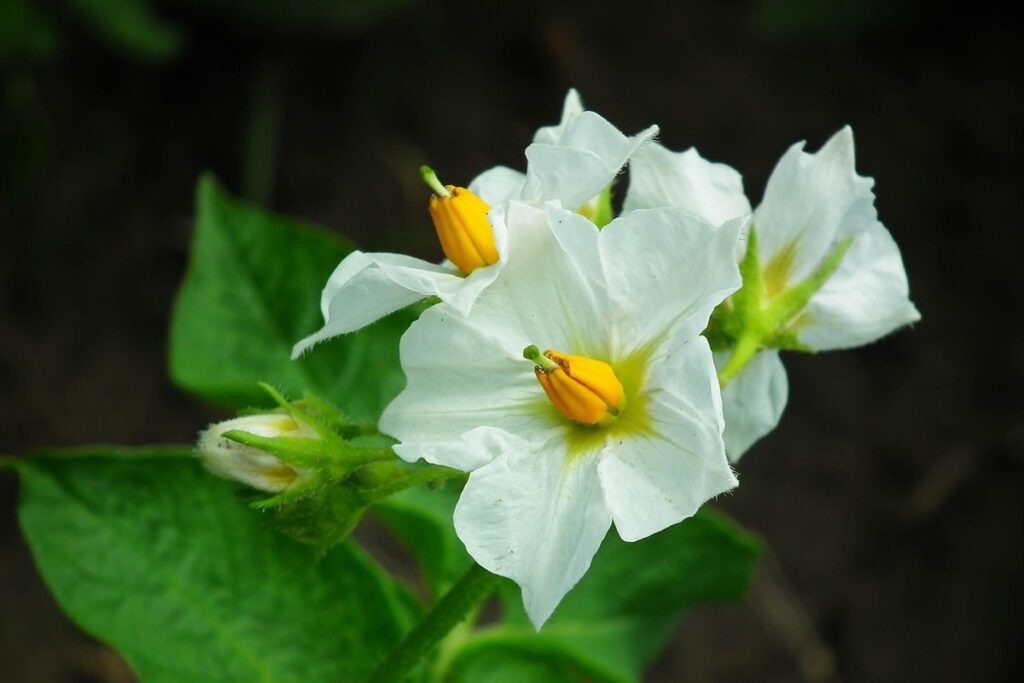
When it comes to understanding potato plant anatomy, one crucial aspect is often overlooked: the role of flowers. Flowers play a vital part in the potato plant’s reproductive cycle, and their presence can significantly impact yields. As you observe your potato plants, you might notice small, inconspicuous flowers emerging from the leaf axils or even on top of the stems.
Different varieties of potatoes produce distinct types of flowers. Some common ones include bell-shaped blooms, star-shaped flowers with five petals, and even trumpet-shaped flowers. The ‘Nicola’ variety, for instance, produces delicate, bell-shaped flowers that are a pale shade of purple. Meanwhile, ‘Maris Piper’ boasts small, white, star-shaped blooms.
These tiny flowers serve as the reproductive organs, responsible for producing seed potatoes. Without them, your potato plants would not be able to set fruit or produce tubers. In fact, it’s only when pollination occurs that the plant begins to redirect its energy towards developing edible tubers instead of seeds. Knowing this, you can take steps to enhance flower production and, subsequently, your crop yields by providing optimal growing conditions and pruning techniques to encourage more blooms.
Growing Conditions for Optimal Flowering
To encourage those stunning potato flowers, you’ll want to understand their specific growing conditions, such as sunlight and soil requirements. Let’s dive into what makes a perfect environment.
Factors Influencing Flower Production
When it comes to promoting healthy flower production in potato plants, several key factors come into play. Temperature, for instance, plays a crucial role in determining the optimal flowering conditions for potatoes. Ideally, temperatures ranging from 18-24°C (64-75°F) encourage flowering, whereas temperatures outside this range can lead to stunted or delayed flowering.
Sunlight also has a significant impact on flower production. Potatoes require at least six hours of direct sunlight per day to produce an abundance of flowers. This is why growers often opt for south-facing locations where the potatoes receive maximum sunlight throughout the day. However, it’s essential to note that intense sunlight can lead to sunscald, which should be monitored closely.
Water and nutrient requirements are also vital in promoting healthy flower production. Potatoes need consistent moisture levels, especially when flowering. A well-draining soil mix with adequate nutrient content is crucial for producing vibrant flowers. Growers often apply a balanced fertilizer 2-3 weeks prior to anticipated flowering to provide the necessary nutrients for optimal growth.
In terms of specific advice, growers should ensure that their potato plants receive at least an inch of water per week. A drip irrigation system can help achieve this while reducing the risk of overwatering.
Soil Quality and pH Requirements
When it comes to growing potato leaves and flowers, soil quality is often an afterthought. However, it’s essential for optimal flowering and overall plant health. The pH level of the soil plays a significant role in nutrient availability and uptake by the plant.
Potatoes prefer a slightly acidic to neutral soil pH, ranging from 4.5 to 7.0. If your soil is too alkaline or acidic, it can lead to nutrient deficiencies, reduced yields, and poor flowering. For example, if the soil pH is too high (above 7.0), phosphorus availability decreases, which can affect flower formation.
To ensure optimal growing conditions, test your soil pH regularly. Most garden centers offer DIY testing kits or send samples to a lab for analysis. Based on the results, adjust your soil accordingly by adding lime to raise the pH or sulfur to lower it. Additionally, incorporate organic matter like compost or well-rotted manure to improve soil structure and fertility.
Keep in mind that potatoes are sensitive to extreme pH fluctuations. Aim for a stable pH range to promote healthy growth and abundant flowering. By paying attention to your soil’s pH level, you’ll be well on your way to growing vibrant potato leaves and stunning flowers.
Managing Stress for Healthy Flowers
When it comes to growing healthy flowers on potato leaves, managing stress is crucial for optimal flowering. Common stressors that can impact flower development include pests like aphids, whiteflies, and spider mites, which feed on plant sap and weaken the plant’s ability to produce flowers. Diseases such as powdery mildew, late blight, and scab can also cause significant stress, reducing plant vigor and flower production.
To mitigate these issues, keep your potato plants well-watered but not waterlogged, as this can attract pests and create an ideal environment for disease development. Regularly inspect your plants for signs of infestation or infection, and use organic or integrated pest management (IPM) techniques to control any problems you find. For example, introducing beneficial insects like ladybugs or lacewings can help control aphid populations naturally.
Fungal diseases can be managed with fungicides specifically labeled for use on potatoes, but make sure to follow the label instructions carefully and take steps to prevent disease development in the first place. This includes removing any infected leaves or stems, improving air circulation around your plants, and maintaining good hygiene practices when handling plants.
Common Problems with Potato Leaves and Flowers
As you grow your potato plants, you may encounter some unexpected issues with their leaves and flowers – let’s tackle some of the most common problems. We’ll explore the solutions to these challenges together.
Pests Affecting Leaf and Flower Health
Potato leaves and flowers are susceptible to various pests that can compromise their health. Among the most common culprits are aphids, whiteflies, and spider mites. These tiny insects feed on plant sap, causing curled or distorted leaves and stunted growth.
Aphids, in particular, are a nuisance for potato growers. They multiply rapidly, producing sticky honeydew that attracts ants and promotes fungal growth. To control aphid infestations, use neem oil or insecticidal soap to suffocate the insects. Prune infested areas, and introduce natural predators like ladybugs or lacewings.
Whiteflies are another problem for potato leaves and flowers. Their feeding activities lead to yellowing leaves and reduced plant vigor. Spray whitefly-killing products containing pyrethrin or neem oil during early morning or evening when the insects are most active.
Spider mites are microscopic arachnids that weave fine webs on plant surfaces. To manage spider mite infestations, increase humidity around the plants to discourage web-spinning and apply targeted pesticides like miticides.
Fungal Diseases Impacting Leaf and Flower Production
Fungal diseases are a major threat to potato leaf and flower production, causing significant damage to crops worldwide. Late blight (Phytophthora infestans) and early blight (Alternaria solani) are two of the most common fungal diseases affecting potatoes. These diseases can spread rapidly, especially in warm and humid conditions, making them challenging to control.
Symptoms of late blight include yellowing leaves, black spots, and a white powdery growth on the undersides of leaves. In severe cases, the entire plant can be killed, leading to significant yield loss. Early blight, on the other hand, typically appears as small, dark brown lesions on older leaves.
To manage these diseases, it’s essential to adopt integrated pest management strategies. This includes removing infected plants, maintaining good air circulation, and using fungicides only when necessary. Crop rotation, adjusting watering schedules, and selecting resistant varieties can also help mitigate the impact of fungal diseases. By being proactive and taking a holistic approach to disease management, you can minimize the risk of fungal infections and promote healthy potato growth.
Viral Diseases Affecting Leaf and Flower Growth
When it comes to potato leaves and flowers, viral diseases can be a significant concern. One of the most common viral diseases affecting leaf and flower growth is tobacco rattle virus (TRV). This disease is highly contagious and can spread quickly through contaminated soil, tools, or even insects.
Symptoms of TRV infection may include stunted plant growth, distorted leaves, and reduced flowering. Infected plants may also exhibit yellowing or bronzing of the leaves, and in severe cases, the entire plant can die back. In terms of flower development, TRV-infected plants are often characterized by reduced or distorted flowers.
To prevent the spread of TRV, it’s essential to maintain good hygiene practices when working with infected plants. This includes washing your hands thoroughly after handling affected plants and disinfecting any tools that come into contact with them. It’s also crucial to identify the disease early on, as prompt removal and destruction of infected plants can help prevent further spread.
Regular monitoring and testing for TRV can also be an effective preventive measure.
Harvesting and Using Potato Flowers
Now that we’ve explored their beauty, let’s dive into how you can make the most of potato flowers by harvesting them for culinary use. We’ll share some practical tips on when and how to use these delicate blooms in your cooking.
Edibility and Culinary Uses of Potato Flowers
Potato flowers are not only a delight to behold but also offer a world of flavors and culinary possibilities. In many parts of the world, including Eastern Europe, Asia, and Latin America, potato flowers are considered a delicacy and are used in various traditional dishes.
One of the most popular ways to use potato flowers is in salads, where they add a delicate crunch and subtle flavor to the mix. Simply pick the flowers when they’re still closed, dip them in a light batter, and fry until crispy for a delicious garnish or side dish. In some Eastern European countries, potato flower soup is a staple during springtime, made by simmering the flowers in chicken broth with onions and garlic.
When it comes to recipes, potato flowers pair well with herbs like parsley, dill, and chives, as well as citrus flavors like lemon and orange. They can also be used as a substitute for violas or pansies in baked goods, adding a floral and slightly sweet note to cakes and tarts.
Crafting with Potato Flowers
Potato flowers are not only a delicious addition to many meals, but they also have a multitude of uses beyond the kitchen. One creative way to utilize these vibrant blooms is by incorporating them into crafts. Imagine transforming them into fragrant potpourri or stunning wreaths that add a touch of rustic charm to your home.
To create potpourri with potato flowers, simply gather a selection of fresh blooms and combine them with other dried ingredients like lavender, rose petals, and cinnamon. You can also add some decorative elements like shells or pinecones for extra visual interest. To make it even more fragrant, you can mix in some essential oils like lemon or eucalyptus.
When crafting wreaths, you can use the entire potato flower as a focal point, or simply use the petals to create a beautiful, delicate design. Consider pairing them with other natural elements like twigs, leaves, and berries for added texture and depth. To make your wreath more durable, apply a clear coat of varnish or spray adhesive after it’s complete.
Preserving Potato Leaves and Flowers
Preserving potato leaves and flowers can be just as rewarding as eating them fresh. If you’ve fallen in love with their unique flavors and textures, you’ll want to enjoy them year-round. To do this, consider the following preservation methods.
Drying is a great way to preserve potato leaves and flowers for future use in teas, soups, or as a flavorful addition to recipes. Simply tie the leaves or flowers in small bunches and hang them upside down in a warm, dry place. You can also use a food dehydrator to speed up the process.
Freezing is another option, especially if you want to preserve the delicate petals of potato flowers. Rinse the flowers gently and pat them dry before placing them on a baking sheet lined with parchment paper. Put the sheet in the freezer until the petals are frozen solid, then transfer them to an airtight container or freezer bag.
Pickling is a fun way to add some tanginess to your preserved potato leaves and flowers. Simply slice the leaves thinly, pack them into a jar with some vinegar, salt, and spices, and let it sit in the fridge for a few days. The result is a delicious side dish or topping for salads.
Conclusion
As we’ve explored the fascinating world of potato leaves and flowers, it’s likely that you’re left with more questions than answers. Perhaps you’re wondering how to encourage your potatoes to produce flowers or how to care for these unusual blooms. Don’t worry – it’s normal! With a little patience and practice, you’ll be growing thriving plants in no time. Remember, the key to success lies in understanding the unique needs of your potato variety.
Consider planting multiple varieties together to create a diverse and vibrant display. This approach not only adds visual interest but also encourages cross-pollination and healthy growth. As for maintenance, ensure your plants receive plenty of sunlight, water, and nutrients. By doing so, you’ll be rewarded with an abundance of delicious tubers and stunning flowers that will add a touch of elegance to your garden or indoor space.
Frequently Asked Questions
Can I harvest potato leaves for continuous growth, or will this affect the yield of my tubers?
You can harvest potato leaves continuously, but it’s essential to balance your needs with the plant’s requirements. Harvesting a few leaves at a time won’t significantly impact tuber yield, but over-harvesting can weaken the plant. Aim to remove no more than one-third of the leaf canopy at any given time.
How do I know when potato flowers are ready for harvesting?
Potato flowers typically bloom in late spring or early summer. To determine if they’re ready for harvesting, inspect the buds for a slight yellow or purple tint around the edges. Gently twist and pull the flower off the stem, taking care not to damage the plant.
Can I use potato leaves in place of other leafy greens in recipes?
Yes, potato leaves can be used as a substitute for other leafy greens like spinach or kale in most recipes. However, their flavor profile is slightly sweet and earthy, so you may need to adjust seasoning accordingly.
Are there any specific growing conditions that promote healthy flowering in potatoes?
Yes, provide your potato plants with well-draining soil, full sun to partial shade, and maintain a consistent moisture level. Avoid over-fertilizing, as this can lead to weak and spindly growth. Additionally, ensure the temperature remains between 60°F (15°C) and 70°F (21°C) for optimal flowering.
How do I preserve potato flowers for later use in crafts or culinary projects?
To preserve potato flowers, gently dry them between two paper towels or a clean cloth to remove excess moisture. Then, tie them in small bunches and hang upside down in a warm, dry place. Once completely dry, store the preserved flowers in an airtight container for future use.