
If you’re like many city dwellers, your outdoor space is often shrouded in shade, making it difficult to create a vibrant and inviting oasis. But don’t let limited sunlight stop you from designing a beautiful garden that brings life and relaxation to your home. Shady garden layouts are not only perfect for urban spaces, but they’re also an excellent way to reduce water consumption and create a sustainable outdoor environment.
In this article, we’ll show you how to make the most of your shaded areas by sharing expert tips on designing and maintaining stunning shady garden layouts. From choosing the right plants to incorporating creative lighting solutions, we’ll cover everything you need to know to create a peaceful retreat that’s both beautiful and eco-friendly. Whether you’re a seasoned gardener or just starting out, this article will inspire you to transform your shaded space into a haven of tranquility.
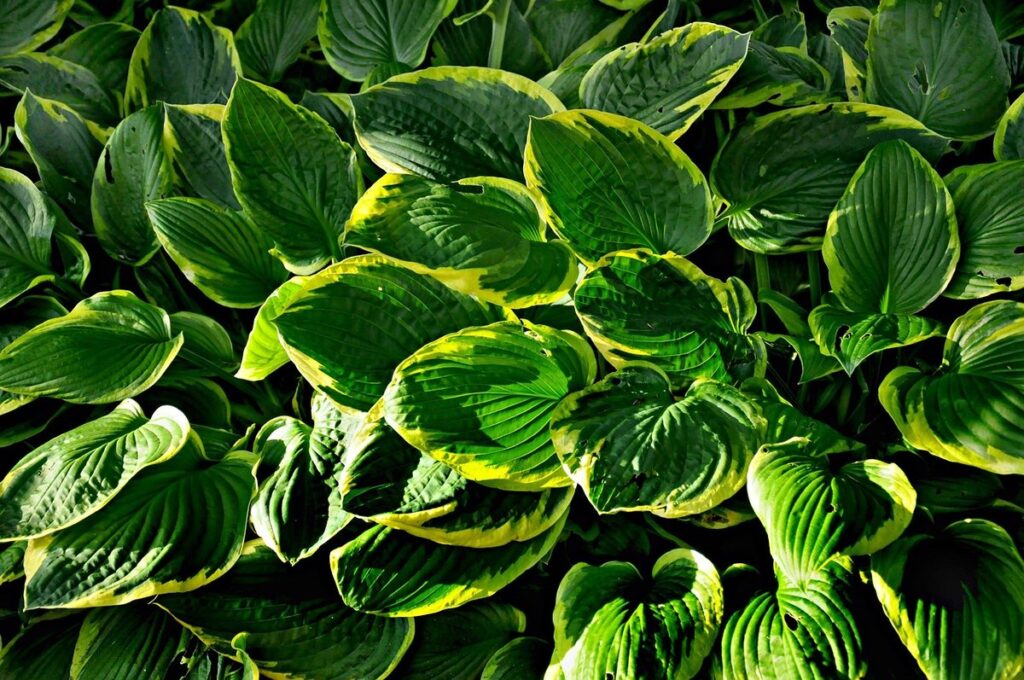
The Importance of Shady Garden Layouts
When planning a shady garden, choosing the right layout can make all the difference in creating a lush, vibrant space that thrives despite limited sunlight. A well-designed layout is key to success.
Creating a Rationale for Shady Spaces
When designing a shady garden layout, it’s essential to create a compelling rationale for why this space is necessary and beneficial. In urban areas where sunlight is scarce, these spaces can be a haven for relaxation and recreation. By incorporating elements such as water features, seating areas, and lush vegetation, you can transform an underutilized corner of your yard into an oasis.
Not only do shady garden layouts provide a peaceful retreat from the hustle and bustle of city life, but they also offer opportunities to reduce energy consumption. Consider adding solar screens or shades to block direct sunlight during peak hours, which can help lower cooling costs in the summer months. Alternatively, use this space as a hub for outdoor activities like reading, yoga, or gardening. To maximize its potential, choose plants that thrive in shade, such as ferns, hostas, and hydrangeas, and incorporate a mix of textures and colors to create visual interest.
By creating a rationale for your shady garden layout, you can justify the time and resources needed to maintain it, and reap the rewards of this unique outdoor space.
Understanding the Benefits and Challenges of Shade Gardening
When it comes to shade gardening, there are numerous benefits that make it an attractive option for gardeners. For one, reduced soil temperature and moisture loss can greatly benefit plants, reducing the need for frequent watering and minimizing the risk of root rot. Additionally, shade gardens often require less maintenance than their sun-kissed counterparts, as plants are less susceptible to heat stress and scorching.
However, it’s not all sunshine and rainbows when it comes to shade gardening. Poor air circulation can be a major challenge, creating an environment that fosters fungal diseases and pest infestations. This is particularly true for plants with dense foliage or those that are prone to disease, such as ferns and hostas. To mitigate this issue, consider incorporating structural elements like trellises or arbors to create pathways for air to circulate through the garden.
Increased pest pressure is another common challenge faced by shade gardeners. With reduced sunlight, pests like slugs and snails can thrive in these environments. Regularly inspecting your plants and using targeted control methods can help minimize damage, but it’s essential to take a holistic approach that incorporates natural deterrents like companion planting and beneficial insects.
Designing Effective Shady Garden Layouts
When designing a shady garden layout, it’s essential to consider the unique conditions of your space and select plants that thrive in shade. This section will walk you through the key steps to create a beautiful and thriving shaded oasis.
Considering Light Penetration and Shading Patterns
When designing an effective shady garden layout, it’s essential to consider light penetration and shading patterns. To begin, you’ll need to assess the amount of sunlight that filters through the trees and other foliage in your garden. One way to do this is by using a sunlight meter or downloading an app like Sun Seeker or Solar Meter that can help you map out the light levels throughout the day.
Different types of shade have distinct effects on plants, so it’s crucial to identify which type of shading pattern your garden falls under. Dappled shade, for instance, features scattered spots of direct sunlight and is ideal for plants like ferns and hostas that thrive in partially shaded conditions. Partial shade, on the other hand, receives indirect sunlight but is not completely shaded out – this is perfect for plants like impatiens and coleus that require some direct sun to photosynthesize.
Understanding these shading patterns will help you choose the right plants for your garden and create a beautiful and thriving shady oasis.
Selecting Plants for Shady Spaces
When it comes to selecting plants for shady spaces, you have a wide range of options that thrive in different levels of shade. To start, consider native species that are naturally adapted to the local climate and soil conditions. These plants not only require less maintenance but also provide valuable habitat for local wildlife.
For shade-tolerant perennials, look for varieties like astilbe, hostas, and ferns. These plants come in a variety of colors and textures, making them perfect for adding depth and interest to your shady garden. They also tend to be low-maintenance and can thrive with minimal watering and fertilization.
Flowering shrubs are another excellent choice for shady spaces. Hydrangea, rhododendron, and azalea are all great options that produce beautiful blooms even in deep shade. When selecting flowering shrubs, choose varieties that bloom at different times to ensure a constant display of color throughout the growing season.
When incorporating plants into your shady garden layout, be mindful of their mature size and growth habits to avoid overcrowding and ensure proper air circulation. With so many options available, you’re sure to find the perfect combination of plants to bring beauty and life to your shaded space.
Key Elements of a Well-Designed Shady Garden
When designing your shady garden, it’s essential to focus on key elements that will create a beautiful and functional space. These critical components include choosing the right plants, layout, and hardscaping features.
Incorporating Hardscaping Features
When it comes to designing a shady garden, incorporating hardscaping features is essential for creating an inviting and functional outdoor space. Hardscaping elements like patios, walkways, and retaining walls not only add visual interest but also serve practical purposes. For instance, a well-designed patio can become the heart of your outdoor living area, perfect for lounging, dining, or entertaining guests.
To enhance the aesthetic appeal of your shady garden, consider incorporating decorative hardscaping features such as stone or brick pathways, which can lead visitors through the space and create a sense of discovery. Retaining walls, on the other hand, can help control soil erosion, define different levels within the garden, and even create vertical gardens for added interest.
In terms of functionality, hardscaping features like outdoor lighting, water features, or built-in planters can transform your shady garden into a relaxing oasis that’s perfect for unwinding after a long day. By incorporating these elements thoughtfully, you can create a beautiful and functional space that showcases your personal style and meets the unique needs of your home and family.
Water Features and Their Role in Shady Gardens
Incorporating water features into your shady garden can have a profound impact on its ambiance and wildlife appeal. A pond or fountain can create a soothing atmosphere by producing a gentle background noise that masks the sounds of the city, making it easier to relax amidst nature.
When selecting a location for your water feature, consider placing it in an area with direct sunlight, as this will help prevent algae growth and keep the water clean. You’ll also want to choose a spot with a stable ground level to avoid any potential water damage or erosion.
By incorporating plants that thrive in shade and near water, such as cattails or irises, you can attract wildlife like birds, frogs, and even fish to your garden. For example, installing a shallow area of the pond specifically for dragonfly nymphs will provide a haven for these beneficial insects.
Some popular options for small-scale water features include self-contained ponds, tabletop fountains, or even solar-powered bird baths. These can be easily integrated into existing shady gardens and don’t require extensive maintenance or engineering expertise.
Tips for Maintaining Shady Garden Layouts
As you nurture your shady garden, it’s essential to remember that regular maintenance is key to keeping its beauty intact. To ensure long-term success, follow these practical tips for upkeep and renewal.
Mulching and Weeding Strategies
Mulching is an essential component of maintaining a healthy shady garden. It serves multiple purposes: retaining moisture, suppressing weeds, and regulating soil temperature. Organic mulches such as wood chips, bark, and leaf mold work well for shade gardens because they are dense enough to prevent weed growth but not so dense that they create waterlogged conditions. When choosing a mulch, select one with a pH close to your garden’s native soil pH to avoid disrupting the ecosystem.
To effectively use mulch in your shady garden, apply it at a depth of 2-3 inches and reapply as necessary. A good mulching technique is to create a “mulch volcano” around plants by piling the mulch up against their stems, leaving a narrow border for growth.
Weed management is another key aspect of shady garden maintenance. Options range from hand-weeding, which can be time-consuming but effective, to using tool-based weeding methods like a hoe or cultivator. Consider incorporating groundcovers into your design; they suppress weeds by crowding them out and creating shade on the soil surface.
When choosing a groundcover for your shade garden, select one that thrives in low-light conditions. Examples include vinca minor (periwinkle), ajuga reptans (bugleweed), or pachysandra (Japanese spurge).
Pruning and Training Techniques
In shady gardens, pruning and training techniques are crucial to maintaining the shape of plants, promoting healthy growth, and encouraging flowering. Pruning helps control the size and shape of plants, removing dead or diseased branches that can harbor pests and diseases.
When pruning in shady gardens, focus on selective removal rather than cutting back entire stems. This approach promotes new growth while minimizing shock to the plant. For example, remove any weak or damaged leaves from hostas and ferns, allowing them to focus energy on healthy growth. When training plants, use trellises or supports to guide vines like clematis and honeysuckle towards desired directions.
Regular pruning also encourages flowering in many shade-loving plants. For instance, deadheading spent blooms from astilbe and daylilies stimulates new flower production throughout the growing season. Train climbing plants to grow up trellises or arbors, rather than sprawling across the ground, to maintain a tidy appearance and make the most of available space.
By incorporating pruning and training into your shady garden maintenance routine, you’ll be able to enjoy the best growth and flowering from your shade-loving plants.
Shady Garden Layout Ideas and Inspiration
Imagine transforming your yard into a lush oasis, where shade-loving plants thrive under trees or structures. We’ll show you how to create stunning shady garden layouts that bring serenity and beauty to your outdoor space.
Case Studies: Successful Shady Garden Designs
Here are some case studies of well-designed shady gardens that showcase innovative ideas for plant selection, hardscaping features, and water features. Let’s take a look at these inspiring spaces to gather inspiration for our own shady garden designs.
The first case study is the “Moonlit Garden” designed by landscape architect Emily Thompson. This tranquil oasis in the city features a diverse range of plants that thrive in shade, including ferns, hostas, and astilbe. The garden’s focal point is a stunning water feature – a small pond with a fountain that creates a soothing melody. To add visual interest, Thompson incorporated hardscaping elements such as flagstone pathways and a large boulder, creating a sense of movement through the space.
Another notable example is the “Shady Oasis” designed by gardener and designer Sarah Jenkins. This garden features a mix of native plants and ornamentals that provide year-round interest, including flowering perennials, shrubs, and trees. The space also incorporates a small seating area and a built-in bench, perfect for relaxing in the shade on warm summer days.
By studying these successful shady garden designs, we can gain valuable insights into how to create our own beautiful and functional shade gardens. For instance, we can learn about the importance of choosing plants that thrive in shade, incorporating water features to enhance the ambiance, and using hardscaping elements to create visual interest and define different areas within the space.
DIY Projects for Enhancing Your Shady Garden
Take Your Shady Garden to the Next Level with These DIY Projects
One of the best things about having a shady garden is that it provides endless opportunities for creative expression and hands-on projects. To make the most of your shaded oasis, consider building or installing these DIY essentials:
A birdhouse or two (or three!) will not only provide a safe haven for birds but also add visual interest to your garden. You can use reclaimed wood, paint it in vibrant colors, and hang it from a sturdy branch. It’s an easy way to attract wildlife and create a sense of movement.
Another excellent DIY project is installing a rain barrel or two. Not only will this help you conserve water by collecting and storing rainfall, but it’ll also provide a unique focal point for your garden. You can even add plants that thrive in shaded conditions around the barrel.
Consider adding a trellis or arbor to create vertical space for climbing plants like ivy or clematis. This will not only draw the eye upwards but also create a sense of depth and mystery.
Conclusion: Embracing the Beauty of Shady Gardens
As we conclude our journey through designing and maintaining beautiful shade gardens, let’s take a moment to appreciate the unique beauty that only a well-planned shady garden can bring.
Recap of Key Takeaways
As we conclude our exploration of shady garden layouts, let’s recap the key takeaways to ensure you’re well-equipped to design and maintain a beautiful shade garden.
Firstly, it’s essential to choose plants that thrive in low-light conditions. From hostas and ferns to astilbe and hellebores, there are countless options for adding color and texture to your shady space. By selecting plants with varying growth habits and bloom times, you’ll create a dynamic and engaging landscape.
Remember to consider the 60-30-10 rule: allocate 60% of your budget to structural elements like trees and shrubs, 30% to filler plants like groundcovers and perennials, and 10% to decorative accents. This balanced approach will yield a harmonious and visually appealing space.
Lastly, don’t forget the importance of layering in your shade garden design. Incorporate tall plants like trees or large shrubs as the foundation, followed by mid-level plants like perennials and groundcovers, and finish with shorter plants like ferns and mosses to add depth and visual interest. By incorporating these key elements, you’ll create a stunning and functional shady garden that brings joy and serenity to your outdoor space.
Final Thoughts on Shady Garden Design
As we conclude our exploration of shady garden layouts, remember that these hidden gems offer more than just respite from the sun. They present a unique opportunity to get creative with design, exploiting the challenges of shade as a chance to innovate and experiment.
Consider incorporating water features like fountains or birdbaths, which not only create soothing sounds but also attract wildlife to your garden. Alternatively, focus on texture by combining plants with varying foliage types – from delicate ferns to lush hostas – to add depth and visual interest.
Remember, the key to a successful shady garden is understanding its specific needs and preferences. Experiment with different layouts and designs until you find one that suits your space and style. Don’t be afraid to try new combinations of plants or materials – after all, it’s in the trying that we discover what truly works for us.
By embracing the unique benefits of shady garden layouts, you can create a haven that’s both beautiful and functional, providing a peaceful retreat from the world outside.
Frequently Asked Questions
What’s the ideal time of year for implementing a shady garden layout?
Conducting a shady garden makeover during the dormant season (typically winter or early spring) is often best, as it allows you to assess the space without foliage and make informed decisions about plant selection and hardscaping. This timeframe also enables you to complete renovations before new growth begins.
Can I use the same plants in both sunny and shady areas of my garden?
While some plants can tolerate varying light conditions, it’s essential to choose species that are specifically adapted to shade or partial shade. Sun-loving plants may struggle or even die in low-light environments, so select plants that thrive in your specific shaded area.
How do I measure the amount of light penetrating into my shaded space?
To determine the optimal layout for your shady garden, assess the light penetration by using a simple tool like a solar meter or a stick with a small white paper clip attached. Measure the duration and intensity of sunlight at different times of day to create an accurate picture of your shaded area’s lighting conditions.
What are some creative ways to repurpose old furniture in my shady garden?
Breathe new life into old pieces by adapting them for use in your shaded space! Consider repurposing wooden planters, benches, or even a vintage door as a planter box. You can also upcycle outdoor items like metal lanterns, umbrellas, or wind chimes to add visual interest and ambiance.
Can I mix native plants with non-native species in my shady garden?
While incorporating native plants is beneficial for local ecosystems, it’s not necessary to exclusively use them in your shady garden. However, do ensure that any non-native species are well-suited to the specific shade conditions and don’t pose a risk to the surrounding environment or neighboring gardens.