
Are you ready to spice up your life with the perfect blend of heat and flavor? Medium spicy peppers are an excellent choice for anyone looking to add some excitement to their meals without overwhelming their taste buds. Whether you’re a seasoned chef or a culinary newbie, understanding medium spicy peppers is essential to unlocking a world of flavors.
In this ultimate guide, we’ll take you on a journey through the wonderful world of medium spicy peppers. We’ll explore the varying heat levels, from sweet and subtle to fiery and full-bodied, so you can find the perfect match for your taste preferences. You’ll also learn expert cooking techniques, discover the surprising health benefits, and even get tips on how to grow these incredible plants in your own garden. Get ready to ignite your passion for peppers!
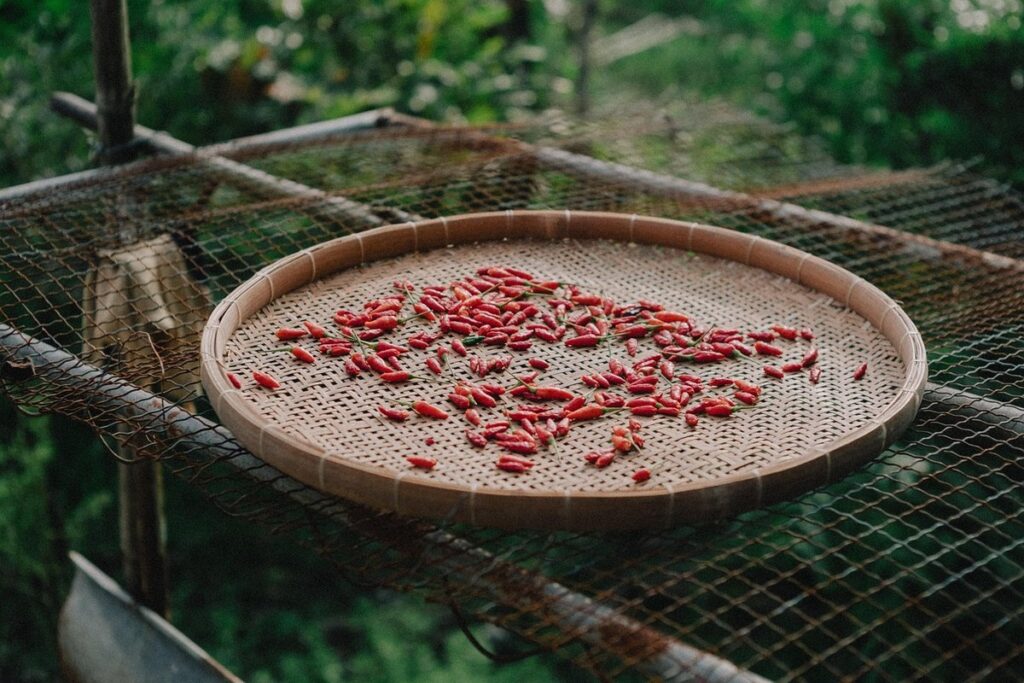
Understanding Medium Spicy Peppers
Let’s dive into the fascinating world of medium spicy peppers, where you’ll learn about their unique characteristics and nuances that set them apart from their milder or hotter counterparts.
What Are Medium Spicy Peppers?
Medium spicy peppers are a staple in many cuisines around the world, offering a balance of flavor and heat that’s hard to resist. But what exactly defines a medium spicy pepper? Simply put, it’s a pepper that falls somewhere between mild and hot on the Scoville scale – the standard measure of a pepper’s pungency.
To understand the origin of medium spicy peppers, let’s take a brief look at their history. Many varieties, such as jalapeños, Anaheim peppers, and Poblano peppers, originated in Central and South America where they were cultivated for centuries by indigenous peoples. These early peppers were prized not only for their flavor but also for their medicinal properties.
Today, medium spicy peppers continue to be a favorite among chefs and home cooks due to their versatility. They add depth to dishes without overwhelming the palate, making them an excellent choice for those who prefer a moderate level of heat. Whether you’re looking to spice up your cooking or simply want to try something new, understanding what makes a pepper medium spicy is key.
Scoville Heat Units (SHU) Explained
When it comes to measuring the heat of peppers, one common unit is used: Scoville Heat Units (SHU). Developed by Wilbur Scoville in 1912, this scale rates peppers based on their capsaicin content, which is responsible for the burning sensation we experience when eating spicy foods. Capsaicin is a chemical compound that binds to pain receptors on our tongues, sending a signal to the brain that can be perceived as heat.
The SHU scale ranges from 0 SHU (bell peppers) to over 2 million SHU (some hot sauces). Medium spicy peppers typically fall within the range of 1,000 to 30,000 SHU. For comparison, jalapeno peppers average around 2,500-8,000 SHU, while Anaheim peppers clock in at 500-2,000 SHU. Examples of medium spicy pepper varieties include guajillo (2,500-5,000 SHU), New Mexico green chile (1,000-3,000 SHU), and poblano (1,000-2,000 SHU). If you’re new to cooking with peppers or looking for a balance between flavor and heat, these varieties are great starting points.
Types of Medium Spicy Peppers
Let’s dive into some popular types of medium spicy peppers that you’ll love adding to your recipes, from the sweet and smoky Anaheim pepper to the fruity Poblano.
Sweet and Smoky Flavors – Bell Pepper Varieties
When exploring the world of medium spicy peppers, it’s easy to overlook their sweeter counterparts – the bell peppers. But, these sweet and smoky-flavored varieties are a game-changer for adding depth and complexity to dishes. Let’s take a closer look at some popular bell pepper varieties that’ll elevate your cooking.
One of our favorites is the ‘Patio’ variety. These compact plants produce an abundance of small, blocky peppers with a sweet, slightly smoky flavor. They’re perfect for snacking, salads, and stir-fries. Another standout is the ‘Tiny Tim’, which boasts a rich, almost velvety texture and a subtle sweetness.
Incorporating bell peppers into your meals can also have a positive impact on your health. Rich in vitamins A and C, they provide a boost of antioxidants that help combat cell damage and inflammation. Plus, their high fiber content supports healthy digestion and satiety. To get the most out of these sweet and smoky flavors, try roasting or grilling them to bring out their natural sweetness. Simply toss with olive oil, salt, and pepper, and enjoy as a side dish or add to your favorite recipes for an instant flavor boost.
Crunchy and Snappy – Poblano and Anaheim Peppers
When it comes to medium spicy peppers, poblano and Anaheim peppers are two of the most popular choices for adding crunch and snappiness to dishes. Originating from Mexico and California respectively, these peppers have a unique set of characteristics that make them stand out from other varieties.
Poblano peppers have a rich, earthy flavor and a firm, crunchy texture that makes them perfect for roasting or grilling. They also have a moderate level of heat, ranging from 1,000 to 2,000 Scoville Heat Units (SHU). Anaheim peppers, on the other hand, are known for their sweet, slightly smoky flavor and a snappy crunch that adds depth to any dish.
To showcase the unique qualities of poblano and Anaheim peppers, try incorporating them into your favorite recipes. For example, stuff poblano peppers with cheese or beans and bake until tender for a flavorful main course. Alternatively, slice Anaheim peppers thinly and add them to a stir-fry or sauté them with garlic as a side dish.
These peppers are also versatile in various cuisines, such as Mexican, Southwestern, and California-style cooking. Experiment with different seasonings and marinades to bring out their natural flavors and heat levels. With poblano and Anaheim peppers, you can add a satisfying crunch and snappiness to your dishes while keeping the spice level just right.
Cooking with Medium Spicy Peppers
When cooking with medium spicy peppers, you want to balance their heat with flavor and texture. Here are some tips for infusing your dishes with just the right amount of pepper zing.
Roasting and Grilling for Enhanced Flavor
When working with medium spicy peppers, one of the best ways to unlock their full flavor potential is by roasting or grilling them. These techniques not only add a smoky depth to the peppers but also bring out their natural sweetness. To start, select peppers that are firm and have no visible signs of soft spots.
Begin by peeling the peppers to remove the skin, which can be easily done after they’ve been charred in a hot oven or on the grill. Chop or slice them into your desired shape, depending on how you want them to fit into your recipe. One great tip is to roast the peppers over an open flame or on a gas grill, as this will give them a nice caramelized flavor.
Some popular methods for roasting and grilling medium spicy peppers include wrapping them in foil and baking at 400°F (200°C) for about 30-40 minutes, or placing them directly on the grill over medium heat for about 5-7 minutes per side.
Adding Heat to Sauces and Soups
Adding heat to sauces and soups is where medium spicy peppers truly shine. They add depth, complexity, and a subtle kick that elevates even the most basic recipes into something extraordinary.
When it comes to marinara sauce, for example, adding sliced or diced medium spicy peppers during the last 10-15 minutes of simmering can create a flavor explosion. The sweetness of the tomatoes is perfectly balanced by the mild heat of the peppers. Try using Anaheim or Poblano peppers in your next homemade pasta sauce.
For creamy broths, such as tomato soup or creamy soups like butternut squash, you can puree roasted medium spicy peppers with some chicken or vegetable broth to create a rich and velvety texture. This adds an incredible layer of flavor without overpowering the other ingredients.
Some popular recipes that showcase the versatility of medium spicy peppers in sauces and soups include:
• Spicy Tomato Soup: pureed cooked tomatoes, medium spicy peppers, onions, garlic, and heavy cream come together for a comforting yet spicy soup
• Poblano Crusted Chicken Tacos: roasted Poblanos are blended with sour cream, lime juice, and spices to create a creamy sauce that’s perfect for topping tacos
• Roasted Vegetable Soup: sautéed medium spicy peppers add a burst of flavor to this hearty and healthy soup
Health Benefits and Nutritional Value
Medium spicy peppers aren’t just delicious, they’re also packed with nutrients and offer several health benefits when consumed as part of a balanced diet. Let’s dive into the details on how these peppers can improve your well-being.
Antioxidant Properties and Anti-Inflammatory Effects
Medium spicy peppers are not only a flavorful addition to your favorite dishes but also pack a punch when it comes to their health benefits. The capsaicin content in these peppers has been shown to have potent antioxidant properties, which can help protect cells from damage caused by free radicals.
This can be particularly beneficial for heart health as excessive oxidative stress is linked to cardiovascular disease. In fact, studies have found that consuming medium spicy peppers regularly may help lower blood pressure and improve lipid profiles. For instance, a study published in the Journal of Nutrition found that participants who consumed a diet rich in capsaicin had reduced levels of LDL cholesterol and triglycerides.
In addition to their antioxidant properties, medium spicy peppers also exhibit anti-inflammatory effects, which can aid in digestion and support immune function. The capsaicin in these peppers can help stimulate the digestive system, relieving symptoms associated with irritable bowel syndrome (IBS) such as bloating and cramps. By incorporating medium spicy peppers into your diet, you may experience improved gut health and a boosted immune system, making them an excellent addition to a healthy lifestyle.
High in Vitamins A and C – Boosting Immunity
When it comes to medium spicy peppers, one of the most significant health benefits is their high content of vitamins A and C. These two essential nutrients play a crucial role in protecting against oxidative stress and promoting overall well-being.
Vitamin A, also known as beta-carotene, acts as an antioxidant that helps shield cells from damage caused by free radicals. In medium spicy peppers, vitamin A can help protect against conditions such as age-related macular degeneration and night blindness. Vitamin C, on the other hand, is a powerful water-soluble vitamin that supports immune function and collagen production. It also has potent antioxidant properties that can neutralize free radicals and reduce inflammation.
To maximize the health benefits of medium spicy peppers, incorporate them into your meals as a key ingredient. Add sliced or diced peppers to salads, stir-fries, and sautés for an instant boost of vitamins A and C. You can also use pepper puree or juice as a natural remedy for colds and sore throats. By harnessing the power of these nutrient-rich peppers, you can fortify your immune system and enjoy improved overall health.
Cultivating Medium Spicy Peppers at Home
Growing medium spicy peppers can be a rewarding experience, and with the right techniques, you’ll be enjoying fresh homegrown peppers in no time. Here’s how to cultivate them successfully at home.
Choosing the Right Soil and Climate
When growing medium spicy peppers at home, selecting the right soil and climate is crucial for optimal flavor and productivity. Start by choosing a well-draining potting mix specifically designed for pepper plants. This will help prevent waterlogged soil, which can lead to root rot and other issues.
Proper spacing is also vital for healthy growth. Plant seedlings 18-24 inches apart, allowing for adequate air circulation and sunlight penetration. Medium spicy peppers require full sun to partial shade, so ensure they receive at least six hours of direct sunlight daily. Water them regularly, but avoid overwatering, which can cause fungal diseases.
To maintain the ideal climate, medium spicy peppers thrive in temperatures between 65-85°F (18-30°C). Be mindful of temperature fluctuations and provide protection from extreme heat or cold. Keep your pepper plants away from drafts and maintain a humidity level between 40-60%. By providing the right soil conditions and climate, you’ll be well on your way to growing delicious and fiery medium spicy peppers in your own backyard!
Tips for Harvesting and Storage
When it comes time to harvest your medium spicy peppers, you’ll want to make sure they’re ripe and ready for eating. A good rule of thumb is to check on them every few days during the peak ripening period. You can gently grasp the pepper and twist it; if it comes off easily, it’s likely ripe. If not, leave it alone for a day or two.
Once you’ve harvested your peppers, store them in a cool, dry place away from direct sunlight. The ideal storage conditions are between 45°F to 55°F (7°C to 13°C). You can also consider storing them in the refrigerator, which will help maintain their flavor and texture.
When storing, be sure to handle the peppers gently to avoid bruising or damaging them. Trim off any stems that might cause moisture accumulation, and keep them away from strong-smelling foods, as they can absorb odors easily. By following these simple steps, you’ll be able to enjoy your medium spicy peppers throughout the year, even after their initial harvest.
Conclusion
As we wrap up our journey through the world of medium spicy peppers, let’s summarize the key takeaways from our exploration so far.
Recap of Key Points and Takeaways
As you’ve reached the end of this comprehensive guide to medium spicy peppers, we hope you’re now well-equipped to handle these flavorful ingredients with confidence. Let’s recap the key points covered and highlight some essential takeaways for further exploration.
Firstly, we discussed the nuances of what makes a pepper “medium” in terms of heat level. You learned about the Scoville scale and how it measures capsaicin content, which is crucial in determining the spiciness of peppers. This knowledge will help you navigate various pepper varieties and their corresponding heat levels.
We also explored the world of popular medium spicy peppers, such as Anaheim, Poblano, and Cubanelle. Each of these peppers has its unique characteristics, flavor profiles, and uses in cooking. By understanding their differences, you’ll be able to choose the right pepper for your recipe and add a burst of flavor without overpowering other ingredients.
Throughout this guide, we provided practical tips on how to work with medium spicy peppers. You learned about techniques like seeding, chopping, and roasting, which will enhance the overall experience when cooking with these peppers. We also touched upon the importance of balancing heat levels in recipes, ensuring that your dishes are neither too bland nor overwhelming.
As you continue to experiment with medium spicy peppers, remember to taste as you go and adjust seasoning accordingly. Don’t be afraid to combine different pepper varieties or pair them with other ingredients to create unique flavor profiles. With practice and patience, you’ll develop a deeper understanding of how these peppers work in various recipes and become more comfortable experimenting with heat levels.
Lastly, we encourage you to continue exploring the vast world of medium spicy peppers. Experiment with new recipes, try different cooking techniques, and share your experiences with others. The possibilities are endless, and we’re confident that this guide has provided a solid foundation for you to build upon.
Frequently Asked Questions
Can I grow medium spicy peppers indoors if I don’t have a garden?
Yes, you can grow medium spicy peppers indoors using containers or pots with proper soil and climate conditions. Choose a well-draining potting mix and maintain temperatures between 65-75°F (18-24°C) for optimal growth. Ensure sufficient light, either through direct sunlight or LED grow lights, to promote healthy plant development.
How do I preserve the heat level of medium spicy peppers after cooking?
To preserve the heat level of medium spicy peppers, cook them briefly and avoid over-cooking, which can reduce their capsaicin content. You can also freeze or dry the peppers to retain their flavor and heat. When rehydrating dried peppers, soak them in hot water to restore their natural heat.
What are some common health issues that medium spicy peppers can help alleviate?
Medium spicy peppers contain antioxidants and anti-inflammatory compounds that may help alleviate conditions like arthritis, digestive issues, and even certain types of cancer. The high vitamin C content can also boost immunity and support skin health.
Can I use medium spicy peppers in sweet dishes like jams or desserts?
Yes, you can use medium spicy peppers in sweet dishes like jams or desserts to add a subtle kick of heat. Use a small amount of pepper puree or finely chopped peppers to balance the sweetness without overpowering it. This is especially suitable for pepper varieties with sweet and smoky flavors.
How do I determine the correct Scoville heat unit (SHU) rating for my specific needs?
To determine the correct SHU rating, start by considering your personal tolerance level and desired level of heat in a dish. Research different medium spicy pepper varieties and their corresponding SHU ratings to find the perfect match for your needs. You can also experiment with combining peppers or using them in moderation to achieve the desired level of heat.