
As a gardener, you’re likely no stranger to the joys of nurturing your plants and watching them thrive. But have you ever stopped to think about who else might be helping out in your garden? Birds, it turns out, play a vital role in maintaining the health and biodiversity of our outdoor spaces. From pollination and seed dispersal to pest control and soil enrichment, these feathered friends are unsung heroes of the gardening world. But how can you invite them into your yard and reap the benefits of their contributions? In this article, we’ll explore the ways birds help gardens and provide tips on creating a bird-friendly habitat that promotes ecosystem balance and biodiversity. Whether you’re a seasoned green thumb or just starting out, you won’t want to miss these insights on how to attract birds to your garden and harness their power for a healthier, more vibrant outdoor space.
The Role of Birds in Pollination and Seed Dispersal
Birds play a crucial role in pollinating plants, transferring pollen between flowers as they forage for nectar, ensuring healthy seed production. This process is essential for many plant species to thrive.
Attracting Pollinators to Your Garden
When it comes to gardening, most of us think about bees and butterflies when considering pollinators. However, birds play a significant role in pollination too, although often overlooked. Certain bird species, such as sunbirds and hummingbirds, feed on nectar from flowers, inadvertently transferring pollen between plants.
These bird-pollinated plants include vibrant flowers like trumpet-shaped honeysuckle and tubular flowers like salvias and fuchsias. Attracting these birds to your garden is not only a treat for the eyes but also beneficial for pollination. To entice sunbirds and hummingbirds, consider adding nectar-rich flowers that are native to your region.
In addition to planting the right flowers, provide a source of water, like a shallow birdbath or fountain, to keep birds hydrated. By incorporating these simple elements into your garden design, you can create a welcoming space for pollinators. Remember, every bit counts in supporting biodiversity and attracting birds that contribute significantly to pollination.
By understanding the role of birds in pollination, we can begin to appreciate their importance and implement practical measures to attract them to our gardens. This will not only enhance the beauty of our outdoor spaces but also support local ecosystems.
Seed Dispersal and Plant Diversity
Seed dispersal is a vital process for plant diversity, and birds play a crucial role in this process. Without seed dispersal, many plant species would struggle to survive, and their populations would decline over time. By consuming fruits, berries, and seeds, birds help to spread these plant species to new areas, allowing them to establish themselves in different habitats.
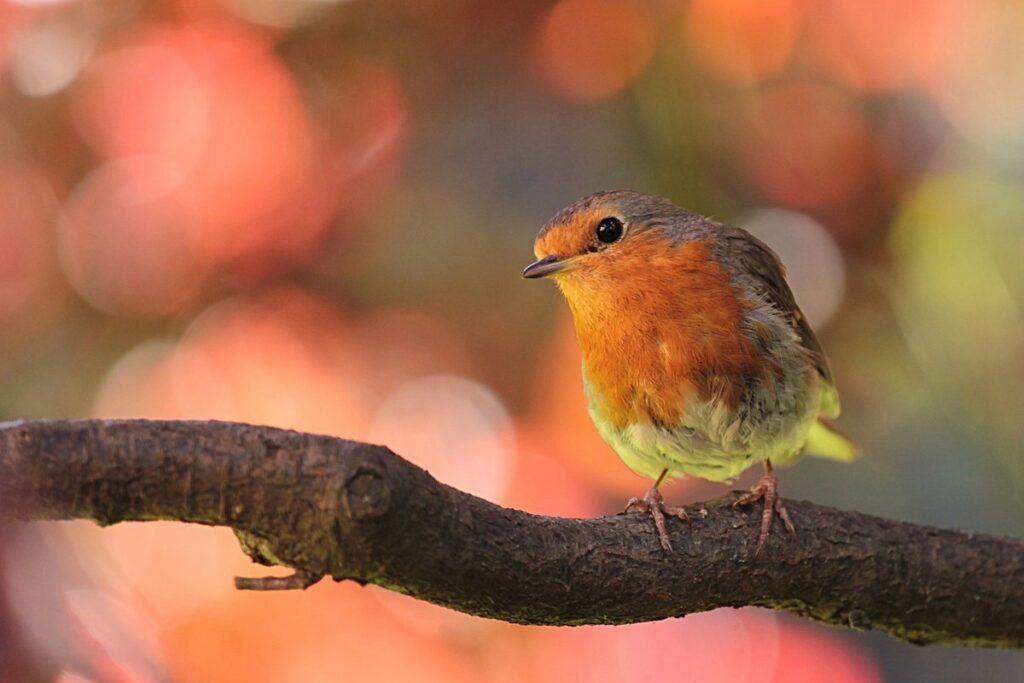
For example, the American Robin is known to disperse the seeds of various plants, including blackberries, blueberries, and pinecones. Similarly, mockingbirds play a significant role in dispersing the seeds of wild cherry trees and mountain laurel. These birds help to ensure that plant species can adapt to changing environmental conditions and remain resilient over time.
By attracting birds to your garden, you’re inadvertently supporting seed dispersal and promoting plant diversity. To encourage this process, consider planting bird-friendly plants like shrubs with berries or flowers that provide nectar for hummingbirds.
How Birds Help Control Pests and Diseases in Gardens
Birds play a crucial role in keeping your garden healthy by controlling pest populations and preventing the spread of diseases. Let’s dive into some fascinating ways they do this naturally!
Predatory Birds: Natural Pest Control
When it comes to natural pest control, few creatures are as effective as predatory birds. These birds of prey roam our gardens and landscapes, preying on unwanted insects, slugs, and other pests that can wreak havoc on our plants.
Take the sparrowhawk, for instance. These sleek hunters specialize in devouring garden pests like caterpillars, beetles, and even small rodents. A single sparrowhawk can consume up to 1,000 insects in a day, making them an invaluable asset to any garden ecosystem.
Other bird species, such as kestrels and merlins, also feed on pests that damage gardens. Kestrels are known to prey on moths, flies, and beetles, while merlins target small mammals like voles and mice.
To attract these beneficial birds to your garden, consider incorporating native vegetation, providing food sources like mealworms or suet cakes, and creating a water feature for drinking and bathing. By welcoming predatory birds into your garden, you can enjoy a more balanced ecosystem with fewer pests and healthier plants.
Disease Prevention through Bird Activity
Birds play a crucial role in preventing disease outbreaks in gardens by controlling fungal pathogens that can lead to devastating diseases. For example, powdery mildew and botrytis are two common fungal diseases that affect garden plants worldwide. These diseases can cause significant damage to flowers, fruits, and vegetables, leading to reduced yields and even plant death.
Birds help prevent the spread of these diseases through their foraging activities. They feed on insects, such as aphids and whiteflies, which are known to transmit fungal pathogens. By controlling these pests, birds reduce the likelihood of disease outbreaks in gardens. In fact, studies have shown that areas with high bird activity tend to have lower levels of fungal diseases.
To attract birds to your garden and benefit from their disease-preventing activities, consider planting native vegetation and installing a birdbath or bird feeder. By creating a bird-friendly environment, you can harness the power of these feathered friends to protect your plants from disease-causing pathogens.
The Benefits of Creating a Bird-Friendly Garden
Creating a bird-friendly garden can have a significant impact on your outdoor space, and we’re excited to share the benefits that await you. From reduced pest control needs to increased biodiversity.
Attracting Birds: Plant Choices and Features
When it comes to creating a bird-friendly garden, one of the most crucial aspects is selecting plants that attract birds. Different species are drawn to various types of flowers, shrubs, and trees, so choosing a mix of these will ensure you have a diverse range of visitors. For example, sunflowers (Helianthus annuus) and coneflowers (Echinacea spp.) are favorite food sources for cardinals, finches, and sparrows.
In addition to plants, birds also require water sources, nesting sites, and sheltered areas to feel comfortable and secure. Consider installing a birdbath or shallow dish filled with fresh water and adding rocks or twigs for perching. You can create nesting sites using native shrubs, like dogwood (Cornus spp.) or juniper (Juniperus spp.), which provide berries that attract birds during breeding season.
Make sure to also incorporate sheltered areas by planting dense shrubs or trees with open canopies, such as evergreen oaks (Quercus spp.). This will not only provide protection from harsh weather conditions but also create a sense of security for birds.
Encouraging Year-Round Bird Visits
To maintain a year-round bird presence in your garden, it’s essential to cater to their changing needs. During spring and summer, birds are drawn to gardens with an abundance of insects, nectar-rich flowers, and fruits. Planting native wildflowers like sunflowers and coneflowers will attract pollinators and provide a food source for birds. In contrast, winter months require different strategies. Offer birdseed mixtures that contain seeds specific to the species you’re trying to attract. For example, finches love thistle seeds, while sparrows prefer millet.
Maintaining a diverse array of plants also ensures year-round habitat requirements are met. Consider planting trees and shrubs that provide berries for birds in autumn and winter. Some examples include hawthorns, pyracantha, and crabapples. In addition to food sources, consider the type of water feature you offer. A shallow dish or birdbath with fresh water is essential year-round.
When incorporating these strategies into your garden design, keep in mind that native plants require less maintenance and are more effective at attracting birds than non-native species.
Birds and Soil Health: The Unseen Benefits
Did you know that birds play a crucial role in maintaining soil health, even beyond their obvious benefits as garden pest controllers? Let’s dive into the unseen ways they contribute.
Nutrient Cycling through Bird Droppings
Birds play a vital role in nutrient cycling through their droppings, which may seem like an unconventional benefit. However, these bird droppings act as a natural fertilizer for the soil, contributing to its overall health and fertility.
The process begins when birds consume insects, seeds, and fruits that are rich in nutrients. As they digest these food sources, the nutrient content is absorbed into their system, eventually being excreted in their droppings. These droppings contain a concentrated mixture of nitrogen, phosphorus, potassium, and other essential micronutrients.
For gardeners, bird droppings can be a valuable resource for fertilizing plants. By strategically placing birdhouses or feeders near the garden, you can encourage birds to drop off their nutrient-rich waste in the desired area. For example, if you’re growing acid-loving plants like blueberries or azaleas, place a feeder with acidic food sources like mealworms or berries nearby. As the birds visit and leave behind their droppings, the soil will gradually become more fertile, leading to healthier plant growth.
Some gardeners even intentionally attract birds to specific areas of their garden by providing water sources, nesting boxes, or planting native vegetation that attracts bird species. By leveraging this natural process, you can create a balanced ecosystem where birds and plants coexist in harmony, promoting soil health and fertility.
Insectivorous Birds as Indicators of Ecosystem Balance
Insectivorous birds play a crucial role in maintaining ecosystem balance by regulating insect populations. These birds feed on insects that might otherwise become pests, protecting plants and crops from damage. A balanced insect population is essential for healthy soil ecosystems, as excessive insect activity can lead to nutrient depletion and soil erosion.
When insect populations surge, it can indicate an imbalance in the ecosystem. Insectivorous birds, such as swallows and warblers, help maintain a balance by controlling these populations. They feed on insects that might otherwise become pests, protecting plants and crops from damage. For example, a study found that a single robin can consume up to 14,000 insects in a single day.
To encourage insectivorous birds in your garden, provide a source of water and plant native vegetation that attracts these birds. By supporting these birds, you can indirectly promote soil health by maintaining a balanced insect population. In doing so, you’ll also contribute to a healthier ecosystem overall.
Creating a Bird-Friendly Habitat Beyond the Garden
As we’ve explored how birds can benefit your garden, let’s now think beyond the flowers and trees to create a bird-friendly habitat that extends into your entire yard. This section shows you how.
Extending Your Garden’s Impact through Regional Conservation
As you’ve created a bird-friendly habitat in your garden, you’re likely eager to take it to the next level and make an even more significant impact on the local ecosystem. By extending your garden’s influence through regional conservation efforts, you can contribute to preserving biodiversity and supporting the health of nearby wildlife populations.
Consider partnering with local wildlife organizations or community groups that share your passion for bird conservation. Many organizations offer resources, expertise, and volunteer opportunities to help amplify your garden’s impact. For instance, you could participate in citizen science projects, such as monitoring bird populations or tracking water quality.
Additionally, think about collaborating with neighboring property owners or residents who may be interested in creating their own bird-friendly habitats. By pooling your knowledge and resources, you can create a larger network of interconnected ecosystems that support regional wildlife. This collective approach not only enhances the overall health of local birds but also fosters community engagement and education about the importance of habitat conservation.
By exploring these partnerships and collaborations, you can significantly extend the reach of your garden’s positive influence on the environment.
Inspiring Others: Sharing Your Bird-Friendly Garden Experience
As you cultivate a bird-friendly garden, you’re not only creating a haven for these beautiful creatures but also gaining valuable experience that can inspire others. If you’re passionate about sharing your knowledge and passion with like-minded individuals, there are several ways to do so.
One effective way is through writing about your experiences in a blog or online journal. You can share tips on what plants work best for attracting specific bird species, how to create a bird-friendly water feature, or the impact you’ve observed of having birds in your garden. When sharing your story, remember that authenticity and honesty are key. Write from the heart and be vulnerable – it’s okay to make mistakes!
Another approach is to collaborate with local gardening groups, conservation organizations, or community centers to host workshops, lectures, or demonstrations on creating bird-friendly habitats. By pooling your knowledge with others, you can create engaging content, such as videos, podcasts, or infographics, that educate and inspire audiences.
Remember, every garden is unique, and what works for one person might not work for another. So don’t be afraid to share your failures as well as successes – they’re all valuable lessons to learn from!
Frequently Asked Questions
What are some easy ways to provide a source of water for birds in my garden?
Providing a reliable source of water is crucial for attracting and retaining bird species. Consider installing a birdbath or a shallow dish filled with fresh water, changing it frequently to prevent bacterial growth. You can also add a mister or sprinkler system to mimic natural rainfall patterns.
Can I use pesticides in my garden if I’m trying to attract birds?
No. Pesticides and other chemicals can be detrimental to bird health and biodiversity. Instead, adopt integrated pest management (IPM) strategies that prioritize physical barriers, crop rotation, and biological controls to maintain a balanced ecosystem. This will encourage beneficial insects and birds to thrive in your garden.
How do I determine which plants are most attractive to birds in my region?
Consult with local nurseries, gardening clubs, or online resources specific to your region to identify bird-friendly plant species that thrive in your climate. Consider factors like nectar-rich flowers, seed production, and berry availability to create a diverse and appealing landscape for birds.
Can I attract hummingbirds to my garden if it’s not particularly sunny?
While hummingbirds do prefer sunny areas, they can be attracted to gardens with partial shade or dappled sunlight. Plant species like honeysuckle, fuchsia, or coral bells that provide nectar-rich flowers will still draw these tiny birds to your garden.
How often should I clean and maintain my birdbath to prevent disease?
Regular cleaning of birdbaths is essential to maintain a healthy environment for birds. Change the water every 2-3 days, scrub the bath with mild soap, and rinse thoroughly. This simple maintenance will help prevent bacterial growth and ensure your birdbath remains a welcoming feature in your garden.