
As the leaves start to change colors and the air grows crisper, our gardens are transformed into vibrant works of art. A beautiful fall planter display is the perfect way to showcase your garden’s autumnal charm, inviting friends and family to come and take in the sights. But what makes a great fall planter, and how can you create one that truly stands out? Whether you’re a seasoned gardener or just starting to get into the world of outdoor decor, this article will provide you with the inspiration and know-how to craft stunning seasonal displays that are sure to impress.
With tips on choosing the perfect containers, selecting the right plants for fall color, and adding decorative touches like pumpkins and leaves, we’ll cover everything you need to create a show-stopping fall planter that will be the envy of your neighborhood. So grab a cup of hot cider and let’s get started!
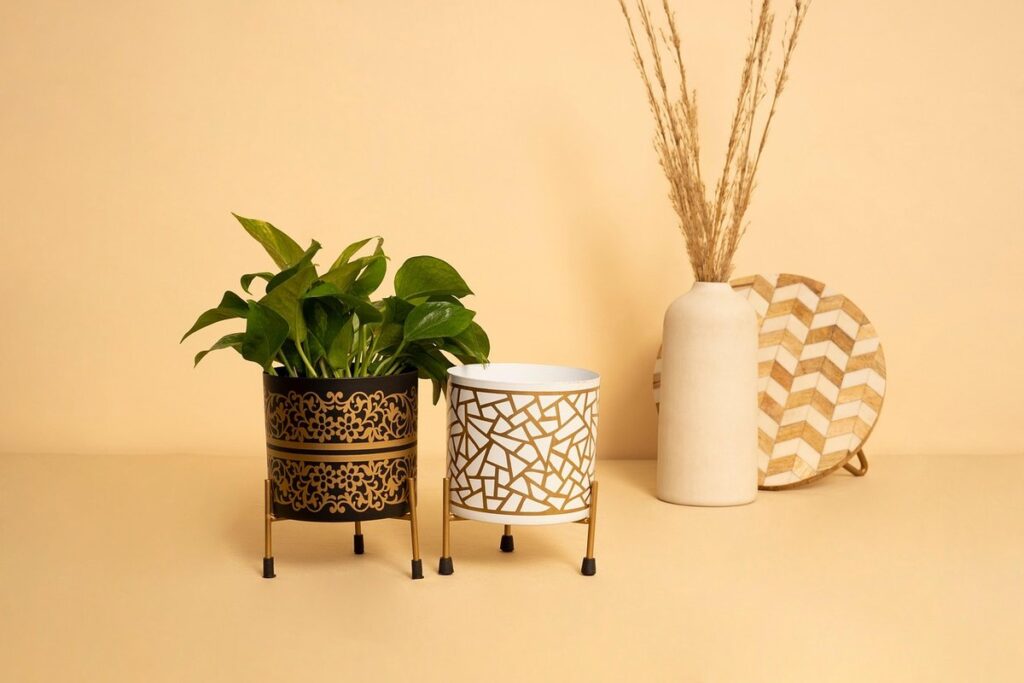
Planning Your Fall Planter
Now that you’ve seen some gorgeous fall planter pictures, let’s dive into planning your own beautiful display, starting with selecting the perfect containers and flowers. Choose planters that complement your home’s style.
Choosing the Right Containers
When it comes to choosing the right containers for your fall planter, you have a variety of options to consider. Terra cotta pots are a popular choice for fall planters because they add a warm, rustic touch to your display. They’re also relatively inexpensive and come in a range of sizes.
If you prefer a more low-maintenance option, planters with built-in water reservoirs are a great choice. These planters have a hidden compartment that stores water, allowing your plants to draw moisture as needed. This feature is especially beneficial for busy gardeners or those who tend to forget to water their plants.
Wooden planters are another attractive option for fall planters. They add a natural, earthy element to your display and can be made from sustainable materials like reclaimed wood or bamboo. When selecting a wooden planter, consider the size of your space and choose one that’s proportional to the other elements in your design.
Remember to select a container that complements your plants’ root systems and growth habits. For example, if you’re using trailing plants like ivy or clematis, opt for a larger, more sprawling planter.
Selecting Autumnal Plant Varieties
When selecting autumnal plant varieties for your fall planter, it’s essential to choose plants that thrive in cooler temperatures. Popular options include mums (Chrysanthemum spp.), asters (Aster spp.), and sedum (Sedum spp.). These plants come in a range of colors, from vibrant yellows and oranges to deep reds and purples.
To create a dynamic arrangement, consider mixing annuals and perennials. For example, pair the long-blooming mums with the delicate, airy asters or the low-maintenance sedum with some bright orange marigolds (Calendula officinalis). This combination will not only add texture and interest but also provide a prolonged bloom period.
When selecting plants, remember to choose varieties that are suitable for your climate and soil type. Some popular fall-blooming perennials include coral bells (Heuchera spp.), burning bushes (Euonymus alatus), and goldenrod (Solidago spp.). By incorporating these plants into your arrangement, you’ll create a stunning and durable display that will thrive throughout the fall season.
Creating a Color Scheme
When it comes to creating a color scheme for your fall planter, look no further than the warm, rich hues of the season. Inspired by nature’s palette, consider combining warm earth tones like terracotta, sienna, and golden brown with rich reds, such as burgundy and crimson. These colors are perfect for accentuating the foliage of plants like mums, asters, and sedum.
For a more vibrant look, incorporate golden yellows, either through sunny flowers like sunflowers or gerbera daisies, or by using yellow-toned terracotta pots and planters. To add depth to your color scheme, include some darker shades like plum or chocolate brown. These rich tones will create a stunning contrast with the lighter hues of the fall foliage.
Some great examples of plants that fit within these color schemes are ‘Autumn Blaze’ maple trees, which display vibrant red leaves, and ‘Golden Nugget’ grasses, which feature delicate golden plumes. By incorporating these colors and plants into your planter design, you’ll create a beautiful and inviting fall display that’s sure to draw attention from passersby.
Designing Your Fall Planter Display
Now that you have inspiration for your fall planter display, let’s dive into designing a cohesive and beautiful arrangement. Here, we’ll cover essential tips to create a stunning seasonal display.
Balancing Textures and Heights
When it comes to designing your fall planter display, combining different textures and plant heights is key to creating visual interest. Think about pairing smooth leaves with fuzzy stems, or incorporating delicate flowers amidst bold foliage. This mix-and-match approach will add depth and dimension to your display.
For instance, consider balancing tall sunflowers (around 3-4 feet) with shorter mums (about 1-2 feet) and a few trailing violas spilling over the edges of the planter. The contrast in heights creates movement and visual flow, while the varied textures add tactile appeal. To take it up a notch, incorporate vertical elements like obelisks or trellises to support climbing plants like clematis or ivy.
Remember, texture and height are not just about plant selection – it’s also about how you arrange them in your planter. Experiment with staggered layers, allowing taller plants to rise behind shorter ones, or group similar textures together for a cohesive look. By balancing these elements, you’ll create a dynamic display that draws the eye and invites exploration.
Incorporating Decorative Elements
Incorporating decorative elements into your fall planter design is where the magic happens. It’s an opportunity to add a personal touch and make your display truly unique. Let’s talk about some of my favorite ways to incorporate these elements.
Pinecones are a staple for fall decor, and they pair perfectly with seasonal plants like mums and asters. Use them as a base for your planter or scatter them throughout the design for added texture. You can also spray paint them in metallic colors to give them an extra pop of glamour. Don’t be afraid to mix different sizes and shapes to create visual interest.
Dried flowers, like baby’s breath and statice, are another great addition to a fall planter display. They add a soft, romantic touch that complements the bold colors of fall foliage. Simply tie them in with some ribbon or twine to create a beautiful bow.
When incorporating these decorative elements, remember to balance is key. You don’t want your planter to look too busy or overwhelming. Stick to 2-3 main elements and use plenty of greenery to fill in the gaps. This will help tie everything together and create a cohesive look that ties in with your plants and decor.
Tips for a Thriving Fall Planter
Creating a stunning fall planter that thrives all season long requires careful planning and attention to detail. In this next part, we’ll share some expert tips to help you achieve your goal.
Watering and Fertilizing Strategies
As you fill your fall planter with vibrant blooms and lush foliage, it’s essential to address two common challenges that can compromise its beauty: watering and fertilizing. During the cooler temperatures of autumn, the soil in your planter can dry out faster than expected. To maintain adequate moisture, check the soil daily by inserting a finger into the soil up to the knuckle. Water thoroughly when the top inch feels dry.
To prevent overwatering, which can lead to root rot and other issues, avoid getting water on the leaves or crown of the plants. Instead, water at the base, allowing the roots to absorb what they need. When it comes to fertilization, a balanced, water-soluble fertilizer (20-20-20) is suitable for most fall planters. Feed your plants once a month, following the manufacturer’s instructions.
Consider adding a layer of compost or well-rotted manure to retain moisture and provide nutrients as the season progresses. This will help promote healthy growth and extend the blooming period. By paying attention to these two critical aspects – watering and fertilizing – you’ll be able to enjoy your beautiful fall planter for weeks to come.
Protecting from Frost and Pests
As you enjoy the vibrant colors of your fall planter, it’s essential to protect it from frost damage and pesky pests that can harm plants during this time. Frost can be particularly damaging to sensitive flowers like pansies and violas, causing them to wilt and eventually die. To safeguard your planter, bring it under a covered area or move it to a protected spot when temperatures drop below 40°F (4°C). If you can’t move the planter, consider using frost blankets or sheets to cover it at night.
Another common pest issue during fall is aphids, which can multiply quickly and spread diseases. To control them, introduce beneficial insects like ladybugs or lacewings, which feed on aphids. You can also use neem oil or insecticidal soap as a natural deterrent. Slugs are another problem, especially in damp climates. Use copper tape around the planter’s rim to deter slugs from climbing up and reaching your plants. Regularly inspect your planter for signs of pests and take action promptly to prevent infestations.
Fall Planter Maintenance: Tips for a Long-Lasting Display
To keep your fall planter looking its best, it’s essential to develop a maintenance routine that addresses changing weather conditions and fading foliage. This section covers practical tips to extend your display.
Monitoring Plant Health
As you enjoy your beautiful fall planter display, it’s essential to remember that regular monitoring is crucial to its long-term success. By keeping a close eye on your plants’ health, you can catch signs of stress or disease early on and take prompt action to prevent more severe problems.
To identify potential issues, inspect your plants regularly for symptoms such as yellowing leaves, droopy stems, or unusual color changes. These can be indicative of overwatering, underwatering, or pests like aphids or spider mites. Check the soil moisture by sticking your finger into it up to the first knuckle; if it’s dry, it’s time to water.
For more severe issues, consider the following common problems: fungal diseases caused by excess moisture, root bound plants that need repotting, and nutrient deficiencies due to depleted soil. To treat these issues, adjust your watering schedule, provide better air circulation, or fertilize with a balanced product. By monitoring your plants’ health and addressing potential problems promptly, you’ll ensure a thriving display throughout the fall season.
Making Seasonal Changes
As the fall season progresses, it’s essential to update your planter display to keep it looking fresh and beautiful. Start by inspecting each plant for signs of fading blooms or wilting leaves. If a particular plant has finished blooming, gently remove it from the pot and replace it with a new one that’s bursting with color.
Consider swapping out perennials like mums and asters for annuals like pansies or cyclamen. These plants thrive in cooler temperatures and will add pops of vibrant color to your display. You can also mix in some greenery like ferns or eucalyptus to add texture and depth.
Don’t forget to incorporate new decorative elements to keep your planter looking updated. Add a few seasonal decorations like acorns, pinecones, or dried leaves to bring warmth and coziness to your display. You can also update the container itself by switching out the liner or adding a new layer of mulch. Remember, making these changes will not only refresh your fall planter but also extend its lifespan throughout the season.
DIY Fall Planter Projects for a Personal Touch
Take your fall planter display to the next level with our creative and easy-to-make DIY projects that add a personal touch to your home decor. From mason jars to wooden planters, we’ve got you covered!
Upcycling Old Planters
Upcycling old planters is an excellent way to give new life to forgotten containers and add a personal touch to your fall display. Take that vintage metal planter from the attic or the worn-out ceramic pot from the garden, and transform it into a stunning centerpiece for your porch or patio.
Think beyond repainting or refinishing – get creative! Use stencils or decals to add seasonal designs like leaves, acorns, or pumpkins. You can also decoupage with images of fall foliage, branches, or berries to create a unique texture and pattern. Don’t forget to add some decorative ribbons or twine around the neck of the planter for an extra rustic touch.
Consider pairing your upcycled planter with seasonal plants like mums, asters, or ornamental kale. Not only will this add a pop of color, but it’ll also tie in perfectly with the fall theme. Remember to choose containers that are suitable for the type of plants you’re using and make sure they have good drainage holes.
When refinishing or repainting old planters, use a primer first to ensure better adhesion and coverage. You can also add a clear coat of varnish to protect your design and make cleaning easier. Experiment with different techniques like distressing, staining, or even chalking for a one-of-a-kind look.
Creating a Focal Point
Creating a statement piece within your fall planter arrangement can elevate it from ordinary to extraordinary. To draw the eye and create a dramatic focal point, consider using show-stopping centerpieces or decorative elements that add visual interest.
For example, you could use a large, ornate vase as a centerpiece filled with richly colored fall flowers like dahlias or sunflowers. Alternatively, you could opt for a statement piece of foliage like a giant fern or a dramatic succulent arrangement.
To create a sense of drama, try layering different textures and heights within your planter arrangement. For instance, combine smooth pots with rough-hewn wooden planters or add some height with tall branches or stakes. You can also draw the eye upwards by placing a large, showy flower at the back of the arrangement.
Remember, the key to creating a statement piece is to balance visual interest with restraint. Avoid over-accessorizing your planter and focus on one or two dramatic elements that create a sense of impact.
Conclusion: Showcase Your Fall Planter Display
Now that you’ve gathered inspiration for your fall planter display, it’s time to showcase your own beautiful creation and give others a glimpse into your seasonal decorating style. Let’s take a final look at how to make it shine!
Tips for Showcasing Your Fall Planters
As we’ve explored various ideas and tips for creating a beautiful fall planter display, now it’s time to think about showcasing your hard work. You’ve spent time selecting the perfect plants, arranging them thoughtfully, and adding decorative touches – but how do you make sure everyone sees just how stunning it is?
First and foremost, consider the photography aspect. Natural light can make or break a photo of your fall planter display, so find a spot with plenty of sunlight to take your pictures. Experiment with different angles and heights to add visual interest. Don’t be afraid to get creative – try taking shots from above, or capturing the intricate details of the plants themselves.
When it comes to styling, remember that less can often be more. A few strategically placed decorative items can go a long way in making your display stand out. Think about incorporating seasonal elements like pumpkins, leaves, or acorns to tie in with the fall theme. You could also add some warmth and coziness with blankets, pillows, or lanterns.
Remember that the best part of showcasing your fall planter display is sharing it with others! Encourage friends and family to take a closer look, and consider setting up a small photo station where people can snap their own pictures. Don’t be shy about sharing your creation on social media – we’d love to see how you’ve brought our inspiration to life in your own unique way.
To take your display to the next level, try incorporating some interactive elements like a seasonal menu board or a “pick-your-own” flower station. This will not only add an extra layer of fun but also create a sense of community and engagement around your fall planter display.
Frequently Asked Questions
What if I have limited outdoor space for my fall planter display?
If you have a small patio or balcony, consider using vertical planters or hanging baskets to maximize your space while still showcasing autumnal beauty. You can also choose compact or dwarf varieties of plants that require less room to grow.
Can I use artificial decorations in addition to real plants for a more dramatic look?
Yes, combining real and artificial elements is a great way to create a show-stopping fall planter display. Artificial leaves, berries, and pumpkins can add depth and visual interest to your arrangement without the need for constant maintenance.
How do I balance different textures and heights in my fall planter design?
To achieve a balanced look, mix and match planters with varying textures (e.g., smooth and rustic) and incorporate elements of different heights. For example, pair tall plants like sunflowers with shorter ones like mums or violas. Use decorative elements like pumpkins or gourds to add visual interest.
Can I use my fall planter display as a focal point for my home’s exterior?
Yes, a beautifully designed fall planter can be a stunning focal point for your home’s exterior. Consider placing it near the front door or in a prominent spot where visitors will see it first. Add some string lights or lanterns to highlight its beauty and create a warm ambiance.
How do I protect my fall planter from frost and pests during the winter months?
To protect your fall planter from frost and pests, bring potted plants indoors when possible, or move them to a protected area like a garage or shed. Cover planters with a breathable cloth or mesh to keep debris out while allowing moisture to escape. Consider using pest-control measures like neem oil or diatomaceous earth to prevent infestations.