
Yellow peppers have become an essential ingredient in many cuisines worldwide, adding a burst of sweetness and color to various dishes. But did you know that there are several types of yellow peppers to choose from? From their rich history and origin to growing tips, culinary uses, and preservation methods, understanding the different varieties can elevate your cooking game.
This comprehensive guide will take you on a journey through the world of yellow peppers, exploring everything from sweet and slender bell peppers to hot and spicy Anaheim-style varieties. We’ll dive into the history of these versatile vegetables, discuss how to grow them in your garden or indoor space, and provide expert tips on how to use and preserve them for maximum flavor and nutrition. Whether you’re a seasoned chef or a home cook, this article will give you the knowledge you need to make the most of yellow peppers in your kitchen.
Introduction to Yellow Peppers
Yellow peppers are a vibrant and versatile addition to any kitchen, but have you ever wondered where they come from and what varieties exist? Let’s start by exploring the basics of these sunny sweet peppers.
History and Origin of Yellow Peppers
Yellow peppers have been a staple ingredient in many cuisines for centuries, and their rich history is an interesting one. Originating from South America, specifically the Andean region, these vibrant peppers were first domesticated by the indigenous people of the continent over 6,000 years ago. The Incas revered yellow peppers as a symbol of good fortune and prosperity, often using them in ceremonies and rituals.
As European explorers arrived in South America, they discovered the prized pepper and took it back to their homelands, where it quickly became a sought-after spice. Spanish missionaries introduced the pepper to Africa and Asia through the Columbian Exchange, further spreading its cultivation and popularity.
The indigenous roots of yellow peppers are undeniable, and their rich history is reflected in their versatility and flavor profile. Today, these bright peppers are enjoyed not just for their taste but also for their nutritional benefits and vibrant color, adding a pop of sunshine to any dish. With over 100 varieties, each with its unique characteristics, it’s no wonder yellow peppers have become a staple ingredient in many cuisines around the world.
Brief Overview of Yellow Pepper Varieties
Yellow peppers come in an array of varieties that offer distinct characteristics and uses. Some popular types include the sweet bell-shaped ‘Candy’ variety, perfect for adding crunch to salads and snacking, while others like ‘Golden Calabrese’ bring a touch of smokiness with their slightly bitter flavor.
For those who prefer milder flavors, ‘Yolo Gold’ is an excellent choice as it retains its sweetness even when cooked. On the other hand, ‘FlavR Lorri’ boasts a unique tangy taste and pairs well in savory dishes like stir-fries and sauces.
The popular ‘Sunset’ variety offers a rich yellow hue and slightly sweet flavor profile, ideal for adding visual appeal to any dish. Meanwhile, ‘Golden Nugget’ brings an extra kick of sweetness with its firm texture, making it suitable for roasting or grilling.
When selecting the right type of yellow pepper, consider your desired level of sweetness, crunchiness, and heat intensity. Experimenting with different varieties can help you find the perfect fit for your recipe needs.
Types of Sweet Yellow Peppers
Let’s take a closer look at some popular varieties, from sweet and mild to tangy and crunchy, that will elevate any dish. We’ll start with the sweet yellow peppers that are perfect for snacking and cooking.
Bell Boy vs. California Wonder: Popular Varieties
Bell Boy and California Wonder are two of the most popular sweet yellow pepper varieties available in the market. While both share similar characteristics, they have some distinct differences that make them suitable for different uses.
Bell Boy is a compact variety, growing up to 6-7 inches in length. Its blocky shape makes it ideal for slicing into thick pieces or using as a cap for other vegetables. The flesh of Bell Boy peppers is tender and crunchy, making them perfect for salads, sandwiches, or stir-fries. One of the benefits of Bell Boy is its high sugar content, which adds natural sweetness to dishes.
California Wonder, on the other hand, is slightly larger than Bell Boy, growing up to 7-8 inches in length. Its oblong shape and slightly tapered end make it suitable for stuffing or using as a garnish. California Wonder peppers have a milder flavor compared to Bell Boy, making them an excellent choice for those who prefer a less sweet pepper.
When choosing between these two varieties, consider the intended use. If you need a sweet pepper for slicing or adding crunch, Bell Boy might be the better option. For stuffing or garnishing, California Wonder’s oblong shape and milder flavor make it more suitable.
Florida Sweet and other Regional Favorites
If you’re looking for sweet and crunchy yellow peppers with a hint of tanginess, look no further than regional favorites like the Florida Sweet. This variety is specifically bred to excel in warm climates with long growing seasons, making it an ideal choice for gardeners in the southeastern United States.
When it comes to flavor profiles, Florida Sweets are known for their sweet and slightly smoky taste, which pairs perfectly with a range of dishes from classic summer salads to grilled meats. The pepper’s thick walls also make them ideal for stuffing or roasting, adding an extra layer of depth to your cooking.
In terms of growing conditions, Florida Sweets thrive in full sun and well-drained soil, making them a breeze to cultivate. They’re also relatively low-maintenance, requiring only moderate watering and fertilization. By choosing this variety, you’ll be rewarded with a bountiful harvest of sweet and delicious peppers that are sure to become a staple in your kitchen.
Some popular regional favorites include the Sunshine State’s own Florida Sweet, as well as varieties like California Wonder and Bell Boy, which offer similar flavor profiles and growing conditions.
Sweet Yellow Pepper Sub-Types (e.g., Small, Mini, etc.)
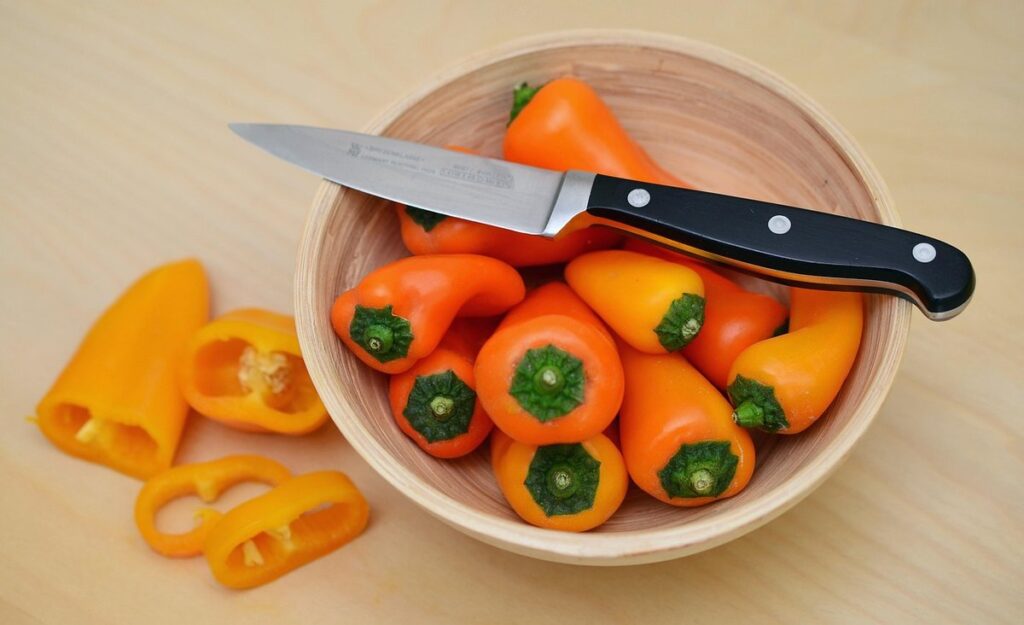
When it comes to sweet yellow peppers, you’ll often come across various sub-types that are perfect for different cooking scenarios. One such example is small or mini varieties of sweet yellow peppers. These bite-sized peppers are ideal for snacking, adding a burst of flavor and color to salads, sandwiches, and wraps.
Mini sweet yellow peppers are also great for roasting whole in the oven as a side dish, and they can be stuffed with cheese, herbs, or meats for a simple yet impressive appetizer. They’re particularly useful when you need a small amount of pepper to add depth without overpowering other ingredients.
Some popular varieties within this sub-type include ‘Golden Nugget’ and ‘Micro Sweet’, which have sweet, slightly smoky flavors and tender flesh. When selecting mini sweet yellow peppers, choose those with glossy skin and firm texture for the best results. They’re perfect for adding a pop of sunshine to your recipes, and their compact size makes them easy to store in the fridge or pantry.
Types of Hot Yellow Peppers
Within the hot yellow pepper family, you’ll find several varieties that pack a punch, each with its own unique flavor and heat level to suit your taste preferences. Let’s explore some of the most popular ones!
Jalapeño vs. Serrano: Spice Levels and Uses
When it comes to hot yellow peppers, two popular varieties often come to mind: jalapeño and serrano. While both share a similar bright color, their heat levels and uses differ significantly.
On the Scoville scale, which measures a pepper’s heat level, jalapeños typically range from 2,500 to 8,000 units. Serranos, on the other hand, can pack up to 23,000 Scoville units. This means serranos are generally more than three times hotter than jalapeños.
In terms of uses, jalapeños are often preferred for their moderate heat and versatility in a variety of dishes. They add a nice kick to salsas, salads, and sandwiches. Serranos, due to their intense heat, are best suited for adding a burst of flavor to smaller amounts of ingredients or used as a garnish.
To incorporate these peppers into your cooking, consider the following tips: when working with serranos, use gloves to prevent skin irritation and handle them carefully; when substituting jalapeños in recipes, adjust the amount according to your desired level of heat. By understanding the differences between these two hot yellow pepper varieties, you’ll be better equipped to add depth and excitement to your dishes.
Anaheim Pepper: A Mild to Medium-Hot Option
Among all the varieties of yellow peppers, Anaheim pepper stands out for its unique flavor profile and versatility in cooking. Native to New Mexico, this mild to medium-hot pepper is a favorite among chefs and home cooks alike due to its sweetness and slightly smoky undertones.
When working with Anaheim peppers, it’s essential to know that their heat level can vary depending on the stage of ripeness and preparation method. Green Anaheim peppers are typically more bitter and hotter than red ones, which have a sweeter flavor profile. Roasting or grilling these peppers enhances their natural sweetness and adds depth to various dishes.
In terms of applications, Anaheim peppers pair well with Mexican, Southwestern, and Asian-inspired recipes. Slice them thinly for salads, stir-fries, or tacos, or stuff and roast them as a side dish. They also add a pop of color and flavor when used in soups, stews, or sauces. With their mild to medium heat level, Anaheim peppers are an excellent choice for families with kids or those who want to balance the spiciness of their meals.
Scorpion and other Exotic Hot Yellow Peppers
If you’re looking for an adrenaline rush in the kitchen, you’ll want to explore scorpion and other exotic hot yellow peppers. These aren’t for the faint of heart, as they pack a punch that’s sure to leave even seasoned chefs gasping.
The infamous Scorpion pepper is one such example – its intense heat is matched only by its distinctive flavor profile. Native to Africa, this rare gem boasts an average Scoville heat unit (SHU) rating of 1.4 million, making it among the hottest peppers in existence. For daredevil chefs, the scorpion offers a unique opportunity to add unparalleled depth and complexity to their dishes.
When working with such potent ingredients, be sure to handle them carefully – wear gloves and avoid touching your face or eyes, as the oils in these peppers can cause irritation. To fully appreciate their flavor, use them sparingly – even a small amount can overwhelm most dishes. For those willing to take on this challenge, scorpion peppers make an excellent addition to specialty hot sauces, marinades, or braising liquids for meats.
Growing and Caring for Yellow Peppers
To grow and care for yellow peppers, you’ll need to know the right conditions for optimal growth, from sunlight to watering schedules. With these tips, your pepper plants will thrive in no time!
Ideal Climate and Soil Conditions
Yellow peppers thrive in warm and sunny climates with well-draining soil rich in organic matter. To create an ideal climate for growing yellow peppers, aim for full sun exposure of at least 6 hours a day. Temperatures between 65°F to 85°F (18°C to 30°C) are optimal for growth, while high humidity can lead to fungal diseases.
When it comes to soil conditions, yellow peppers prefer well-draining, loose soil with a pH range of 6.0 to 7.0. To achieve this, mix in compost or aged manure to improve soil structure and fertility. Avoid overwatering, which can cause root rot; instead, water your plants deeply once or twice a week depending on weather conditions.
In regions with limited sunlight, consider using row covers or black mulch to retain heat and promote growth. Similarly, if your soil lacks essential nutrients, incorporate organic fertilizers like fish emulsion or bone meal to provide a boost of nitrogen, phosphorus, and potassium. By replicating the ideal climate and soil conditions, you’ll be well on your way to growing healthy, vibrant yellow peppers.
Common Pests and Diseases Affecting Yellow Peppers
Yellow peppers are generally resistant to pests and diseases, but they can still be affected by certain issues. One of the most common pests affecting yellow pepper plants is aphids. These small, soft-bodied insects feed on plant sap, causing curled or distorted leaves, stunted growth, and reduced yields. To manage aphid infestations, inspect your plants regularly, and use neem oil or insecticidal soap to control outbreaks.
Fungal diseases like powdery mildew, anthracnose, and leaf spot can also impact yellow pepper crops. These diseases are often spread through water droplets that collect on the leaves and stems of the plant. To prevent fungal infections, ensure good air circulation around your plants, remove any infected areas, and treat with fungicides if necessary.
Bacterial wilt is another potential threat to yellow peppers, caused by bacterial pathogens like Ralstonia solanacearum. This disease can be difficult to control once it has taken hold, so take preventative measures such as removing weeds that may harbor the bacteria and using crop rotation strategies to reduce the risk of infection.
How to Harvest and Store Yellow Peppers
Harvesting yellow peppers at the right time is crucial to ensure their quality and flavor. As a general rule, most sweet pepper varieties are ready for harvest about 70-80 days after sowing. However, this can vary depending on factors like weather conditions, soil quality, and specific pepper variety.
When harvesting yellow peppers, look for those that have achieved their full color, but still maintain a slight crunch to them. Gently twist the fruit to avoid damaging the plant or the pepper itself. It’s essential to handle the peppers with care to prevent bruising, which can cause spoilage.
For long-term storage, you’ll want to keep your yellow peppers away from direct sunlight and heat sources. Store them in a breathable container or bag, making sure they don’t touch each other to prevent moisture transfer. Refrigerate at a consistent temperature below 50°F (10°C) to slow down the ripening process.
By following these simple steps, you can enjoy your homegrown yellow peppers for weeks to come. Remember, proper storage techniques will not only keep them fresh but also enhance their natural sweetness and flavor.
Culinary Uses for Yellow Peppers
When working with yellow peppers, it’s easy to get creative in the kitchen and turn them into a variety of tasty dishes. From stir-fries to sauces, we explore their culinary potential next.
Salads, Sandwiches, and Snacks: Versatility in Cooking
Yellow peppers add a burst of flavor and color to various dishes, making them an excellent addition to salads, sandwiches, and snacks. Their sweet and slightly smoky taste elevates the flavors of other ingredients, creating a perfect balance of tastes.
In salads, yellow peppers can be used as a crunchy topping or sliced into thin strips for added texture. Try combining them with mixed greens, cherry tomatoes, and a citrus vinaigrette for a refreshing summer salad. For a more substantial option, add roasted chicken or grilled salmon to create a filling meal.
For sandwiches, yellow peppers make an excellent addition to burgers, wraps, and subs. Simply slice them thinly and layer them on top of your favorite fillings. Alternatively, use them as a base for a vegetarian sandwich by combining sliced peppers with hummus, avocado, and sprouts.
When it comes to snacks, roasted or grilled yellow peppers can be served as a standalone treat or paired with crackers, breadsticks, or pita chips.
Grilling and Roasting Yellow Peppers
When it comes to bringing out the full flavor potential of yellow peppers, grilling and roasting are two techniques that can’t be beat. By exposing these beautiful peppers to high heat, you’ll unlock a depth of sweetness and smokiness that’s simply irresistible.
Grilling is an excellent way to add a charred, slightly caramelized flavor to your yellow peppers. Simply brush them with olive oil, season with salt and pepper, and throw them onto the grill over medium-high heat for 2-3 minutes per side. This will give you a beautifully blistered exterior that’s packed with flavor.
Roasting is another great option for cooking yellow peppers. Preheat your oven to 425°F (220°C), place the peppers on a baking sheet, and roast for 30-40 minutes or until the skin starts to char and blister. Once cooked, peel off the skin, seed, and chop – and you’ll be left with a tender, slightly sweet pepper that’s perfect for adding to salads, sauces, or stir-fries.
Whether you’re grilling or roasting your yellow peppers, the end result is always the same: a vibrant, flavorful addition to any dish. So go ahead, give these techniques a try, and experience the transformative power of heat on this versatile pepper!
Preserving Yellow Peppers through Pickling and More
When it comes to preserving yellow peppers, pickling is one of the most popular methods. This technique involves soaking sliced or whole peppers in a brine solution, typically made with vinegar, salt, and spices. The acidity helps to preserve the peppers and adds flavor. To pickle yellow peppers, start by preparing a clean glass jar and layering peppers, garlic cloves, and fresh dill sprigs. Then, combine water, vinegar, salt, and any desired spices in a saucepan, bring it to a boil, and pour it over the peppers.
Another method for preserving yellow peppers is freezing. This involves washing, drying, and chopping or slicing the peppers before placing them in an airtight container or freezer bag. Frozen peppers are perfect for adding to soups, stews, or sauces throughout the year. Some gardeners also dry their yellow peppers by tying them in small bunches and hanging them upside down in a warm, dry place. The resulting dried peppers can be stored for up to six months.
For those with limited storage space, consider making pepper relish. This condiment involves chopping the peppers and mixing them with onions, garlic, salt, and sometimes sugar or vinegar. The mixture is then canned using a pressure canner or frozen for later use.
Frequently Asked Questions
Can I grow yellow peppers indoors, even if I don’t have a lot of outdoor space?
Yes, you can definitely grow yellow peppers indoors with the right conditions. Choose compact or dwarf varieties that thrive in containers and provide adequate sunlight (at least 4-6 hours of direct sunlight) and temperature control (around 65°F to 75°F). Use a well-draining potting mix and follow proper watering and fertilization techniques.
How do I preserve yellow peppers for extended periods, other than freezing?
There are several methods to preserve yellow peppers beyond freezing. You can pickle them in a brine solution with vinegar, salt, and spices, or use a dehydrator to dry them into crispy snack pieces. Another option is to roast or grill the peppers and store them in airtight containers for up to 2 weeks.
Can I substitute hot yellow peppers for sweet ones in recipes?
While you can experiment with substituting hot for sweet yellow peppers, keep in mind that it may alter the flavor profile of your dish significantly. Hot peppers have a different Scoville heat unit rating and a more intense flavor than sweet peppers. Start with a small amount and adjust to taste.
How do I identify and manage common pests affecting yellow pepper plants?
Common pests like aphids, whiteflies, and spider mites can be managed using integrated pest management (IPM) techniques. Inspect your plants regularly for signs of infestation, use neem oil or insecticidal soap to control mild outbreaks, and introduce beneficial insects or physical barriers as necessary.
Can I use yellow peppers in sweet dishes, such as desserts?
Yes, you can use yellow peppers in sweet dishes like jams, chutneys, and even desserts. Their sweetness is particularly suited for balancing savory flavors, but be aware that their slightly bitter undertones may add depth to sweet recipes. Experiment with roasted or caramelized yellow peppers in your favorite dessert recipes.