
Twitter bearded irises have taken over social media feeds with their stunning beauty and unique charm. If you’re one of the many gardeners and enthusiasts who can’t get enough of these show-stopping flowers, this guide is for you. Whether you’re a seasoned expert or just starting to explore the world of irises, understanding how to care for and showcase Twitter bearded irises on social media platforms like Twitter is crucial.
In this article, we’ll delve into the specifics of growing and caring for Twitter bearded irises, exploring design tips to make them stand out in your garden. We’ll also cover essential photography techniques to capture their vibrant colors and share expert advice on social media management, including how to get noticed on platforms like Twitter and attract new followers to your profile.
Understanding the Basics
Let’s start by covering the very basics of Twitter Bearded Irises, including their botanical classification and where they’re commonly found.
What is a Bearded Iris?
The bearded iris is one of the most unique and intriguing varieties within the Twitter bearded iris family. Its botanical name, Iris germanica, may give you a hint about its origins, as it’s native to Europe and Asia. This species belongs to the Iridaceae family, which comprises over 300 types of irises.
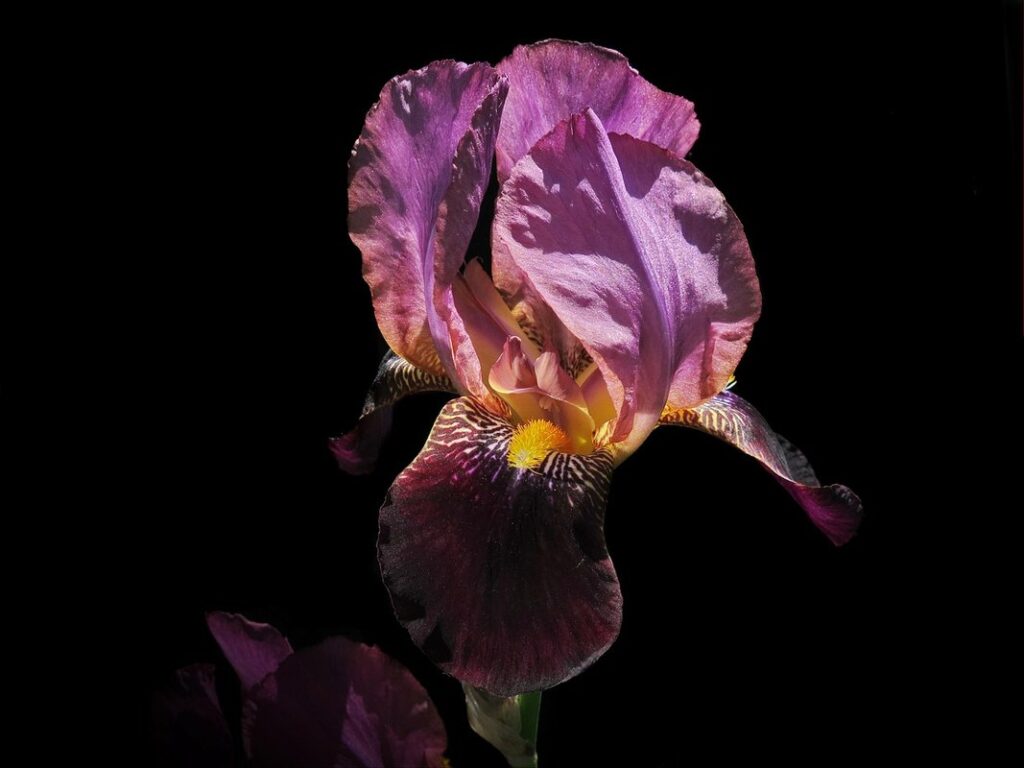
What sets the bearded iris apart is its distinctive “beard” – a tuft of hair-like appendages found at the base of its falls (the lower petals). This unique feature not only adds to its visual appeal but also plays a crucial role in attracting pollinators. The beard helps guide pollen into the flower, allowing for efficient cross-pollination.
If you’re considering growing your own bearded iris, keep in mind that this species requires well-drained soil and full sun. It’s also relatively low-maintenance, making it an excellent choice for gardeners of all skill levels.
History of Bearded Irises on Twitter
Bearded irises have been a beloved topic on social media platforms like Twitter for years, captivating users with their symbolism, beauty, and versatility in gardens. One of the reasons bearded irises are so popular on Twitter is because they hold deep symbolic meaning. In many cultures, these flowers represent courage, wisdom, and faith, making them a favorite among gardeners who want to convey a message or connect with like-minded individuals.
As gardeners share photos and stories about their bearded iris blooms on Twitter, the conversations quickly turn into discussions about the various meanings behind each color and bloom pattern. For instance, purple irises often symbolize royalty, luxury, and wisdom, while white bearded irises represent purity, innocence, and hope. By participating in these conversations, users can learn more about the rich history and symbolism behind bearded irises, sparking a deeper appreciation for these unique flowers.
Twitter’s short-form format also makes it easy to share before-and-after photos of garden makeovers or highlight the striking beauty of bearded irises as they bloom season after season. Whether you’re a seasoned gardener or just starting out, Twitter provides an excellent platform to connect with others who share your passion for these enchanting flowers.
Characteristics of Twitter Bearded Iris
The Twitter Bearded Iris has several distinct characteristics that set it apart from other varieties, including its unique beards and vibrant color palette. Let’s take a closer look at these special features.
Plant Type and Size
When it comes to growing Twitter bearded irises, one of the most significant advantages is their versatility in terms of plant type and size. For gardeners with limited space or a desire for compact blooms, several varieties are specifically suited for container gardening or small spaces.
Some popular types include dwarf bearded irises, which typically grow between 10-18 inches tall and wide, making them ideal for shallow pots or small gardens. Miniature bearded irises are even more compact, reaching heights of around 6-12 inches and widths of approximately 8-12 inches. These petite varieties are perfect for balconies, patios, or other tight spaces.
Another option is the Intermediate bearded iris, which grows slightly larger than dwarf types but still remains relatively manageable in size, typically reaching 18-24 inches tall and wide. Understanding the mature size of these plants allows gardeners to plan accordingly and choose varieties that fit their specific needs and space constraints.
This range of plant sizes also makes Twitter bearded irises a great choice for layering or grouping within containers, allowing for maximum visual impact in small spaces.
Flower Shape, Color, and Fragrance
Bearded iris flowers are renowned for their unique characteristics, particularly when it comes to shape, color palette, and fragrance. Their distinctive beards, which are actually modified petals that dangle from the mouth of the flower, add a delightful touch to their overall appearance.
In terms of color, Twitter Bearded Iris boasts an impressive array of shades, ranging from delicate pastels to vibrant purples and blues. These hues not only captivate gardeners but also photographers seeking unique subject matter on social media platforms like Twitter. The flowers’ intricate patterns and colors have made them a favorite among enthusiasts who enjoy experimenting with different color combinations.
The fragrance of bearded iris is equally captivating, with many varieties emitting a sweet, powdery scent that fills the air in springtime. This enchanting aroma has contributed significantly to their popularity on Twitter, where users can share images and experiences with fellow gardeners and nature enthusiasts. By incorporating these flowers into your garden or social media feed, you’ll be able to appreciate their beauty and charm firsthand.
Whether you’re an avid gardener, photographer, or simply a nature lover, the distinctive features of Twitter Bearded Iris make them an excellent choice for anyone looking to add some visual interest and fragrance to their surroundings.
Growing Bearded Irises on Twitter
You’re eager to grow your own bearded iris on Twitter, but want to know how. This section will cover the basics of cultivating these unique flowers online.
Planting and Soil Requirements
When planting bearded irises on Twitter, you’ll want to start by selecting a location with well-draining soil that’s rich in organic matter. Bearded irises prefer slightly acidic to neutral soil pH (around 6.0-7.0), so if your soil is too alkaline, add some sulfur or peat moss to lower the pH.
If you’re planting in containers, use a high-quality potting mix specifically designed for rhizomatous plants like bearded irises. Avoid regular potting mixes, as they can retain too much water and cause root rot.
When it comes to nutrients, bearded irises require a balanced fertilizer with equal parts nitrogen, phosphorus, and potassium (NPK). You can apply a slow-release fertilizer in the spring when new growth begins, and again in mid-summer for an extra boost. Water your bearded irises regularly during their first growing season, but avoid overwatering, which can lead to rot.
Some popular varieties of Twitter Bearded Iris are best grown directly in the ground, where they can develop a robust root system. However, if you do choose to grow them in containers, make sure the pot is at least 6-8 inches deep to accommodate their extensive rhizome system.
Watering and Maintenance Tips
When it comes to growing bearded irises on Twitter (a popular online platform for gardening enthusiasts), proper watering and maintenance are crucial for promoting healthy growth and blooming. First, let’s talk about watering. Bearded irises prefer well-draining soil and should be watered regularly during the active growing season. Water them deeply once or twice a week, depending on weather conditions, but make sure not to overwater as this can lead to root rot.
It’s also essential to fertilize your bearded irises regularly. Use a balanced fertilizer in early spring when new growth begins, and again after blooming has finished. This will provide the necessary nutrients for healthy growth and encourage more blooms next year.
Deadheading is another crucial maintenance task. Remove spent flowers (or “beards”) as soon as they finish blooming to direct the plant’s energy towards producing new flowers instead of seed production. By following these simple tips, you’ll be on your way to growing beautiful, thriving bearded irises on Twitter and beyond!
Bearded Iris Care on Twitter: Common Issues
Let’s dive into some common issues you might encounter while growing bearded irises on Twitter, from pests to watering mishaps. We’ve got practical solutions to help you troubleshoot!
Pests and Diseases Affecting Bearded Irises
Bearded irises are susceptible to various pests and diseases that can cause damage to their foliage, flowers, and rhizomes. One of the most common pests is aphids, which feed on plant sap, causing curled or distorted leaves. Slugs and snails also pose a threat, feeding on leaves and flowers at night.
To prevent pest infestations, maintain good garden hygiene by removing weeds and debris that can harbor pests. Inspect your plants regularly for signs of infestation and use neem oil or insecticidal soap to control aphid populations.
Diseases such as root rot and powdery mildew can also affect bearded irises. Root rot is often caused by overwatering, which allows fungi to colonize the rhizomes. To prevent this, ensure proper drainage and avoid watering during the winter months when plants are dormant. Powdery mildew, on the other hand, is a fungal disease that causes white powdery patches on leaves.
To treat root rot, gently lift the affected plant and inspect its roots for signs of decay. Cut away any rotten tissue and repot the plant in well-draining soil. For powdery mildew, use a fungicide specifically designed to control this disease.
How to Encourage Repeat Blooming
To encourage repeat blooming from your Twitter bearded iris, it’s essential to understand that deadheading is not always necessary. In fact, many species of bearded irises require some seed pods to form and dry completely before cutting them off. This process helps the plant conserve energy for future blooms.
However, if you’re looking to promote repeat flowering, deadhead promptly after each bloom cycle. Remove the faded flower spike, leaving the foliage intact. This will direct the plant’s energy towards producing new growth and potentially more flowers.
Fertilization is also crucial in promoting repeat blooming. Feed your Twitter bearded iris with a balanced, slow-release fertilizer in early spring when new growth appears. Avoid over-fertilizing, as this can lead to weak stems and fewer blooms.
Lastly, staking may be necessary to support tall flower spikes, especially if you live in an area prone to strong winds. Use soft ties or plant clips to secure the stem without damaging it.
Designing with Bearded Irises on Twitter
When showcasing bearded irises on Twitter, consider using visually appealing profiles and backdrops to make your flower stand out online. Think bold colors!
Companion Planting Ideas
When it comes to designing with Twitter bearded irises, companion planting is an excellent way to create visually appealing and harmonious displays. By selecting plants that complement the unique characteristics of Twitter bearded irises, you can add depth and interest to your garden beds.
Some successful combinations include pairing Twitter bearded irises with low-growing groundcovers like creeping thyme or sweet woodruff. These plants not only fill gaps between the iris rhizomes but also provide a beautiful contrast in texture. For example, the delicate foliage of creeping thyme complements the robust, sword-shaped leaves of Twitter bearded irises.
You can also consider pairing Twitter bearded irises with tall grasses like fountain grass or blue oat grass. These plants create a striking visual impact by drawing attention to the irises’ vibrant flowers. For instance, the delicate purple flowers of Twitter bearded irises stand out beautifully against the soft plumes of fountain grass.
In terms of color, consider pairing Twitter bearded irises with plants that have complementary or analogous colors. For example, blue-violet flowers like forget-me-nots or cornflowers create a beautiful contrast with the vibrant purple hues of Twitter bearded irises.
Container Gardening Tips for Small Spaces
If you’re short on space but still want to showcase these stunning flowers, consider container gardening. Bearded irises can thrive in containers, provided they receive the right conditions. When selecting a container, choose one that’s at least 6-8 inches deep to accommodate the iris’ taproot.
For plant selection, combine bearded irises with low-maintenance plants like succulents or creeping thyme. These plants will complement the bearded iris without requiring too much attention. Be sure to include some taller plants in the background and shorter ones towards the front for visual balance.
In terms of soil depth, make sure it’s at least 12-18 inches deep to accommodate the iris’ root system. Use a well-draining potting mix to prevent waterlogged soil. To achieve good drainage, create a layer of small rocks or broken pottery at the bottom of the container before adding soil.
Photography and Social Media Management
To showcase the beauty of Twitter Bearded Iris, you’ll want to capture high-quality photos and learn how to effectively manage your social media presence. This includes understanding optimal image dimensions for Twitter and more!
Best Practices for Photographing Bearded Irises
When it comes to photographing bearded irises, especially the unique Twitter Bearded Iris, you want to capture their stunning features and vibrant colors. To do this effectively, consider the following best practices.
Composition is key when photographing bearded irises. Experiment with different angles to highlight the flower’s unique shape and texture. Consider shooting from directly above or at a 45-degree angle to showcase the blooms. You can also get creative by incorporating surrounding foliage or a blurred background to emphasize the subject.
Proper lighting is essential for capturing the colors and details of your bearded iris. Natural light is ideal, but if you’re photographing indoors, use softbox lights or diffused natural light to avoid harsh shadows. Be sure to adjust your exposure settings accordingly to prevent blown-out highlights or underexposed shadows.
When it comes to post-processing techniques, pay attention to color correction and saturation. Twitter Bearded Iris has a distinctive blue-violet hue that you can enhance through careful adjustments in software like Adobe Lightroom or Photoshop. Additionally, consider using the “clarity” tool to bring out the intricate details of the flower’s petals and sepals.
Sharing Your Photos on Twitter: A Beginner’s Guide
When sharing photos of bearded irises on Twitter, it’s essential to optimize them for maximum visibility. Start by selecting high-quality images that showcase the unique characteristics of this stunning flower. Consider using a 2:3 aspect ratio and saving the file as a JPEG or PNG to ensure optimal compression.
Next, write an engaging caption that includes relevant keywords like “bearded iris,” “spring flowers,” or “garden inspiration.” Keep it concise and informative, sharing interesting facts about the flower’s symbolism, growth habits, or unique features. For instance, you could mention that bearded irises are often associated with royalty in Victorian England.
Use a mix of popular and niche hashtags to reach a broader audience. Some suggestions include #beardediris, #springflowers, #gardeninspiration, #flowerlovers, and #botanicalgardens. Remember to keep your hashtag list concise and focused on relevant topics to avoid looking spammy. With these simple steps, you’ll be well on your way to showcasing the beauty of Twitter bearded irises and attracting a community of like-minded enthusiasts.
Conclusion
As we’ve explored the unique characteristics and care requirements of Twitter Bearded Iris, let’s summarize what you need to know for future gardening endeavors.
Recap and Final Tips
As you’ve reached the end of this comprehensive guide to Twitter bearded irises, let’s take a moment to recap the key points and offer some final advice for growing and showcasing these unique flowers on social media.
Firstly, we covered the origins and characteristics of bearded irises, highlighting their delicate yet resilient nature. We discussed the importance of proper care, including selecting the right soil, providing adequate sunlight, and maintaining consistent watering schedules. You also learned about the different types of bearded irises, including dwarf, miniature, and standard varieties.
When it comes to showcasing your bearded irises on Twitter, remember to share high-quality photos that capture their vibrant colors and delicate details. Use relevant hashtags like #beardediris or #beardedirisesociety to connect with other enthusiasts and join the conversation. Consider sharing tips and advice from your own experiences, whether it’s a trick for getting your irises to bloom on time or a favorite variety that thrives in your local climate.
To take your Twitter bearded iris game to the next level, try experimenting with different photo editing techniques, such as adding filters or adjusting the brightness. You can also collaborate with fellow enthusiasts by hosting a “bearded iris of the week” feature, where you showcase a new variety each week and encourage others to do the same.
Finally, don’t be afraid to share your own stories and experiences with growing bearded irises on Twitter. Whether it’s a triumph or a challenge, your community is eager to learn from your successes and setbacks. Remember, bearded irises are a unique and rewarding addition to any garden, and by sharing your passion and expertise, you can inspire others to join the fun!
Frequently Asked Questions
Can I grow Twitter bearded irises indoors, or do they require a specific climate?
Yes, with proper care and a suitable environment, you can grow Twitter bearded irises indoors. Provide them with bright indirect light, maintain a consistent temperature between 65-75°F (18-24°C), and ensure good air circulation to prevent fungal diseases.
How often should I water my Twitter bearded irises during the growing season?
Water your Twitter bearded irises deeply once or twice a week, depending on soil moisture and weather conditions. Avoid overwatering, which can lead to root rot. Water in the morning to allow plants to dry out slightly before nightfall.
Can I use any type of potting mix for my container-grown Twitter bearded irises?
No, choose a well-draining potting mix specifically designed for bulbous plants or cacti. Avoid regular garden soil, as it can compact and prevent proper drainage. A good quality potting mix will help prevent waterlogged conditions that can lead to root rot.
How do I take care of my Twitter bearded irises during the winter months?
After the blooming period, cut back your Twitter bearded iris foliage by about one-third to half. Apply a layer of mulch or straw around the base to protect the rhizomes from extreme cold and moisture fluctuations. In zones with harsh winters, consider lifting and storing the tubers in a cool, dry place until spring.
Can I propagate my Twitter bearded irises through division?
Yes, division is an effective way to propagate your Twitter bearded irises. Wait until the foliage has died back after blooming, then carefully dig up the rhizomes. Gently separate the divisions, making sure each section has at least one growing eye. Replant immediately in a well-draining potting mix and water thoroughly.