
The excitement of pumpkin season can quickly turn to disappointment when an unexpected frost hits your patch. But before you give up on those perfectly round pumpkins, consider this: with the right know-how and preparation, you can still successfully harvest and store them for weeks or even months to come. Whether you’re a seasoned gardener or a beginner looking to extend your season, it’s essential to understand how to assess damage, prepare your equipment, and store your pumpkins properly to minimize waste and maximize flavor. In this article, we’ll delve into the expert advice you need to navigate the challenges of picking pumpkins after a frost event, so you can enjoy those seasonal treats well beyond their typical shelf life.
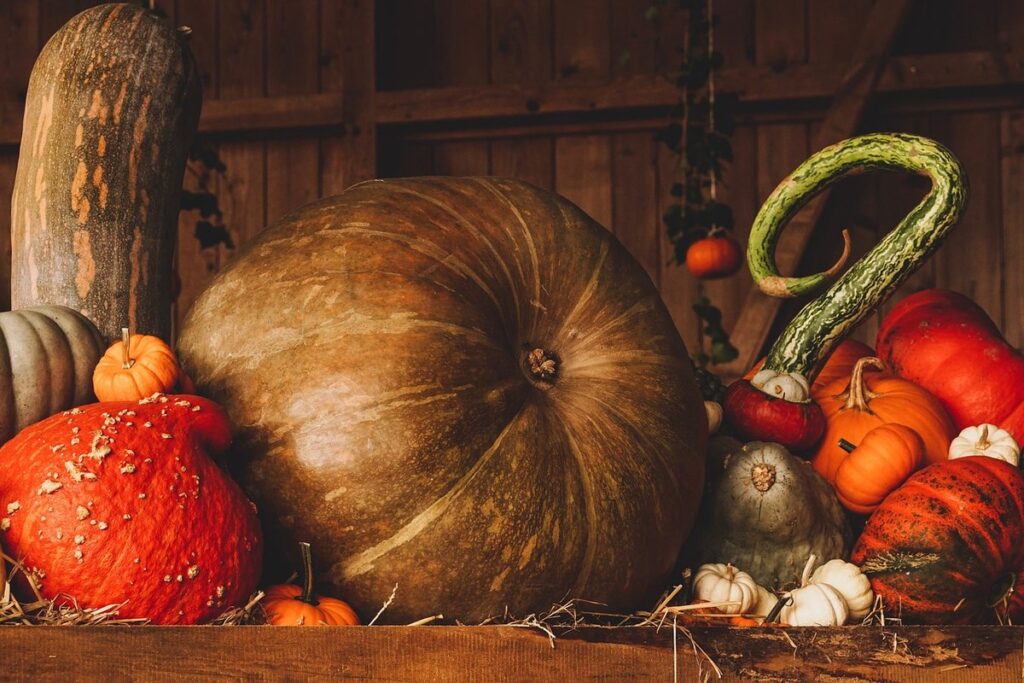
Understanding the Impact of Frost on Pumpkin Crops
When frost hits your pumpkin patch, it can be devastating. In this section, we’ll explore how even a light frost can affect the quality and quantity of your pumpkins.
Effects of Frost on Pumpkin Plant Health
When frost hits your pumpkin patch, it can have devastating effects on plant health. One of the first signs of damage is the collapse of leaves and stems. This is often accompanied by a softening of the fruit, making them more susceptible to disease and decay.
Frost can also cause physical damage to the vines and stems, leading to the breakage or twisting of tender shoots. As the plant tries to recover from frost damage, it may become more vulnerable to pests and diseases that thrive in weakened plants.
The severity of frost damage depends on the temperature, duration, and intensity of the freeze event. Even if the temperature only drops below 32°F for a short period, significant damage can still occur. In such cases, affected areas should be carefully removed, and the remaining plant parts should be treated with fungicides to prevent disease spread.
To minimize frost damage, it’s essential to monitor weather forecasts closely and provide protection for your plants when necessary. This may involve covering or bringing potted pumpkins under a protective canopy.
Assessing the Damage After a Frost Event
Assessing the Damage After a Frost Event is a crucial step in determining which pumpkins are salvageable. Begin by conducting a thorough visual inspection of the affected area. Look for signs of frost damage, such as white or yellow discoloration on the fruit’s skin, particularly around the stem and blossom end.
Check for any water-soaked or soft spots, as these can indicate internal damage. Inspect the vines and leaves for signs of desiccation or freeze-drying. Frost damage can also cause fungal diseases to develop, so be on the lookout for moldy growths on the fruit’s surface.
Next, assess the fruit quality by gently lifting each pumpkin. If it feels heavy for its size, with a firm, dry skin, it may still be usable. On the other hand, if the pumpkin is soft, mushy, or has visible damage, it’s likely not worth salvaging.
Keep in mind that some pumpkin varieties are more resistant to frost than others. If you’re unsure about the quality of your pumpkins, consider conducting a taste test to determine their edibility.
When to Harvest Pumpkins After a Frost
When frost hits your pumpkin patch, it can be disheartening. However, with proper care and timing, you can still harvest a bountiful crop. The key is knowing when to pick pumpkins after a frost.
Pumpkins that have experienced light frosts (temperatures around 32°F/0°C) are usually safe for harvesting within a few days. Look for any visible damage or discoloration on the fruit, as this can affect their quality and shelf life. For heavier frosts (temperatures below 28°F/-2°C), it’s best to wait at least two weeks before picking. This allows time for any damage to heal and reduces the risk of fungal diseases.
Check your pumpkins regularly for signs of ripeness, such as a hard rind and a deep, hollow sound when thumped. Harvest them in the morning, after the dew has dried but before the heat of the day. Use a sharp knife or pruning shears to cut the stem, leaving about an inch attached to the fruit. This will help prevent decay and make handling easier.
Timing is crucial when it comes to harvesting pumpkins after a frost. Be patient, and with proper care, you can still enjoy a successful harvest.
Preparing for Pumpkin Harvest Post-Frost
Now that frost has set in, it’s essential to prepare your pumpkin patch for a successful harvest by taking care of any damaged vines and protecting the fruit.
Cleaning Up Debris and Weeds
Clearing debris and weeds from your pumpkin patch is a crucial step in promoting healthy growth and preventing disease after a frost. Debris such as branches and leaves can harbor diseases that can spread to your pumpkins, while weeds compete with them for water and nutrients.
Before the first frost, take some time to walk through your pumpkin patch and remove any debris. Use a rake or tarp to collect leaves and branches, and dispose of them in a way that won’t attract pests to your crop. If you have a lot of debris, consider hiring a professional to help with cleanup.
Once you’ve removed debris, turn your attention to weeds. Use a hoe or weed barrier to prevent new weeds from growing, and manually remove any existing ones. Be sure to wear gloves when handling weeds, as their sap can cause skin irritation. By clearing your pumpkin patch of debris and weeds, you’ll create an environment that’s conducive to healthy growth and reduce the risk of disease spreading among your pumpkins. This will ensure a bountiful harvest come fall.
Evaluating Fruit Quality and Maturity
When it comes to selecting pumpkins after frost, evaluating their quality and maturity is crucial. A frosted pumpkin may still be edible, but its quality can vary significantly. To determine the best pumpkins for harvest, inspect them carefully for size, color, and firmness.
Start by checking the size of the pumpkin. While a larger pumpkin doesn’t necessarily mean it’s better, a smaller one could indicate underdevelopment or damage from frost. Typically, pumpkins should be at least 4-6 inches in diameter to ensure they’re fully grown.
Next, examine the color. Pumpkins are usually bright orange when mature, but some varieties may have a more yellow or greenish tint. If you notice any unusual coloration or fading, it might indicate over-maturity or disease.
Firmness is another key factor to consider. Gently press your fingers into the pumpkin’s skin; if it yields easily or feels soft, it may be too ripe or damaged from frost. A firm, hard skin is a good sign that the pumpkin is mature and ready for harvest.
By carefully evaluating these factors, you can select high-quality pumpkins even after a frost event, ensuring they’re edible and will thrive in storage.
Preparing Harvest Equipment and Tools
As we approach the pumpkin harvest season, it’s essential to prepare our equipment and tools for the task ahead. After a frost event, pumpkins may be more prone to damage from handling, so it’s crucial to ensure that your harvest gear is in top condition.
Check your rake or mattock for any signs of wear, particularly around the handles and edges where they may have been compromised by moisture. Inspect your wagon or trailer for any damage or rust spots that could compromise its structural integrity.
Make sure all equipment is properly lubricated to prevent mechanical issues during harvesting. If you’re using a tractor, take a moment to review its maintenance schedule and ensure it’s ready for the task at hand.
In addition, have a plan in place for storing and handling the pumpkins once they’ve been harvested. This includes covering them from direct sunlight, providing adequate ventilation, and keeping them away from any potential sources of moisture that could lead to rot or decay. By taking these precautions, you can help ensure a successful harvest and enjoy your fresh-picked pumpkins all season long.
Picking Pumpkins Safely and Efficiently
When frost has damaged your pumpkin patch, it’s essential to harvest what’s left carefully to avoid injury and make the most of your crop. We’ll show you how to pick pumpkins safely and efficiently in this crucial step.
Techniques for Handling Frost-Damaged Pumpkins
When it comes to harvesting pumpkins that have been damaged by frost, handling them with care is crucial to minimize further damage. First and foremost, inspect the pumpkin carefully before attempting to pick it. If the damage is severe, it may be better to leave it behind, as it can be a safety hazard when handled.
If the damage is minor, gently twist the stem counterclockwise while lifting the pumpkin with both hands to avoid causing further breakage. To minimize bruising and other types of damage during harvesting, consider using a specialized pumpkin harvester or a soft-bristled brush to gently sweep away any debris from the pumpkin’s surface.
When transporting frost-damaged pumpkins, be sure to support them carefully to prevent further bruising. You can use wooden slats or a specialized pumpkin cradle to keep the fruit secure and stable during transport. By taking these precautions, you can ensure that your harvest is safe and that you’re able to enjoy your homegrown pumpkins all season long.
Strategies for Efficient Pumpkin Harvesting
When it comes to harvesting pumpkins after frost, efficiency is key. Not only will this save you time and labor, but it can also help minimize waste and ensure that your precious pumpkins are stored properly for the season ahead.
To start with, consider investing in specialized equipment designed specifically for pumpkin harvesting. These might include tools like a ginseng or fork tine harvester, which can efficiently scoop up pumpkins from the patch without causing damage. Alternatively, you could opt for a simple but effective method using rakes and pitchforks to carefully collect your prize pumpkins.
Regardless of the equipment you choose, it’s essential to have a clear plan in place to minimize waste during the harvest process. This might involve setting aside any damaged or deformed pumpkins to use for cooking or decorating later on. By doing so, you’ll not only reduce waste but also make the most of your pumpkin crop.
As you begin harvesting, remember to work carefully and deliberately, taking care not to damage the vines or surrounding plants. With a little practice and patience, you should be able to efficiently collect all your pumpkins in no time!
Storing and Curing Pumpkins After Harvest
Now that you’ve picked your perfect pumpkin, it’s time to store and cure them properly to enjoy for weeks to come – we’ll walk you through the process.
Post-Harvest Handling and Storage
After carefully bringing those frost-bitten pumpkins home, it’s essential to handle and store them correctly to preserve their quality. One of the most critical factors is temperature control. Store them in a cool, dry place with temperatures between 32°F (0°C) and 55°F (13°C). Avoid placing them near direct sunlight, heating vents, or fireplaces, as this can cause rapid spoilage.
Maintaining optimal humidity levels is equally crucial. Pumpkins need air to breathe, but excessive moisture can lead to rot and mold. A humidity level of 50-60% is ideal for storage. To achieve this, you can use a dehumidifier in the storage area or cover the pumpkins with breathable materials like paper bags or old sheets.
Proper ventilation is also vital. Ensure good airflow around the stored pumpkins by leaving about 6 inches (15 cm) of space between each one and from any walls. Regularly inspect your pumpkins for signs of decay, and remove any affected areas to prevent the spread of rot. By following these best practices, you’ll be able to enjoy your harvested pumpkins for a longer period.
The Importance of Proper Curing Techniques
Curing pumpkins after harvest is an essential process that can make all the difference in their quality and longevity. When you pick pumpkins after frost, they’re already more susceptible to damage than those harvested at optimal maturity. To ensure your pumpkins stay fresh for as long as possible, proper curing techniques are crucial.
The curing process involves controlling moisture levels within the pumpkin’s skin to prevent rot and decay. This is typically done by storing the pumpkins in a dry, well-ventilated area with good air circulation. Aim for an environment with relative humidity between 60% and 80%. You can also use a fan or dehumidifier to speed up the curing process.
To control moisture levels effectively, make sure your storage space is clean and free from debris. This will help prevent any fungal spores from growing on the pumpkins’ skin. Regularly inspect your pumpkins for signs of rot or mold, and remove any affected areas promptly to prevent the issue from spreading. By following these simple steps, you’ll be able to enjoy your picked pumpkins for weeks to come.
Tips for Extending the Pumpkin Season
Now that you’ve salvaged your pumpkin crop from the frost, let’s explore some creative ways to keep them looking their best and extend their season.
Strategies for Extending the Harvest Period
Extending the harvest period is crucial when it comes to picking pumpkins after frost. This ensures that you can enjoy a longer season of fresh pumpkin produce and make the most out of your crop. Here are some strategies to extend the harvest period:
One effective technique is using row covers to protect your pumpkin plants from wind damage. Wind can cause significant stress to the plants, leading to premature decline and reduced yields. By covering the rows with breathable fabric or mesh, you can shield your plants from harsh winds and maintain a stable temperature.
Another approach is providing wind protection for individual pumpkins. You can use burlap or other materials to create small shelters around each fruit, preventing damage from strong gusts of wind. This simple technique can significantly extend the harvest period by keeping your pumpkin crops intact and healthy.
By implementing these strategies, you’ll be able to enjoy a longer and more bountiful pumpkin season, even after the first frost sets in.
Considerations for Crop Rotation and Soil Health
When the frost hits, it’s essential to consider the long-term implications for your pumpkin crop. Crop rotation and soil health are critical factors to ensure a thriving harvest next season. When deciding which crops to rotate with pumpkins, choose plants that improve soil fertility, structure, or drainage.
For example, planting legumes like beans or peas can add nitrogen-rich organic matter to the soil, reducing the need for synthetic fertilizers. In contrast, brassicas like broccoli and kale may deplete soil nutrients if left in the same spot year after year.
To maintain optimal soil health, incorporate crop rotation principles into your fall cleanup routine. Remove any debris or diseased plants from the previous season, and till the soil to a depth of about 8-10 inches. This will help break up compacted soil and improve drainage for next season’s crops.
Consider using cover crops like rye or oats in areas with poor soil structure or nutrient deficiencies. These crops can help replenish the soil with vital nutrients while also suppressing weeds and pests. By prioritizing crop rotation and soil health, you’ll set your pumpkin patch up for a successful harvest next season, even after a frost event.
Conclusion: Picking Pumpkins After Frost with Success
In conclusion, picking pumpkins after frost requires careful planning and attention to detail. By following the steps outlined in this guide, you can successfully harvest your pumpkins even if they’ve been exposed to frost. Remember that pumpkin varieties like ‘Connecticut Field’ and ‘Jack Be Little’ are more tolerant of frost than others, so it’s essential to choose a variety that suits your climate. Don’t be discouraged if some pumpkins have suffered damage – with a little creativity, you can still use them for cooking or decoration.
When picking pumpkins after frost, be gentle with the vines and stems to avoid further damaging the fruit. Inspect each pumpkin carefully for signs of decay or rot, and remove any affected areas before storing the rest. With proper handling and care, your post-frost pumpkins can still bring joy and nourishment to your family and friends. By being prepared and adaptable, you’ll be able to enjoy a successful harvest despite the challenges posed by frost.
Frequently Asked Questions
Can I use a dehumidifier to prevent mold growth on frost-damaged pumpkins?
Yes, using a dehumidifier can help control moisture levels and reduce the risk of mold growth on frost-damaged pumpkins. However, ensure you maintain proper air circulation and temperature ranges (around 50-60°F) for optimal curing.
How often should I check on my stored pumpkins for signs of spoilage?
Regular checks are essential to prevent losses due to spoilage. Monitor your stored pumpkins every 1-2 weeks for any visible signs of decay, mold, or pests. If you notice any issues, address them promptly to maintain the quality and safety of your stored produce.
What’s the best way to handle a pumpkin with extensive frost damage?
When dealing with extensively damaged pumpkins, consider discarding those beyond salvage. For partially damaged fruit, carefully trim away affected areas using clean tools, then proceed with storage and curing as recommended in the main article.
How do I ensure my harvested pumpkins are properly cured for long-term storage?
To cure your harvest effectively, store them in a well-ventilated area (50-60°F) with high humidity. Ensure good air circulation to prevent moisture buildup and promote even drying. Regularly inspect your stored pumpkins for signs of spoilage or pests.
Can I use mulch as a covering material when storing frost-damaged pumpkins?
Yes, using breathable materials like straw or old blankets can help maintain moisture levels and regulate temperature fluctuations during storage. Just ensure the covering doesn’t trap excess moisture, which could exacerbate mold growth or other issues.