
Growing your own fruit in Wisconsin can be a rewarding experience, but many gardeners are deterred by the thought of high-maintenance trees. However, with the right varieties and care tips, you can enjoy delicious homegrown fruits without breaking a sweat.
Low-maintenance fruit trees are perfect for busy Wisconsinites who want to reap the benefits of gardening without the heavy labor. Not only do these trees require less pruning, watering, and fertilizing, but they’re also more resistant to disease and pests common in our climate. In this guide, we’ll explore the top low-maintenance fruit tree varieties suitable for Wisconsin’s climate, share expert care tips, and troubleshoot common issues so you can grow healthy and thriving trees with ease.
Choosing the Right Fruit Tree Varieties
When selecting fruit trees for your Wisconsin garden, it’s essential to choose varieties that thrive in the state’s climate and require minimal care to ensure a bountiful harvest.
Understanding Climate Hardiness Zones
When selecting fruit tree varieties for your Wisconsin garden, it’s essential to consider your climate hardiness zone. Wisconsin spans zones 3-5 on the USDA Plant Hardiness Zone Map, with temperatures varying significantly from north to south. To determine your specific zone, visit the USDA website and enter your zip code or city.
Once you know your zone, choose fruit tree varieties that thrive in your conditions. For example, if you’re in a colder zone (3-4), opt for varieties like apple ‘Red Delicious’, cherry ‘Bing’, or plum ‘Stanley’ that are tolerant of cold temperatures and require less chill hours to break dormancy.
In warmer zones (5), try varieties like peach ‘Crimson Lady’, nectarine ‘Arctic Star’, or apricot ‘Tilton’. These trees prefer milder winters and longer growing seasons. Remember, even within your zone, microclimates can exist. Consider factors like soil quality, sun exposure, and moisture levels when selecting the perfect fruit tree variety for your Wisconsin garden. By choosing wisely, you’ll be enjoying a bountiful harvest of delicious low-maintenance fruits in no time.
Disease-Resistant and Low-Maintenance Options
If you’re new to fruit tree gardening, it can be overwhelming to choose varieties that are both delicious and resistant to common diseases found in Wisconsin’s climate. But don’t worry, we’ve got you covered! Here are some popular low-maintenance fruit tree varieties that fit the bill.
For instance, disease-resistant apples like ‘Red Delicious’ and ‘Gala’ are perfect for Wisconsin gardeners. These varieties have built-in resistance to common apple diseases such as powdery mildew and scab. They’re also relatively easy to care for and produce delicious fruit year after year. Another great option is the cherry tree, specifically the ‘Bing’ and ‘Rainier’ varieties, which are resistant to black knot disease.
Pears are another excellent choice for low-maintenance gardening in Wisconsin. Varieties like ‘Bartlett’ and ‘Anjou’ have natural resistance to fire blight and powdery mildew, making them a great option for gardeners who want to avoid the hassle of frequent pruning and spraying.
Planting and Caring for Your Fruit Tree
Now that you’ve chosen your perfect low maintenance fruit tree, it’s time to learn how to plant and care for it successfully. In this next step, we’ll cover the essential tips for a thriving tree.
Preparing the Soil and Site Selection
Preparing the soil for your new fruit tree is crucial for its growth and productivity. Start by testing your soil’s pH level using a DIY kit or sending a sample to a lab. The ideal pH range for most fruit trees is between 6.0 and 7.0, but some varieties like apples can tolerate slightly acidic to neutral soils.
If your soil test reveals any nutrient deficiencies, incorporate organic amendments like compost or well-rotted manure to enrich the soil. However, be cautious not to over-fertilize, as this can lead to weak growth and reduced yields.
When selecting a location for your tree, consider its mature size and sun requirements. Fruit trees generally need full sun (at least 6 hours of direct sunlight) and space to grow – about 15-20 feet from other trees or structures. Avoid planting near power lines or water sources, as this can lead to potential damage.
Also, think about the tree’s root system; choose a spot with good air circulation and drainage to prevent diseases like root rot. In Wisconsin’s climate, it’s essential to plant your fruit tree in an area that receives some protection from harsh winds and extreme temperatures.
Watering and Fertilization Strategies
When it comes to watering and fertilizing your fruit tree, consistency is key. In Wisconsin’s climate, it’s essential to water your tree regularly, especially during hot summer months when evaporation rates are high. A soaker hose or drip irrigation system can be an effective way to deliver water directly to the roots of your tree, reducing waste and runoff.
Drought management is also crucial for fruit trees in Wisconsin. Water your tree deeply but infrequently to encourage deep root growth, making it more resilient to dry spells. Aim to provide about 1-2 inches of water per week, either from rainfall or irrigation. Be mindful of overwatering, which can lead to shallow roots and increased susceptibility to disease.
Regular fertilization is also vital for your fruit tree’s health and productivity. Use a balanced fertilizer (10-10-10 NPK) in early spring and again after harvest. Fertilize lightly, as excessive nitrogen can promote vegetative growth at the expense of fruit production. Prune your tree annually to maintain its shape, promote air circulation, and remove any diseased or damaged branches. By following these watering and fertilization strategies, you’ll be well on your way to a healthy and productive low-maintenance fruit tree in Wisconsin.
Common Low-Maintenance Fruit Trees in Wisconsin
If you’re looking for fruit trees that can thrive in Wisconsin’s climate without requiring a lot of maintenance, you’ll want to consider these popular options. We’ve got the inside scoop on the top picks!
Apple Trees (Malus domestica)
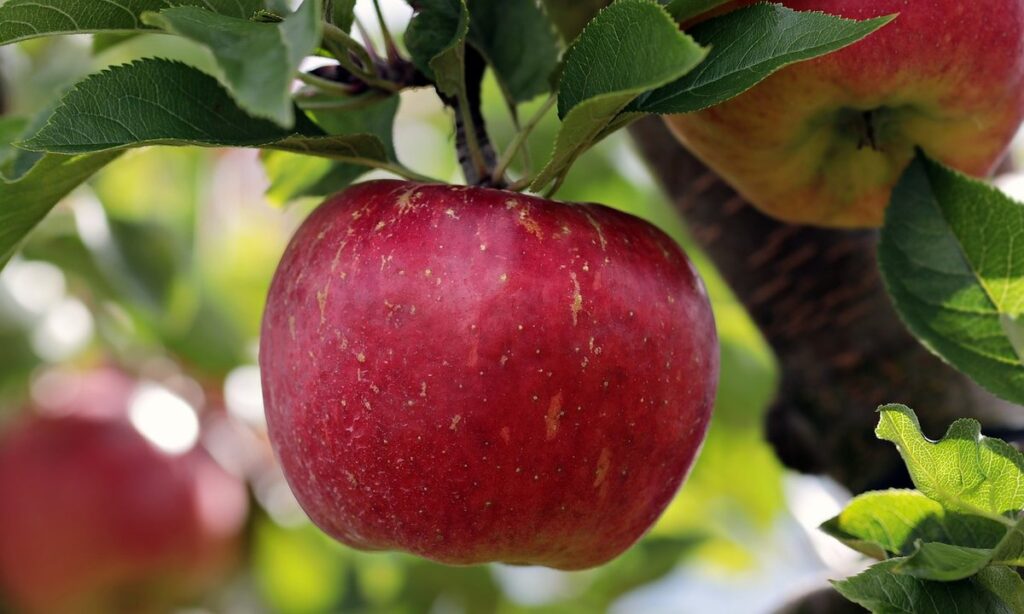
Apple trees (Malus domestica) are a staple in many Wisconsin gardens, and for good reason. Not only do they provide delicious fruit, but they’re also relatively low-maintenance compared to other fruit tree varieties.
Some popular apple varieties well-suited for Wisconsin’s climate include ‘Red Delicious’, ‘Gala’, and ‘Honeycrisp’. These trees are known for their vigor and ability to produce high-quality fruit with minimal care. They typically grow between 15-25 feet tall, making them a great choice for smaller gardens.
In terms of growth habits, apple trees prefer full sun (at least 6 hours of direct sunlight) and well-drained soil. They’re also relatively drought-tolerant, but will produce more fruit with regular watering. Pruning is essential to maintain their shape and promote healthy fruiting. Aim to prune your apple tree annually in late winter or early spring.
When it comes to specific needs, apple trees require a pollinator (another apple tree of a different variety) to cross-pollinate for optimal fruit production. They’re also susceptible to disease, so be sure to monitor for signs of trouble and take action promptly if necessary. With proper care, you can enjoy a bountiful harvest of delicious apples from your very own Wisconsin orchard!
Cherry Trees (Prunus avium) and Plum Trees (Prunus americana)
When it comes to low-maintenance fruit trees in Wisconsin, cherry and plum trees are popular choices among homeowners. While both trees share some similarities, they also have distinct characteristics that set them apart.
Cherry trees (Prunus avium) are known for their fast growth rate, with some varieties reaching up to 3 feet per year. They produce large, sweet cherries that are perfect for snacking, baking, and cooking. However, cherry trees can be more susceptible to pests like aphids and spider mites.
Plum trees (Prunus americana), on the other hand, have a slightly slower growth rate than cherry trees but still thrive in Wisconsin’s climate. They produce smaller fruit compared to cherry trees, but plum varieties are often more disease-resistant. Additionally, plum trees tend to be less attractive to pests like borers and scales.
If you’re looking to plant either of these trees, consider factors like soil type, sunlight exposure, and maintenance needs. Regular pruning can help promote healthy growth, prevent disease, and encourage fruiting. With proper care, both cherry and plum trees can provide a bountiful harvest for years to come, adding beauty and flavor to your Wisconsin garden.
Tips for Maximizing Fruit Production
To get the most out of your low-maintenance fruit trees, follow these simple tips to maximize production and enjoy a bountiful harvest each year. With these tricks, you’ll be well on your way to a fruitful summer.
Pruning Techniques
Pruning is an essential part of maintaining healthy fruit trees, and it’s especially crucial for low-maintenance varieties. When done correctly, pruning can promote vigorous growth, increase fruit production, and even help prevent disease. For example, a poorly pruned apple tree may produce small, misshapen apples, while a well-pruned one will yield abundant, juicy fruit.
There are several common pruning techniques used on different types of fruit trees. The “Central Leader” method is ideal for young trees, where the main trunk is allowed to grow upright with branches branching off from it. In contrast, older trees benefit from the “Open Center” technique, which involves removing crossing branches and promoting a more open canopy.
For Wisconsin gardeners, consider using the “Espalier” method on dwarf or semi-dwarf fruit trees, which involves training them to grow against a wall or trellis. This not only saves space but also encourages horizontal growth, making it easier to prune and maintain. By pruning your fruit trees regularly, you’ll be rewarded with bountiful harvests of delicious, homegrown fruits – no fuss required!
Pest Management Strategies
When it comes to maximizing fruit production on your Wisconsin property, pest management is a crucial aspect of maintaining healthy and thriving trees. A combination of organic and integrated pest management (IPM) methods can help minimize damage from pests like aphids, codling moths, or sawflies.
To start, identify the types of pests commonly found in your area and understand their life cycles to develop targeted strategies. For example, codling moths are most active in spring when trees are producing new growth, while aphids tend to congregate on stems and leaves during warmer months. Consider using physical barriers or sticky traps to capture early stages of infestations.
For integrated pest management (IPM), balance the use of chemical controls with natural methods such as introducing beneficial insects that prey on pests like ladybugs or lacewings. Regularly inspect your trees, monitoring for signs of stress and adjusting management strategies accordingly. Keep in mind, some natural deterrents like neem oil or horticultural oil can be effective but also affect beneficial organisms; use them judiciously.
Practical tips: Maintain a balanced ecosystem by planting companion plants that repel pests, such as garlic or chives near your fruit trees. Regular pruning and watering schedules can help strengthen trees against stressors making them less appealing to pests.
Integrating Your Fruit Tree into Your Landscape
Now that you’ve selected your perfect low-maintenance fruit tree, let’s talk about how to seamlessly integrate it into your Wisconsin landscape. This will ensure a thriving and visually appealing addition to your yard.
Companion Planting Ideas
When planting your low-maintenance fruit tree in Wisconsin, consider incorporating companion plants to create a thriving and diverse ecosystem. Companion planting is a technique where you pair different plants together to enhance their growth, flavor, and pest resistance.
Some great options for companion plants that complement fruit trees include herbs like mint, basil, and thyme. These fragrant herbs not only repel pests but also attract pollinators and improve the overall health of your tree. For example, planting mint alongside apple or pear trees can help deter aphids and other pests.
You can also pair flowers like marigolds, nasturtiums, and calendula with your fruit trees to add visual appeal and attract beneficial insects. These colorful blooms will also repel nematodes and other soil-dwelling pests that can harm your tree’s roots.
Consider pairing vegetables like tomatoes or peppers with your fruit trees for a diverse and productive landscape. This not only increases yields but also promotes biodiversity and reduces the need for pesticides.
Creating a Diverse Orchard Ecosystem
Creating a diverse orchard ecosystem is one of the most beneficial investments you can make for your Wisconsin fruit trees. By incorporating a variety of plants and trees into your landscape, you’ll enhance biodiversity, boost soil health, and reduce pest management issues. This approach also encourages natural pollination, reducing the need for pesticides.
Start by planting native flowers, shrubs, or groundcovers around your fruit trees. These species attract beneficial insects like bees, butterflies, and ladybugs that will help pollinate your trees without requiring human intervention. Consider adding plants with different growth habits, such as spreading or upright varieties, to create a layered ecosystem.
For example, plant a mix of comfrey, clover, and nasturtiums around your apple tree. Comfrey acts as a fertilizer plant, while the clover fixes nitrogen in the soil. Nasturtiums repel aphids and other pests that target fruit trees. These plants work together to create a balanced ecosystem that promotes healthy growth and minimizes maintenance needs.
By embracing diversity in your orchard ecosystem, you’ll reap long-term benefits for both your trees and the environment.
Troubleshooting Common Issues
If you’re experiencing problems with your low maintenance fruit trees, don’t worry – we’ve got you covered. In this section, we’ll walk you through common issues and provide solutions to get you back on track.
Identifying Pests and Diseases
When it comes to growing fruit trees in Wisconsin, pests and diseases can be a major concern. Regular monitoring is key to catching issues early on and preventing them from spreading. Start by familiarizing yourself with common pests that affect fruit trees in the state, such as aphids, spider mites, and codling moths.
Look for signs of infestation like white powdery patches (aphid infestations), fine webbing (spider mite presence), or small holes in leaves (codling moth damage). Regularly inspect your trees during peak pest seasons (spring and summer) and after rainfall when pests are more active. To monitor, gently shake branches over a sheet of white paper to catch any loose insects.
Diseases like powdery mildew, scab, and fire blight can also impact fruit tree health. Watch for symptoms like yellowing leaves, premature fruit drop, or blackened bark. Inspect your trees regularly during the growing season (spring-fall) and after severe weather events like hailstorms. Remove any infected branches or debris to prevent further spread.
If you notice signs of pests or diseases, take action promptly by applying organic pest control methods or fungicides as needed.
Addressing Environmental Stressors
In Wisconsin’s unpredictable climate, environmental stressors can significantly impact your fruit tree’s health and productivity. To ensure a thriving harvest, it’s essential to address extreme temperatures, droughts, and flooding. One strategy is to choose varieties that are resistant to heat or cold stress, such as dwarf apple trees like ‘Red Delicious’ or ‘Gala’. These compact trees can tolerate Wisconsin’s summer heatwaves and harsh winters.
For drought-prone areas, consider installing a drip irrigation system to provide targeted water delivery directly to the roots. This not only conserves water but also reduces evaporation and runoff. To mitigate flooding risks, plant fruit trees on raised beds or mounds that allow for better drainage.
During extreme weather events, protect your tree’s trunk from sunscald by applying a layer of white latex paint or a commercial trunk sealant. Regular pruning can also promote air circulation, reducing the risk of disease spread in humid environments like Wisconsin’s.
Conclusion: Enjoy the Fruits of Your Labor
You’ve made it through the process, now it’s time to reap the rewards! In this final section, we’ll walk you through enjoying your low-maintenance fruit trees and everything they have to offer.
Recap of Key Takeaways
As you conclude this journey into low-maintenance fruit trees in Wisconsin, let’s recap the key takeaways to ensure a successful and enjoyable experience.
Firstly, proper planning is crucial. It’s essential to choose the right tree species for your climate and soil type. We discussed the top recommendations for Wisconsin, including dwarf apple, cherry, and plum varieties that are well-suited for the region’s cool winters and warm summers. By selecting the right tree, you’ll minimize the risk of disease and pests.
Next, adequate care is necessary to ensure a bountiful harvest. This includes providing regular watering, fertilizing annually, and pruning your trees properly. Pruning not only maintains the tree’s shape but also promotes healthy growth and increases fruit production. For example, by removing dead or diseased branches, you’ll prevent the spread of disease and encourage new growth.
Proper maintenance is another critical aspect to consider. Regular monitoring for signs of pests or diseases will help you catch issues early on, preventing them from becoming more serious problems. This might involve inspecting your trees regularly, looking for signs of aphids, spider mites, or powdery mildew.
To put these tips into practice, we recommend creating a maintenance schedule that suits your lifestyle and the needs of your tree. This could include tasks such as mulching around the base of your trees to retain moisture, training your fruit trees to a trellis for support, and applying a dormant spray in late winter to protect against frost damage.
By following these guidelines, you’ll be well on your way to enjoying a bountiful harvest from your low-maintenance fruit tree. Remember, regular care and maintenance are the keys to success, so don’t hesitate to get creative with your approach and tailor it to your unique needs and preferences.
Frequently Asked Questions
Can I grow multiple low-maintenance fruit trees together, or will it lead to disease spread?
Yes, you can grow multiple low-maintenance fruit trees together, but make sure to choose varieties that are resistant to the same diseases and pests. For example, planting apple (Malus domestica) and cherry (Prunus avium) trees in close proximity may increase the risk of fire blight transmission. Consider companion planting ideas to create a diverse orchard ecosystem.
How do I know which low-maintenance fruit tree variety will thrive on my specific property with clay-heavy soil?
Choose fruit tree varieties that are specifically bred for heavy clay soils or have a high tolerance for waterlogging. For example, dwarf apple (Malus domestica) trees like ‘Red Delicious’ or ‘Gala’ can perform well in clay soils. Consult with local nurseries or arborists to determine the best low-maintenance fruit tree varieties suitable for your specific climate and soil conditions.
Can I still enjoy a bountiful harvest if my low-maintenance fruit tree is attacked by pests?
While low-maintenance fruit trees are more resistant to disease, they can still be susceptible to pest attacks. Regularly inspect your trees for signs of pests like aphids, codling moths, or scales. If you notice any damage, address it promptly using integrated pest management strategies.
How often should I prune my low-maintenance fruit tree to maintain its health and promote fruiting?
Prune your low-maintenance fruit tree annually to remove dead, diseased, or damaged branches. For most varieties, prune in late winter or early spring before new growth begins. Pruning techniques can vary depending on the specific variety; consult with a local expert for guidance.
Can I use organic fertilizers and pest control methods on my low-maintenance fruit tree?
Yes! Low-maintenance fruit trees can thrive with organic gardening practices. Use natural fertilizers like compost or manure tea, and opt for integrated pest management strategies that minimize chemical use. This approach will promote healthy tree growth and reduce the risk of environmental stressors.