
When growing cucumbers in your garden, have you ever stopped to think about the tiny flowers that are responsible for their production? Identifying male and female cucumber flowers is crucial for a successful harvest. The key difference between these two types of flowers lies in their role in pollination and seed production.
In this article, we’ll delve into the world of cucumber flowers and explore how to identify them. We’ll cover the characteristics of male and female flowers, including their appearance, location on the plant, and function in the pollination process. By understanding the differences between these two types, you’ll be better equipped to ensure your cucumbers receive the necessary attention for optimal growth and fruiting. Whether you’re a seasoned gardener or just starting out, this guide will help you make the most of your cucumber crop.
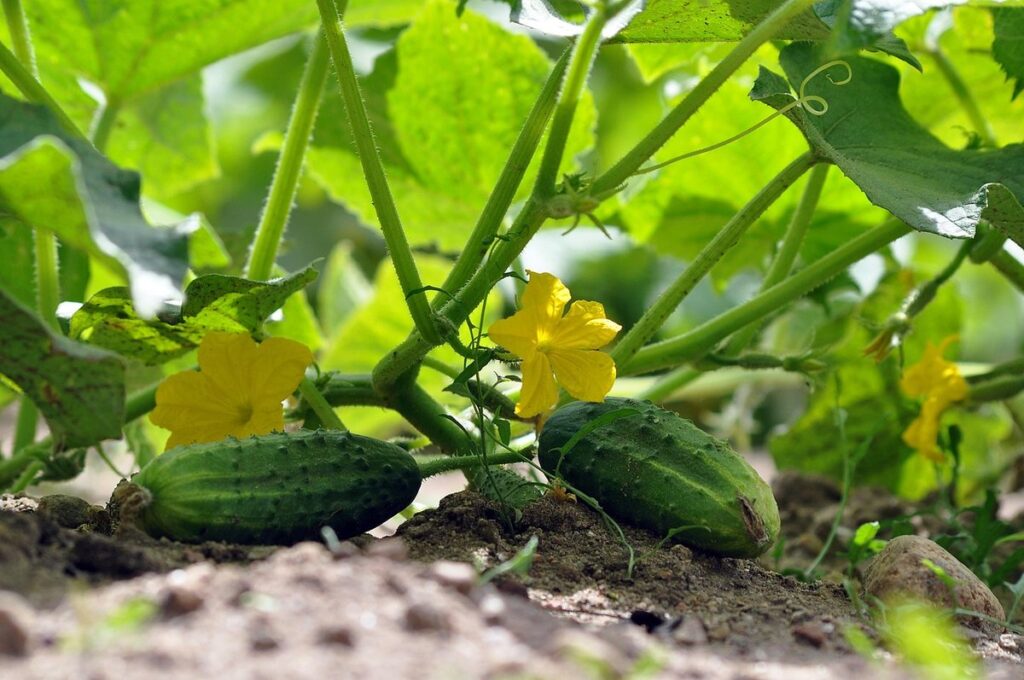
Understanding Cucumber Flower Structure
When it comes to cucumber flowers, understanding their structure is key to identifying male and female blooms. Let’s take a closer look at what makes up these delicate flowers.
Identifying Male and Female Flowers
Identifying male and female cucumber flowers can be a bit tricky, but with some knowledge of their physical characteristics and positions on the plant, you’ll become an expert in no time. Female flowers typically have three stigmas, which are the long, thin parts that receive pollen from male flowers. These stigmas are usually visible above the petals, making it easy to spot female flowers. On the other hand, male flowers have a prominent cluster of stamens – the short, thread-like structures that produce pollen.
Male flowers often grow on longer stalks than female flowers and tend to be more exposed, allowing for better pollination. You can also check the position of the flowers on the plant: female flowers are usually clustered together near the base of the stem, while male flowers tend to be found higher up or even growing offshoots from branches. If you’re still unsure, gently touch the flower and look at the color – female flowers often have a slightly different hue or more prominent yellow markings.
By paying attention to these characteristics, you’ll be able to accurately identify both male and female cucumber flowers in your garden.
Roles of Male and Female Flowers in Pollination
In order for cucumbers to successfully produce seeds, both male and female flowers play crucial roles in pollination. The male flower’s sole purpose is to produce pollen, which it releases into the air through a process called anthesis. This pollen is then carried by bees or other pollinators to the female flower.
The female flower, on the other hand, contains the ovary where seeds are produced. When pollen from the male flower comes into contact with the stigma of the female flower, it germinates and fertilizes the egg cells within. Without both types of flowers, cucumber plants would be unable to reproduce. In fact, a single cucumber plant can produce hundreds of male flowers but only a few female flowers, making pollination by hand often necessary for seed production.
Pollinators like bees are attracted to the sweet scent and nectar-rich centers of both flower types, increasing the chances that pollen will be transferred between them.
Characteristics of Male Cucumber Flowers
Male cucumber flowers have some distinct characteristics that can help you identify them. Let’s take a closer look at these differences to aid your gardening journey.
Unique Features of Male Flowers
Male cucumber flowers are distinct from their female counterparts in several key ways. One of the most notable differences is their smaller size, typically measuring about 1-2 inches in diameter compared to the larger female blooms. Male flowers also exhibit a different coloration, often featuring bright yellow or greenish-yellow petals with five prominent stamens. In contrast to female flowers, which usually have three stigmas and a more compact appearance.
Another distinguishing feature of male flowers is their position on the plant. They are typically found in clusters at the ends of branches, whereas female flowers tend to be solitary. This positioning allows for optimal pollination, as bees and other pollinators can easily access the male flowers’ reproductive structures. When inspecting your cucumber plants, look for these characteristic features to identify the sex of the blooms.
Function of Male Flowers in Reproduction
Male flowers play a crucial role in the reproduction process of cucumbers. Their primary function is to produce pollen, which contains the male gametes necessary for fertilization. Pollen production occurs within the anthers of the flower, and it’s essential that this process occurs before the female flower is receptive.
When a male flower produces pollen, it becomes airborne and can travel to nearby female flowers, facilitating pollination. This process typically occurs through natural means such as wind or insects, like bees and butterflies. To encourage pollination, gardeners often create a favorable environment by providing ample space between plants, reducing competition for resources.
Pollination not only enables fertilization but also allows for the transfer of genetic material from the male to the female plant. This diversity is vital for maintaining healthy crop yields, as it promotes adaptability and resilience in cucumber varieties.
Characteristics of Female Cucumber Flowers
The female cucumber flower is a crucial part of the plant’s reproductive process, and understanding its characteristics can help you determine which flowers to focus on for fertilization. Let’s take a closer look at these important blooms.
Unique Features of Female Flowers
Female cucumber flowers are easily identifiable by their unique features, which set them apart from their male counterparts. One of the most noticeable differences is their larger size. Female flowers tend to be bigger and more prominent on the plant, making them harder to miss. In contrast, male flowers are smaller and often clustered together in a spiral shape.
Another distinctive characteristic of female cucumber flowers is their coloration. They typically have five petals that are a vibrant yellow or white color, while male flowers usually have three petals that are lighter in color. This difference in coloration can make it easier to identify which flowers are female. Additionally, the pistils (the central part of the flower) of female cucumber flowers are long and thin, making them an important distinguishing feature.
When growing cucumbers, understanding the differences between male and female flowers is crucial for achieving optimal yields. By identifying the unique features of female flowers, gardeners can focus their efforts on supporting these blooms, ensuring that they receive adequate water, nutrients, and sunlight to produce a healthy crop of cucumbers.
Function of Female Flowers in Reproduction
Female flowers play a vital role in the reproduction process of cucumbers. Their primary function is to produce ovules, which contain the female gametes necessary for fertilization. These ovules are typically located inside the receptacle, the swollen base of the flower. When pollen from male flowers lands on the stigma, it germinates and grows down through the style, eventually reaching the ovary where fertilization occurs.
As the female flowers receive pollen, they begin to mature and develop into cucumbers. This process relies on a complex series of interactions between the plant’s reproductive organs and external factors like temperature, humidity, and light exposure. For optimal results, ensure your cucumber plants are receiving sufficient sunlight (around 6 hours per day) and maintain a consistent water supply.
In most cases, female flowers will produce one or two ovules per receptacle. However, it’s not uncommon for cucumbers to develop multiple fruits from a single flower. This is known as parthenocarpy, where the fruit develops without fertilization occurring.
Pollination Process Between Male and Female Cucumber Flowers
So, how do male and female cucumber flowers actually work together to produce those delicious cucumbers you love? Let’s dive into the pollination process.
The Role of Bees and Other Pollinators
When it comes to pollination between male and female cucumber flowers, bees and other pollinators play a vital role in facilitating this process. These tiny creatures are responsible for transferring pollen from the anthers of the male flower to the stigma of the female flower, enabling successful seed production.
Without the help of pollinators, cucumbers would not be able to reproduce, and we wouldn’t have these delicious and nutritious vegetables on our plates. In fact, it’s estimated that one-third of all the food we eat is directly or indirectly dependent on bee pollination. Bees are particularly attracted to cucumber flowers because they provide a rich source of nectar, which serves as their primary source of energy.
To encourage bees and other pollinators in your garden, make sure to plant a variety of flowers that bloom at different times to provide a constant source of nectar and pollen. You can also create a bee hotel or bug house using natural materials like bamboo, straws, or hollow reeds to provide shelter for these tiny creatures.
By providing a welcoming environment for pollinators, you’ll be supporting the successful reproduction of your cucumber plants and ensuring a bountiful harvest.
Factors Affecting Pollination Success
The success of pollination between male and female cucumber flowers can be influenced by several factors. Environmental conditions play a significant role in this process. Temperature and humidity levels, for instance, can impact the effectiveness of pollen transfer from the anther to the stigma. Ideal temperature ranges between 65-75°F (18-24°C) with moderate humidity facilitate optimal pollination.
Plant health is another crucial factor affecting pollination success. Healthy plants are more likely to produce viable flowers and release sufficient amounts of nectar, which attracts pollinators. Pests and diseases can compromise plant vitality, making it harder for pollinators to locate and access the reproductive organs.
Human activities also influence pollination outcomes. Crop management practices such as pruning, fertilization, and pest control can impact flower production and quality. For example, over-fertilization can lead to excessive vegetative growth at the expense of flowering. Similarly, over-pruning may reduce flower numbers or weaken plant resilience. By adopting sustainable agricultural methods and understanding the intricate relationships between plants, pollinators, and environmental conditions, gardeners and farmers can optimize pollination success in cucumber cultivation.
Importance of Identifying Male and Female Cucumber Flowers
Now that you know what those separate flowers are, let’s talk about why it matters to identify which is male and which is female on your cucumber plant. This distinction is crucial for successful pollination and fruit growth.
Impact on Yield and Quality
Accurately identifying male and female cucumber flowers is crucial for maximizing yield and quality. If you don’t identify these flowers correctly, it can lead to reduced crop productivity and lower profitability.
When a plant receives insufficient pollination, the female flowers may not develop into full-grown cucumbers. This results in wasted energy resources, as the plant invests time and nutrients into producing underdeveloped fruits. To avoid this scenario, identify the male flowers early on and strategically position them near the female flowers to ensure proper pollination.
Insufficient identification can also lead to over-pollination. When you inadvertently encourage both male and female flowers to develop in abundance, it may overwhelm your plant’s resources. This causes stress, leading to reduced fruit quality and lower yields. To prevent this issue, control pollination by removing excess male flowers before they produce pollen.
Regular monitoring of your cucumber plants will enable you to identify the optimal balance between male and female flowers for maximum yield and quality. By taking proactive steps in flower identification, you can significantly boost crop productivity and profitability.
Role in Breeding and Hybridization Programs
In breeding and hybridization programs aimed at improving crop varieties, understanding the characteristics and roles of male and female cucumber flowers is crucial. The primary goal of these programs is to combine desirable traits from different cucumber cultivars, such as increased yield, disease resistance, or improved flavor.
To achieve this, farmers and breeders need to identify and utilize the unique contributions of both male and female flowers. Male flowers produce pollen that contains genetic material, while female flowers contain the ovules where pollination occurs. By selecting compatible combinations of these flowers, breeders can increase the chances of successful cross-pollination.
For instance, a breeder may use a male flower from one variety with high disease resistance to pollinate a female flower from another variety that excels in yield. The resulting offspring will inherit the desirable traits from both parents, leading to improved crop performance. By recognizing and leveraging the distinct roles of male and female cucumber flowers, breeders can accelerate the process of developing new and more resilient varieties.
Tips for Identifying Male and Female Cucumber Flowers
To identify male and female cucumber flowers, look closely at the structure and characteristics of each type: males have longer stamens, while females are more compact.
Visual Identification Techniques
To visually identify male and female cucumber flowers, you’ll need to pay attention to their appearance and position on the plant. The first step is to locate the blooms on your cucumber plant. Male flowers typically bloom earlier than female flowers and grow along the stem or branches, often in clusters. They usually have five petals and a prominent central stamen, which contains the pollen.
Female flowers, also known as pistillate flowers, tend to appear later and are usually smaller than their male counterparts. You’ll recognize them by their single or paired ovaries that contain the ovules where fertilization will occur. Female flowers typically have three petals and lack a prominent central stamen. To check if a flower is female, gently touch the base of the flower. If it’s soft to the touch and slightly sticky, it’s likely a female flower.
When inspecting your cucumber plant, remember that both male and female flowers are necessary for pollination to occur.
Best Practices for Pollination Support
To ensure successful pollination of cucumber flowers, it’s essential to create an environment that attracts and supports our busy bee friends. Here are some best practices for pollination support:
When selecting a location for your cucumber patch, choose a spot that receives full sun (at least 6 hours of direct sunlight) and has well-draining soil. This will not only promote healthy plant growth but also attract pollinators like bees, butterflies, and hummingbirds.
Plant a diverse range of flowers that bloom at different times to provide a constant source of nectar and pollen for pollinators throughout the growing season. For example, planting marigolds or zinnias alongside your cucumbers will attract beneficial insects while adding color and texture to your garden.
Avoid using pesticides as they can harm or kill pollinators. Instead, adopt integrated pest management techniques that prioritize natural methods of controlling pests. This could include introducing beneficial insects like ladybugs or lacewings, which prey on aphids and other cucumber pests.
By creating a pollinator-friendly environment, you’ll not only support successful seed production but also contribute to the health and biodiversity of your local ecosystem.
Frequently Asked Questions
Can I identify male and female cucumber flowers without prior experience?
Yes, with a basic understanding of the flower structure and some practice, you can learn to identify these flowers even if you’re new to gardening. Take your time to examine the plants closely and observe the differences in stigmas and anthers.
How often should I inspect my cucumber plant for male and female flowers?
Inspect your plant regularly, ideally every 2-3 days, during peak flowering seasons (usually summer months) when cucumbers are actively producing new blooms. This will help you catch any issues with pollination or seed production early on.
What if I miss identifying a crucial male flower – can it still pollinate the female flowers?
While missing one male flower might not significantly impact pollination, consistently failing to identify and support both male and female flowers can lead to reduced yields. Consider implementing best practices for pollination support to ensure optimal reproduction.
Can bees alone pollinate cucumber plants, or do I need other pollinators too?
Bees are the primary pollinators for most cucumbers, but having a diverse range of pollinators (such as butterflies and hummingbirds) can be beneficial. Creating a welcoming environment for these visitors by planting bee-friendly flowers nearby can enhance pollination success.
What if I have both male and female flowers on the same cucumber plant – should I still support them separately?
Even when both types of flowers are present, it’s still essential to provide separate support for each gender. This is because their roles in reproduction differ significantly, requiring targeted care to optimize seed production and yield.