
Growing your own apple tree from scratch can be a rewarding experience, but where do you start? If you’ve been eating winter apples and want to propagate them into seedlings, you’re in luck. Many varieties of apples are suitable for growing from seeds, and with the right techniques, you can successfully grow apple tree seedlings from your favorite winter apples. But first, it’s essential to choose the right variety, as some apples don’t produce viable seeds or may not retain their desirable traits when grown from seed. In this article, we’ll walk you through the process of selecting the perfect variety, preparing the seeds, and transplanting them into pots. We’ll cover everything you need to know to grow healthy apple tree seedlings from winter apples, so keep reading to learn more.
Understanding the Basics of Apple Tree Propagation
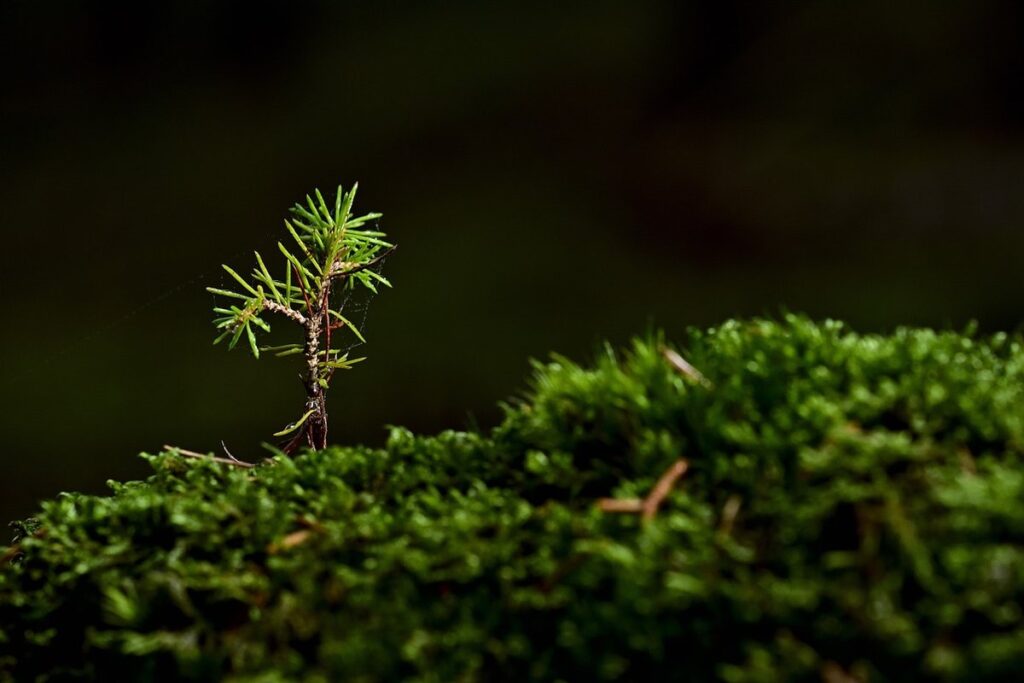
To start growing apple tree seedlings from winter apples, it’s essential to understand how these trees naturally propagate and the process involved in creating a new sapling from an existing fruit. Let’s dive into the basics of apple tree propagation.
Section Overview
Propagating apple trees using seeds from winter apples is an exciting project that requires some understanding of the basics. Before diving into the step-by-step process, it’s essential to grasp a few fundamental concepts.
Selecting the right variety is crucial when choosing winter apples for seed propagation. Look for heirloom or open-pollinated varieties, as these are more likely to produce true-to-type offspring. Avoid hybrid or dwarf varieties, as their seeds may not germinate or may result in unpredictable characteristics.
Seed viability is another critical aspect to consider. Freshly harvested apple seeds typically have a high viability rate, around 80-90%. However, this can decrease significantly over time, so it’s best to work with fresh material. Store the seeds in an airtight container in the refrigerator for up to three months before sowing.
Preparing for propagation involves having the right equipment and materials on hand, including seed starting mix, pots, and grow lights. With these basics covered, you’ll be well-equipped to move forward with the next steps in growing your apple tree seedlings from winter apples.
Why Use Winter Apples for Seed Collection?
When it comes to collecting seeds for growing apple tree seedlings, timing is everything. That’s why winter apples are an ideal choice for this purpose. These late-season harvests not only offer a wide range of varieties but also provide the opportunity to collect seeds that will result in healthier, more disease-resistant trees.
Winter apples tend to be less affected by pests and diseases than their summer counterparts, which means the resulting seedlings will inherit these beneficial traits. This is particularly important for organic growers or those looking to reduce their reliance on chemical pesticides and fungicides. By using winter apple seeds, you’ll also have a better chance of developing trees with desirable flavor profiles.
In fact, many heirloom varieties that are prized for their unique taste and texture can be propagated using winter apples. For example, the ‘Braeburn’ or ‘Granny Smith’ varieties are known for their tartness and crisp texture – traits that will be passed down to your seedlings if you collect seeds from these trees during the winter months.
Factors Affecting Seed Viability
When growing apple tree seedlings from winter apples, it’s essential to understand the factors that affect seed viability. The success of your seedling depends on several environmental and genetic factors.
Temperature plays a significant role in seed germination. Apple seeds typically require a period of cold stratification to break dormancy. If you store the seeds at room temperature (above 40°F/4°C), they may not germinate properly. To achieve optimal results, keep the seeds refrigerated at around 35-40°F (2-4°C) for about 8 weeks before sowing.
Moisture levels also impact seed viability. Apple seeds require a consistent level of moisture to germinate and grow. However, excessive watering can lead to rot and seedling death. To achieve the right balance, ensure the soil is moist but not waterlogged during the germination process.
Genetic diversity within apple varieties affects seed viability as well. Seeds from some apple varieties, such as ‘Red Delicious,’ are more likely to produce healthy seedlings than others. This is because certain varieties have been bred for consistent quality and disease resistance, making their seeds more viable for planting. If you’re using seeds from a store-bought apple, it’s essential to research the variety and its specific requirements before attempting propagation.
When selecting winter apples for seed collection, choose fruits that are free of visible damage or rot, as these can harbor diseases that may affect the seedlings’ health. By understanding the factors that impact seed viability, you’ll be better equipped to produce healthy apple tree seedlings from your winter harvest.
Preparing Winter Apples for Seed Collection
Now that you’ve collected your winter apples, it’s time to extract the seeds and prepare them for planting. We’ll cover the essential steps to clean and dry those seeds effectively.
Choosing the Right Apple Variety for Propagation
When selecting varieties for propagation, it’s essential to choose apples that are well-suited for seed production and have desirable traits. Some popular varieties for seed collection include ‘Red Delicious’, ‘Gala’, and ‘Granny Smith’. These apples tend to produce viable seeds and exhibit good germination rates.
However, some varieties like ‘Honeycrisp’ may not be ideal choices due to their sterility issues. Apple trees propagated from ‘Honeycrisp’ seeds often struggle with consistent fruiting or produce offspring that don’t retain the parent tree’s desirable characteristics.
When selecting apples for seed collection, look for those that are ripe but still firm. Avoid overripe or bruised fruits as they may not yield viable seeds. It’s also crucial to collect seeds from multiple trees to maintain genetic diversity in your propagation efforts.
Consider factors like disease resistance, climate adaptability, and desired fruit characteristics when choosing apple varieties for seed collection. This will help you grow healthy, robust tree seedlings with desirable traits that can thrive in various environments.
Harvesting and Storing Winter Apples for Seed Collection
When it’s time to harvest winter apples for seed collection, you’ll want to make sure they’re picked at the right stage of maturity. The best time to pick is when the apple is mature but still firm, as over-ripe or under-ripe fruit may not produce viable seeds.
To check for ripeness, gently twist the apple – if it comes off easily, it’s ready. If you’re collecting from your own tree, choose a mix of varieties to ensure genetic diversity in your seedlings. For commercial apples, select ones with prominent seeds, as these will give you better odds of getting viable seeds.
Once picked, clean the apples thoroughly to remove any dirt or debris that might interfere with seed germination. Gently scrub the apples under running water, then dry them completely with a soft cloth.
Now it’s time for storage. Place the cleaned and dried apples in an airtight container or paper bag, making sure they’re not touching each other. Store them in a cool, dark place to slow down the ripening process. This will help maintain seed viability until you’re ready to extract them.
Seed Extraction and Cleaning
To successfully grow apple tree seedlings from winter apples, you’ll first need to extract the seeds and give them a thorough cleaning process. This step is crucial for optimal germination rates.
Extracting Apple Seeds from the Fruit
Extracting apple seeds from winter apples can be a bit of a challenge, but with the right technique and some patience, you’ll be able to successfully extract them for planting. First, cut an apple in half lengthwise and scoop out the pulp and core using a spoon or melon baller. This will make it easier to access the seeds.
Look for the stem end of the apple, where the seeds are typically located. Gently pry open the skin around this area with your fingers or a small knife, taking care not to damage the seeds inside. You may need to use a bit of force, but be gentle enough not to crush the seeds.
Some winter apples, like Granny Smith, tend to have smaller seeds that can be harder to extract. In these cases, you may need to use a pair of tweezers or a small fork to carefully tease out the seeds from the apple’s core. Be mindful of any potential debris or fragments that might be attached to the seeds.
Once you’ve extracted the seeds, rinse them gently with water and set them aside for cleaning in the next step. With practice, you’ll get better at extracting apple seeds from winter apples, making it easier to grow your own seedlings.
Cleaning and Drying Apple Seeds for Storage
Properly cleaning and drying apple seeds is crucial for optimal storage conditions and long-term seed viability. To start, gently rinse the seeds with water to remove any loose pulp or debris. Next, fill a small bowl or container with 70-90% ethanol or isopropyl alcohol and soak the seeds for about an hour. This will help break down any remaining sticky substances that can hinder drying.
After soaking, carefully remove the seeds from the solution and gently pat them dry with paper towels to remove excess moisture. Then, lay the seeds out on a flat surface lined with paper towels or a clean cloth, allowing air to circulate around each seed. It’s essential to maintain even airflow to prevent fungal growth and ensure uniform drying.
Check on the seeds regularly, replacing any wet towels or cloths as needed. Seeds are typically dry when they feel light and springy to the touch, usually after 1-3 days, depending on humidity levels. Once dried, store apple seeds in an airtight container at room temperature, making sure to label them with the seed variety for future reference. Proper drying will significantly increase your chances of successfully germinating healthy seedlings come springtime.
Sowing Apple Seeds: Germination and Seedling Care
Now that you’ve collected your winter apple seeds, let’s focus on giving them a healthy start through proper germination and seedling care techniques. Proper handling at this stage is crucial for future success.
Preparing the Soil and Containers for Seed Sowing
When preparing the soil and containers for sowing apple seeds, it’s essential to consider two critical factors: nutrient levels and drainage requirements. Apple tree seedlings are sensitive to nutrient deficiencies, which can hinder their growth and development.
To ensure optimal nutrient levels, choose a well-draining potting mix specifically designed for fruit trees or vegetables. If using garden soil, amend it with a balanced fertilizer (10-10-10 NPK) according to the manufacturer’s instructions. Apple seeds require a slightly acidic to neutral soil pH between 6.0 and 7.0.
When selecting containers, opt for ones with good drainage holes to prevent waterlogged soil conditions that can lead to seed rot or fungal diseases. A minimum depth of 6-8 inches is recommended for apple tree seedlings to accommodate their taproot. For small-scale sowing, use individual cell trays or small pots with a capacity of at least 4-6 ounces each.
Ensure the containers and potting mix are sterilized before sowing by baking them in a preheated oven at 200°F (90°C) for 10 minutes. This will help eliminate any potential pathogens that may interfere with seed germination.
Techniques for Sowing Apple Tree Seeds
Sowing apple seeds requires careful attention to depth, spacing, and water application. One effective method is to sow seeds about ¼ inch deep, using a seed starting mix that provides good drainage. Space the seeds about 1-2 inches apart, as this will help prevent overcrowding and encourage healthy growth.
For optimal germination, maintain soil moisture but avoid overwatering. You can also use a clear plastic bag or cloche to create a humid microclimate around the sowing area. This will promote faster germination and reduce the risk of fungal diseases.
Another approach is to sow seeds in a tray with multiple cells, which allows for even spacing and makes it easier to transplant seedlings later on. Keep the soil consistently moist during the first few weeks after sowing, then gradually reduce watering as the seedlings develop their root systems.
Remember that apple seeds have a low germination rate, so be prepared to sow multiple seeds to ensure some will grow successfully. With proper care and attention, your apple tree seedlings will begin to flourish in no time!
Transplanting Seedlings: Hardening-Off and Aftercare
Now that your seedlings are strong enough, it’s time to transplant them outdoors. This crucial step requires careful planning and attention to ensure a smooth transition for your young apple tree.
The Importance of Hardening-Off Apple Seedlings
When you bring your apple seedlings outside for the first time after growing them from winter apples, it’s essential to harden them off gradually. This process, also known as acclimation, helps prevent shock and damage caused by sudden exposure to outdoor conditions. Apple tree seedlings grown indoors or in a greenhouse are accustomed to a controlled environment with optimal temperatures, humidity, and light.
If you transplant your seedling directly into the open field without hardening it off, it may suffer from leaf scorch, weakened root systems, and even death. To avoid this, start by moving your seedlings outside for short periods during mild weather conditions. Begin by placing them in a shaded area or under a canopy to shield them from direct sunlight.
Over time, gradually increase their exposure to outdoor conditions, such as temperature fluctuations and direct sunlight. For example, you can start with 1-2 hours of outdoor time per day, then incrementally increase the duration over 7-10 days. This gradual acclimation will help your seedling develop resilience and adapt to its new environment, giving it a solid foundation for healthy growth and development.
Establishing a Healthy Root System for Future Growth
When transplanting apple tree seedlings from winter apples, it’s essential to prioritize establishing a robust root system for future growth. A healthy root system is crucial for the tree’s ability to absorb nutrients and water, ultimately affecting its overall health and fruit production.
To promote healthy root development, start by selecting a well-draining potting mix specifically designed for trees. Avoid using regular garden soil as it can compact around the roots, hindering their growth. Water your seedling thoroughly after transplanting and ensure the soil remains consistently moist during the first few weeks.
Pruning is also vital in promoting a healthy root system. Remove any dead or damaged branches to prevent the spread of disease and encourage new growth. This process not only improves air circulation around the roots but also allows for better light penetration, which can stimulate root development.
As your seedling grows, consider using a balanced fertilizer specifically formulated for fruit trees. Follow the instructions carefully to avoid over-fertilizing, which can damage the roots rather than promote their growth.
Challenges and Considerations in Growing Apple Tree Seedlings
Growing apple tree seedlings from winter apples can be a bit more complicated than other types of seeds, as they have unique needs and challenges. Let’s explore some common obstacles you might face in this process.
Common Issues Encountered During the Propagation Process
As you navigate the process of growing apple tree seedlings from winter apples, it’s essential to be aware of potential issues that can arise. One common problem is seed rot, which can occur when seeds are not properly dried or stored before planting. To prevent this, make sure to dry your winter apple seeds thoroughly for at least 3-4 weeks before using them.
Another challenge you may encounter is fungus growth, particularly if the seeds are exposed to high humidity levels during germination. To minimize the risk of fungal infections, sow seeds in well-draining seed starting mix and maintain a clean environment around the seedling. Regularly inspect your seedlings for signs of disease and treat promptly with organic fungicides.
Pest infestations can also be a concern when growing apple tree seedlings from winter apples. Aphids, whiteflies, and spider mites are common pests that can harm young seedlings. To prevent these issues, keep an eye out for early signs of infestation, such as curled or discolored leaves, and treat promptly with neem oil or insecticidal soap.
In addition to these challenges, overwatering is a common mistake when growing apple tree seedlings from winter apples. Seeds require consistent moisture but can quickly develop root rot if the soil is too wet. To avoid this problem, ensure good air circulation around your seedlings and water carefully, only when the top inch of soil feels dry to the touch.
Genetic Diversity in Propagated Apple Trees
When growing apple tree seedlings from winter apples, one crucial aspect to consider is genetic diversity. Propagated trees, whether grown from cuttings, grafts, or tissue culture, can lack the genetic variation that naturally occurring seeds would provide. This uniformity can make propagated trees more susceptible to disease, as they may share similar vulnerabilities.
For instance, if a tree has been grafted onto a rootstock with a high incidence of fire blight susceptibility, all its offspring will inherit this trait. This limited genetic diversity also restricts future breeding possibilities, as the pool of genes available for selection is smaller. On the other hand, seedlings from winter apples can introduce new genetic combinations, potentially leading to more robust and resilient trees.
To mitigate these concerns, some growers are experimenting with techniques like “seedling grafting,” which combines the benefits of both propagated and seed-grown material. This approach could help balance uniformity with genetic diversity, but it requires careful planning and execution.
Conclusion: Growing a New Generation of Apple Trees from Winter Apples
Now that you’ve successfully grown and nurtured your apple tree seedlings, it’s time to take the next step: learning how to propagate new trees from winter apples.
Recap of Key Takeaways and Best Practices
To successfully grow apple tree seedlings from winter apples, remember to follow these essential steps and considerations. First, carefully select healthy-looking winter apples with minimal bruises and blemishes for optimal germination rates. Next, create a suitable environment by storing the seeds in a moist paper towel or cloth, ensuring they remain damp but not waterlogged.
When planting, sow the seed ¼ inch deep in a well-draining seed starting mix, maintaining a consistent temperature between 65-75°F (18-24°C). Provide adequate light, either through direct sunlight or supplemental lighting. Transplant the seedlings into individual pots once they have two sets of leaves, being cautious not to disturb their delicate roots.
Monitor your seedlings’ growth and watch for signs of disease or pests. Regularly water and fertilize them as needed. After one year, transfer the seedlings into larger containers or directly into the ground in a suitable location with full sun and well-draining soil. This will give your young apple tree the best chance to thrive and eventually produce its own fruit.
Future Prospects and Opportunities in Propagating Apple Trees
As we’ve seen throughout this guide, propagating apple trees from winter apples is a viable and exciting method for growing new tree seedlings. But what does the future hold for this technique? One potential application is large-scale propagation using seeds obtained from winter apples. This approach could revolutionize the way commercial orchards and nurseries produce apple tree seedlings.
Not only would it provide a more sustainable alternative to traditional grafting methods, but it would also allow for greater genetic diversity in apple trees. Imagine having access to an almost endless variety of new, disease-resistant, and climate-resilient apple tree cultivars. With the increasing demand for locally grown produce and organic farming practices, this could be a game-changer.
However, there are also challenges to consider when scaling up seed propagation. One major hurdle is ensuring consistency in quality and germination rates across large quantities of seeds. To overcome this, nurseries and orchards would need to develop specialized protocols for seed selection, storage, and sowing. By doing so, we can unlock the full potential of propagating apple trees from winter apples and usher in a new era of sustainable and diverse fruit production.
Frequently Asked Questions
Can I use any type of apple for seed propagation?
When choosing winter apples for seed collection, look for heirloom or open-pollinated varieties as they tend to produce viable seeds and retain their desirable traits when grown from seed.
How long does it take for apple tree seedlings to mature?
Apple tree seedlings can take 3-5 years to mature after sowing the seeds. This timeframe allows them to develop a robust root system, grow taller, and eventually produce fruit.
What are some common mistakes to avoid when preparing winter apples for seed collection?
Avoid bruising or crushing the apples during harvest and storage, as this can damage the seeds. Also, ensure the apples are dry and free of mold before extracting the seeds to prevent contamination.
Can I grow apple tree seedlings from store-bought apples?
While it’s technically possible to grow apple tree seedlings from store-bought apples, the results may not be desirable due to factors like selective breeding, genetic modification, or unknown parentage. Heirloom or open-pollinated varieties from trusted sources are recommended for successful propagation.
How do I handle common issues encountered during the propagation process?
Common issues include poor germination rates, weak seedlings, and pest/disease infestations. Monitor your seedlings regularly, adjust growing conditions as needed, and consider implementing organic pest control methods to prevent problems.