
If you’re a food enthusiast or a gardener looking to add some excitement to your recipes and plant collection, then you’re in luck. Long light yellow skinny hot peppers are a unique and flavorful addition to any cuisine that’s worth getting to know. Native to certain regions of the world, these slender peppers have been prized for their distinctive appearance and fiery taste by chefs and home cooks alike. Not only do they pack a punch when it comes to flavor, but they’re also rich in nutrients and antioxidants. In this article, we’ll delve into the origins, characteristics, and culinary uses of long light yellow skinny hot peppers, as well as provide expert advice on how to grow them successfully. Whether you’re looking to spice up your cooking or expand your gardening horizons, keep reading for everything you need to know about these versatile and delicious peppers.
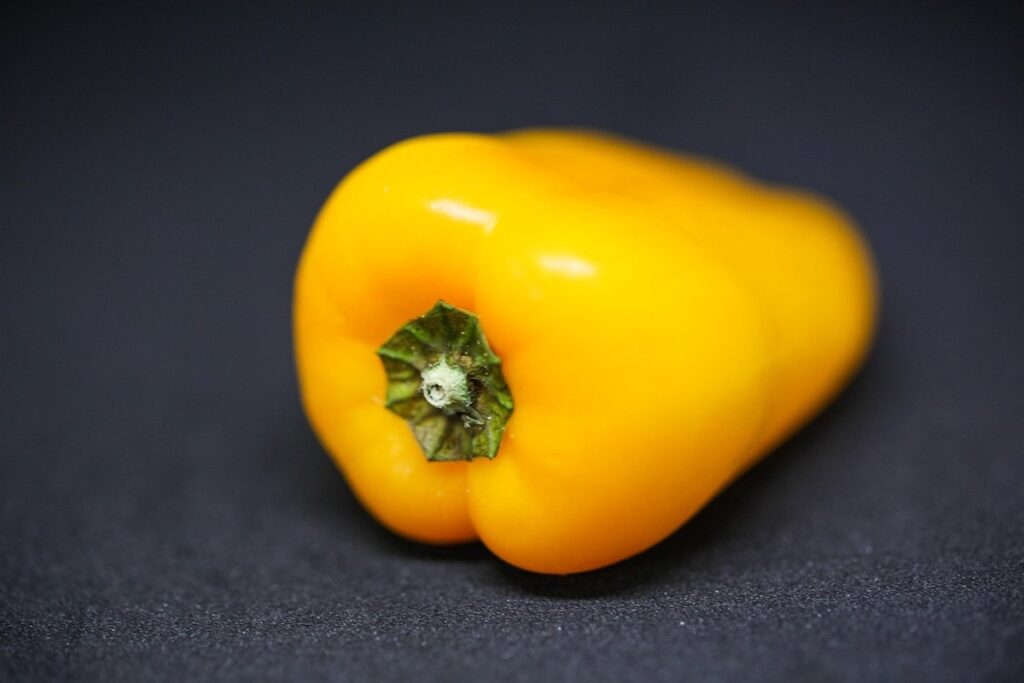
What is a Long Light Yellow Skinny Hot Pepper?
So, you’re curious about this long light yellow skinny hot pepper and what makes it so unique among other hot peppers. Let’s dive in and explore its characteristics!
Origins and History
The long light yellow skinny hot pepper has its roots in Central and South America, where it’s been a staple ingredient for centuries. Its exact origin is unclear, but it’s believed to have been cultivated by the indigenous peoples of the region long before the arrival of European colonizers.
Over time, the pepper made its way to Mexico and other parts of Latin America, where it was incorporated into local cuisine. In particular, the long light yellow skinny hot pepper became a key ingredient in traditional Mexican dishes like salsas and sauces.
As global trade and cultural exchange increased, the pepper spread to other regions, including the southern United States. Today, it’s widely available in many supermarkets and is often used in fusion cuisine, where its unique flavor and heat are combined with other international flavors.
In recent years, the long light yellow skinny hot pepper has gained popularity among chefs and home cooks alike, who appreciate its versatility and ability to add depth and complexity to a variety of dishes.
Characteristics and Appearance
The long light yellow skinny hot pepper is easily recognizable by its slender shape and striking appearance. Typically measuring between 4 to 6 inches in length and around 0.5 inches in width, this pepper has a relatively uniform size. Its most distinctive feature, however, is its bright light yellow color that can sometimes appear almost translucent due to the thin skin.
The texture of the long light yellow skinny hot pepper is smooth with a slightly waxy feel to it. This is due to its high water content and minimal seed pods compared to other varieties of peppers. When ripe, the pepper’s skin will often develop small wrinkles or fine lines, adding to its unique appearance.
In terms of overall shape, this pepper tends to be relatively straight but may have a gentle curve at one end. Its slender build allows it to grow upright on plants with minimal support needed for sustenance.
Culinary Uses and Preparation Methods
You’re eager to cook with your long light yellow skinny hot peppers? This section will show you how to prepare them for a variety of dishes, from sauces to stir-fries.
Incorporating into Recipes
When it comes to incorporating long light yellow skinny hot peppers into your cooking repertoire, the possibilities are endless. One of the most popular ways to use them is in stir-fries, where their bright flavor and moderate heat level can add depth and excitement to a variety of dishes. Simply slice or chop the pepper and sauté it with your favorite ingredients – bell peppers, onions, garlic, and protein sources like chicken or tofu work particularly well.
The long light yellow skinny hot pepper is also a great addition to homemade sauces and marinades. Try adding diced pepper to your favorite salsa recipe for an extra kick of flavor, or mix it into a yogurt-based sauce for grilled meats or vegetables. You can even use the pepper as a topping for dishes like tacos or pizza – simply slice it thinly and scatter it over your favorite toppings.
One of our favorite tips is to add long light yellow skinny hot peppers to your morning omelette or breakfast burrito. The subtle heat and bright flavor will wake up your taste buds and get you ready to take on the day. Experiment with different recipes and find your own unique ways to incorporate this versatile pepper into your cooking routine!
Roasting and Grilling Techniques
To truly experience the unique flavor and aroma of the long light yellow skinny hot pepper, it’s essential to learn some basic roasting and grilling techniques. Roasting brings out a deeper sweetness in the pepper, while grilling adds a smoky depth.
For roasting, preheat your oven to 400°F (200°C). Place the peppers on a baking sheet lined with parchment paper, drizzle with olive oil, and sprinkle with salt. Roast for about 20-25 minutes or until the skin blisters and chars. Remove from heat and let cool before peeling off the skin.
For grilling, brush the peppers with olive oil and season with salt and any other desired spices. Grill over medium heat for about 5-7 minutes per side, or until the skin is charred and blistered. Be cautious not to burn the pepper. You can also grill them on a gas grill at 350°F (175°C) for about 10-12 minutes.
Remember to always use caution when handling hot peppers, as the oils in their skin can cause irritation. Wear gloves if necessary.
Health Benefits and Nutritional Value
Not only do these hot peppers add a burst of flavor to your favorite dishes, but they also pack some incredible health benefits. Let’s dive into their nutritional value now.
Antioxidant Properties and Anti-Inflammatory Effects
Consuming long light yellow skinny hot peppers can be a great way to boost your antioxidant intake and reduce inflammation in the body. These peppers contain a high amount of vitamin C, which acts as a powerful antioxidant that helps protect cells from damage caused by free radicals.
The capsaicin present in these peppers also exhibits anti-inflammatory properties, making them an excellent addition to your diet if you’re looking for natural ways to manage pain and reduce inflammation. Research suggests that consuming foods rich in capsaicin can help alleviate symptoms associated with conditions such as arthritis.
To incorporate the long light yellow skinny hot pepper into your daily meals, try adding it to salads or using it as a topping for sandwiches and wraps. You can also make a homemade sauce by blending the peppers with olive oil, garlic, and lemon juice for a flavorful condiment that’s rich in antioxidants and anti-inflammatory compounds.
Remember to consume these peppers in moderation due to their spicy nature, and enjoy the potential health benefits they have to offer!
Nutritional Content and Calories
When it comes to the nutritional content of the long light yellow skinny hot pepper, it’s a game-changer. These tiny peppers pack a punch when it comes to vitamins and minerals. According to the United States Department of Agriculture (USDA), one medium-sized long light yellow skinny hot pepper contains:
* Only 20 calories per serving
* 1 gram of fiber, making them an excellent addition to high-fiber diets
* 10% of the daily recommended intake of vitamin C
* 5% of the daily recommended intake of vitamin B6
* 4% of the daily recommended intake of folate
But what’s truly impressive is their mineral content. These peppers are a rich source of potassium, manganese, and copper. One pepper provides:
* 10% of the daily recommended intake of potassium
* 8% of the daily recommended intake of manganese
* 5% of the daily recommended intake of copper
To incorporate these nutrient-dense peppers into your diet, try adding them to salads, sandwiches, or sautéing them with garlic as a side dish. With their unique flavor and impressive nutritional profile, it’s no wonder why long light yellow skinny hot peppers are gaining popularity among health-conscious individuals.
Growing and Cultivating Long Light Yellow Skinny Hot Peppers
To successfully grow long light yellow skinny hot peppers, you’ll want to focus on providing them with optimal conditions for growth and development in a controlled environment.
Climate and Soil Requirements
Growing long light yellow skinny hot peppers requires specific climate and soil conditions to thrive. When it comes to temperature, these peppers prefer a warm environment with average temperatures ranging from 65°F to 85°F (18°C to 30°C). Avoid planting them in areas with frost or where the temperature drops below 55°F (13°C), as this can cause damage to the plant.
In terms of humidity, long light yellow skinny hot peppers thrive in well-draining soil with a moderate level of moisture. Aim for a relative humidity of 40-60% to prevent fungal diseases and promote healthy growth. When it comes to sunlight, these peppers require at least six hours of direct sunlight per day to produce an abundance of fruit.
To replicate the ideal conditions for your long light yellow skinny hot peppers, consider planting them in a location with full sun and well-draining soil. You can also use row covers or other shade-providing materials to prevent scorching during intense heatwaves. By meeting these specific climate and soil requirements, you’ll be well on your way to growing healthy and productive long light yellow skinny hot pepper plants.
Care and Maintenance Tips
To ensure your long light yellow skinny hot pepper plants thrive and produce an abundance of peppers, regular care and maintenance are essential. Start by pruning your plant to encourage bushy growth and prevent it from becoming leggy. Remove any weak or damaged branches, and cut back the tips of the stems to promote branching.
Watering is also crucial; long light yellow skinny hot peppers require consistent moisture, especially when they’re producing fruit. Aim to provide about 1-2 inches of water per week, either through rainfall or irrigation. Be mindful not to overwater, as this can lead to root rot and other problems.
Keep an eye out for pests like aphids, whiteflies, and spider mites, which can quickly spread disease and damage your plants. Use neem oil or insecticidal soap to control infestations, and always follow the product’s instructions carefully. By following these care tips, you’ll be well on your way to growing healthy, productive long light yellow skinny hot pepper plants.
Identification and Differentiation from Similar Peppers
One of the most common challenges when growing long light yellow skinny hot peppers is correctly identifying them, especially if you’re new to gardening. In this section, we’ll help you tell your peppers apart from similar varieties.
Key Identifying Features
When it comes to identifying a long light yellow skinny hot pepper, several key features come into play. First and foremost, these peppers are characterized by their elongated shape, typically measuring between 4-6 inches in length but only about 1/2 inch in diameter. This slender appearance can make them easily distinguishable from more robust pepper varieties.
Another crucial identifier is the light yellow color, which may sometimes take on a slightly creamy hue. This coloration sets them apart from their hotter counterparts, which often have a deeper orange or red tint. Upon closer inspection, you’ll also notice a smooth texture, free of the characteristic bumps and wrinkles that can be found on some other pepper varieties.
While it’s not uncommon for home gardeners to confuse these peppers with Anaheim or Poblano types due to their similar coloration, there are key differences to look out for. Long light yellow skinny hot peppers tend to be more slender and have a narrower point at the top than these other varieties, making them easier to distinguish in most cases.
Comparison with Other Hot Peppers
When it comes to hot peppers, there are many varieties to choose from, each with its own unique characteristics. As we’ve explored the long light yellow skinny hot pepper’s distinctive features, you may be wondering how it compares to other popular hot peppers like jalapenos and habaneros.
One of the most noticeable differences between the long light yellow skinny hot pepper and jalapenos is their heat level. While both peppers are relatively mild compared to some other varieties, jalapenos tend to be slightly hotter than the long light yellow skinny hot pepper. On the Scoville scale, jalapenos typically range from 2,500-8,000 SHU (Scoville Heat Units), whereas the long light yellow skinny hot pepper ranges from 1,000-3,000 SHU.
Another key difference lies in their shape and size. As their name suggests, habaneros are generally larger than the long light yellow skinny hot pepper, with a more rounded shape. In contrast, jalapenos tend to be longer and thinner than the long light yellow skinny hot pepper.
Fun Facts and Trivia about Long Light Yellow Skinny Hot Peppers
Let’s spice up our knowledge about long light yellow skinny hot peppers with some fascinating fun facts and trivia that’ll surprise even seasoned pepper enthusiasts like you!
Cultural Significance and Traditions
In many cultures, long light yellow skinny hot peppers are more than just a type of pepper – they’re an integral part of tradition and folklore. In Korean cuisine, for instance, these peppers are known as “gochugaru” and play a starring role in kimchi-making. The spicy kick from the gochugaru is what gives kimchi its signature flavor and heat.
In Mexico, long light yellow skinny hot peppers are used to add depth and warmth to dishes like salsas, soups, and stews. They’re also used as a garnish or added directly to tacos for an extra boost of flavor. In India, these peppers are known as “mirch” and are often paired with ingredients like garlic and ginger to create complex and aromatic curries.
When it comes to celebrations, long light yellow skinny hot peppers play a significant role in many cultures. During Korean New Year’s (Seollal), for example, families gather together to make traditional dishes featuring gochugaru, such as tteokguk (rice cake soup). In Mexico, the long light yellow skinny hot pepper is often used as an ingredient in festive dishes served during the Day of the Dead (Día de Muertos) celebrations.
If you’re looking to incorporate these peppers into your cooking, start by experimenting with different spice levels and combinations. Try adding them to soups, stews, or sauces for a burst of flavor. You can also use them as a topping for tacos or grilled meats. With their unique heat and aroma, long light yellow skinny hot peppers are sure to add excitement to any dish!
Interesting Uses and Applications
One of the most fascinating aspects of the long light yellow skinny hot pepper is its versatility and potential applications beyond culinary use. For instance, research has shown that capsaicin, the active compound found in hot peppers like the long light yellow skinny hot pepper, has anti-inflammatory properties, making it a promising ingredient for medicinal purposes. Some studies suggest that topical application of capsaicin can help alleviate pain and reduce inflammation in conditions such as arthritis.
In addition to its potential health benefits, the long light yellow skinny hot pepper is also being explored for use in craft brewing. Its unique flavor profile adds a distinct twist to beers and other fermented beverages. Homebrewers are experimenting with incorporating the pepper into their recipes to create unique flavor profiles and infuse their brews with a spicy kick.
Some enthusiasts even recommend using the long light yellow skinny hot pepper as an ingredient in homemade skincare products due to its antibacterial properties.
Frequently Asked Questions
Can I grow long light yellow skinny hot peppers indoors, or do they require a specific climate?
Yes, you can grow these peppers indoors with proper care. They prefer well-draining soil and a temperature range of 65-75°F (18-24°C). Provide them with adequate sunlight (at least 4 hours direct) and maintain high humidity levels. Indoor growing requires careful management of pests and diseases.
How hot are long light yellow skinny hot peppers compared to other popular varieties?
These peppers are relatively mild, with a Scoville heat unit rating between 10,000-30,000 SHU. For comparison, jalapeños range from 2,500-8,000 SHU, while habaneros can reach up to 350,000 SHU. This makes long light yellow skinny hot peppers suitable for those who want some heat without overpowering flavors.
Can I substitute long light yellow skinny hot peppers with other types of peppers in recipes?
While they share similarities, each pepper variety has unique characteristics that affect flavor and texture. When substituting, consider the Scoville rating, flavor profile, and recommended usage to ensure optimal results. For example, if a recipe calls for jalapeños, you might use more long light yellow skinny hot peppers due to their milder heat.
Are long light yellow skinny hot peppers suitable for people with certain health conditions or allergies?
These peppers are generally considered safe for consumption by most individuals. However, individuals with sensitive stomachs or allergies should approach with caution, as some may experience digestive issues or allergic reactions. It’s essential to consult a healthcare professional if you have specific concerns or questions.
How do I store long light yellow skinny hot peppers to maintain their flavor and heat?
To preserve the peppers’ potency, store them in an airtight container at room temperature (around 60-70°F/15-21°C). Avoid refrigeration, as this can cause the loss of flavor and heat. Keep them away from direct sunlight and moisture to prolong shelf life.