
Growing your own delicious peppers is a rewarding experience, but have you ever considered taking it to the next level by cultivating them in a fish tank? Aquaponics is a fascinating method that combines aquaculture and hydroponics to create a symbiotic environment where plants thrive alongside aquatic life. Not only can you enjoy a bountiful harvest of juicy peppers, but also a thriving ecosystem that’s perfect for urban gardening or small-space farming. In this article, we’ll dive into the world of pepper cultivation in fish tanks, covering everything from choosing the right pepper variety to maintaining optimal water parameters for a successful aquaponics system. Whether you’re an experienced gardener or just starting out, you’ll learn how to grow peppers in a fish tank using innovative methods that will impress and inspire.
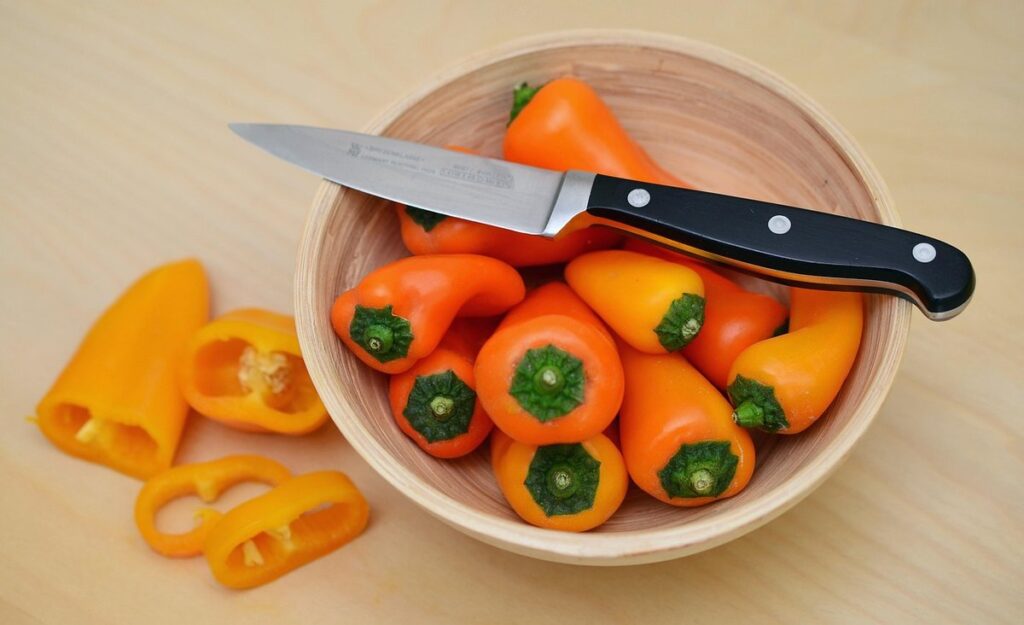
The Concept Behind Growing Peppers in a Fish Tank
You’re probably wondering what could possibly make growing peppers in a fish tank work, and we’ll dive into the innovative concept behind this unusual gardening method.
What Inspired This Idea?
Growing peppers in a fish tank may seem like an unconventional idea, but it’s actually inspired by a convergence of innovative gardening techniques and space-saving solutions. With the increasing demand for fresh produce and limited available land, urban gardeners are exploring new ways to cultivate their favorite crops without sacrificing style or functionality.
One such method is called “aquaponics,” which combines traditional aquaculture with hydroponic systems. In an aquaponic setup, fish waste serves as a natural fertilizer for plants, eliminating the need for synthetic chemicals and minimizing water usage. This closed-loop system not only reduces environmental impact but also allows gardeners to grow multiple crops simultaneously in a single container.
I was inspired by the prospect of growing peppers in a fish tank because it offers an innovative solution for small-space gardening. By utilizing vertical space and integrating hydroponics with aquaculture, even the most novice gardener can successfully cultivate their own peppers – regardless of available land or expertise.
Exploring Similar Hydroponic Systems
Growing peppers in a fish tank is just one of many innovative hydroponic systems being experimented with today. If you’re familiar with other hydroponic methods like NFT (Nutrient Film Technique) or DWC (Deep Water Culture), you might wonder how growing peppers in a fish tank differs.
One key similarity between these systems and the fish tank method is the use of nutrient-rich water to feed the plants, rather than soil. This approach allows for more control over the nutrient levels and can result in faster growth rates. However, when it comes to growing peppers specifically, the fish tank system has some unique advantages.
For instance, the water level in a fish tank can be precisely controlled, which is ideal for pepper plants that require consistent moisture levels. Additionally, the enclosed environment of a fish tank helps maintain optimal temperature and humidity conditions for the plants.
In terms of comparisons with other systems, NFT would likely provide more support for the pepper plant’s roots, while DWC would allow for even greater control over nutrient levels. However, the unique aspect of growing peppers in a fish tank lies in its adaptability to indoor spaces with limited room for setup.
Choosing the Right Pepper Variety for Aquatic Gardening
When it comes to growing peppers in a fish tank, selecting the right variety is crucial for success. Let’s explore some popular pepper options that thrive underwater.
Factors to Consider When Selecting a Pepper Type
When selecting a pepper type for an aquatic gardening setup, there are several factors to consider. Temperature tolerance is crucial, as peppers grown in water can be sensitive to temperature fluctuations. Look for varieties that thrive in cooler temperatures between 65-75°F (18-24°C), such as Thai chilies or Japanese hot peppers.
Growth habits also play a significant role in choosing the right pepper variety. Compact or dwarf varieties like ‘Thai Hot’ or ‘Bird’s Eye’ are ideal for indoor or aquatic environments, as they require less space and support. Consider disease resistance as well, especially if you’re new to growing peppers in water. Some resistant varieties include ‘Padron’, ‘Pimento’, and ‘Sweet Banana’. Be mindful of the pepper’s growth cycle – some varieties, like bell peppers, can grow quite large and may not be suitable for a fish tank.
When selecting a pepper variety, also consider its adaptability to hydroponic conditions. Some peppers, such as the ‘Fresno’ or ‘Cayenne’, have been known to thrive in water-based growing systems. Researching and choosing the right pepper variety will ensure a successful and healthy crop in your aquatic gardening setup.
Popular Pepper Varieties for Fish Tank Gardens
When it comes to growing peppers in a fish tank, selecting the right variety is crucial for success. Here are some popular pepper varieties that thrive in these conditions:
For compact growth and ease of maintenance, consider ‘Thai Hot’ or ‘Bird’s Eye’ peppers. These small-fruited varieties require minimal space and can tolerate variable water temperatures between 68-82°F (20-28°C). They’re perfect for smaller fish tanks and can produce a bountiful harvest in as little as 60 days.
If you have a larger tank, you might prefer ‘Jalapeño’ or ‘Cayenne’ peppers. These mid-sized varieties require slightly more space but offer higher yields and can tolerate warmer water temperatures up to 85°F (29°C). They take around 70-80 days to mature and provide an intense flavor to your dishes.
For the most adventurous gardeners, try growing ‘Habanero’ or ‘Ghost Pepper’. These large-fruited varieties demand plenty of space and can handle extremely warm water temperatures up to 90°F (32°C). However, be warned: they’re highly sensitive to pH fluctuations and require precise nutrient management.
To ensure optimal growth in your fish tank garden, remember to provide adequate lighting (at least 12 hours a day), maintain a consistent temperature between 72-82°F (22-28°C), and keep the water level at about 3/4 full. With these guidelines in mind, you’ll be enjoying fresh homegrown peppers in no time!
Setting Up the Fish Tank Aquaponics System
Before you start adding fish and peppers, let’s set up a solid foundation for your aquaponics system to thrive. This includes choosing the right tank size and understanding key components.
Essential Components of a Functional System
When setting up a fish tank aquaponics system for growing peppers, it’s crucial to have the right equipment in place. A well-designed and functional system will ensure healthy water circulation, adequate oxygen supply, and optimal nutrient delivery for your pepper plants.
To start with, you’ll need a suitable fish tank that can accommodate both your aquatic friends and the plant roots. Aim for a minimum size of 20 gallons to maintain stable water parameters. Next, consider investing in a reliable water circulation pump to keep the water moving and prevent stagnation. This will also help distribute nutrients evenly throughout the system.
Aeration is another vital component – use an aerator to inject oxygen into the tank and promote healthy fish growth. You can choose between submersible or external aerators, depending on your setup’s specific needs. Lastly, implement a nutrient delivery system that caters to both plants and fish. This could be in the form of biofilters, which utilize beneficial bacteria to break down waste products and release essential nutrients for plant growth.
For instance, a floating raft system can provide ample space for pepper plants while allowing excess nutrients from fish waste to be absorbed by plants’ roots. When selecting equipment, keep your pepper varieties’ specific needs in mind – they may require different water circulation rates or nutrient levels. By investing in the right components and understanding their function, you’ll set yourself up for success in creating a thriving aquaponics system.
Tips for Creating an Optimal Environment
Creating an optimal environment is crucial for a thriving aquaponics system, especially when growing peppers in a fish tank. Let’s dive into some essential tips to ensure your water parameters are just right.
Firstly, maintain a pH level between 6.5 and 7.5 for most pepper varieties. Avoid drastic changes, as this can shock the fish and plants. Regular water testing will help you monitor pH levels and make adjustments accordingly. Keep in mind that peppers prefer slightly acidic to neutral water conditions, so aim for a sweet spot around 7.
Lighting is also vital for pepper growth. Provide sufficient LED lighting (10-14 hours of light per day) to promote photosynthesis. Be cautious not to over-light, as this can lead to nutrient deficiencies and stressed fish. Consider using adjustable timers or dimmers to fine-tune your lighting schedule.
Lastly, ensure your plants have ample space to grow. A general rule is to provide at least 2-3 square feet of space per pepper plant. This allows for healthy root development and air circulation, reducing the risk of disease and pests.
Nutrient Requirements for Pepper Plants in Fish Tanks
To grow peppers successfully in a fish tank, you’ll need to provide your plants with the right mix of nutrients, which can be tricky when working within a self-contained aquatic system.
Understanding the Nutrient Cycle
In an aquaponics system, nutrients are constantly being cycled through the water to support plant growth. This nutrient cycle is crucial for pepper plants, as they require a balanced diet of nitrogen (N), phosphorus (P), and potassium (K) to thrive. Beneficial bacteria play a vital role in this process, converting ammonia from fish waste into nitrate, which can be easily absorbed by the plants.
A well-functioning aquaponics system will maintain optimal NPK levels for pepper plants. For example, a mature plant may require around 100-150 ppm (parts per million) of nitrogen, 30-50 ppm of phosphorus, and 200-300 ppm of potassium. To achieve this balance, it’s essential to monitor water parameters regularly and make adjustments as needed.
To promote healthy beneficial bacteria growth, ensure your system maintains a pH range of 6.8-7.2, with adequate dissolved oxygen levels (around 5-10 mg/L). Regularly test for ammonia, nitrite, and nitrate levels to prevent nutrient deficiencies or toxicities. By understanding the nutrient cycle and monitoring water parameters, you’ll be well on your way to growing robust and healthy pepper plants in your fish tank aquaponics system.
Providing Essential Nutrients Through Supplements or Natural Methods
When it comes to growing peppers in a fish tank, providing essential nutrients is crucial for their health and productivity. While you can’t rely solely on the water’s natural nutrient levels, there are several methods to introduce necessary nutrients into the system.
One approach is through supplements. You can use plant-specific fertilizers that contain micronutrients like iron, magnesium, and calcium. For example, a balanced fertilizer with a 20-20-20 N-P-K ratio (nitrogen-phosphorus-potassium) can provide peppers with the necessary building blocks for growth. However, be cautious not to over-fertilize, as this can lead to nutrient burn.
Another natural source of nutrients is fish waste. Beneficial bacteria in the tank break down waste into nutrients that plants can absorb. To maximize this process, maintain a healthy balance between fish population and plant size. Additionally, integrated nutrient delivery systems (INDS) can be installed in the tank to provide a steady supply of essential nutrients.
These methods work together to create a thriving environment for your pepper plants to grow and produce fruit.
Challenges and Solutions When Growing Peppers in Fish Tanks
Growing peppers in fish tanks comes with its own set of unique challenges, from pH balance to root growth, which can be tricky to navigate. We’ll walk you through some common issues and their solutions.
Identifying Common Issues and Troubleshooting
When growing peppers in fish tanks, it’s not uncommon to encounter some common issues. One of the most noticeable problems is algae growth. Algae can quickly take over the tank, suffocating your pepper plants and affecting their growth. To combat this, make sure to maintain a balanced water chemistry by regularly checking pH levels and nutrient intake. A good rule of thumb is to implement a 10-15% water change every week.
Another issue you might encounter is root bound problems. As your pepper plant grows, its roots can become constricted, stunting growth and preventing the plant from absorbing nutrients. To prevent this, ensure that your tank has adequate space for the roots to grow. You can also consider transplanting your pepper plants into a larger tank or container when necessary.
Pest infestations are another potential problem when growing peppers in fish tanks. Common pests like aphids, whiteflies, and spider mites can quickly spread and cause damage to your plant. To prevent this, keep your tank clean and free of debris, and use neem oil or insecticidal soap to control any pest outbreaks.
It’s also essential to monitor your pepper plants for signs of nutrient deficiencies. A lack of essential nutrients like nitrogen, phosphorus, or potassium can stunt growth and affect fruit production. Regular water tests and adjustments will help ensure that your plants are receiving the necessary nutrients to thrive.
Managing Water Quality and Maintaining Balance
Managing water quality and maintaining balance is crucial when growing peppers in fish tanks. You see, a stable ecosystem allows both plants and fish to thrive together harmoniously. To achieve this, regular water checks are necessary to monitor pH levels, ammonia, nitrite, and nitrate concentrations. Aim for a range of 6.5-7.5 pH, as this is optimal for pepper growth.
Schedule regular cleaning of the tank every 1-2 weeks to prevent algae buildup and maintain water circulation. This will also help control bacteria growth that can harm your fish. Monitor water parameters daily, adjusting levels as necessary to ensure balance between plant and animal health. Maintain a balance of beneficial bacteria by introducing them through a starter culture or activated charcoal.
To keep the ecosystem healthy, maintain optimal water temperatures for both plants (around 75-85°F) and fish (70-80°F). This delicate balance will help your pepper plants flourish alongside their aquatic companions, creating a symbiotic environment. Regular monitoring of water parameters will ensure that your tank remains stable and healthy, providing the ideal conditions for successful pepper cultivation in this unique setting.
Harvesting Peppers Grown in Fish Tanks: Tips and Best Practices
Now that you’ve successfully grown peppers in your fish tank, it’s time to harvest them – here are some tips on how to do so without damaging your plants. Learn the best harvesting practices to get the most out of your underwater pepper garden.
Timing of Harvest for Optimal Flavor and Quality
When it comes to harvesting peppers grown in fish tanks, timing is everything. You’ll know it’s time to pick your peppers when they reach their optimal color, flavor, and texture. For most pepper varieties, this means waiting for them to change from green to their final color – whether that’s red, yellow, orange, or even purple.
As a general rule of thumb, bell peppers will be fully ripe about 3-5 days after they’ve changed color. However, the exact timing will depend on factors like temperature and light exposure. Warmer temperatures (above 65°F) can speed up the ripening process, while cooler temps (below 55°F) may slow it down.
To encourage your peppers to ripen evenly, make sure they’re getting plenty of indirect sunlight – direct sunlight can cause them to become overripe or even develop sunscald. When you notice a slight softening of the skin and a sweeter aroma, it’s likely time to harvest. Check on your peppers daily to catch them at their peak flavor and quality.
Remember, overripe peppers will not continue to ripen once picked, so be sure to pluck them when they’re still firm but yielding to pressure. This will ensure you get the best possible flavor and texture out of your homegrown peppers.
Post-Harvest Handling and Preservation
When you’ve finally harvested those delicious peppers grown in your fish tank, it’s essential to handle them with care to preserve their quality and extend shelf life. Proper post-harvest handling is crucial, especially since peppers are a delicate crop prone to spoilage.
To start, gently remove the peppers from the tank using a soft-bristled brush or a clean cloth to avoid bruising the fruit. Rinse them under cool running water to remove any dirt or debris that may have accumulated on the plant during the harvesting process. Next, pat the peppers dry with a clean towel to prevent moisture buildup, which can lead to mold and rot.
For storage, keep the peppers in a breathable container or mesh bag at room temperature (around 65-70°F) with moderate humidity. Avoid storing them near direct sunlight or heat sources, as this can cause over-ripening. You can also store them in the refrigerator to slow down the ripening process. Simply place the peppers in an open container and cover with a paper bag or cloth to maintain airflow.
Some preservation techniques worth trying include pickling or making pepper jam using your homegrown harvest. These methods not only add flavor but also help extend shelf life by creating an acidic environment that inhibits bacterial growth. Experiment with different recipes and enjoy the fruits of your labor!
Frequently Asked Questions
What are some common mistakes to avoid when setting up an aquaponics system for pepper cultivation?
Be cautious of overstocking the tank with fish, which can lead to poor water quality and reduced plant growth. Regularly monitor pH levels and make adjustments as necessary. Also, ensure that your tank is properly filtered and aerated to maintain optimal oxygen levels.
Can I use a pre-existing fish tank or do I need to purchase a specialized aquaponics system?
While you can repurpose an old fish tank, consider the specific requirements of an aquaponics system, such as adequate filtration and aeration. If not already equipped with these features, it might be more cost-effective to invest in a dedicated aquaponics setup.
How often should I harvest peppers from my fish tank garden to maintain optimal growth?
Timing is crucial for pepper cultivation. Harvest regularly to encourage continuous production. Remove any spent flowers or immature fruits to direct the plant’s energy towards new growth. Adjust your harvesting schedule based on the specific variety you’re growing and its growth rate.
What are some natural methods I can use to provide essential nutrients to my pepper plants?
Consider using compost tea or worm casting as a nutrient-rich supplement. These methods not only reduce chemical usage but also promote beneficial microbial growth in the tank. Research and experiment with different natural nutrient sources to find what works best for your aquaponics system.
Can I grow multiple types of peppers in the same fish tank, or should I stick to one variety?
While it’s technically possible to grow multiple pepper varieties together, it may lead to overcrowding and increased competition for resources. Consider dedicating separate tanks to different pepper types or staggering their planting schedules to minimize conflicts. This will allow each plant to thrive in its unique environment.