
As the weather starts to change and frost warnings become more frequent, many gardeners are left wondering when to harvest their beloved butternut squash. Should you pick them before the first frost hits or wait until after it’s passed? The answer is not as simple as it seems, and knowing when to harvest your squash can make all the difference in enjoying its full flavor and nutritional benefits.
In this article, we’ll dive into the world of butternut squash harvesting, exploring the benefits of early and late picking. You’ll learn how to check for ripeness, whether it’s before or after a frost event, and discover expert tips on storage methods to keep your squash fresh for longer. Whether you’re a seasoned gardener or just starting out, this guide will help you make informed decisions about harvesting your butternut squash, ensuring you get the best results from your crop.
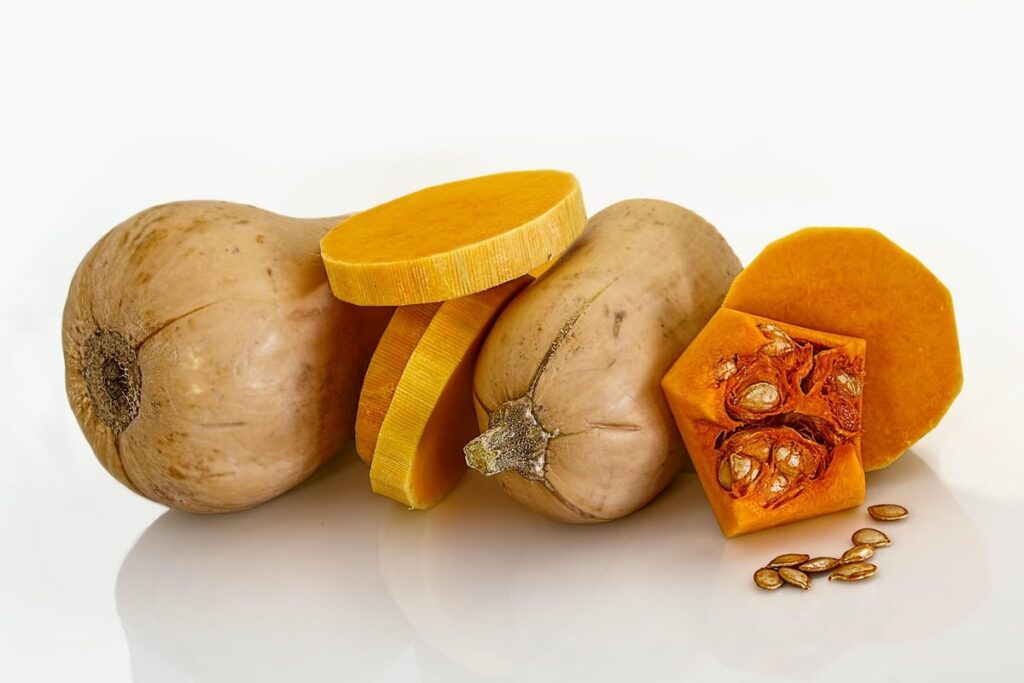
Benefits of Early and Late Harvesting
Whether you choose to harvest butternut squash early or let it mature into late fall, each approach has its advantages. Let’s dive into the benefits of both strategies next.
Why Harvest Before Frost
Harvesting butternut squash before frost is crucial to prevent damage and ensure a bountiful harvest. Frost can cause significant damage to the fruit, making it unharvestable and unusable for cooking. The cold temperatures can also lead to an increase in fungal diseases, which can further reduce crop yields.
If you wait until after the first frost, the squash will be more susceptible to damage from subsequent frosts. In addition, the longer the squash is exposed to cold temperatures, the higher the risk of rot and decay. To avoid this, it’s essential to keep an eye on the weather forecast and harvest your butternut squash before the first frost.
Typically, 30-60 days after sowing, butternut squash is ready for harvesting. If you notice a slight color change in the skin or a slight softening of the rind, it’s time to dig up the squash. Harvesting early will not only ensure that your crop remains intact but also allow you to enjoy a higher quality and better-tasting squash.
Preparing for Early Harvesting
When planning an early harvest of butternut squash, there are several factors to consider. First and foremost, it’s crucial to check for ripeness. A ripe butternut squash will have a hard, smooth skin that’s free from soft spots or bruises. The stem end should be dry and the squash should have a deep, rich color.
Next, you’ll need to carefully handle the harvested squash to avoid damaging it. Use a sharp knife or garden tool to cut the stem end, taking care not to bruise the surrounding flesh. Once removed, gently lift the squash from the soil, making sure not to twist or yank on the stem.
To prevent damage during handling, consider using a piece of twine or burlap to provide support for the harvested squash. This will help protect it from bumps and bruises as you transport it to your storage area or market stand.
When checking for ripeness, use a kitchen knife to scratch the skin – if it’s ripe, the skin should be difficult to penetrate. If not yet ripe, continue to monitor the squash’s progress, checking every few days until it reaches the desired level of ripeness.
Factors Affecting Harvest Timing
When deciding when to harvest butternut squash, several factors come into play that can affect your decision – weather, plant health, and ripeness are all crucial considerations. Let’s explore these variables further.
Weather Conditions
Weather conditions play a crucial role in determining when to harvest butternut squash. Temperature, for instance, affects the growth and ripening process. Butternut squash grows best in temperatures between 65°F to 75°F (18°C to 24°C). If it’s too hot or cold, the plant may become stressed, leading to poor yields.
Precipitation also impacts butternut squash growth. Consistent moisture promotes healthy development, while drought can cause the fruit to become misshapen and dry. Aim for about 1-2 inches of rainfall per week, supplementing with irrigation if necessary. Too much water can lead to fungal diseases, so ensure good drainage.
Sunlight is another essential factor. Butternut squash requires full sun to produce a bountiful harvest. A minimum of six hours of direct sunlight daily will help the plant ripen properly. Avoid harvesting during intense heatwaves or when temperatures are expected to drop significantly soon.
Keep an eye on these weather conditions and adjust your harvesting schedule accordingly.
Soil Type and Moisture Levels
Soil type and moisture levels play a significant role in determining when to harvest butternut squash. For instance, sandy soils tend to dry out quickly, which can lead to an early harvest if not managed properly. In contrast, clay-rich soils retain moisture for longer periods, potentially causing the squash to mature too late.
Loamy soils, with their ideal balance of sand and silt, are generally considered optimal for butternut squash cultivation. This is because they provide good drainage while retaining sufficient moisture. If you have loamy soil, you can expect a more consistent harvest timing.
To gauge whether your butternut squash is ready to be harvested, check the skin’s coloration. It should be deep orange or yellow, indicating maturity. Also, gently scratch the rind with your fingernail; if it yields easily, it’s likely ripe. Keep in mind that overwatering can lead to rot and poor quality, while underwatering might cause premature ripening.
By monitoring soil moisture levels and adjusting your watering schedule accordingly, you can ensure optimal harvest timing for your butternut squash crop.
The Risks of Harvesting Before Frost
Harvesting butternut squash too early can lead to a host of problems, from rotting and mold to reduced flavor and texture. Let’s examine the risks involved in pulling them out before frost sets in.
Potential Damage from Early Harvesting
Harvesting butternut squash too early can lead to a decrease in flavor and texture, making it less enjoyable to eat. When the squash is not fully matured, it may still be soft and unripe on the inside, even if it looks mature on the outside. This can result in a bland or starchy taste when cooked.
In addition to reduced flavor, early harvesting can also affect the texture of the squash. If picked too soon, it may become mushy or watery when cooked, rather than tender and creamy as expected. This is because the cell walls in the squash are not yet fully developed, leading to a softer and less desirable consistency.
Furthermore, premature harvesting can decrease the storage life of the butternut squash. When the squash is not fully matured, it has higher moisture content, which makes it more susceptible to rot and mold when stored. This can lead to waste and disappointment if you were counting on storing some of your harvest for later use.
To determine if your butternut squash is ready for harvesting, check its size, color, and stem. A mature squash will have a hard, dry rind that’s free from soft spots or cracks, and the stem should be dry and brittle. It’s also essential to wait until the weather has cooled down and the risk of frost has passed to ensure maximum flavor and texture. Harvesting at the right time is crucial for achieving optimal results when cooking with butternut squash.
The Benefits of Harvesting After Frost
Now that we’ve discussed harvesting before frost, let’s explore the benefits of waiting for a few more days and how it can impact your butternut squash crop.
Frost’s Impact on Butternut Squash
Frost can be devastating for butternut squash plants. When temperatures drop below freezing, the water inside the cells of the plant expands and contracts rapidly, causing damage to the cell walls. This can lead to a condition called “frosted spots,” where the skin of the squash becomes soft, mushy, and discolored. If the frost is severe, it can even kill the plant entirely.
The impact of frost on butternut squash affects harvest timing in several ways. First, frosted squash may not store well, as the damage to the skin makes them more susceptible to decay. Second, even if the squash appears healthy after a light frost, it may not have enough time to mature properly before another frost event. As a result, harvesting butternut squash after frost can be challenging.
To minimize losses, check your plants regularly for signs of frost damage. If you notice any frosted spots or softening of the skin, remove affected areas to prevent decay from spreading. Keep in mind that even healthy-looking squash may not store well if they’ve been exposed to frost, so plan accordingly when storing and preparing them for consumption.
Post-Frost Care and Handling
After a frost event, it’s essential to inspect your butternut squash carefully for signs of spoilage. Check for soft spots, mold, and discoloration on the skin. If you notice any damage, it’s best to discard the affected areas or the entire squash if the damage is extensive.
When harvesting after a frost, handle the squash gently to prevent bruising, which can lead to rotting. Use a clean knife or tool to cut the stem, leaving about 2-3 inches of the stem attached to the squash. This will help the squash breathe and reduce moisture accumulation inside the fruit.
Proper storage is crucial after a frost event. Keep your harvested butternut squash in a cool, dry place with good air circulation. Store them away from direct sunlight and heat sources. If you plan to store them for an extended period, consider using a ventilated container or paper bags to maintain airflow.
Remember that even if your squash looks healthy after a frost, the cold temperatures can weaken the skin’s natural protective barrier, making it more susceptible to decay. Regularly inspect your stored squash and remove any rotting parts to prevent the spread of mold and extend their shelf life.
Preparing for Harvest
Before frost hits, you’ll want to prepare your butternut squash patch for harvest by clearing any debris and checking the weather forecast to plan accordingly.
Checking for Ripeness
Checking for ripeness is crucial to ensure that your butternut squash is ready for harvest and has the best flavor. A ripe butternut squash will have a deep, rich color, which can vary from yellow to orange to dark brown, depending on the specific variety. However, it’s not just about the color; size and sound are also important indicators.
A mature butternut squash will typically be around 6-8 inches long and weigh between 5-20 pounds, depending on the type. Gently lift the squash and feel its weight – a ripe one should feel heavy for its size. Next, thump the squash gently with your knuckles; a ripe butternut will have a deep, hollow sound, while an unripe one will be more metallic.
If you’re still unsure, carefully slice off a small portion of the stem end. If the flesh is firm and sweet-smelling, it’s ready to harvest. Be cautious not to damage the squash during handling, as this can lead to spoilage or bruising. By checking for color, size, and sound, you’ll be able to determine if your butternut squash is ripe and ready for harvest before or after frost.
Tools and Equipment Needed
To safely and efficiently harvest your butternut squash, you’ll need the right tools and equipment. A sturdy rake or garden fork is essential for gently prying up the squash from the soil without damaging it. Make sure to choose a tool with long handles to prevent straining your back.
You’ll also want a sharp, clean knife or pruning saw for cutting the stem that connects the squash to the vine. This will help you avoid bruising the skin and causing damage during handling.
A wheelbarrow or large container will come in handy for transporting the harvested squash to a safe area. If you’re planning to store them, make sure your containers are clean and dry to prevent moisture buildup and rotting.
Lastly, don’t forget a pair of gloves to protect your hands from the rough skin and any potential thorns on the vine. This will also help prevent slips and falls when handling heavy squash. With these tools in hand, you’ll be well-prepared for a successful butternut squash harvest, whether it’s before or after frost.
Storing Harvested Butternut Squash
Now that you’ve harvested your butternut squash, let’s talk about storing it to keep it fresh and ready for use throughout the winter months. Proper storage is key to preserving its flavor and texture.
Storage Methods and Options
Proper storage of harvested butternut squash is crucial to maintaining its quality and shelf life. To keep your squash fresh for as long as possible, you’ll want to choose a cool, dry place with good air circulation. A basement or root cellar is ideal, as the consistent cooler temperatures will slow down the ripening process.
If you don’t have access to such a space, you can also store your butternut squash in a ventilated garage or shed. Just be sure to keep it away from direct sunlight and any heat sources. When storing, make sure the squash is not touching each other, allowing for some space between them to promote air circulation.
You can also use specialized containers like cardboard boxes with holes drilled into them or mesh bags to store your butternut squash. These will help maintain airflow while keeping pests out. It’s essential to keep the squash dry, as moisture can cause mold and rot.
Tips for Long-Term Storage
If you’ve harvested your butternut squash before the first frost, congratulations! You’re on the right track. To ensure that your precious squash stays fresh for as long as possible, it’s essential to store them properly.
First and foremost, choose a cool, dry place with good ventilation. A basement or a root cellar is ideal, but if you don’t have either of these, a garage or an unheated shed will do. The temperature should be around 50°F (10°C) to 60°F (15°C), which is slightly cooler than room temperature.
When storing your squash, handle them gently to avoid bruising the skin. Place them on their sides in a single layer to prevent moisture from accumulating and causing rot. You can also store them in paper bags or breathable containers like mesh bags or ventilated boxes to maintain airflow.
To extend the shelf life of your butternut squash, it’s crucial not to wash them before storing. Excess moisture will accelerate decay, so gently brush off any dirt with a soft-bristled brush instead. With proper storage and handling, you can enjoy your homegrown butternut squash for several months, even up until next year’s harvest.
Conclusion
In conclusion, determining when to harvest butternut squash is crucial for its quality and flavor. If you wait too long, the squash will become overripe and mushy, making it difficult to store and cook with. On the other hand, harvesting before frost can result in a higher yield and better texture. To maximize your harvest, keep an eye on the weather forecast and inspect your plants regularly for signs of ripeness.
If you’ve already planted butternut squash in your garden, consider checking on them more frequently as fall approaches. Harvesting at the right time will not only give you delicious results, but also provide you with a sense of accomplishment and satisfaction from growing your own food. With this knowledge, you’ll be well-equipped to enjoy a bountiful harvest and make the most out of your butternut squash crop.
Frequently Asked Questions
What if I forgot to check for ripeness before a frost warning, can the butternut squash still be saved?
If you’ve stored your harvested butternut squash in a cool, dry place and haven’t noticed any visible signs of damage, it’s worth checking for ripeness. Gently press the skin; if it yields slightly to pressure, it may still be salvageable. However, if the skin is soft or mushy, it’s likely too late.
Can I store harvested butternut squash in a basement or garage without proper ventilation?
No. Improper storage can lead to fungal diseases and mold growth. Ensure your storage area has good airflow and maintain a temperature between 40°F (4°C) and 50°F (10°C). This will help extend the shelf life of your harvested squash.
Will harvesting before frost affect the taste or nutritional value of my butternut squash?
Not significantly. While harvesting too early can lead to immature fruit, which may be bland and starchy, most varieties are ready to harvest when mature, even if picked before a frost event. The storage process will help maintain its flavor and nutrients.
Can I grow other types of winter squash in the same spot after removing butternut squash?
Yes. Winter squashes like acorn or spaghetti squash have different growth habits and can be grown in the same location as butternut squash, provided you rotate your crops to avoid depleting soil nutrients. Ensure proper crop rotation for optimal results.
How do I handle a sudden frost warning after harvesting some of my butternut squash?
If you’ve already harvested part of your crop, focus on protecting the remaining squash from frost damage. Use blankets or sheets to cover them during the night, and consider bringing any large pots indoors if possible. This will help minimize potential damage from early frosts.