
If you’re eager to harvest juicy fruits from your garden, but don’t have a lot of space or time to wait, this post is for you! Growing fruit trees can be a thrilling experience, but it often requires patience and a significant amount of land. However, what if I told you there are tree varieties that can produce delicious fruits in less than 5 years? That’s right – with the right selection, you can enjoy fresh berries, citrus, or apples sooner rather than later. In this article, we’ll explore the best fruit trees for quick harvests, including dwarf apple trees and compact citrus options. We’ll also discuss how to choose and care for these trees, so you can start enjoying your homegrown fruits in no time!
Understanding the Basics of Fruit Tree Selection
When it comes to selecting fruit trees, there are several key factors to consider before making a decision that suits your needs and goals. Understanding these basics is essential for choosing the right tree.
Factors to Consider When Selecting a Fruit Tree
When selecting a fruit tree that will bear fruit in under 5 years, there are several key factors to consider. First and foremost, you’ll need to think about the climate of your region. Different types of fruit trees thrive in various environments, so it’s essential to choose a tree that is well-suited to your local climate. For example, citrus trees like lemons and oranges prefer warmer temperatures, while apples and pears can tolerate cooler conditions.
Next, you’ll need to consider the type of soil in your garden. Fruit trees require specific soil conditions to grow well, so it’s crucial to choose a tree that will thrive in the soil type you have available. For instance, trees like figs and loquats prefer well-draining soil, while pomegranates and olives can tolerate poor soil conditions.
Additionally, think about the amount of space you have available for your fruit tree. Make sure to choose a tree that is compact or dwarf-sized if you’re short on space, as these varieties tend to produce fruit more quickly than larger trees.
Types of Fruit Trees Suitable for Small Spaces
When working with limited space, choosing the right fruit tree is crucial to ensure it thrives and produces fruit quickly. Dwarf varieties are perfect for small spaces as they naturally grow slower than their standard counterparts. Consider growing dwarf apple (Malus domestica), peach (Prunus persica), or plum trees (Prunus americana). These compact trees can produce fruit in as little as 3-4 years, making them ideal for small gardens.
Another option is to opt for container-friendly trees like figs (Ficus carica) and citrus varieties such as lemons (Citrus limon) and limes (Citrus aurantifolia). These trees are well-suited for containers because they have smaller root systems and don’t require extensive pruning. However, keep in mind that even dwarf or compact fruit trees still need regular maintenance to ensure optimal growth.
Some popular varieties of compact fruit trees include ‘Red Delicious’ apple, ‘Bartlett’ pear (Pyrus communis), and ‘Nectarina’ peach. These trees can be pruned regularly to maintain a manageable size while promoting healthy fruit production. With proper care, these compact fruit trees can provide you with delicious homegrown fruits in under 5 years.
Fast-Growing Fruit Tree Options
If you’re eager to harvest your own fruit sooner rather than later, you’ll love these fast-growing options that can produce delicious results in under 5 years! Let’s dive into some of the top choices.
Dwarf Apple Trees: A Popular Choice for Home Gardeners
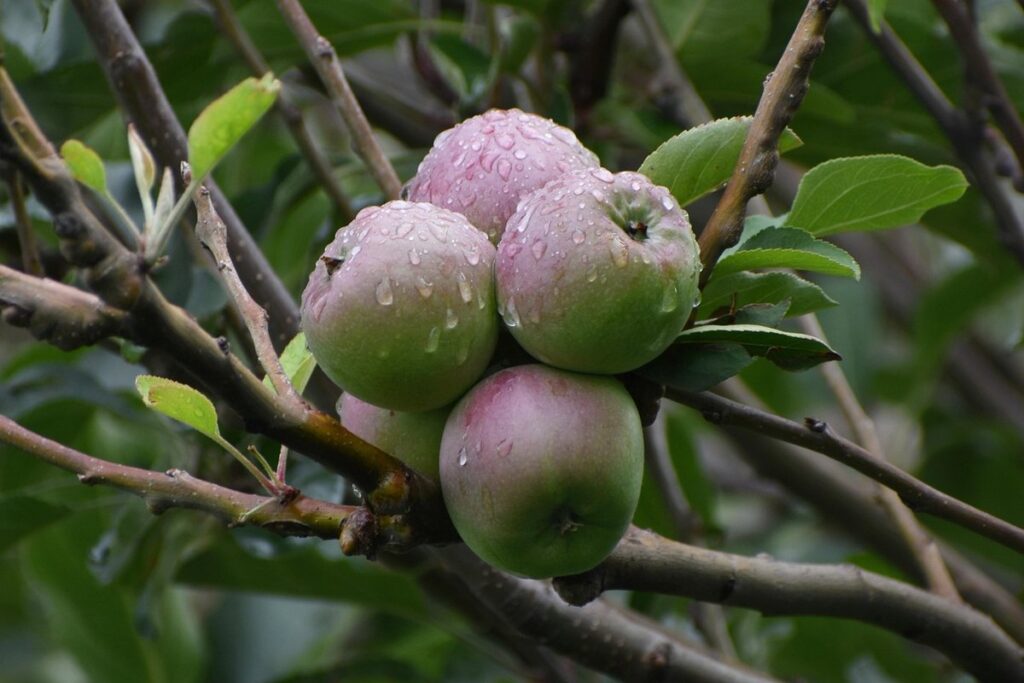
Dwarf apple trees have become increasingly popular among home gardeners due to their compact size and rapid growth rate. Reaching maturity in as little as 2-3 years, dwarf apple trees are perfect for those who want fruit quickly. These trees typically grow between 6-10 feet tall, making them ideal for small spaces or containers.
One of the main advantages of dwarf apple trees is their high fruit production. They produce multiple branches and a large number of flowers, resulting in a significant yield. Some popular varieties like ‘Red Delicious’ and ‘Gala’ are known to produce an abundance of fruit within 2-3 years of planting.
Another benefit of dwarf apple trees is their disease resistance. Many varieties have been bred to be resistant to common diseases such as powdery mildew and scab, making them a great choice for gardeners who want low-maintenance trees. To maximize the growth rate and fruit production of your dwarf apple tree, ensure it receives full sun (6-8 hours of direct sunlight) and well-draining soil. With proper care, you can enjoy fresh apples from your own backyard in as little as 2 years.
Compact Citrus Trees: A Guide to Growing in Containers
Compact citrus trees are an excellent option for those with limited space or wanting to grow fruit quickly. These trees can thrive in containers and produce fruit within 3-5 years. When selecting a compact citrus tree, look for varieties like the ‘Dwarf Washington’ navel orange, ‘Dwarf Meyer’ lemon, or ‘Calamondin’ dwarf orange.
To ensure your compact citrus tree grows well in a container, choose a pot that is at least 14 inches deep to accommodate its root system. Use a well-draining potting mix and fertilize regularly with a citrus-specific fertilizer. Water your tree when the top inch of soil feels dry to the touch.
Pruning is also crucial for compact citrus trees. Remove any dead or diseased branches, and shape the tree to maintain a central leader. This will help promote healthy growth and encourage fruiting. With proper care, your compact citrus tree can produce up to 10 pounds of fruit per year in as little as three years.
Regular fertilization and pruning will also help control pests and diseases that can harm your tree.
Fruiting Shrubs That Bear Fruit Quickly
If you’re looking for a quick fruiting option, shrub varieties are definitely worth exploring, as they can start producing within 2-3 years. In this section, we’ll highlight some top picks.
Blueberry Bushes: A Low-Maintenance Option for Home Gardeners
If you’re looking for a low-maintenance option to produce fruit quickly, blueberry bushes are an excellent choice. One of the biggest benefits of growing blueberry bushes is their fast fruiting cycle – they typically start producing fruit within 2-3 years after planting, making them ideal for home gardeners who want to harvest fresh fruit in under 5 years.
In comparison to other fruit trees that require extensive care and maintenance, blueberry bushes are relatively easy to grow. They thrive in acidic soils with a pH between 4.0 and 6.0, and regular watering is all they need to produce an abundance of juicy berries. Pruning is also minimal – simply trim off any dead or diseased branches, and your blueberry bush will be producing fruit in no time.
To get started with growing blueberry bushes, choose a variety that’s suitable for your climate and soil type. Some popular varieties include ‘Duke’, ‘Bluecrop’, and ‘Patriot’. Plant them in well-draining acidic soil, water regularly, and enjoy the sweet rewards of your labor within a few years!
Currant Shrubs: A Compact Alternative to Traditional Fruit Trees
Currant shrubs are an excellent choice for gardeners who want to enjoy fresh fruit quickly without committing to large spaces. These compact shrubs can thrive in containers and produce multiple harvests per year, making them a perfect alternative to traditional fruit trees.
There are two main types of currant shrubs: black currants (Ribes nigrum) and red currants (Ribes rubrum). When choosing a variety for your garden, consider factors such as space constraints, climate, and desired flavor profile. Black currants tend to be more disease-resistant and can tolerate cooler temperatures.
To ensure healthy growth and maximum fruit production, prune your currant shrubs annually. Remove dead or diseased branches in late winter or early spring, and trim back new growth after harvest to encourage bushy habits and prevent legginess. Water regularly during the first year, especially if growing in containers, but avoid overwatering which can lead to root rot.
Fertilize your currant shrubs with a balanced fertilizer in early spring, following package instructions for optimal results. With proper care, these shrubs will reward you with bountiful harvests of sweet and tangy fruits within 3-4 years, providing you with the fruit you crave without waiting too long.
Tips for Promoting Fruit Production in Young Trees
Now that you’ve chosen your fruit tree, let’s focus on ensuring it produces fruit quickly by following some essential tips for young trees. This includes proper pruning, fertilization, and protection from pests and diseases.
Proper Pruning Techniques for Young Fruit Trees
Proper pruning techniques are crucial for young fruit trees to promote healthy growth and maximize fruit production. When trees are first planted, they need time to establish a strong root system before being pruned. However, proper pruning at the right stages can help shape the tree’s structure, encourage branching, and increase fruiting potential.
For the first year after planting, prune your young tree minimally to allow it to focus on developing its roots. During this period, you can remove any dead or diseased branches, but avoid over-pruning as it can stress the tree further.
Once the tree has reached about 12-18 inches in height, you can start pruning more aggressively to promote a strong central leader and encourage lateral branching. Remove any weak or crossing branches to allow sunlight to penetrate the canopy and air to circulate freely around the fruiting branches.
By pruning your young fruit trees correctly, you’ll be giving them the best chance of producing an abundance of delicious fruit in under 5 years.
Fertilization Strategies for Maximizing Fruit Yield
When it comes to promoting fruit production in young trees, fertilization is a crucial aspect to consider. The right fertilizer can make all the difference in maximizing fruit yield and ensuring your tree bears fruit within the desired timeframe of under 5 years.
For young trees, it’s essential to choose organic or natural fertilizers that are gentle on the soil while providing necessary nutrients for growth. Compost tea is an excellent option as it promotes beneficial microbes in the soil, improving nutrient uptake and plant health. You can also use well-balanced organic fertilizers like fish emulsion or bone meal.
Another strategy is to adopt a “feast and famine” approach to fertilization. This involves providing heavy doses of fertilizer during the growing season when your tree is actively producing fruit, followed by periods of reduced or no fertilization during the dormant season. This technique allows your tree to utilize nutrients efficiently while avoiding over-fertilization.
Aim for 1-2 pounds of nitrogen per year for young trees, adjusting as needed based on soil test results and tree growth. It’s also essential to keep in mind that excessive fertilizer use can lead to environmental issues like water pollution or harm beneficial microorganisms in the soil. By adopting a balanced fertilization strategy and using natural methods, you’ll be well on your way to maximizing fruit yield from your young trees.
Common Challenges Faced by Home Gardeners Growing Fruit Trees
Growing fruit trees can be a thrilling experience, but many home gardeners face common challenges that hinder their success. Let’s explore some of these obstacles together.
Identifying and Managing Pests and Diseases
Growing fruit trees can be a rewarding experience, but it’s not without its challenges. One of the most frustrating issues home gardeners face is identifying and managing pests and diseases that can affect their crops. As you’re trying to coax fruit from your tree in under 5 years, it’s essential to be aware of the common culprits.
Common pests like aphids, whiteflies, and spider mites can quickly spread across a tree, sucking sap and reducing yields. To identify them, look for curled or distorted leaves, sticky honeydew on branches, or tiny eggs on stems. Prevention is key – use neem oil or insecticidal soap to deter these pests. If infestation persists, introduce natural predators like ladybugs or lacewings.
Diseases such as powdery mildew, root rot, and fire blight can also wreak havoc on your tree. These often manifest as yellowing leaves, blackened bark, or oozing sap. Practice good sanitation by removing weeds, debris, and waterlogged soil to reduce the risk of disease. Regularly inspect your tree for signs of stress, and treat promptly with fungicides if necessary.
In some cases, it’s best to intervene early on – prune affected branches, repot in fresh soil, or adopt more resistant varieties. By staying vigilant and taking proactive measures, you can safeguard your fruit trees from pests and diseases, ensuring they thrive and produce a bountiful harvest in under 5 years.
Troubleshooting Common Issues with Fruit Tree Growth
When growing fruit trees at home, it’s not uncommon to encounter issues that hinder their growth and productivity. One of the most frustrating problems is when a tree seems to be struggling or showing no signs of life despite proper care.
Firstly, let’s tackle the issue of slow growth in young fruit trees. This can often be attributed to inadequate watering, poor soil quality, or insufficient sunlight. Make sure your young trees are receiving at least 6 hours of direct sunlight daily and water them regularly but avoid overwatering. It’s also essential to use a well-draining potting mix specifically designed for fruit trees.
Another common problem is pests and diseases that can quickly spread and damage the tree. Regularly inspect your trees for signs of infestation or disease, such as whiteflies, aphids, or powdery mildew. Use organic pest control methods whenever possible, like neem oil or insecticidal soap, to prevent harm to beneficial insects.
In some cases, fruit trees may not produce fruit at all due to a lack of pollination. If you’re growing self-fertile varieties, this might not be an issue. However, if you have multiple trees that require cross-pollination, ensure they are planted within 20-30 feet of each other to facilitate proper pollination.
If your tree is already producing fruit but the yield is low or inconsistent, it could be due to factors such as nutrient deficiencies, insufficient pruning, or poor soil pH. Take a closer look at your tree’s growing conditions and make adjustments accordingly.
Expert Advice: Interviews with Experienced Fruit Tree Growers
We spoke with experienced fruit tree growers who shared their top picks for fast-bearing varieties, perfect for home gardeners seeking a quick harvest. From apples to pears, they weigh in on the best trees to plant now.
Insights from Professional Fruit Tree Growers
As we’ve seen from our research on varieties that produce fruit within a short timeframe, it’s essential to hear from experienced growers who have been there and done that. I had the opportunity to connect with some of these experts, and they shared valuable insights on how to choose the right fruit trees for optimal yield.
According to John, a seasoned apple tree grower in Washington state, “One key factor is choosing varieties that are naturally more productive.” He recommends selecting dwarf or semi-dwarf rootstocks, which produce smaller but more frequent harvests. This approach can significantly reduce the time it takes for your trees to bear fruit – often within 2-3 years.
Another expert I spoke with was Emma, a passionate citrus grower in California. She emphasized the importance of selecting varieties that thrive in your local climate and soil conditions. “Some dwarf or semi-dwarf citrus trees can produce fruit in as little as 12-18 months,” she shared. However, these faster-maturing varieties may require more frequent pruning to maintain their compact size.
I also learned from a small-scale orchardist named Mark that “container-grown fruit trees can be an excellent option for early production.” By planting trees in containers and then transplanting them into the ground when they’re around 1-2 feet tall, growers can enjoy fruit sooner. This method allows for better soil quality control and can help reduce rootstock-induced growth delays.
These experienced growers all agree: the right combination of tree selection and proper care can result in a bountiful harvest within five years or less.
Frequently Asked Questions
Can I grow fruit trees indoors, or do they require full sun?
Yes, while most fruit trees prefer full sun, there are some compact and dwarf options that can thrive in partial shade or even indoor conditions with sufficient light. For example, dwarf citrus trees like lemons and limes can tolerate indoor growing with plenty of indirect sunlight.
How often should I water my newly planted fruit tree?
Newly planted fruit trees require consistent moisture, especially during their first year of growth. Water your tree deeply once or twice a week, depending on weather conditions. As the tree matures, it will develop deeper roots and become more drought-tolerant.
What’s the best way to prevent pests and diseases in my fruit tree?
Prevention is key when it comes to managing pests and diseases. Regularly inspect your tree for signs of damage or infection, and take action promptly if you notice any issues. Use organic methods like neem oil, insecticidal soap, or copper-based fungicides to control infestations.
Can I grow multiple types of fruit trees together in the same space?
Yes, many fruit trees can be grown in close proximity without affecting each other’s growth or productivity. However, some trees have specific growing requirements, so make sure to research compatibility before planting multiple varieties in the same space.
How long does it take for a newly planted fruit tree to start producing fruit?
The time it takes for a newly planted fruit tree to produce fruit varies depending on factors like climate, soil quality, and tree variety. Generally, dwarf and compact trees will start bearing fruit within 2-3 years, while standard varieties may take 5-7 years or more to mature.