
Are you tired of picking just a handful of apples from your tree? A bountiful harvest can bring joy and satisfaction to any gardener, but sometimes it feels like a distant dream. If you’re wondering how to get more out of your apple tree, you’re not alone. Increasing your yield requires some careful planning and attention to detail. In this article, we’ll walk you through the essential steps to boost your apple harvest. From choosing the right variety for your climate to mastering pruning techniques and pest management strategies, we’ve got you covered. Whether you’re a seasoned gardener or just starting out, our comprehensive guide will help you unlock your tree’s full potential and enjoy a more abundant harvest.
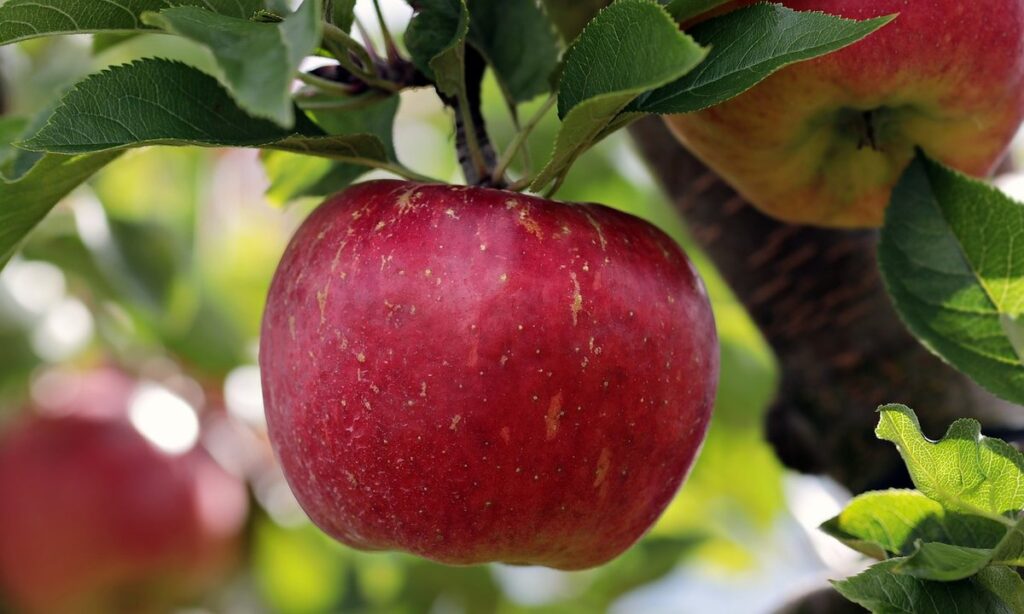
Understanding Your Apple Tree’s Potential
To achieve a bountiful harvest, it’s essential to understand your apple tree’s potential and how to optimize its growth. Let’s explore the key factors that impact yield.
Choosing the Right Variety
When it comes to maximizing your apple harvest, choosing the right variety of tree is crucial. Not all apple trees are created equal, and some produce much more fruit than others. To get a bigger harvest from your tree, you’ll want to select a variety that’s known for its high yields.
Consider factors like climate and soil type when selecting an apple tree variety. For example, if you live in a hot and dry climate, look for varieties that are resistant to heat stress and drought. Some good options include ‘Red Delicious’ and ‘Gala’. On the other hand, if your soil is heavy clay or sandy, choose a variety that’s tolerant of these conditions.
You’ll also want to think about the desired harvest season. Do you want apples in the fall, winter, or spring? Varieties like ‘Honeycrisp’ and ‘Fuji’ produce apples in the fall, while ‘Granny Smith’ and ‘Golden Delicious’ produce them in the spring.
Some popular high-yielding apple tree varieties include ‘Braeburn’, ‘Cripps Pink’, and ‘McIntosh’. These trees are not only productive but also relatively disease-resistant. By choosing a variety that suits your climate, soil type, and harvest preferences, you’ll be well on your way to maximizing your apple harvest.
Assessing Tree Health and Structure
When it comes to maximizing your apple harvest, understanding your tree’s overall health and structure is crucial. Take a step back and observe your tree from all angles to identify potential issues that might be hindering its productivity.
Start by evaluating your tree’s branching pattern. A well-balanced tree with an open center system will allow sunlight to reach every branch, promoting healthy growth and fruiting. Look for signs of weak or damaged branches that may be causing uneven growth or blocking air circulation. Prune these off to create a more balanced structure.
Next, inspect the root system by gently digging around the base of the tree. Healthy roots should be thick, fibrous, and spread out in all directions. If you notice signs of root circling, forked, or decayed roots, it may indicate root stress, which can impact fruit production. Improve soil conditions, mulch around the base, and consider using a root stimulant to promote healthy growth.
Watch for signs of stress or disease such as yellowing leaves, premature leaf drop, or fungal growths on stems or fruits. Address these issues promptly by adjusting watering schedules, treating pests or diseases with organic methods, and providing necessary nutrients through balanced fertilizers.
Soil Preparation: The Foundation of a Lush Harvest
To grow a bountiful crop, it all starts with preparing the soil around your apple tree, where you’ll make crucial decisions on fertilizers and pH levels. This section will guide you through that process.
Testing and Amending Your Soil
Testing and amending your soil is a crucial step in creating an ideal environment for your apple tree to thrive. To begin, you’ll want to test your soil pH and nutrient levels. You can purchase a soil testing kit at most gardening stores or have your local nursery do the testing for you. The results will show you if your soil is too acidic (low pH) or alkaline (high pH), as well as any nutrient deficiencies.
Most apple trees prefer a slightly acidic to neutral soil pH, between 6.0 and 7.0. If your test reveals that your soil is too acidic, you can add lime to raise the pH. Conversely, if it’s too alkaline, you’ll need to add sulfur or elemental iron. As for nutrient deficiencies, common issues include low potassium (K), nitrogen (N), and phosphorus (P) levels.
To amend your soil, consider adding compost or well-rotted manure to provide essential nutrients. You can also use organic fertilizers like fish emulsion or bone meal. Be sure to follow the manufacturer’s instructions for application rates, as over-fertilization can harm your tree. By adjusting your soil pH and nutrient levels, you’ll be giving your apple tree a solid foundation for a bountiful harvest.
Organic vs. Synthetic Fertilizers
When it comes to fertilizing your apple tree, you’re faced with a crucial decision: organic or synthetic fertilizers? While both options have their benefits and drawbacks, understanding the differences will help you make an informed choice that supports your tree’s health and boosts its productivity.
Organic fertilizers, such as compost or manure, work in harmony with nature to promote soil fertility. They release nutrients slowly, allowing trees to absorb them gradually, which leads to healthier growth and more robust fruit production. For instance, a study by the University of California found that apple trees treated with organic fertilizer produced 20% more fruit than those receiving synthetic fertilizers.
On the other hand, synthetic fertilizers are high in nitrogen, phosphorus, and potassium but can be detrimental to soil health if overused. They stimulate rapid growth but often lead to weak branches, reduced fruit quality, and increased susceptibility to pests and diseases. Aiming for a balanced approach by using organic fertilizers as the primary source of nutrients will yield better results than relying solely on synthetic options.
When applying either type, it’s essential to consider the specific needs of your tree and soil conditions. For example, if you have alkaline soil, you may want to opt for an acidic fertilizer like compost tea to help balance pH levels. By carefully choosing the right fertilizer and following proper application guidelines, you’ll be well on your way to maximizing your apple harvest.
Watering Strategies for Optimal Growth
Now that you know how to prune and fertilize your apple tree, let’s dive into watering strategies that will give your fruit a healthy boost. Proper hydration is key to a bountiful harvest.
Understanding Tree Water Needs
Understanding your apple tree’s water needs is crucial to ensure it receives the right amount of moisture for optimal growth. Climate plays a significant role in determining water requirements, with trees in hot and dry regions needing more frequent watering than those in cooler and wetter areas. For example, if you live in an area with minimal rainfall during the summer months, your tree may require weekly watering sessions to prevent drought stress.
Soil type is another essential factor to consider when assessing water needs. Trees growing in sandy or well-draining soil can tolerate more frequent watering, while those in clay or heavy soils may need less due to their ability to retain moisture. It’s also important to consider the stage of growth your tree is in, with younger trees requiring more water than mature ones.
To accurately determine your tree’s water needs, observe its responses to different levels of moisture. Check the soil moisture by inserting a finger into the soil up to the knuckle; if it feels dry, it’s time for watering. Avoid overwatering, which can lead to root rot and other issues that compromise fruit production. A good rule of thumb is to water your tree deeply but infrequently to encourage deep root growth and make it more resilient to drought.
Efficient Irrigation Techniques
When it comes to maximizing your apple harvest, efficient irrigation techniques play a crucial role. Proper watering can make all the difference between a bountiful crop and one that’s struggling to thrive. In this section, we’ll explore three effective ways to conserve water while ensuring your trees receive adequate moisture.
Drip irrigation is an excellent choice for apple trees, as it delivers water directly to the roots, reducing evaporation and runoff. This method also allows you to target specific areas of the tree that need more water, making it a great option for unevenly growing branches. To set up a drip irrigation system, simply connect a water source to a series of tubes that are placed along the base of the tree.
Sprinkler systems are another popular choice, but they can be less efficient than drip irrigation, especially in areas with high evaporation rates or windy conditions. However, if you do choose a sprinkler system, make sure to adjust the sprinklers’ angle and distance from the tree to ensure even coverage.
Mulching is also an essential aspect of efficient irrigation techniques. By creating a layer of organic material around the base of the tree, you’ll retain moisture in the soil while preventing weeds that compete with your apple tree for water and nutrients. Simply apply a 2-3 inch layer of mulch around the tree’s drip line, keeping it a few inches away from the trunk to prevent rot.
Pruning and Training for a Bountiful Harvest
Proper pruning and training techniques are essential to encouraging your apple tree to produce a larger, more bountiful harvest each season. Let’s explore these crucial steps together.
The Importance of Regular Pruning
Regular pruning is one of the most crucial steps in maximizing your apple harvest. Not only does it promote healthy growth and increase yields, but it also reduces disease susceptibility and helps maintain the overall shape and structure of your tree.
When you prune your apple tree regularly, you’re essentially giving it a chance to breathe and focus its energy on producing more fruit. Think of pruning as a way to give your tree a haircut – you’re removing dead or diseased branches, cutting back overgrown limbs, and encouraging new growth. This process can increase yields by up to 50% in some cases.
To get the most out of regular pruning, make sure to remove any weak or spindly growth, as well as any crossing branches that may be rubbing against each other. Also, don’t forget to prune your tree at the right time – late winter or early spring is ideal. This will help prevent any new growth from being affected by frost and other harsh weather conditions.
Remember, pruning is an ongoing process, not a one-time task. Set aside some time each year to give your apple tree the TLC it needs to thrive and produce a bountiful harvest. With regular pruning, you’ll be on your way to enjoying more delicious apples from your own backyard!
Techniques for Shaping and Training
Pruning your apple tree is not just about removing unwanted branches; it’s an art that requires patience and practice. By following these simple steps, you can shape your tree into a majestic fruit-bearing machine. Start by examining the tree’s structure – look for two or three main branches that are growing in different directions. These will be the foundation of your future harvest.
Cut back any weak or diseased branches to about 30% of their length, making clean cuts just above a bud or a growth node. This encourages new growth and helps prevent disease from spreading. Next, remove any suckers (shoots that grow from the base of the tree) as they can divert energy away from fruiting wood.
Now it’s time to shape your tree into an open center system, which allows sunlight to reach all areas of the canopy. Remove any crossing branches and thin out some of the inner growth to promote air circulation and reduce disease risk. This process should be done annually in late winter or early spring when the tree is dormant.
Pest and Disease Management: Protecting Your Harvest
To ensure a bountiful apple harvest, it’s essential to keep your tree healthy by managing pests and diseases that can cause significant damage. Effective management techniques will save you from losing precious fruit.
Identifying Common Pests and Diseases
As an apple tree owner, it’s essential to be aware of common pests and diseases that can significantly impact your harvest. Some of the most prevalent pests and diseases affecting apple trees include:
Aphids, codling moths, and spider mites are notorious for their ability to weaken trees and reduce fruit production. Aphids secrete a sticky substance called honeydew, which attracts other insects and promotes fungal growth. Codling moths lay eggs on the skin of apples, causing damage as the larvae feed on the fruit from the inside out. Spider mites create fine webbing on leaves and stems, sucking sap from the tree.
Common diseases like powdery mildew, fire blight, and scab also pose significant threats to apple trees. Powdery mildew appears as a white powdery coating on leaves and fruits, while fire blight causes lesions on branches that eventually turn black. Scab causes brown spots or patches on apples and is often accompanied by the presence of fungal spores.
To prevent infestation or infection, maintain good sanitation practices, prune your tree regularly to improve air circulation, and monitor for signs of pests or diseases.
Organic and Integrated Pest Management Strategies
When it comes to managing pests and diseases on your apple tree, it’s essential to adopt environmentally friendly methods that won’t harm the ecosystem. This is where organic and integrated pest management (IPM) strategies come into play.
One effective approach is introducing beneficial insects, such as ladybugs or lacewings, which feed on common apple pests like aphids and codling moths. You can attract these natural predators by planting a diverse range of flowers that provide nectar and shelter around your tree. For example, marigolds repel nematodes, while calendulas attract beneficial insects.
Physical barriers are another excellent option for preventing pest damage. Fine-mesh screens or fine-netting can be draped over the branches to keep pests like codling moths and aphids at bay. You can also use sticky traps to capture flying pests like aphid winged adults. IPM strategies combine these methods with monitoring, cultural controls, and resistant varieties to minimize chemical usage.
Remember, a balanced ecosystem is key to a healthy apple tree. By introducing beneficial insects, using physical barriers, and implementing IPM strategies, you can significantly reduce pest damage and create an environment that promotes your tree’s overall well-being.
Harvest Time: Tips for Maximizing Your Yield
As you wait anxiously for your apples to ripen, learn how to identify when they’re ready and take steps to ensure a bigger harvest, avoiding common mistakes along the way. Timing is everything in apple cultivation!
Timing the Harvest
Timing is everything when it comes to harvesting apples. One of the most critical factors that can make or break your harvest is determining the exact right moment to pick your apples. This is where visual cues come into play.
Start by observing your apple tree regularly, looking for changes in color, texture, and stem looseness. A ripe apple will typically turn from green to a vibrant red, yellow, or a combination of both, depending on the variety. The skin may also develop a subtle sheen, indicating that the fruit is ready for harvest.
In addition to visual cues, gently twist the stem of an apple. If it comes off easily, the apple is likely ripe and ready to be picked. Be cautious not to pull too hard, as this can damage the tree or leave the apple on the branch.
Check your apples at least once a week during peak harvest season to ensure you don’t miss the optimal picking time. With practice and patience, you’ll develop a keen eye for spotting ripe apples, allowing you to maximize your yield and enjoy a bountiful harvest.
Handling and Storage Techniques
To ensure that your freshly harvested apples stay fresh for as long as possible and maintain their quality, proper handling and storage techniques are crucial. When picking apples from your tree, handle them gently to avoid bruising the fruit. This can be done by supporting the apple at its base, just above the stem.
Once you’ve picked all the ripe apples, store them in a cool, dry place with good ventilation. Avoid storing them in direct sunlight or near heat sources as this can cause spoilage and reduce their shelf life. A temperature range between 32°F to 40°F (0°C to 4°C) is ideal for storage.
When it comes to short-term storage, a ventilated container or a mesh bag can be an excellent option. This allows air to circulate around the apples, reducing moisture buildup and preventing spoilage. For longer-term storage, consider using a sealed container with high-quality silica gel packets to maintain humidity control.
By following these simple tips on handling and storing your harvested apples, you’ll be able to enjoy them for several weeks or even months after harvest, maximizing your apple crop’s potential and ensuring that none of the hard work goes to waste.
Conclusion: Putting it All Together
As you’ve now learned the essential tips and tricks for maximizing your apple harvest, it’s time to put everything into practice. Remember that consistency is key when it comes to caring for your tree, so make sure to follow a regular pruning schedule and fertilize accordingly. Don’t forget to keep an eye out for pests and diseases, taking prompt action if you notice any issues. By combining these habits with careful planning and attention to weather conditions, you’ll be well on your way to enjoying a bountiful crop of juicy apples.
It’s also crucial to consider the long-term health of your tree by replanting its seeds or propagating new trees from cuttings. This will ensure that your apple harvest continues for generations to come. By integrating these strategies into your daily routine, you’ll be amazed at how quickly your tree begins to thrive and produce an abundance of delicious fruit.
Frequently Asked Questions
How do I know if my tree is receiving enough water?
Yes, a well-watered apple tree is crucial for optimal growth and fruit production. Check the soil moisture by inserting your finger into the soil up to the knuckle. If the soil feels dry, it’s time to water. Aim to provide about 1 inch of water per week through rainfall or irrigation.
Can I use organic fertilizers on my apple tree if it’s already established?
Yes, you can definitely switch to organic fertilizers even if your tree is mature. Organic options like compost tea or fish emulsion can provide a boost of nutrients without harming the environment. However, be cautious not to over-fertilize, as this can damage the tree’s roots and soil health.
How often should I prune my apple tree in its first year?
No pruning at all! In the first year after planting, it’s essential to let your tree establish a strong root system before pruning. This will help prevent shock and ensure healthy growth. Wait until the second growing season to start pruning for shape and structure.
What are some common pests that target apple trees?
Some common pests include aphids, codling moths, and spider mites. Regularly inspect your tree for signs of infestation, such as curled or distorted leaves, eggs, or actual insects. Use integrated pest management techniques like neem oil or introducing beneficial predators to manage these issues.
How do I store my harvested apples to keep them fresh?
Keep harvested apples in a cool, dry place with good air circulation. Store them away from direct sunlight and heat sources. You can also use containers with breathable materials like paper bags or mesh bags to maintain humidity and prevent moisture buildup.