
When it comes to growing healthy and thriving apple trees, understanding their anatomy is crucial. But have you ever stopped to think about what makes up an apple tree? From the delicate leaves that absorb sunlight to the roots that dig deep into the earth, each component plays a vital role in a tree’s overall health and growth. And let’s not forget the seeds – those tiny packages of potential that hold the key to new life. In this article, we’ll take a closer look at the intricate world of apple tree anatomy, exploring how leaves, roots, stems, and seeds all work together to create a thriving ecosystem. By learning more about these essential components, you’ll gain valuable insights for cultivating healthy apple trees that will reward you with delicious fruit year after year.
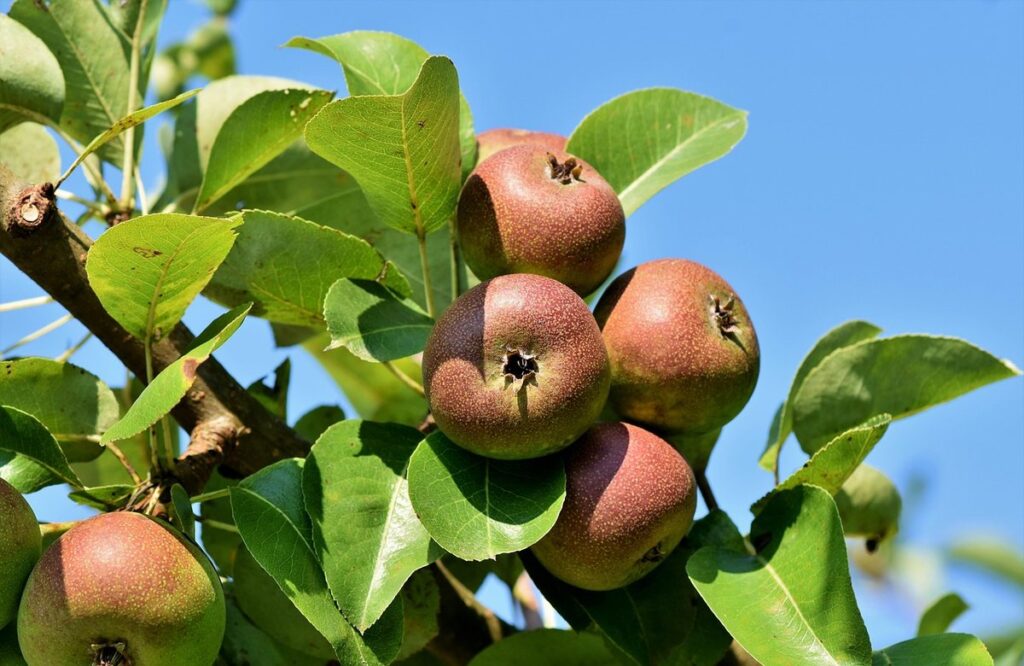
The Structure of an Apple Tree: An Overview
Let’s take a closer look at how all these different parts work together to form the overall structure of an apple tree, from roots to branches. We’ll break down each component and explore its role in supporting the tree’s growth.
Part 1: Introduction to Apple Tree Morphology
As you delve into the world of apple tree cultivation, it’s essential to have a solid grasp of the tree’s morphology. The main components of an apple tree include leaves, seeds, roots, and stems – each playing a vital role in its growth and productivity.
Leaves are the primary photosynthetic organs of the tree, responsible for converting sunlight into energy through a process called transpiration. Understanding how to promote healthy leaf development is crucial for maximizing fruit yields. For instance, ensuring adequate water supply and providing optimal pruning techniques can significantly impact leaf health.
Seeds, on the other hand, are the reproductive structures of the apple tree, producing new trees when planted properly. Roots anchor the tree in place while absorbing nutrients from the surrounding soil. Stems support the weight of the tree’s foliage and carry water and nutrients up to the leaves. By recognizing the importance of each component, you’ll be better equipped to provide the necessary care for your apple tree, ultimately leading to a bountiful harvest.
Keep in mind that understanding these parts will help you address common issues such as pests and diseases that target specific areas of the tree, like fungal infections affecting the roots or insect infestations on leaves.
Part 2: Importance of Each Component in Tree Health
Understanding the importance of each component is crucial for maintaining a healthy apple tree. When it comes to leaves, they play a vital role in photosynthesis, which fuels the tree’s growth rate and overall health. A dense canopy of leaves also provides shade, protecting the delicate skin of the fruit from sun damage. On the other hand, a lack of leaves can lead to reduced growth rates and increased susceptibility to disease.
The root system is another essential component that affects the tree’s water and nutrient uptake. Healthy roots enable the tree to access vital resources necessary for optimal growth. Conversely, root issues such as root rot or circling roots can significantly impair the tree’s ability to absorb nutrients, impacting its overall health and fruit production.
Seeds are a crucial aspect of apple tree reproduction but also play a role in the tree’s stress tolerance and disease resistance. However, an overabundance of seeds can actually harm the tree by diverting energy from other essential processes.
Apple Leaves: Photosynthesis and Growth
Apple leaves are responsible for photosynthesis, a vital process that fuels growth, so let’s take a closer look at how they contribute to your apple tree’s overall health. This section explores their role in plant development.
Types of Apple Leaf Variations
Apple leaves come in various shapes and sizes, which can impact photosynthesis and tree growth. One of the most common types is the ovate leaf, characterized by its egg-shaped form with a pointed tip. These leaves are typically larger than other varieties, measuring between 2-4 inches in length. The broad, flat shape allows for maximum surface area exposure to sunlight, making it ideal for photosynthesis.
Other variations include the elliptical and lanceolate leaves, which have more slender forms and pointed tips. These types of leaves tend to be smaller, around 1-3 inches in length, but are highly efficient at absorbing light due to their narrow shape. Some apple tree varieties display deeply lobed or incised leaves, with long, narrow extensions that resemble fingers.
The type of leaf your apple tree produces can significantly impact its growth rate and overall health. Larger leaves may promote faster growth, but may also be more susceptible to disease and pests. Smaller leaves, on the other hand, are often more resilient but may limit photosynthesis capabilities. Understanding the unique characteristics of your tree’s leaves is essential for tailoring care practices to optimize growth and health.
Factors Affecting Leaf Development
When it comes to cultivating healthy apple trees, understanding the factors that affect leaf development is crucial for optimal growth. Temperature plays a significant role, with ideal ranges varying depending on the specific variety of apple tree. For instance, young leaves require cooler temperatures around 60-70°F (15-21°C), while mature leaves can tolerate warmer conditions up to 85°F (29°C).
Light exposure also significantly impacts leaf development, with direct sunlight required for photosynthesis. However, excessive sunlight can lead to scorching and reduced yields. Providing a suitable canopy or using shading cloth can help mitigate this issue.
Water availability is another critical factor, as apple trees need consistent moisture levels throughout their growth cycle. Drought stress can cause leaves to wilt and drop, reducing overall tree health. To optimize leaf growth, ensure your apple tree receives around 1 inch (2.5 cm) of water per week through a combination of rainfall and irrigation.
By considering these environmental factors and applying suitable gardening techniques, you can promote healthy leaf development and encourage your apple tree to thrive.
Apple Seeds: Propagation and Genetics
Now that we’ve explored the basics of apple seeds, let’s dive into how they can be used to propagate new trees through careful management of genetics. This process is crucial for sustainable orcharding practices.
Understanding Seed Structure and Function
An apple seed is surprisingly complex, consisting of several layers that protect the delicate embryo inside. At its core, the seed comprises three main parts: the pericarp, endosperm, and embryonic axes. The pericarp is the outermost layer, made up of hardened cells that shield the seed from environmental stressors. This protective barrier allows for controlled germination when conditions are favorable. Beneath the pericarp lies the endosperm, a nutrient-rich tissue providing energy to the growing embryo.
Seeds are designed for dispersal and germination in nature. Wind, water, and animals all play key roles in spreading apple seeds across landscapes. For example, some species of birds rely on apple seeds as a vital food source during migration periods. This phenomenon promotes cross-pollination between trees, leading to genetic diversity. When conditions are right – such as adequate moisture and suitable temperatures – the seed’s dormancy is broken, and germination occurs.
Factors Influencing Seed Viability
When it comes to planting apple seeds, understanding the factors that influence their viability is crucial for successful propagation. Seed viability refers to the seed’s ability to germinate and grow into a healthy plant.
Storage conditions play a significant role in maintaining seed viability. Store seeds in an airtight container or envelope in a cool, dry place away from direct sunlight. Moisture levels are also essential; too little moisture can cause seeds to dehydrate, while excessive moisture can lead to mold and rot. Aim for a relative humidity of 30-50%.
Temperature fluctuations can also impact seed viability. Apple seeds typically require temperatures between 35°F (2°C) and 45°F (7°C) to break dormancy. Avoid exposing seeds to extreme temperatures above 60°F (15°C) or below 25°F (-4°C). Proper storage conditions, moisture levels, and temperature control can significantly increase seed viability rates.
A general rule of thumb is to store seeds for up to six months before planting. If you’re not planning to plant within this timeframe, consider storing them in a frozen state (e.g., in an envelope or container) at -20°C (-4°F) or lower. This will help preserve seed viability and ensure healthy germination when the time is right.
Factors such as exposure to light, handling damage, and contamination can also affect seed viability. When working with seeds, handle them gently to minimize physical stress and prevent damage. Keep them away from direct sunlight to avoid photo-bleaching and loss of dormancy.
Maintaining optimal storage conditions and being mindful of temperature fluctuations will help ensure that your apple seeds remain viable for planting. If you do experience issues or notice significant drops in seed viability, it may be worth re-evaluating your storage methods and adjusting them accordingly.
Apple Roots: Absorption and Support
When it comes to supporting your apple tree’s growth, understanding how its roots absorb nutrients is crucial. Let’s dive into the specifics of root absorption and support.
Root Types and Their Functions
Apple trees have two primary types of roots: taproots and fibrous roots. The type of root system that develops depends on factors such as soil quality, climate, and genetic predisposition.
Taproots are characterized by a single, main root that grows downward into the soil, anchoring the tree in place. This root system is commonly found in apple trees growing in well-draining soils with adequate water availability. Taproots allow for efficient water absorption and nutrient uptake, enabling the tree to thrive in areas with limited nutrients.
Fibrous roots, on the other hand, consist of a multitude of small, hair-like roots that spread out in all directions from the base of the trunk. This type of root system is more common in apple trees growing in poorly draining soils or areas with limited water availability. Fibrous roots enable the tree to absorb nutrients and water from a larger area, making them well-suited for challenging soil conditions.
Understanding your apple tree’s root system can help you provide optimal care. For example, if you have a taproot-dominant tree growing in fertile soil, be cautious not to overwater, as this can lead to root rot. In contrast, fibrous-rooted trees may require more frequent watering to compensate for their extensive root network.
Techniques for Promoting Healthy Root Development
When it comes to growing healthy apple trees, promoting robust root development is crucial. This process starts with proper soil preparation. Before planting, test your soil to determine its pH level and nutrient content. Based on the results, amend the soil as needed to ensure optimal conditions for root growth.
Mulching around the base of your apple tree can also support healthy root development. Organic mulch materials such as wood chips or bark help retain moisture in the soil while preventing weeds from competing with your tree’s roots for resources. Apply a 2-3 inch layer of mulch, keeping it a few inches away from the trunk to prevent moisture buildup.
Pruning practices can also impact root health. Proper pruning techniques involve removing any dead, diseased, or damaged branches that could be drawing nutrients away from the rest of the tree. This is especially important for young trees, as they need all available resources to establish strong roots.
Apple Stems: Support and Transport Systems
Apple stems play a crucial role in supporting the tree’s structure, transporting water and nutrients, and facilitating growth. Let’s dive into how these vital components work together to keep your apple tree healthy.
Stem Types and Their Characteristics
Apple stems play a crucial role in supporting the tree’s structure and transporting essential nutrients and sugars. There are several types of apple stems, each with its unique characteristics and functions. The main stem, also known as the trunk, is the central axis that supports the entire tree. It’s responsible for storing water and nutrients, which are then distributed to the rest of the tree through a network of smaller branches.
Branchlets, or twigs, are shorter stems that branch off from the main stem. They have smaller leaves and are primarily involved in photosynthesis, producing sugars that fuel the tree’s growth. Another type of stem is the leader, which grows from the tip of the main stem and directs the tree’s growth habit. Leader stems can be either dominant or lateral, with the former growing upward while the latter grows outward.
As a gardener, understanding the different types of apple stems can help you identify potential issues and take corrective action. For example, if your tree is experiencing nutrient deficiencies, inspecting the main stem for signs of decay or damage can give you clues about where to focus your attention.
Strategies for Pruning and Training Apple Trees
Pruning techniques are crucial for optimizing stem growth, reducing disease risk, and improving fruit production. Regular pruning encourages a strong, balanced tree structure by removing weak or diseased branches, promoting air circulation, and allowing sunlight to penetrate the canopy. This not only enhances the overall health of the tree but also increases its ability to produce high-quality fruit.
When pruning apple trees, it’s essential to remove around 20-30% of the total growth each year. This can be done by cutting back branches to a lateral bud or a lateral shoot. Make clean cuts just above a bud or a node, and make sure your tools are sterile to prevent spreading diseases.
Training systems, such as central leaders and open centers, can also be used to enhance apple tree yields. These systems involve pruning the tree to promote a strong central leader or a series of scaffolds that support fruiting branches. By carefully selecting which branches to remove and which to allow to grow, you can create an optimal framework for your tree to produce abundant fruit. This structured approach helps control the growth habit of the tree, allowing for better management of sunlight, air circulation, and pest/disease exposure.
Environmental Factors Affecting Tree Anatomy
Apple trees are affected by various environmental factors that can impact their anatomy, such as temperature, light exposure, and water availability, which all play a role in determining tree growth. These external influences can significantly affect a tree’s development over time.
Impact of Climate Change on Tree Morphology
Climate change is having a profound impact on apple tree morphology, leading to changes in leaf size, stem growth rate, and root depth. Rising temperatures are causing apple trees to grow faster, but with less density, resulting in smaller leaves. This can lead to reduced photosynthesis and lower yields. A study conducted in New York found that apple trees grown under warmer conditions had 15% fewer leaves than those grown under cooler conditions.
Increasing CO2 levels are also affecting apple tree morphology. Research has shown that higher CO2 concentrations can stimulate stem growth, but at the expense of root development. This can make trees more vulnerable to drought stress and disease. To mitigate these effects, farmers can consider using pruning techniques to promote balanced growth and reduce water consumption.
In addition, changes in temperature and precipitation patterns are altering the timing of apple tree phenology, leading to mismatched pollination periods and reduced fruit set. By monitoring climate trends and adapting management practices, growers can better prepare their trees for these changes.
Adaptive Mechanisms for Tree Survival
Apple trees have developed remarkable adaptive mechanisms to survive environmental stressors such as droughts, floods, and extreme temperatures. One of the key adaptations is their ability to regulate water loss through a process called stomatal closure. When water becomes scarce, apple trees reduce transpiration by closing their stomata, allowing them to conserve precious water.
In the face of flooding, apple trees can also adapt by changing root growth patterns. By growing more roots closer to the surface, they are able to absorb oxygen and nutrients more efficiently, helping them recover from waterlogged soils.
Gardening techniques can play a significant role in mitigating the effects of environmental stressors on apple trees. For instance, mulching around tree bases helps retain soil moisture, reducing the need for frequent watering during dry spells. Similarly, selecting tree varieties that are tolerant to extreme temperatures or drought conditions can help ensure their survival.
By employing these adaptive mechanisms and gardening techniques, you can create a more resilient and thriving environment for your apple trees.
Practical Applications: Cultivating Healthy Apple Trees
Now that we’ve explored the anatomy of your apple tree, let’s dive into practical ways to cultivate healthy trees from the ground up. This section will cover essential tips for nurturing your trees’ leaves, seeds, roots, and stems.
Integrating Knowledge into Gardening Practices
Now that we’ve explored the intricacies of apple tree anatomy, it’s time to put this knowledge into practice. As a gardener or farmer, integrating this understanding into your daily routine can significantly impact the health and productivity of your apple trees.
One key takeaway from our discussion is the importance of proper pruning techniques. By trimming branches strategically, you’ll not only promote air circulation but also encourage healthy growth. Remember to cut just above a bud eye, as this will help prevent damage to the tree’s structural integrity.
Another crucial aspect is maintaining optimal soil conditions. Apple trees thrive in well-draining, fertile soil with a pH between 6.0 and 7.0. Test your soil regularly and amend it as necessary to ensure it meets these requirements.
Consider implementing integrated pest management (IPM) strategies to minimize chemical use while promoting ecosystem balance. This might involve introducing beneficial insects or practicing crop rotation techniques. By making these adjustments, you’ll be well on your way to cultivating thriving apple trees that yield delicious fruit year after year.
Conclusion and Future Directions
In conclusion, understanding apple tree anatomy is crucial for effective cultivation practices. By grasping the intricacies of leaves, seeds, roots, and stems, growers can optimize their trees’ health, productivity, and overall well-being. This comprehensive breakdown has highlighted the vital role each component plays in supporting the tree’s growth and development.
As you begin to apply this knowledge in your own orchard or garden, remember that attention to detail is key. Regularly inspect your trees for signs of stress, disease, or pests, and take prompt action if necessary. For instance, ensuring proper water and nutrient intake can significantly impact root health, while pruning techniques can greatly affect stem structure.
To integrate this newfound understanding into your cultivation routine, consider the following practical steps: implement integrated pest management strategies to minimize chemical use; monitor soil conditions to provide optimal root growth; and practice selective pruning to promote healthy tree geometry. By embracing a holistic approach to apple tree care, you’ll be well on your way to cultivating thriving, productive trees that yield delicious fruit for years to come.
Frequently Asked Questions
Can I propagate an apple tree from any seed?
When it comes to propagating an apple tree, not all seeds are created equal. The best approach is to use seeds from high-quality trees that have demonstrated desirable traits such as disease resistance or high yields. This increases the chances of successful propagation and a healthy new tree.
How do I encourage healthy root development in my apple tree?
Promoting healthy root growth requires attention to soil quality, moisture levels, and nutrient availability. Regularly prune roots that are growing too close to the surface, maintain a balanced fertilizer regimen, and avoid overwatering, which can lead to root rot and other issues.
What types of apple trees are best suited for small gardens or containers?
If you’re limited by space, consider dwarf or semi-dwarf varieties like ‘Red Delicious’ or ‘Gala’. These compact trees require less maintenance, produce smaller fruit, and can thrive in containers with proper care. Be sure to choose a tree that is specifically bred for container growing.
How often should I prune my apple tree’s branches?
Pruning is an essential part of maintaining your apple tree’s health and promoting fruit production. Prune branches annually during the dormant season (winter or early spring), removing any dead, diseased, or crossing limbs to allow sunlight to reach the fruiting areas. This will encourage a balanced canopy and prevent disease from spreading.
What are some common mistakes to avoid when growing apple trees?
One common mistake is overfertilizing, which can lead to an imbalance of nutrients in the soil and negatively impact tree health. Another issue is not providing enough support for the tree’s stem or branches, leading to breakage under wind or snow stress. Regular monitoring and proper pruning techniques can help prevent these problems.