
Grapes moledeled, also known as mole poblano de uvas, is a traditional Mexican dish that’s both delicious and fascinating. But have you ever wondered where this unique recipe originated from? The art of making grapes moledeled from scratch requires patience, skill, and a deep understanding of the rich culinary heritage behind it. In this comprehensive guide, we’ll take you on a journey to explore the origins of grapes moledeled, share traditional recipes passed down through generations, and show you how to put your own modern twist on this beloved dish. Whether you’re a seasoned chef or an adventurous foodie, our guide will equip you with the knowledge and confidence to create mouth-watering grapes moledeled that will impress even the most discerning palates.
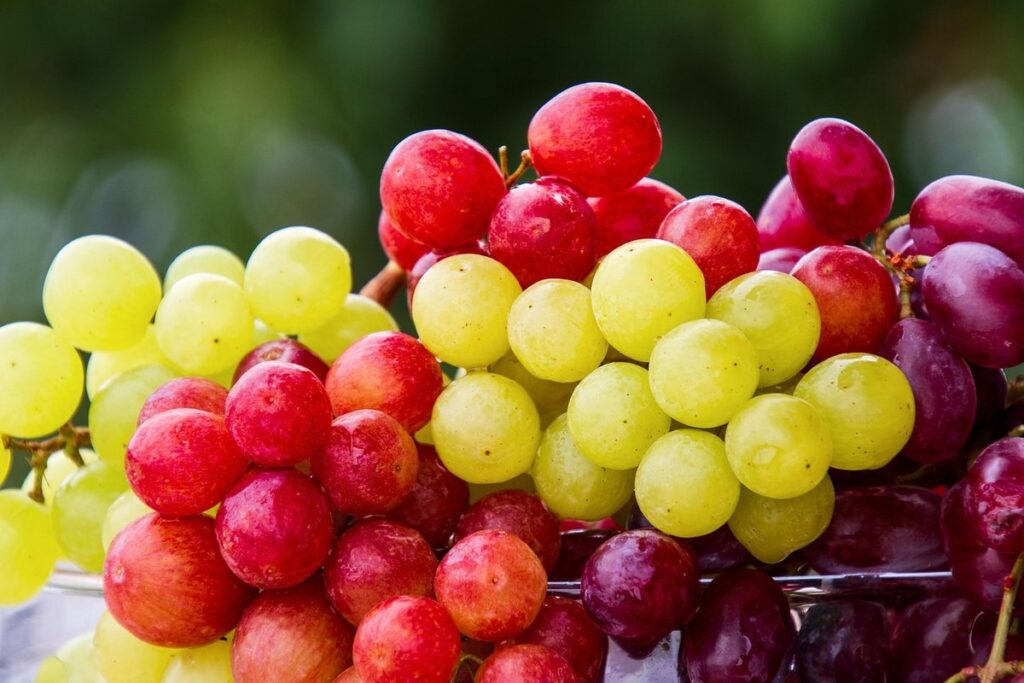
What is Grapes Moledeled?
Let’s dive into what makes grapes moledeled so unique and special, a topic we’ll explore further in this section. It’s surprisingly simple to understand once you break it down.
Origins and History
Grapes moledeled has its roots in traditional cuisine of certain regions, particularly in Central and South America. The dish is believed to have originated from the ancient Mayans and Aztecs, who used a combination of chocolate, spices, and nuts to create a rich, complex sauce for their meats. Over time, this sauce evolved into various regional specialties, such as mole poblano in Mexico and mole de olla in Guatemala.
In many Latin American countries, grapes moledeled holds significant cultural value, often serving as a symbol of hospitality and warmth. Families would come together to prepare the dish for special occasions like weddings and holidays, passing down recipes from generation to generation. As immigrants brought their culinary traditions to new lands, grapes moledeled adapted and blended with local flavors, resulting in diverse interpretations of the original recipe.
Today, grapes moledeled remains a beloved staple in many Latin American cuisines, often enjoyed as a comfort food that evokes nostalgia and warmth. When attempting to make grapes moledeled from scratch, it’s essential to understand its rich history and cultural significance, allowing you to connect with the dish on a deeper level and appreciate the nuances of each regional variation.
Traditional vs. Modern Recipes
When making grapes moledeled from scratch, you’ll come across two primary approaches: traditional recipes and modern adaptations. Understanding the differences between these methods can help you create a dish that suits your taste preferences and cooking style.
Traditional recipes for grapes moledeled often rely on rich, complex flavor profiles achieved through slow-cooked sauces made with animal fats like lard or beef tallow. These traditional recipes also emphasize the use of spices like cinnamon, cumin, and chili peppers to add depth to the sauce. A key characteristic of traditional recipes is their focus on developing a robust, velvety texture that coats the grapes evenly.
In contrast, modern adaptations of grapes moledeled often incorporate lighter, fresher flavors. These recipes may substitute animal fats with olive oil or avocado oil, and feature brighter spices like citrus zest, oregano, and thyme. Modern approaches also frequently involve grilling or roasting the grapes before simmering them in sauce, which adds a smoky dimension to the dish.
Ultimately, whether you choose to follow traditional recipes or modern adaptations, the key is to taste and adjust as you go. This will ensure that your grapes moledeled meets your desired balance of flavors and textures.
The Importance of Proper Preparation
Before you dive into making delicious grapes mole from scratch, it’s crucial to prepare everything correctly to avoid any last-minute stress. Let’s cover what you need to do beforehand.
Choosing the Right Grapes
When it comes to making delicious grapes moledeled from scratch, choosing the right grapes is crucial. The type of grape you select will not only affect the flavor but also the texture and overall quality of your moledeled.
There are several types of grapes suitable for moledeled, including Thompson Seedless, Flame, and Ruby Red. These varieties are high in sugar content and have a tender skin that breaks down easily during cooking. When selecting grapes, consider their sweetness level, acidity, and flavor profile. Sweet grapes like Muscat or Sultana can add a rich, fruity taste to your moledeled, while acidic grapes like Concord can provide a nice balance.
To ensure the best results, store your chosen grapes in a cool, dry place away from direct sunlight. You can also refrigerate them for up to three days before use. Keep in mind that grapes will continue to ripen after they’re picked, so it’s essential to use them within a day or two of purchase. By selecting the right type of grape and storing them properly, you’ll be well on your way to creating an authentic, delicious grapes moledeled from scratch.
Removing Unwanted Parts
When preparing grapes for moledeled, it’s essential to remove unwanted parts to ensure the best flavor and texture. As you inspect the fruit, look for signs of spoilage such as mold, sliminess, or an off smell. Discard any grapes that are past their prime or show visible damage.
To identify damaged fruit, gently squeeze the skin; if it yields to pressure easily, it’s likely spoiled. Check the stem end for any visible signs of mold or rot. For grapes with stems attached, trim them close to the fruit to prevent bitterness from seeping into the moledeled.
When removing unwanted parts, be gentle to avoid bruising the surrounding fruit. Use a clean knife or utensil to carefully cut away spoiled or damaged areas. This step may seem time-consuming, but it’s crucial for achieving a rich, balanced flavor in your homemade moledeled. Remember that even a few spoiled grapes can taint the entire batch, so take the time to inspect and remove any unwanted parts before proceeding with the recipe.
Tips for Making Grapes Moledeled at Home
Now that you’ve mastered making grapes moledeled from scratch, let’s dive into some expert tips to perfect your homemade version.
Essential Tools and Equipment
To make delicious grapes moledeled at home, you’ll need to gather the right tools and equipment. This includes cooking vessels that can withstand high temperatures, as well as utensils for mixing and stirring.
For cooking, a Dutch oven or heavy-bottomed saucepan is ideal for making grapes moledeled. These types of pans distribute heat evenly and prevent scorching. A large skillet with a heavy bottom is also suitable, but be cautious not to overheat it.
When it comes to utensils, you’ll need a medium-sized spoon or spatula for mixing and a pastry brush for applying the mole paste to the fruit. For measuring ingredients accurately, use a dry measuring cup for liquids like oil and water, and a set of measuring spoons for spices and seasonings.
Some other necessary equipment includes a blender or food processor for pureeing the cooked grapes mixture, and a fine-mesh strainer for removing excess seeds and pulp. A pastry brush is also handy for applying egg wash to the fruit before baking.
In addition to these tools, it’s essential to have a clean and organized workspace when making grapes moledeled. This will help prevent contamination and ensure that your mole paste turns out smooth and even.
Safety Precautions and Best Practices
When working with grapes moledeled at home, it’s essential to take certain safety precautions and follow best practices to ensure a safe and enjoyable experience. First and foremost, always wash your hands thoroughly before handling ingredients, especially when working with raw fruits.
To prevent cross-contamination, make sure to clean and sanitize any utensils, cutting boards, and cooking surfaces you’ll be using. This is particularly important when working with raw chicken or other meats that may contain bacteria like Salmonella or E. coli.
When cooking grapes moledeled, use low to medium heat to prevent overheating the mixture, which can lead to scorching or burning. Keep a close eye on your sauce as it thickens and stir occasionally to avoid lumps from forming.
When serving grapes moledeled, make sure to store any leftovers in airtight containers and refrigerate at 40°F (4°C) or below within two hours of cooking. Reheat the sauce to an internal temperature of 165°F (74°C) before consuming.
By following these safety precautions and best practices, you’ll be able to create delicious grapes moledeled from scratch while minimizing the risk of foodborne illness.
Variations on Grapes Moledeled: Exploring Regional Flavors
As you experiment with grapes molédeled, consider how regional flavors can elevate your recipe. From smoky chipotle to bright lemongrass, discover new twists on a classic dish.
Traditional Recipes from Around the World
As you delve into the world of grapes moledeled, it’s fascinating to explore the diverse traditional recipes that showcase regional flavors. In Mexico, for instance, Oaxacan-style mole de uvas is a staple, featuring toasted chilies, almonds, and raisins in a rich, complex sauce. The use of ancho and mulato chilies gives this version its distinctive depth.
In contrast, the Italian region of Piedmont offers a lighter take on grapes moledeled. Known as “mostarda di frutta,” it’s a sweet and spicy syrup infused with candied fruits like citron and orange peel. This variation is often served alongside roasted meats or cheeses.
Meanwhile, in Spain, the Basque country has its own take on grapes moledeled, incorporating local ingredients like pimentón (smoked paprika) and chorizo. The result is a smoky, savory sauce that pairs perfectly with grilled meats. When exploring traditional recipes from around the world, it’s essential to note the unique flavor profiles and ingredients that set each region apart.
To recreate these regional flavors in your own kitchen, focus on incorporating local spices and ingredients whenever possible. Don’t be afraid to experiment and adapt recipes to suit your tastes. By embracing the diversity of global grapes moledeled traditions, you’ll add a new level of depth and excitement to your cooking repertoire.
Modern Twists and Fusion Creations
In recent years, creative chefs and food enthusiasts have been experimenting with innovative combinations of flavors to give traditional grapes moldeled a modern twist. One notable example is the Korean-Mexican fusion grapes moldeled that combines spicy gochujang sauce with the richness of Mexican chocolate. This unique blend has gained popularity in trendy restaurants and cooking blogs.
Another exciting development is the Japanese-inspired grapes moldeled, which incorporates matcha powder for a subtle green tea flavor. The citrusy notes from yuzu or orange zest are also being used to add brightness to this sweet and savory dessert.
If you’re feeling adventurous and want to try something new, consider adding some unique flavors like cardamom, rosewater, or pistachio to your grapes moldeled recipe. These additions can add a fascinating depth to the traditional flavor profile. Don’t be afraid to experiment with different spices and flavor combinations – it’s all part of the creative process in making delicious grapes moldeled from scratch!
Frequently Asked Questions (FAQs) about Grapes Moledeled
We’ve got you covered with our frequently asked questions, addressing common concerns and clarifying any doubts you may have about making delicious grapes moledeled from scratch.
What are the Benefits of Making Grapes Moledeled from Scratch?
Making grapes moledeled from scratch can offer numerous benefits that go beyond just saving time and effort. One of the most significant advantages is cost savings. When you make it from scratch, you can control the quantity and quality of ingredients used, which means no more expensive store-bought versions with hidden additives or preservatives.
Moreover, making grapes moledeled from scratch allows for optimal nutritional value. By using fresh, whole ingredients, you can retain the natural nutrients found in grapes, such as antioxidants, vitamins, and minerals. This is particularly important if you’re looking to make healthier choices for yourself and your family.
Another benefit of making it from scratch is creative control. You can experiment with different flavors, spices, and textures to create unique variations that suit your taste preferences. Whether you like it sweet or savory, there’s no limit to the possibilities when you make it from scratch.
How to Store and Consume Grapes Moledeled for Maximum Freshness
To maintain the flavor, texture, and freshness of grapes moledeled, proper storage and consumption are crucial. When storing grapes moledeled, it’s essential to keep it away from direct sunlight, heat sources, and moisture. Transfer the cooked mixture into an airtight container and refrigerate it within two hours of cooking. This will help prevent bacterial growth and spoilage.
You can store grapes moledeled in the refrigerator for up to three days. Before reheating, always check its texture and flavor. If you notice any off smell or slimy texture, discard the mixture immediately. When reheating, use low heat and stir frequently to prevent scorching.
When consuming grapes moledeled, it’s best served at room temperature. You can also reheat it in a saucepan over low heat or microwave for 10-15 seconds. For an extra burst of flavor, serve with a dollop of sour cream or crème fraîche. Consider using grapes moledeled as a topping for yogurt, oatmeal, or even as a filling for cakes and pastries.
To make the most out of your grapes moledeled, be creative with its uses. You can also freeze it for up to two months by transferring the mixture into an ice cube tray and then storing the frozen cubes in a freezer-safe bag. This way, you can use it as a flavor boost in future recipes whenever needed.
Frequently Asked Questions
Can I use store-bought mole paste instead of making it from scratch?
While store-bought mole paste can be convenient, using homemade mole paste is essential to the authentic flavor and texture of grapes moledeled. Making your own mole paste allows you to control the quality and quantity of ingredients, ensuring a rich and complex sauce that elevates the dish.
How do I know if my grapes are suitable for making mole deled?
Not all grapes are created equal when it comes to making mole deled. Look for sweet, ripe, and plump grapes with no signs of spoilage or damage. Avoid using green or unripe grapes, as they can impart a bitter flavor to the dish.
Can I substitute other types of fruit in place of grapes?
While traditional recipes call for grapes, feel free to experiment with other fruits like berries, figs, or even stone fruits to create unique variations of mole deled. However, keep in mind that each fruit will change the flavor profile and may require adjustments to the spice blend.
How do I deal with seeds and stems in my grapes?
Removing seeds and stems from your grapes can be a tedious task, but it’s essential for achieving a smooth sauce. Simply rinse the grapes under cold water, then gently squeeze them between your fingers to release the seeds and stems. Discard any debris before proceeding.
What are some common mistakes to avoid when making mole deled at home?
Common pitfalls include over- or under-roasting the spices, using low-quality chocolate, or failing to let the sauce simmer long enough. To ensure success, carefully follow the recipe, use high-quality ingredients, and don’t be afraid to adjust seasoning as you go along.