
Choosing the perfect small Christmas tree can be an overwhelming task, especially if you’re new to decorating for the holidays. With so many styles and types available, it’s easy to get caught up in the excitement of selecting the perfect tree. But once you’ve picked out your little gem, how do you keep it looking beautiful and healthy all season long? Proper care is key to enjoying a stunning holiday display without worrying about a wilted or dead tree. In this article, we’ll walk you through expert tips on choosing, setting up, and maintaining a small Christmas tree, from selecting the right species to keeping it hydrated and pest-free. By following our simple guidelines, you’ll be well on your way to creating a merry and bright holiday atmosphere that will shine all season long.
Choosing the Right Tree
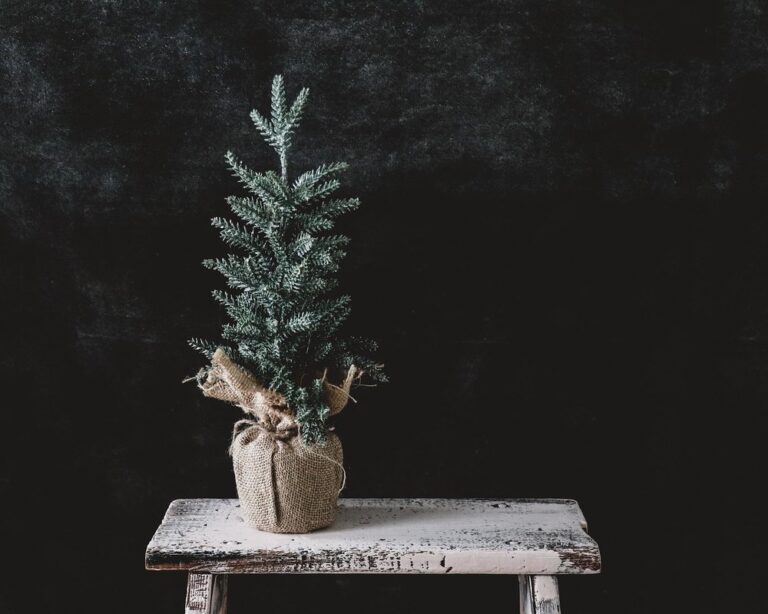
When selecting a small Christmas tree, it’s essential to consider factors such as size, shape, and branch density to ensure your new tree fits perfectly in its designated space. Your choice will impact its overall health and appearance throughout the holiday season.
Selecting the Perfect Size
When selecting a small Christmas tree, one of the most crucial factors to consider is its size. A tree that’s too big for your space can lead to a cluttered and overwhelming atmosphere, while a tree that’s too small may not provide the desired impact.
To ensure you get the perfect fit, start by measuring your room. Take note of the height, width, and depth of the space where you plan to place the tree. Consider the path you’ll take when decorating the tree, as well as any nearby furniture or obstacles that might affect its placement.
Next, measure your Christmas tree stand and base. These components will impact the overall size of the tree, so factor them into your calculations. It’s also essential to consider the type of tree you’re selecting, as some species naturally grow smaller than others.
As a general rule, a good starting point is to choose a tree that stands between 3-6 feet tall for most standard living rooms. This size range will provide ample space for decorating while minimizing clutter and overwhelming your space.
Considerations for Live vs. Artificial Trees
When choosing a small Christmas tree, one crucial decision is whether to opt for a live or artificial tree. Both types have their advantages and disadvantages that you should consider before making a final decision.
Live trees bring the authentic look and feel of a traditional Christmas tree. They’re also biodegradable and can be composted after the holiday season. However, they require regular watering, which can lead to mess and maintenance hassle. You’ll need to water your live tree daily to prevent it from drying out, especially if you have central heating. Additionally, live trees typically shed needles, creating a cleaning chore for you.
On the other hand, artificial trees offer durability and low-maintenance care. They’re made of synthetic materials that can withstand years of use with minimal upkeep. Artificial trees are also more fire-resistant than their natural counterparts. However, they often lack the authentic look and feel of live trees and may have a higher upfront cost. You’ll need to consider your budget, lifestyle, and environmental concerns when deciding between a live or artificial tree for your small Christmas celebration.
In terms of environmental impact, it’s worth noting that live trees are a more sustainable option if you plan on replanting them after the holiday season. If not, artificial trees made from eco-friendly materials can be a better choice.
Preparing Your Tree for Display
Before you put your small Christmas tree on display, make sure it’s ready for its close-up by preparing it properly to avoid any water-related mishaps. Let’s get started!
Unpacking and Setting Up
When you finally bring home your small Christmas tree, it’s exciting to start setting it up. However, unpacking and setting up your tree requires some care to ensure it stays healthy throughout the holiday season.
Begin by gently removing the tree from its container or bag, taking care not to damage any branches. Next, inspect the tree for any loose needles or debris that may have accumulated during transport. Remove any wrapping materials like netting or twine that held the branches together.
If your tree is a pre-lit model, make sure all lights are working properly before decorating. Test each string by plugging it in and checking for burned-out bulbs. Replace any faulty bulbs to avoid fires. Once you’ve checked the lights, fluff out the branches to create an even shape.
Finally, place your small Christmas tree in its designated spot, securing it firmly in its stand. Check the stand’s water reservoir is filled with fresh water, as this will help keep the tree hydrated throughout the holiday season.
Watering and Hydration Systems
When it comes to keeping your small Christmas tree healthy and thriving throughout the holiday season, proper watering is one of the most crucial aspects to get right. Live trees need consistent moisture to maintain their needle retention, prevent browning, and overall look their best. If the tree dries out, it can lead to a range of problems including cracking and breaking branches.
There are several types of hydration systems available that can make it easier to keep your small Christmas tree watered, from simple water reservoirs to more advanced self-watering stands. Some popular options include the Bells 12-Inch Water Reservoir or the Evergreen Stand with Built-in Water Tank. These devices allow you to fill a separate tank and then place the tree on top, making it easier to maintain a consistent water level without having to refill the stand daily.
Some important tips to keep in mind when choosing a hydration system: make sure the reservoir is large enough to hold at least one quart of water per inch of tree diameter, and position the tree so that the trunk is above the waterline to prevent root rot. Regularly check the water level and adjust as necessary to ensure your small Christmas tree stays hydrated throughout the holiday season.
Caring for Your Tree Throughout the Season
To keep your small Christmas tree healthy and thriving, it’s essential to tailor its care to the changing seasons, from summer pruning to winter watering.
Lighting and Decoration Guidelines
When it comes to decorating your small Christmas tree, safety and energy efficiency should be top of mind. A well-lit tree is a beautiful sight to behold, but it’s essential to choose the right type of lights to avoid overheating or fire hazards.
Opt for energy-efficient LED lights, which use significantly less power than traditional incandescent bulbs. Not only will you save money on your electricity bill, but you’ll also reduce your carbon footprint. Look for strings with a low wattage rating (around 20-25 watts) and consider using a timer or smart plug to control the lighting schedule.
When hanging ornaments, make sure they’re securely fastened to avoid any accidental falls that could damage the tree or injure someone nearby. Avoid overloading branches with too many decorations, as this can cause stress on the tree’s structure. A good rule of thumb is to distribute weight evenly and keep heavy items towards the bottom of the tree.
Remember to also check your lights and electrical cords for any signs of wear or damage before use.
Rotating and Fluffing the Tree
As the holiday season wears on, it’s easy to forget about your small Christmas tree. But neglecting its care can lead to a sad and droopy appearance. To keep your tree looking its best, don’t forget to rotate it regularly. Simply turn the tree 90 degrees every few days to ensure even growth and prevent leaning.
In addition to rotating your tree, fluffing its branches is also essential. Use your fingers or a soft-bristled brush to gently separate any tightly packed needles. This helps maintain the natural shape of the tree and prevents matting. Be gentle, as small trees have delicate limbs that can break easily.
To avoid toppling your tree, make sure it’s securely placed in its stand. Check the water level daily, and add more water as needed to keep the trunk hydrated. With a little attention and care, your small Christmas tree will remain healthy and vibrant throughout the holiday season. Regularly rotating and fluffing your tree will also help prevent shedding, which can be frustrating when you’ve carefully decorated it.
Troubleshooting Common Issues
We know that even with proper care, small Christmas trees can still experience some common issues. In this section, we’ll walk you through troubleshooting solutions to get your tree back on track.
Identifying Pests and Diseases
As you bring your small Christmas tree into your home, it’s essential to keep an eye out for potential pests and diseases that can harm its health. Spider mites are a common issue with live trees, especially those grown in warmer climates. These tiny arachnids feed on the sap of the tree, causing yellowing or bronzing of needles.
Another pest to watch out for is mealybugs, which secrete a sticky substance called honeydew that can attract ants and other insects. Fungal infections like root rot and needle rust are also prevalent in live trees, often caused by overwatering or poor air circulation.
To identify these issues, inspect your tree regularly for signs of pests or diseases, such as sticky sap, distorted growth, or unusual odors. Use a magnifying glass to spot tiny insects on the undersides of branches. If you suspect an infestation, treat it with insecticidal soap or neem oil according to the product’s instructions.
Keep in mind that prevention is key: maintain good air circulation around your tree, water it properly, and monitor its health closely throughout the holiday season.
Fixing a Drying or Wilted Tree
If you catch your small Christmas tree drying out or wilting, don’t panic – it’s an easy fix. To revive a dry tree, start by giving it a good misting with water from a spray bottle. This will help to rehydrate the needles and branches, but be careful not to overdo it – too much water can cause more harm than good.
Next, take a closer look at your tree’s hydration system. If you’re using an automated watering system, check that it’s working properly and adjust the settings as needed. You may need to increase the frequency or duration of watering sessions depending on the temperature and humidity in your home.
Pruning is also essential for revitalizing a wilted tree. Remove any dead or damaged branches, taking care not to pull on the remaining foliage as this can cause further damage. To prevent this, gently trim the stems with scissors or pruning shears instead of pulling them off by hand.
By following these steps and making adjustments to your tree’s hydration system, you should be able to revive a dry or wilted small Christmas tree in no time.
Disposing of Your Tree After the Season
When the holiday season comes to a close, it’s time to think about what to do with your small Christmas tree. Proper disposal is essential to prevent damage and keep your home tidy.
Recycling Options for Live Trees
When the holiday season comes to an end, it’s time to consider what to do with your live Christmas tree. Instead of simply discarding it, explore eco-friendly recycling options that benefit both you and the environment.
Composting is a great way to recycle your live tree. Chop the branches into smaller pieces and add them to your compost pile along with other organic materials like leaves or vegetable scraps. This will help create nutrient-rich soil for your garden. You can also consider chipping your tree, which can be used as mulch for pathways or around plants.
Another option is donating your live tree to local wildlife habitats or parks. Many organizations accept donated trees and use them for habitat restoration or as a food source for animals. This not only reduces waste but also supports the local ecosystem.
Before recycling your tree, check with your city or local government to see if they offer any special collection programs for Christmas trees. Some communities have designated drop-off locations or curbside pickup services specifically for live trees. By choosing an eco-friendly disposal method, you’ll be reducing landfill waste and giving back to the environment.
Proper Disposal Methods for Artificial Trees
When it’s finally time to say goodbye to your artificial Christmas tree, proper disposal is crucial. As you’ve likely invested in a high-quality, long-lasting tree, consider recycling it instead of throwing it away. Many retailers and manufacturers offer take-back programs or mail-in recycling options for their products.
To find out if your tree can be recycled, check the manufacturer’s website or contact their customer service department directly. Some popular artificial Christmas tree brands even partner with organizations that specialize in electronics and textile recycling, making it easy to recycle your old tree.
If a take-back program isn’t available, you can also consider donating your tree to local schools, charities, or community centers. Many organizations accept gently used trees for use in their programs or events. Remember to disassemble the tree into its individual components before donation – this will make it easier for recipients to reuse and recycle.
When disposing of your artificial Christmas tree through regular trash collection, be sure to remove any lights, ornaments, and other decorations to prevent waste and contamination at the recycling facility. This ensures a more efficient and environmentally friendly disposal process.
Frequently Asked Questions
What if I notice my small Christmas tree is drying out quickly despite regular watering?
Yes, this can be a common issue, especially during dry winter months. Check your tree’s hydration system to ensure it’s functioning correctly and make sure the water level is adequate. Consider using a tree preservative or adding a few aspirin tablets to the water to help reduce moisture loss.
How often should I rotate my small Christmas tree to prevent lopsided branches?
It’s recommended to rotate your tree every 1-2 weeks, especially if it’s placed in a high-traffic area. This will help maintain even branch growth and prevent lopsidedness. Simply turn the tree 180 degrees to redistribute the weight of its branches.
Can I use any type of string lights on my small Christmas tree?
While most string lights are safe for use on Christmas trees, some may be too heavy or have sharp edges that can damage the tree’s branches. Opt for fairy lights or LED string lights specifically designed for indoor use to avoid damaging your tree.
What if I notice pests or diseases affecting my small Christmas tree? Should I treat it with chemicals?
No, treating your tree with chemicals is not always necessary and can sometimes do more harm than good. Inspect your tree carefully and consider consulting a local nursery or gardening expert for advice on how to safely manage any pest or disease issues.
Can I replant my live small Christmas tree after the holiday season?
Yes, many types of live Christmas trees can be replanted successfully if done properly. Choose a location with well-draining soil and adequate sunlight, and water your tree regularly to help it establish itself in its new home.