
Are you tired of the same old lesson plans that leave your students feeling bored and disconnected from the learning process? Well, we’ve got just the solution for you! Growing snap peas in the classroom is not only a fun and engaging activity, but it also has numerous benefits for student engagement, academic performance, and life skills development. By incorporating hands-on learning experiences like this into your curriculum, you can inspire a love of science, foster teamwork and responsibility, and even teach valuable lessons about growth, nutrition, and sustainability. In this article, we’ll explore the world of growing snap peas in the classroom and provide practical tips and ideas for getting started with this exciting project.
Benefits of Growing Snap Peas in Class
Growing snap peas in class isn’t just fun, it’s also packed with benefits for your students’ learning experience and development. We’ll explore these advantages next.
Importance of Hands-on Learning
Hands-on learning experiences like growing snap peas in the classroom have been proven to improve student engagement and academic performance. When students are actively involved in the learning process, they become invested in their education and retain information better.
Growing snap peas is an excellent way to incorporate hands-on learning into your curriculum. Students can participate in every stage of growth, from sowing seeds to harvesting the final product. This sensory exploration allows students to connect with nature and develop a deeper understanding of the life cycle of plants.
By exploring the textures, colors, and smells of snap peas, students engage their senses and foster a sense of curiosity and wonder. For instance, you can have students observe how the pods change from green to yellow as they mature, or experiment with different methods for supporting the plants’ growth.
As educators, we can tap into this innate desire for exploration by incorporating sensory activities that complement our lesson plans. By doing so, we not only enhance student engagement but also provide a more holistic learning experience that encompasses multiple intelligences and learning styles.
Developing Life Skills Through Gardening
Growing snap peas in the classroom is not just about getting your students excited about gardening; it’s also an opportunity to develop essential life skills that will benefit them far beyond the school year. By participating in gardening activities, such as growing snap peas, students can learn valuable lessons in responsibility, patience, and problem-solving.
Through regular care and maintenance of their snap pea plants, students develop a sense of responsibility for their actions. They understand that small mistakes, like overwatering or underwatering, can have significant effects on the plant’s growth. This hands-on experience teaches them to be more mindful and attentive to details, qualities essential in any field.
Moreover, growing snap peas requires patience – something that’s not often emphasized in today’s fast-paced world. Students learn to wait for the right moment to harvest their crops, developing a sense of timing and understanding the importance of planning ahead. This is particularly valuable as it helps them develop self-control and perseverance skills, crucial for overcoming obstacles.
When faced with unexpected setbacks like pests or diseases, students are encouraged to think creatively and come up with solutions. They learn to weigh the pros and cons of different approaches, making informed decisions that benefit their plants.
Preparing for Success: Choosing the Right Variety
When selecting snap pea varieties, there are several factors to consider, including growth habits and days to harvest, which will ensure a successful classroom growing experience.
Understanding Snap Pea Varieties
When choosing a snap pea variety for your classroom garden, it’s essential to select one that suits your school’s climate and resources. There are several types of snap peas that are well-suited for classroom growth.
Some popular varieties include ‘Sugar Ann’, which is compact and produces sweet, tender pods in as little as 50 days. ‘Oregon Sugar Pod’ is another favorite among teachers and students alike, producing high yields of sweet, flat pods. ‘Mammoth Melody’ is a great choice for larger classrooms or schools with more resources, producing massive, snow pea-style pods.
When selecting a variety, consider your school’s climate and the time of year you plan to grow. If you’re in a cooler region, opt for varieties that mature quickly, like ‘Sugar Ann’. In warmer climates, choose varieties that are heat-tolerant, such as ‘Oregon Sugar Pod’.
It’s also essential to consider the space and resources available in your classroom garden. Compact varieties like ‘Sugar Ann’ are perfect for smaller spaces or indoor growth. Make sure to research the specific needs of each variety and plan accordingly to ensure a successful and enjoyable growing experience for everyone involved.
Seed Selection and Sourcing
When it comes to growing snap peas in the classroom, selecting high-quality seeds is a crucial step that can make all the difference in the success of your project. High-quality seeds will give your students the best chance of achieving healthy, thriving plants.
To source these seeds, look for reputable suppliers or online platforms that specialize in seed sales. Some popular options include seed catalogs from well-known companies like Johnny’s Selected Seeds or Burpee, as well as online marketplaces like Seed Savers Exchange or Amazon. When selecting a supplier, make sure to read reviews and check the product description carefully to ensure you’re getting the type of snap pea variety you need.
It’s also essential to choose seeds that are specifically bred for cool-season production, as these will perform best in your classroom setting. Look for varieties like ‘Sugar Ann’ or ‘Green Arrow’, which are popular among gardeners and school programs alike. When selecting a supplier, consider factors such as seed quality, germination rates, and customer support to ensure you’re getting the best value for your money.
Planting and Caring for Snap Peas in Class
Now that you have your snap peas seeds, it’s time to teach students how to plant and care for them in a classroom setting, from seed starting to harvesting. This section will guide you through the process step by step.
Preparing the Growing Environment
Before you can start planting snap peas with your students, it’s essential to prepare a suitable growing environment. This involves creating a dedicated space for the plants to thrive and providing them with the right conditions to grow.
First, designate a specific area in the classroom as the “garden” where the snap peas will be grown. Ensure this space receives sufficient natural light, as most snap pea varieties require at least 6 hours of direct sunlight per day. If your classroom lacks a sunny spot, consider using grow lights to supplement the light. Choose a location with good air circulation to prevent fungal diseases from developing.
Next, select containers that are specifically designed for growing plants in classrooms or indoor spaces. These containers usually have built-in water reservoirs and drainage systems, which help maintain optimal moisture levels and prevent overwatering. Opt for containers made of food-grade materials, such as plastic or ceramic, to avoid any potential contamination risks. When selecting the right soil mix, consider using a high-quality potting soil specifically formulated for container gardens.
When creating your soil mix, remember that it should have good drainage, be fertile, and retain moisture but not waterlog. You can also create your own custom blend by mixing together potting soil, compost, and perlite or vermiculite. This will help ensure the snap peas receive the right nutrients to grow strong and healthy.
Watering, Fertilizing, and Pruning
To ensure your snap pea plants receive the best care possible, it’s essential to follow a regular watering schedule. Snap peas need about 1-2 inches of water per week, either from rain or irrigation. A good rule of thumb is to check the soil moisture by sticking your finger into the soil up to the first knuckle. If the soil feels dry, it’s time for watering.
Fertilization is another crucial aspect of caring for snap peas. Feed your plants with a balanced fertilizer (10-10-10) once a month, following the manufacturer’s instructions. You can also use compost tea or worm casting for an organic alternative. Remember to start fertilizing about two weeks after planting and continue until harvest.
Pruning is another important step in promoting healthy growth. Remove any weak or spindly growth from the plant, as well as any damaged leaves. This will help direct energy towards producing larger, more tender pods. Keep your snap pea plants at a manageable height by pruning them regularly to encourage bushy growth and prevent legginess. Regular pruning also helps control pests like aphids and whiteflies, which can be detrimental to your crop.
Challenges and Solutions: Managing Pests and Diseases
As you nurture your snap pea plants, you’ll inevitably face pests and diseases that can threaten their growth. Here are some common challenges and practical solutions to keep your classroom garden thriving.
Common Pest Issues in Classrooms
When growing snap peas in the classroom, it’s essential to be aware of common pest issues that can affect these plants. Aphids, whiteflies, and spider mites are notorious pests that can cause significant damage to snap pea crops.
Aphids are small, soft-bodied insects that feed on plant sap, causing curled or distorted leaves. Whiteflies, on the other hand, are tiny flying insects that suck plant juices, often spreading diseases like powdery mildew. Spider mites are microscopic arachnids that spin fine webs and suck plant fluids, weakening the plant over time.
To manage these pests organically, you can use neem oil sprays or insecticidal soap to control infestations. Another effective method is introducing beneficial insects, such as ladybugs or lacewings, which prey on aphids and whiteflies. Regularly inspecting your plants for signs of pest activity, maintaining good air circulation, and ensuring proper watering practices can also help prevent pest issues.
To prevent these pests from taking over, be sure to quarantine new plants before introducing them to the classroom garden. Keep the area around your snap pea plants clean, removing any debris or weeds that may attract pests. By implementing these simple measures, you can enjoy a healthy and thriving classroom crop of snap peas.
Identifying and Addressing Plant Diseases
When growing snap peas in the classroom, it’s not uncommon for students to notice that their plants are affected by diseases. Two of the most common issues affecting snap peas are powdery mildew and downy mildew. Powdery mildew appears as a white, powdery coating on the leaves, while downy mildew causes yellowing or browning of the leaves with a white cotton-like growth on the underside.
To identify plant diseases, inspect your plants regularly for any unusual growths or discolorations. Keep in mind that some issues can be caused by pests rather than diseases. Powdery mildew and downy mildew are often caused by high humidity and temperature fluctuations. To minimize damage, ensure good air circulation around the plants, avoid overwatering, and maintain a consistent temperature between 60-70°F.
Monitor your plants closely for any signs of disease, and be prepared to take action quickly if you notice any issues. Some common treatments include using neem oil or insecticidal soap to control fungal growth, while fungicides can help combat downy mildew specifically. Encourage students to participate in the process by having them record observations and suggest potential solutions.
Harvesting and Enjoying Your Snap Peas
Now that your snap peas are mature, it’s time to harvest them and enjoy their sweet crunch! Learn how to pick them at peak freshness and prepare them for a tasty snack.
Timing the Harvest
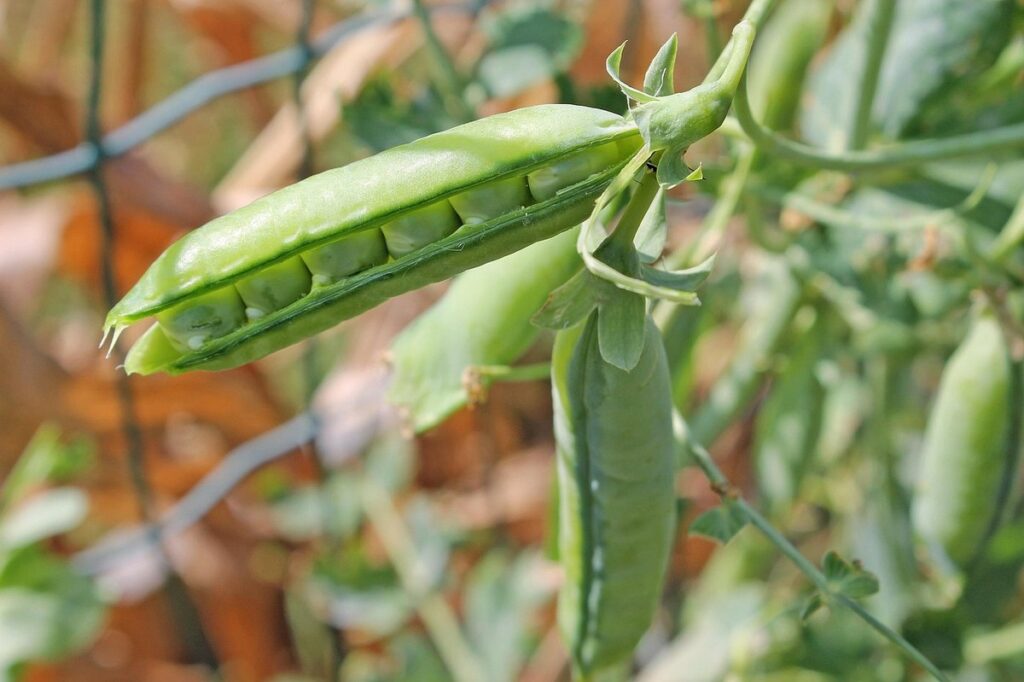
When it’s time to harvest your snap peas, it’s essential to know exactly when to pick them. This can be a bit tricky, but don’t worry, we’ve got you covered! Start by observing the plants themselves. As the days go by, look for signs that the pods are starting to swell and become plump. This is usually around 50-60 days after sowing.
Another way to determine if your snap peas are ready is to check the pod size. Harvest them when they’re about 3-4 inches long and slightly tender to the touch. If you pick them too early, the pods will be small and not very sweet. On the other hand, waiting too long can result in large, tough pods.
To ensure optimal quality, use a sharp knife or scissors to snip off the pod at the stem. Leave about 1 inch of stem attached to the plant. This will help the plant continue to produce more peas. You can also gently twist and pull the pod away from the stem. Remember, timing is everything when it comes to harvesting snap peas!
Preparing and Sharing Fresh Produce
When it’s time to harvest those delicious snap peas, the excitement builds up. But what happens next? It’s essential to teach students not only how to grow but also how to prepare and share their freshly harvested produce. This is an excellent opportunity for kids to learn about healthy eating habits, nutrition, and even cooking techniques.
Start by teaching your students basic preparation methods such as washing, trimming, and snapping the peas. You can demonstrate different ways of preparing snap peas, like steaming or sautéing them with herbs. Consider inviting a guest chef or taking a field trip to a local farm-to-table restaurant for a hands-on experience.
To encourage healthy eating habits, consider hosting a classroom harvest festival where students can share their freshly prepared snap peas with the entire school community. You could also invite parents and other teachers to join in on the fun. Make it a point to emphasize the importance of trying new foods and flavors, and encourage students to take ownership of their culinary creations.
By doing so, you’ll not only be teaching your students about sustainable gardening practices but also promoting a love for nutritious food and cooking skills that will last a lifetime.
Frequently Asked Questions
Can I grow snap peas in a classroom with limited natural light?
Yes, you can still grow snap peas in a classroom with limited natural light. Consider using grow lights to supplement the natural light, and choose a variety of snap pea that is compact or dwarf. This will help your students experience the joy of growing their own food, even in less-than-ideal conditions.
How do I prevent pests from ruining our crop?
Pests can be a challenge when growing snap peas in class! Regularly inspect your plants for signs of infestation, and use organic pest control methods whenever possible. For example, you can use neem oil or insecticidal soap to deter aphids and other pests. Make sure to follow the instructions carefully and take necessary precautions to avoid harming your students.
Can I grow snap peas in containers on a classroom balcony?
Yes, growing snap peas in containers is a great way to utilize limited space! Choose a container that is at least 6-8 inches deep and has good drainage holes. Use a well-draining potting mix and follow the same care instructions as for in-ground plantings. Make sure your students are mindful of the balcony’s wind direction and temperature fluctuations when placing their containers.
How do I involve students with different learning abilities or physical limitations?
Involving all students, regardless of ability or limitation, is a key part of this project! Consider assigning roles that cater to different needs, such as scribing notes for visual learners, taking photos for those who can’t participate physically, or designing the garden’s layout for students who enjoy planning and organization. This way, every student feels included and valued.
Can I use recycled materials for planters and other gardening supplies?
Absolutely! Using recycled materials is a great way to teach your students about sustainability and creativity. Collect old containers, plastic bottles, and other materials from around the school or community to repurpose as planters and garden tools. This will not only reduce waste but also inspire innovative thinking in your students.