
Are you ready to unlock the secrets to growing delicious and aromatic softneck garlic? With its mild flavor and easy-to-grow nature, softneck garlic is a perfect choice for home gardeners. Whether you’re a seasoned gardener or just starting out, learning how to grow softneck garlic successfully can elevate your cooking game and provide you with a bountiful harvest. But where do you start?
In this comprehensive guide, we’ll walk you through the entire process of growing season softneck garlic, from planning and planting to care and harvesting. We’ll share expert tips on choosing the right variety for your climate, preparing the perfect soil, and managing pests to ensure a healthy crop. By the end of this article, you’ll be well-equipped with the knowledge to grow succulent and flavorful softneck garlic in your own garden.
Understanding Softneck Garlic
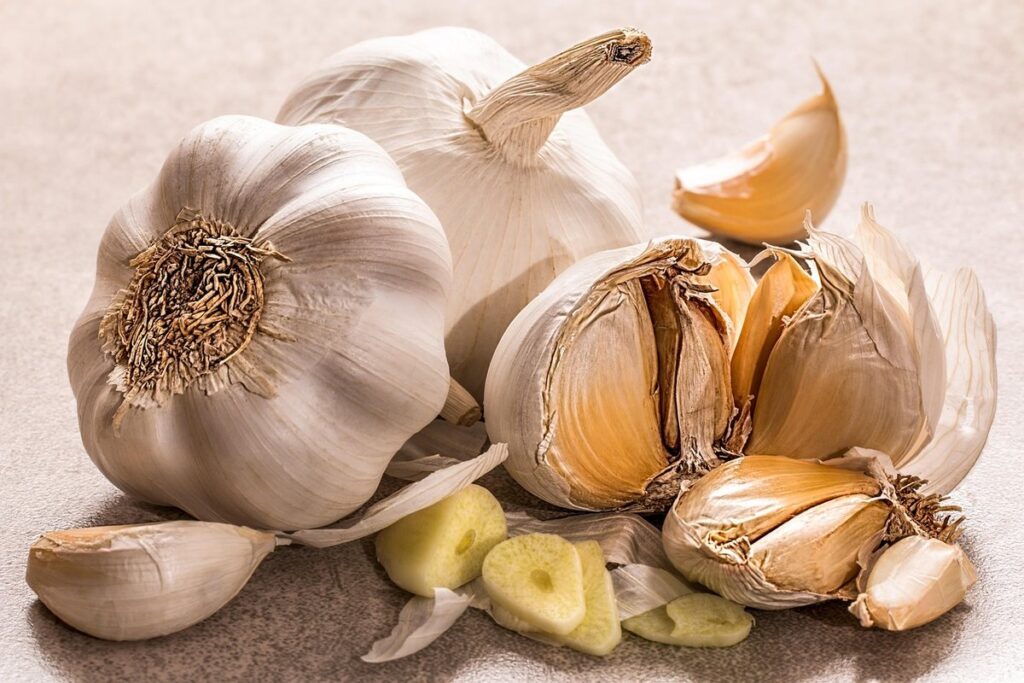
Softneck garlic is one of the most common and widely grown varieties, prized for its mild flavor and easy cultivation. Let’s dive into what makes softneck garlic unique.
Characteristics of Softneck Garlic
Softneck garlic varieties are known for their unique characteristics that set them apart from hardneck garlic. One of the most notable differences is their ability to grow and thrive in warmer climates with less intense winter chill hours, making them an ideal choice for regions with mild winters.
These varieties typically have a narrower neck and fewer cloves compared to hardneck garlic, usually ranging from 4-12 cloves per bulb. The bulbs themselves tend to be larger, with a more rounded shape and a thicker skin that’s often easier to peel. Softneck garlic is also known for its milder flavor profile, which is often described as sweeter and less pungent than hardneck varieties.
When selecting softneck garlic varieties, look for specific characteristics such as ‘Artichoke’, ‘Silverskin’, or ‘Creole’. These types are popular among gardeners due to their robust growth habits and ability to produce high-quality bulbs.
Choosing the Right Variety for Your Climate
When selecting softneck garlic varieties for your specific climate, it’s essential to consider the unique characteristics of each type. Some popular softneck garlic varieties include ‘Silver White’, ‘Russian Giant’, and ‘Creole’. These types are known for their cold hardiness, making them suitable for cooler climates with moderate winters.
In warmer climates, such as those in USDA zones 8-10, you’ll want to opt for heat-tolerant varieties like ‘Artichoke’ or ‘Beltsville Bunching’. These types have a shorter maturation period and are more resistant to heat stress. For regions with mild winters, choose varieties that thrive in temperatures between 35°F and 45°F (2°C-7°C).
When selecting softneck garlic for your climate, consider factors such as:
• Day length: Some softneck varieties require longer or shorter day lengths to induce flowering.
• Soil type: Certain varieties perform better in well-draining soils or those with high organic matter content.
• Moisture levels: Choose varieties that are adapted to your local precipitation patterns and drought tolerance.
Research the specific growing conditions for your area, then match them with the characteristics of various softneck garlic varieties. This will ensure you’re planting the most suitable type for a successful harvest.
Planning Your Garlic Crop: Timing is Everything
When it comes to planning your garlic crop, timing is indeed everything. To determine the best planting time for your region, you’ll need to consider two crucial factors: weather and frost dates.
First, take a look at your local weather patterns. Softneck garlic prefers well-drained soil and full sun, so choose a spot that receives at least six hours of direct sunlight per day. Check your average temperature and precipitation records to ensure the area gets sufficient moisture during the growing season. As a general rule, softneck garlic thrives in regions with mild winters and cool summers.
Next, pay attention to frost dates. Softneck garlic is relatively hardy but can still be damaged by extreme cold snaps. Wait until the soil has warmed up to at least 40°F (4°C) before planting. In most regions, this means planting softneck garlic in late fall or early winter, about 6-8 weeks before the first frost date. This allows the bulbs to establish themselves before the ground freezes and reduces the risk of damage from extreme cold temperatures.
Preparing the Soil for a Healthy Garlic Crop
Before planting your garlic, it’s essential to prepare the soil by loosening and aerating it, removing any debris that can harbor pests and diseases. Proper soil preparation sets the stage for a healthy crop.
Soil Requirements for Softneck Garlic
When growing softneck garlic, it’s essential to create an optimal environment that supports its growth. Softneck garlic prefers a slightly acidic to neutral soil pH, ranging from 6.0 to 7.0. This is because the plant’s enzymes and nutrient absorption processes work best within this pH range.
In terms of nutrients, softneck garlic requires a well-balanced diet of nitrogen, phosphorus, and potassium (NPK). Aim for a balanced fertilizer with an NPK ratio of around 10-10-10 or 20-20-20. However, it’s crucial to note that over-fertilization can lead to weak bulb formation and poor flavor.
To achieve the perfect balance, consider adding compost or well-rotted manure to your soil. This will not only provide essential nutrients but also improve soil structure and fertility. A general rule of thumb is to add 1-2 inches of compost to the top 6-8 inches of soil before planting garlic cloves. This will give the plants a nutrient-rich environment, allowing them to thrive and produce high-quality bulbs.
How to Prepare Your Garden Bed for Planting
Preparing your garden bed is an essential step in growing healthy and robust softneck garlic. To begin, till the soil to a depth of about 8-10 inches using a rototiller or shovel. This will loosen compacted soil, remove weeds, and aerate the existing roots.
Next, apply a balanced fertilizer according to the manufacturer’s instructions to provide essential nutrients for your garlic crop. You can also mix in some compost or well-rotted manure to improve soil structure and fertility.
Once you’ve tilled and fertilized, it’s time to mulch around your future garlic plants. Mulching retains moisture, suppresses weeds, and regulates soil temperature. Use a 2-3 inch layer of organic mulch such as straw, wood chips, or bark.
Remember to remove any debris, rocks, or plant residue from the area to ensure smooth growth. This initial preparation will provide an optimal environment for your softneck garlic crop to thrive throughout the growing season.
Dealing with Common Soil Issues: Compaction, Drainage, and More
As you’re preparing to grow season softneck garlic, it’s essential to address common soil issues that can impact its growth. Compaction is one of the most significant problems, especially if your land has been overworked or contains heavy machinery traffic. When soil becomes compacted, water and air struggle to penetrate, leading to reduced yields and smaller bulbs.
To identify compaction, perform a simple “stick test”: insert a 12-inch stick into the soil; if it’s hard to push in or won’t budge at all, your soil is likely compacted. To alleviate this issue, try using a fork to gently loosen the top 6-8 inches of soil before planting.
Drainage problems can also hinder garlic growth. If your soil tends to retain water, making it soggy and prone to rot, ensure proper drainage by incorporating organic matter like compost or well-rotted manure into the soil. This will help improve its structure and facilitate better water penetration.
Nutrient deficiencies are another common concern, often caused by over-fertilizing with chemical-based products. Instead, adopt a balanced approach by adding a mix of natural fertilizers – such as bone meal and alfalfa meal – to provide essential nutrients for your garlic crop.
Regular monitoring and adjustments will help you identify and resolve these issues before they significantly impact your garlic’s growth and yield.
Growing Softneck Garlic from Planting to Harvest
Growing softneck garlic requires careful attention from planting to harvest, and here we’ll walk you through each crucial step of the process. Let’s dive into the essential details.
Planting Softneck Garlic Bulbs
When planting softneck garlic bulbs, it’s essential to follow some crucial steps to ensure they get off to a healthy start. To begin with, choose a location that receives full sun and has well-draining soil. Softneck garlic prefers slightly acidic to neutral soil pH, between 6.0 and 7.0.
Dig the bed to a depth of about 8-10 inches, loosening the soil as you go. This will help prevent any compacted areas that can hinder root growth. Next, separate the individual bulbs from their roots, leaving the basal plate (the flat base) intact on each bulb.
Plant the garlic bulbs 4-6 inches apart and 2-3 inches deep, with the pointed end facing upwards. Make sure the soil is firm around each bulb to prevent settling. Covering the bed with a thin layer of mulch will also help retain moisture and suppress weeds. Water gently but thoroughly after planting to settle the soil.
Keep in mind that it’s best to plant garlic as soon as possible after harvesting, or in the fall, about 6-8 weeks before the first frost. This allows the bulbs to establish themselves before winter dormancy sets in.
Caring for Your Garlic Crop: Watering, Weeding, and Pest Management
Watering is crucial for your garlic crop, as it affects bulb formation and flavor. Aim to provide about 1 inch of water per week, either through rainfall or irrigation. However, be cautious not to overwater, which can lead to rot and other issues. Check the soil moisture by inserting your finger into the ground up to the knuckle; if it feels dry, it’s time for watering.
Weeds can compete with garlic plants for nutrients and water, so control them by mulching around the base of each plant or using a shallow hoe to remove weeds without damaging the bulbs. Keep in mind that some weeds, like garlic mustard, can actually attract pests that target your crop.
Regularly inspect your garlic crop for signs of pests, such as aphids, spider mites, and thrips. Use organic methods whenever possible, including introducing beneficial insects or using neem oil to control infestations. Be sure to research the specific pest management strategies applicable to your region and climate.
Monitoring for Diseases and Pests
As you tend to your softneck garlic crop, it’s essential to be aware of the common diseases and pests that can affect its health. One of the most prevalent issues is fungal infections such as powdery mildew, downy mildew, and bulb rot. These can be identified by yellowing or browning leaves, white or grayish patches on the leaves, or soft, mushy bulbs.
To manage these diseases, maintain good air circulation around your plants, remove any infected leaves or bulbs, and treat with fungicides if necessary. Regularly inspect your crop for signs of infection, and act quickly to prevent the spread.
Another concern is pests like aphids, spider mites, and thrips, which can weaken the plant’s immune system and spread disease. Look for curled or distorted leaves, sticky honeydew on the leaves, or actual insects on the plants. Use neem oil or insecticidal soap to control infestations.
Early detection and prompt action are key to preventing these problems from taking hold. Regularly inspect your crop, keep your garden clean, and use organic or integrated pest management methods whenever possible. By being proactive, you can enjoy a healthy and thriving softneck garlic crop.
Softneck Garlic Care During Different Stages of Growth
As softneck garlic grows, its needs change at each stage, and understanding these variations is crucial to producing healthy bulbs. Let’s dive into the specific care requirements for your plants during their different growth stages.
The Germination Phase: What to Expect
The germination phase is a critical period for softneck garlic growth. During this time, seeds are converting into sprouts, and roots begin to develop. To ensure optimal germination, it’s essential to provide the right conditions. Softneck garlic prefers well-draining soil with a pH between 6.0 and 7.0.
Sow your softneck garlic cloves about 1-2 inches deep in late winter or early spring, when the soil is workable but not too wet. Keep the area consistently moist during this period, as seeds need water to germinate. A temperature range of 40°F to 50°F (4°C to 10°C) promotes healthy growth.
Monitor your seedlings closely for signs of germination, which can take anywhere from 1-3 weeks. Look for small green shoots emerging from the soil, and thin them out as needed to prevent overcrowding. Keep in mind that softneck garlic is more resistant to cold temperatures than hardneck varieties, but still requires protection from extreme weather conditions.
Maintain a consistent moisture level and provide some indirect light to promote healthy growth during this phase. With proper care, your softneck garlic will begin to develop its characteristic neck and bulb shape within the next few weeks.
The Bulb Formation Phase: Optimizing Growth Conditions
Optimizing growth conditions is crucial during the bulb formation phase to ensure maximum size and quality of softneck garlic. Soil temperature, moisture, and nutrient availability all play a significant role in this stage. A consistent soil temperature between 60°F to 70°F (15°C to 21°C) promotes healthy bulb development.
To achieve optimal growth conditions, maintain adequate soil moisture levels by providing around 1 inch of water per week through rainfall or irrigation. This helps prevent stress caused by drought or excess water, which can negatively impact bulb size and quality.
Nutrient availability is another key factor during the bulb formation phase. Ensure your softneck garlic receives a balanced fertilizer application containing essential nutrients like nitrogen, phosphorus, and potassium. Aiming for a 5-10-10 N-P-K ratio will provide the necessary boost to support healthy growth and development.
Avoid over-fertilizing, as this can lead to excessive foliage growth at the expense of bulb formation. Monitor your garlic crop closely, and adjust your fertilization schedule accordingly based on soil tests and plant responses.
The Maturation Phase: Preparing for Harvest
As your softneck garlic plants approach maturity, it’s essential to monitor their progress and prepare for harvest. Start by checking for signs of readiness, such as the formation of a yellowing or papery skin on the neck of the bulb. This typically occurs around 3-4 months after planting.
During this period, the foliage may begin to yellow and die back, which is a natural process indicating that the bulbs are fully formed. Avoid harvesting too early, as immature garlic can be difficult to store and may not retain its flavor or texture.
To determine the optimal harvest time, gently dig around one of the plants, carefully excavating it without damaging the bulb. If the neck is dry and papery, with a visible separation between the bulb and the stem, it’s ready for harvest. Typically, this occurs when the tops have turned yellow and fallen over.
Post-Harvest Care and Storage for Maximum Flavor and Shelf Life
Now that your garlic has been harvested, it’s essential to properly care for it to maintain its flavor and shelf life. In this next step, we’ll cover how to store and preserve your crop for months to come.
Handling and Cleaning the Crop
After carefully harvesting your softneck garlic crop, it’s essential to handle and clean them with care to prevent damage and spoilage. Begin by gently removing the soil from the bulbs using a soft-bristled brush or a gentle stream of water. Be cautious not to wash away any of the protective layers that help preserve the garlic.
To clean the crop further, remove any large debris, leaves, or stems. For particularly dirty bulbs, you can use a mild dish soap mixed with water, but make sure to rinse them thoroughly afterwards. A quick rinse under cold running water is usually sufficient for most crops.
When handling softneck garlic, always work with your hands rather than touching the bulbs excessively with utensils, as oils from your skin can damage the crop. Store cleaned and dried bulbs in a cool, dry place to maintain their quality and extend shelf life. This includes separating them by variety to prevent cross-contamination of moisture or disease.
It’s also crucial to dry softneck garlic in a well-ventilated area before storing them to avoid moisture buildup.
Proper Storage Techniques for Maximum Shelf Life
Proper storage techniques are crucial to maintaining the flavor and texture of softneck garlic bulbs after harvesting. To keep your crop fresh for as long as possible, store the bulbs in a cool, dry place with good ventilation. Avoid storing them near direct sunlight or heat sources, such as radiators or heaters.
To achieve optimal storage conditions, maintain a temperature between 35°F and 45°F (2°C to 7°C). This will help slow down the sprouting process and prevent moisture buildup, which can lead to mold and rot. Store the bulbs in paper bags or mesh sacks to allow for airflow and keep them away from direct contact with walls.
Check on your stored garlic regularly to remove any bulbs that show signs of spoilage. Remove any damaged or soft areas immediately to prevent decay from spreading to other bulbs. By following these simple storage techniques, you can enjoy your homegrown softneck garlic throughout the year, even after the growing season has ended. Regularly inspecting and rotating your stored garlic will help ensure maximum flavor and shelf life.
Frequently Asked Questions
How Do I Know When My Softneck Garlic Is Ready for Harvest?
Yes, timing is everything when it comes to harvesting softneck garlic! A general rule of thumb is to wait until the tops of the plants start to yellow and fall over. This indicates that the bulbs are fully mature and ready to be dug up. Check on your crop regularly during this stage, and harvest as soon as possible after the leaves have turned yellow.
Can I Grow Softneck Garlic in Containers?
Yes, you can grow softneck garlic in containers if you choose a variety specifically bred for container growing. Make sure the pot is at least 6-8 inches deep to accommodate the roots of the garlic plant. Use a well-draining potting mix and provide sufficient sunlight (at least 4-5 hours direct sun) and watering.
How Do I Store Softneck Garlic After Harvest?
To maximize flavor and shelf life, store softneck garlic in a cool, dry place with good air circulation. Avoid storing it in the refrigerator, as this can cause the bulbs to sprout. Instead, tie the stems together in small bunches and hang them upside down in a mesh bag or paper bag.
What Are Some Common Pests and Diseases Affecting Softneck Garlic?
Softneck garlic is susceptible to pests like aphids, spider mites, and thrips, as well as diseases such as powdery mildew, botrytis, and fusarium. To manage these issues, practice good crop rotation, maintain a balanced fertilization schedule, and monitor your plants regularly for signs of infestation or infection.
Can I Grow Softneck Garlic in a Shaded Area?
While softneck garlic can tolerate partial shade, it’s essential to provide some direct sunlight (at least 2-3 hours) for optimal growth. If you have a shaded area, consider using grow lights to supplement the natural light and promote healthy development. Keep in mind that this may affect the flavor and texture of the final product.