
Are you curious about the Scoville scale, but think it only applies to hot peppers? Think again! The Scoville scale is actually used to measure the heat level of all types of peppers, including sweet and mild red bell peppers. But how does it work? And what factors affect a red bell pepper’s Scoville rating? In this article, we’ll dive into the world of red bell pepper Scoville ratings and explore how growing conditions, cooking methods, and more can impact their heat level. We’ll also cover some surprising facts about these mild but mighty peppers. By the end of this post, you’ll be a pro at navigating the Scoville scale and even have some tips for spicing up your cooking with red bell peppers.
What are Red Bell Peppers?
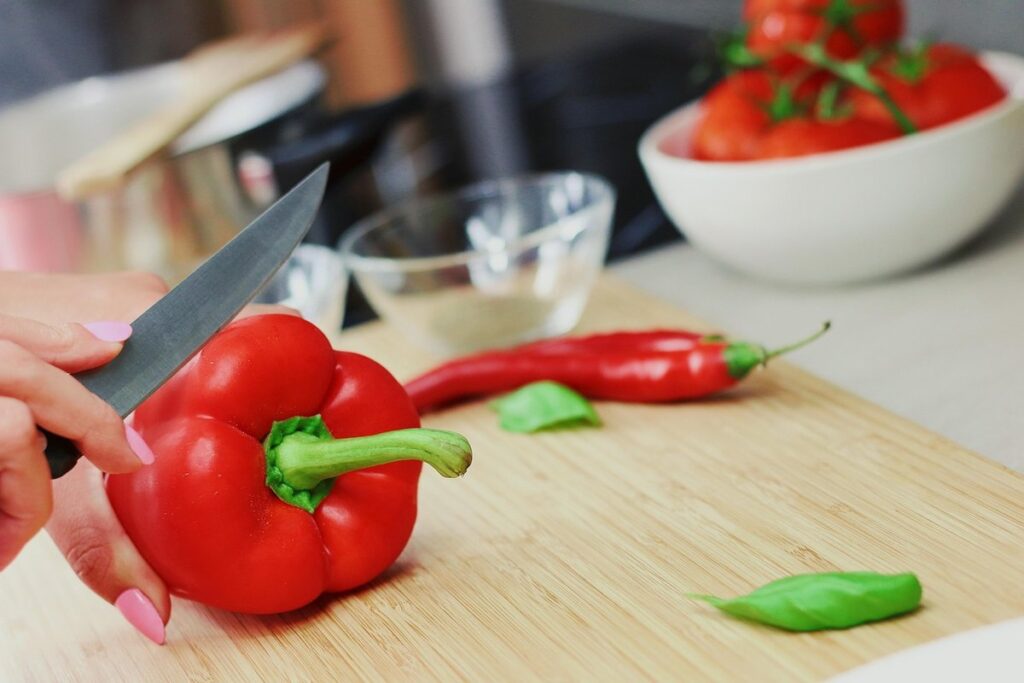
Red bell peppers get their distinctive color from a pigment called lycopene, but they’re not actually hot. They’re sweet and slightly smoky, making them a popular addition to many dishes.
Brief History of Red Bell Peppers
Red bell peppers have a rich history that spans thousands of years. These sweet and crunchy vegetables originated from Central and South America, where they were first domesticated by the Incas and other ancient civilizations. Initially, red bell peppers were green and bitter, but over time, farmers selectively bred them to be sweeter and milder.
As agricultural practices improved, so did the pepper’s color and flavor profile. The process of ripening, which turns green peppers into their signature red hue, was a significant development in their evolution. This transformation not only made them more palatable but also increased their nutritional value. Red bell peppers are now higher in antioxidants and vitamins than their unripe counterparts.
Today, red bell peppers come in various shapes, sizes, and colors, reflecting the diverse range of breeds that have been developed over the centuries. Whether you’re using them raw or cooked, their sweet flavor and crunchy texture add a pop of color to any dish. By understanding where they came from, we can appreciate the complexity and diversity of this seemingly simple ingredient.
Types of Red Bell Peppers
When it comes to red bell peppers, you’ll encounter various types that cater to different tastes and heat levels. One of the most popular varieties is the sweet red bell pepper, which has a mild flavor and low acidity level. These sweet peppers are great for snacking, salads, or as a topping for sandwiches.
On the other hand, hot red bell peppers pack a punch when it comes to spiciness. They contain high levels of capsaicin, the compound responsible for the heat in chili peppers. These peppers come in different Scoville heat units (SHU), ranging from 15,000 to over 30,000 SHU.
In addition to sweet and hot varieties, there are hybrid red bell peppers that offer a balance between flavor and heat. These hybrids often have a more intense sweetness than their sweet pepper counterparts and a lower acidity level than hot peppers. Some popular examples include the ‘Red Ember’ and ‘Cherry Belle’ varieties.
The Scoville Scale: Understanding the Heat Measurement
When it comes to the Scoville scale, you’re probably wondering how hot your red bell pepper really is. Let’s break down what this measurement means and how it applies to your sweet peppers.
What is the Scoville Scale?
The Scoville scale is a well-known measurement tool used to gauge the heat level of various peppers, including red bell peppers. It was developed by Wilbur Scoville in 1912 and is still widely utilized today. The process involves extracting the pepper’s capsaicin oil and then measuring its heat through a series of dilutions with sugar water.
Imagine taking a small amount of pepper extract and mixing it with sugar to create a solution. As you continue to dilute this mixture, eventually, one person in a panel will be unable to detect any heat at all. This is where the measurement process ends. The Scoville Heat Unit (SHU) rating is determined by how much dilution is required for the panelist to no longer feel the heat.
However, it’s essential to note that the Scoville scale has its limitations. It can be subjective as different people may perceive the same pepper differently in terms of heat level. Additionally, this method doesn’t account for other factors such as acidity and flavor profiles that also contribute to a pepper’s overall experience. Despite these constraints, the Scoville scale remains a fundamental tool for understanding pepper heat.
How the Scoville Scale Works
The science behind the Scoville scale is fascinating and straightforward. To measure pepper extract’s heat level, a process called High-Performance Liquid Chromatography (HPLC) was developed to replace the original method. This new technique has significantly improved accuracy and reliability.
In traditional Scoville testing, peppers are finely chopped and soaked in water. The solution is then measured against sugar solutions of known concentration until the panelists can no longer detect the heat. This process is time-consuming and subjective, making it prone to human error. HPLC, on the other hand, involves dissolving the pepper extract into a solvent and separating the capsaicinoids using high-pressure columns.
This method quantifies the amount of capsaicin present in the extract. The Scoville rating is calculated by multiplying this concentration by 16 (since capsaicin is approximately 16 times more potent than the other main capsaicinoid, dihydrocapsaicin). While HPLC provides more precise results, some manufacturers may still use traditional methods or a combination of both to determine their Scoville ratings.
Red Bell Peppers on the Scoville Scale
Let’s dive into the specifics of how red bell peppers rate on the Scoville scale, and explore their surprising heat levels. We’ll examine what makes them unique among sweet bell peppers.
Sweet Red Bell Peppers: Zero Heat
Sweet red bell peppers are often misunderstood as being spicy due to their association with peppers. However, they have zero heat according to the Scoville scale, which measures a pepper’s capsaicin content. This is because sweet red bell peppers are a variant of the bell pepper family that has been bred specifically for its sweetness and mild flavor.
Unlike hot peppers, sweet red bell peppers do not contain any capsaicinoids, the compounds responsible for the heat in spicy foods. As a result, they have a Scoville rating of 0, meaning they are completely free from heat. The lack of heat makes them an excellent choice for snacking, salads, and stir-fries where you want to add flavor without the burning sensation.
Sweet red bell peppers are also often used as a substitute in recipes that call for hot peppers. They can be diced and added to dishes like tacos, pasta sauces, or soups to give them a pop of color and sweetness without any heat. If you’re looking to reduce the spiciness of a recipe, sweet red bell peppers are an excellent option to consider.
Hot Red Bell Peppers: Measuring the Heat
When it comes to hot red bell peppers, measuring their heat can be a bit of an art. The Serrano pepper is a popular variety known for its intense heat, with a Scoville rating ranging from 10,000 to 23,000 units. For comparison, that’s about 50-100 times hotter than the jalapeño! Jalapeños themselves have a Scoville rating of 2,500-8,000 units, making them a good choice for those who like a bit of heat without being overwhelmed.
To give you a better idea, let’s break down some common hot red bell pepper varieties and their corresponding Scoville ratings:
• Serrano: 10,000-23,000 SHU
• Jalapeño: 2,500-8,000 SHU
• Cayenne: 30,000-50,000 SHU
• Thai Chili: 50,000-100,000 SHU
When working with hot red bell peppers, it’s essential to handle them carefully and avoid touching your eyes or other sensitive areas. If you’re new to cooking with these peppers, start with smaller amounts and adjust to taste. Remember, a little heat can go a long way!
Growing Conditions Affect Scoville Heat
The heat level of a red bell pepper is also influenced by the growing conditions, including temperature, humidity, and sunlight exposure, which we’ll explore next. These factors can significantly impact Scoville heat units.
Climate and Temperature
When it comes to growing red bell peppers, the climate and temperature play a crucial role in determining their Scoville heat level. The ideal growing conditions for red bell peppers are warm temperatures between 65-85°F (18-30°C), with an average temperature of around 75°F (24°C). However, if the temperature rises above 90°F (32°C) or drops below 55°F (13°C), it can significantly impact the pepper’s heat level.
In warmer climates, red bell peppers tend to produce more capsaicin, which is responsible for the heat. This is because capsaicin production increases as temperatures rise. For example, a study conducted in California found that peppers grown in warmer conditions had an average Scoville heat unit (SHU) of 5,000, while those grown in cooler conditions averaged around 2,000 SHU.
To grow red bell peppers with optimal heat levels, it’s essential to maintain consistent temperatures and provide adequate moisture. Aim for a temperature range that falls between the ideal growing conditions mentioned earlier, and make sure to water your plants regularly to prevent stress, which can lead to reduced capsaicin production and lower Scoville heat levels.
Soil Quality and Fertilization
When it comes to growing red bell peppers, soil quality and fertilization play a significant role in determining their Scoville heat level. Peppers are heavy feeders, requiring a balanced diet of nutrients to produce well. If the soil lacks essential micronutrients like calcium, magnesium, or potassium, the pepper’s growth may be stunted, affecting its heat level.
Adequate fertilization can boost pepper growth by providing necessary macronutrients like nitrogen, phosphorus, and potassium. Organic matter such as compost or manure adds beneficial microbes to the soil, improving nutrient uptake and overall plant health. Farmers often use foliar sprays containing micronutrients to enhance pepper growth and fruit production.
In terms of specific nutrients, research suggests that high levels of calcium can actually reduce Scoville heat in peppers. Conversely, insufficient potassium can limit pepper growth and development. To optimize red bell pepper growth and heat level, gardeners should focus on maintaining a well-balanced soil profile with adequate organic matter, ensuring optimal nutrient uptake.
To test your soil’s nutrient levels, consider conducting regular pH tests and micronutrient analysis. Adjusting your fertilization schedule accordingly can make a significant difference in the heat of your red bell peppers.
Cooking Methods and Scoville Heat Retention
When cooking, some methods retain more of the pepper’s natural heat than others, so let’s explore how different techniques impact the Scoville scale. We’ll also cover which methods are best for preserving the pepper’s flavor and intensity.
Roasting, Grilling, and Steaming
When preparing red bell peppers for consumption, it’s essential to consider the impact of cooking methods on their Scoville heat retention. While roasting, grilling, and steaming are popular ways to cook bell peppers, each method affects the Scoville scale differently.
Roasting is a great way to enhance the natural sweetness in bell peppers while retaining some of their heat. When you roast red bell peppers over an open flame or in the oven, the high temperature breaks down the capsaicinoids responsible for the heat, but a significant amount remains. In fact, roasted red bell peppers can retain up to 50% of their original Scoville heat.
Grilling is another cooking method that impacts the Scoville scale. Direct heat from the grill can burn off some of the capsaicinoids, reducing the overall heat in the pepper. However, if you grill them for a shorter time and over medium-low heat, you may retain around 30-40% of their original heat.
Steaming is often considered a low-impact cooking method that preserves nutrients. While it’s true that steaming doesn’t destroy as much of the capsaicinoids as high-heat methods like roasting or grilling, it still reduces the Scoville heat to some extent – around 20-30%.
Preserving Red Bell Peppers
Preserving red bell peppers allows you to enjoy their sweet and slightly smoky flavor year-round. Since they are relatively low on the Scoville scale, you don’t have to worry about preserving them for heat retention purposes. Instead, focus on methods that retain their texture, flavor, and color.
Freezing is a great way to preserve red bell peppers. Simply chop or slice them, remove excess moisture with paper towels, and store them in airtight containers or freezer bags. Frozen red bell peppers can be used in soups, stews, and sauces throughout the year. Another option is canning, which involves packing sliced or chopped peppers into sterilized jars and processing them in a boiling water bath.
Pickling is also an effective method for preserving red bell peppers. Slice or chop the peppers, soak them in a brine solution (water, vinegar, salt, and spices), and store them in the refrigerator. Pickled red bell peppers can add a tangy flavor to salads, sandwiches, and snacks. Regardless of the preservation method you choose, make sure to follow safe food handling practices to maintain the quality and safety of your preserved peppers.
Conclusion: Navigating the Red Bell Pepper Scoville Scale
Now that you’ve grasped the ins and outs of the red bell pepper Scoville scale, let’s navigate how to use this knowledge in everyday cooking and meal planning.
Recap of Key Points
In this section, we’ll recap the key points discussed throughout the article to ensure you have a solid understanding of the red bell pepper Scoville scale.
As we’ve explored, the Scoville scale measures the heat level of peppers, including red bell peppers. We touched on the differences between the regular and sweet varieties, noting that while sweet red bell peppers are often milder, they can still contain some heat.
Key factors influencing a pepper’s Scoville rating include its ripeness, preparation method, and individual plant characteristics. To give you a better idea of what to expect from different types of red bell peppers, we examined the Scoville ratings for several popular varieties. For instance, sweet red bell peppers typically range from 0-100 SHU, while some hot red pepper varieties can reach up to 30,000 SHU or more.
By understanding how the Scoville scale works and what influences a pepper’s rating, you’ll be better equipped to navigate the world of red bell peppers and choose ones that suit your taste preferences. Whether you’re looking for mild flavor or a bold kick, knowing the Scoville ratings can help you make informed decisions when selecting red bell peppers at the market or in recipes.
Practical Applications for Home Cooks
Now that you have a better understanding of the Red Bell Pepper Scoville scale, it’s time to apply this knowledge in your own kitchen. As a home cook, selecting and preparing red bell peppers can be a daunting task, especially if you’re unsure about their level of heat. By using the Scoville scale as a guide, you’ll be able to confidently choose red bell peppers that suit your taste preferences.
When shopping for red bell peppers, look for the label “sweet” or “mild.” These peppers have been bred to be sweet and low in capsaicin, making them ideal for snacking, salads, and stir-fries. If you’re looking for a bit more heat, try selecting “medium-hot” or “hot” red bell peppers. Keep in mind that even within these categories, there can be varying levels of Scoville heat units (SHU).
To ensure your cooking process doesn’t amplify the pepper’s natural heat, use proper handling techniques when chopping and slicing the peppers. This includes wearing gloves to prevent oils from transferring to your skin and causing irritation.
Frequently Asked Questions
What if I’m still confused about how the Scoville scale applies to red bell peppers? Can you simplify it for me?
The Scoville scale measures the heat level of peppers by quantifying the amount of capsaicin present. For red bell peppers, which are typically sweet and mild, the rating is usually 0-100 SHU (Scoville Heat Units). Think of it like a thermometer – just as temperature ranges from 0 to 100 degrees Fahrenheit, Scoville ratings range from 0 (no heat) to infinity (extremely hot).
How can I determine if my homegrown red bell peppers are sweet or potentially hot?
To identify the heat level of your red bell pepper crop, taste a few pods. If they’re sweet and not spicy, you likely have sweet red bell peppers with a Scoville rating close to 0 SHU. However, if you notice any significant burning sensation while eating them, it could indicate higher Scoville ratings or the presence of hot red bell peppers.
I’ve heard that cooking methods can affect the Scoville heat level in red bell peppers. Is this true?
Yes, cooking methods can impact the Scoville rating by breaking down capsaicin and altering flavor compounds. Roasting, grilling, or steaming can enhance sweetness while reducing heat levels in some cases. Conversely, high-heat cooking might concentrate and intensify capsaicin, increasing perceived heat.
Can I grow hot red bell peppers at home if I don’t have experience with pepper cultivation?
While growing conditions like climate and soil quality are crucial for any pepper variety, cultivating hot red bell peppers requires attention to detail. Research specific growing requirements, disease management, and pest control strategies. Also, be aware that handling or consuming hot peppers can cause skin irritation; take necessary precautions.
What’s the best way to preserve my homegrown red bell peppers to retain their flavor and heat (or lack thereof)?
To preserve sweet red bell peppers, consider roasting them in oil, freezing, or dehydrating. Hot red bell peppers might require different methods due to capsaicin degradation during preservation. Research specific techniques for maintaining Scoville ratings and flavor profiles when preserving your homegrown peppers.