
As the summer foliage starts to fade, many of us are eager to give our outdoor spaces a fresh new look. Fall is an excellent time to get creative with planters, and choosing the right plants can make all the difference in adding color, texture, and drama to your patio or porch. Whether you’re looking for perennials that will come back year after year or annuals that will add a pop of color before winter sets in, there are plenty of options to consider.
In this article, we’ll explore some of the best plants for fall planters, including succulents and tropical varieties that can thrive even in cooler temperatures. We’ll also provide tips on how to choose the right plants for your climate and offer advice on maintaining a thriving fall garden. Whether you’re a seasoned gardener or just starting out, you’ll find inspiration and guidance here to help you create a beautiful and inviting outdoor space that’s perfect for the fall season.
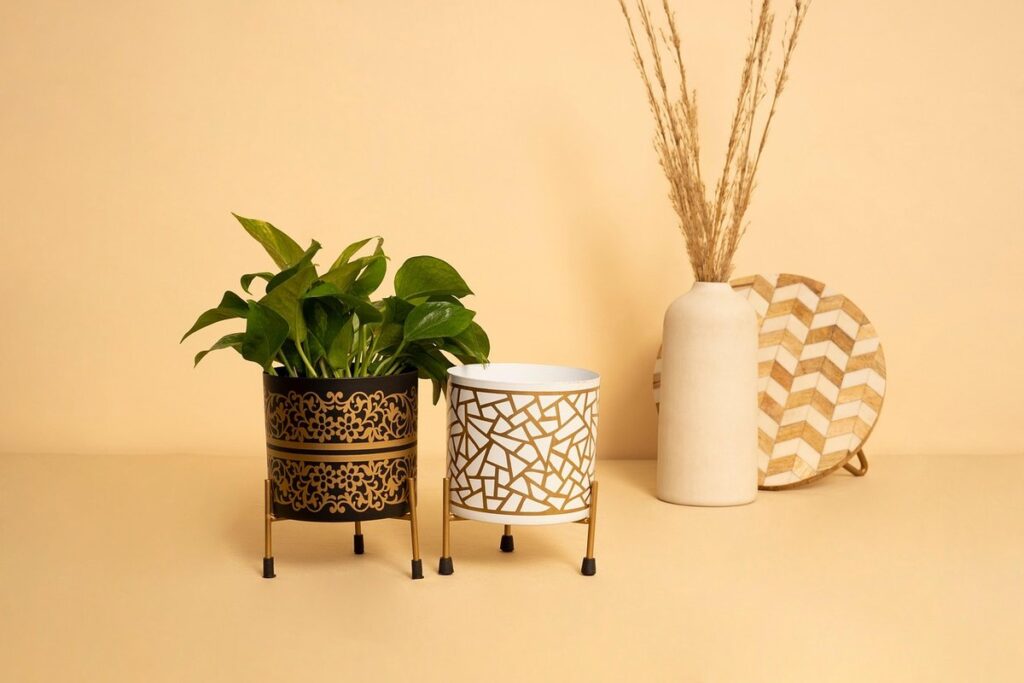
Choosing the Right Plants for Your Fall Planter
When selecting plants for your fall planter, it’s essential to choose species that thrive in cooler temperatures and can tolerate potential frost. This selection offers some top recommendations.
Considering Climate and Hardiness Zone
When choosing plants for your fall planter, it’s essential to consider your local climate and hardiness zone. This will ensure that your plants thrive throughout the fall season and can withstand any potential frost.
To determine your hardiness zone, visit the USDA Plant Hardiness Zone Map website or consult with a local nursery. Your zone number indicates the average annual extreme minimum temperature for your area. Plants have varying levels of tolerance to frost, so it’s crucial to select varieties that are suitable for your zone.
For example, if you live in a zone 5 or colder, choose plants like mums, asters, and sedum, which can tolerate light frosts. In warmer zones (6-9), consider using fall-blooming perennials like chrysanthemums, salvias, or coral bells. Some plants are sensitive to temperature fluctuations, so be mindful of their specific needs.
When selecting plants for your planter, research the mature size and growth habits of each variety to ensure they’ll complement each other in your arrangement. This will also help prevent overcrowding and promote healthy plant growth throughout the fall season.
Selecting Plants Based on Sunlight Requirements
When selecting plants for your fall planter, it’s essential to consider the sunlight conditions they’ll be exposed to. Different plants have varying light requirements, and choosing the right ones will ensure your planter thrives throughout the season.
For full sun (6+ hours of direct sunlight), opt for plants like mums, asters, and chrysanthemums that will bloom brightly in the fall. These flowers come in a range of colors and are perfect for adding a pop of color to your planter.
If your planter receives partial shade (4-6 hours of indirect sunlight), consider plants like ferns, hostas, and impatiens. These options add texture and interest without requiring too much direct sunlight. For example, hostas have beautiful foliage that will continue to grow even in low-light conditions.
For deep shade (less than 4 hours of indirect sunlight), focus on plants with variegated or dark green leaves like coleus, begonias, or creeping Jenny. These options add a touch of elegance and can thrive in low-light environments. By selecting plants that match your planter’s sunlight conditions, you’ll ensure a stunning display of color and texture throughout the fall season.
Popular Fall Plant Options
As fall arrives, you’re probably looking for some beautiful plants that thrive in cooler temperatures and add vibrant colors to your planters. Here are our top picks for popular fall plants that fit the bill perfectly.
Perennials for Fall Color and Interest
Perennials are a wonderful choice for fall planters, providing vibrant color and interest to your outdoor spaces even as the weather cools down. If you’re looking for popular perennial options that bring fall flair, consider adding Asters, Chrysanthemums, or Sedum to your planter.
Asters are a favorite among gardeners for their daisy-like blooms in shades of pink, purple, and white. These low-maintenance perennials thrive in well-draining soil and full sun, making them perfect for fall planters. Plant them in late spring or early summer for a mid-to-late fall display.
Chrysanthemums, also known as Mums, are another classic choice for fall color. Their vibrant blooms come in a range of colors, from bright yellow to deep red and burgundy. Be sure to deadhead spent flowers to encourage more blooms and keep your plant looking its best. Plant Mums in late summer or early fall for a stunning display.
Sedum is a versatile perennial that’s perfect for containers. Its thick, fleshy leaves store water, allowing it to thrive in dry conditions. Cut Sedum back in the spring to encourage new growth and blooms. In fall, its white or yellow flowers add a delicate touch to your planter.
Annuals for a Vibrant Pop of Color
Annuals are a great way to add a vibrant pop of color to your fall planter without having to worry about deadheading or pinching. For this reason, they’re perfect for adding a seasonal splash to your outdoor space.
If you’re looking for annual options that pack a punch, consider the following:
* Pansies are one of the most popular annuals for fall planters, and it’s easy to see why – their bright colors and delicate petals add a whimsical touch to any planter.
* Kale is another option that’s often overlooked as an annual. However, some varieties like Red Russian or Lacinato have beautiful deep purple or red leaves that add a stunning pop of color to your fall planter.
* Marigolds are also great for adding a bright splash of color to your fall planters. Their bright yellow and orange blooms can thrive in cooler temperatures, making them perfect for the fall season.
When incorporating annuals into your fall planter, remember to choose varieties that thrive in cooler temperatures (around 60-70°F). Also, be sure to plant them close together so they can form a dense mat of color. This will also help to create a cohesive look and prevent the need for constant pruning.
Succulent and Tropical Plants for Fall
As we trade in our summer blooms for fall foliage, let’s explore some vibrant succulents and tropical plants that thrive during this cozy season. Perfect for adding a pop of color to your planters!
Succulents for Low-Maintenance Interest
As we enter the cooler temperatures of fall, many plants begin to thrive. Among them are succulents, which not only add a touch of low-maintenance interest to your fall planters but also require minimal upkeep. When selecting succulent options for your autumnal arrangements, consider those that can tolerate cooler temperatures and reduced watering.
Some popular succulent varieties perfect for fall include Aloe ‘Blue Elf’, Sedum ‘Herbstfreude’ (Autumn Joy), and Echeveria ‘Perle von Nurnberg’. These plants are not only aesthetically pleasing but also capable of thriving in the 50-70°F temperature range characteristic of autumn.
When incorporating succulents into your fall planters, remember to water them sparingly. Succulents store water in their leaves, so they can survive with minimal watering. To ensure optimal health, water your succulents once a week during the cooler months, allowing the soil to dry slightly between waterings. With proper care and selection, succulents will add a beautiful touch of interest to your fall planters without requiring excessive maintenance.
Tropical Plants for a Touch of Exotic Beauty
As we dive into the world of tropical plants for fall planters, you might be wondering what options are perfect for adding that exotic touch to your outdoor space. Look no further! Plants like Hibiscus, Bougainvillea, and Bird of Paradise are not only breathtakingly beautiful but also thrive in the cooler temperatures of autumn.
One of the most show-stopping tropical plants for fall is the Hibiscus. These vibrant flowers come in a range of colors, from soft pastels to bold corals, and can grow up to 15 feet tall with proper care. Simply plant them in a container with well-draining soil, provide full sun, and enjoy their stunning blooms all season long.
Bougainvillea is another tropical stunner that’s perfect for fall planters. With its bright purple flowers and delicate white bracts, it adds an exotic flair to any outdoor space. Plus, it can be trained to climb up a trellis or left to cascade over the edge of your planter – giving you endless design possibilities.
For those who want to make a statement, the Bird of Paradise is the ultimate tropical plant for fall. Its stunning orange and purple blooms resemble a bird’s plumage, adding an air of drama and sophistication to any space. Plant it in well-draining soil with full sun, and be prepared for non-stop oohs and aahs from friends and family.
Whether you’re looking to add a pop of color or make a bold statement, these tropical plants are sure to bring a touch of exotic beauty to your fall planter.
Grasses and Ornamental Corn for Texture and Drama
When it comes to adding visual interest to your fall planters, consider incorporating grasses and ornamental corn for a dramatic pop of texture and movement. These unique plants are perfect for autumn arrangements.
Adding Texture with Ornamental Grasses
Ornamental grasses are often overlooked as a primary plant choice, but they bring a unique element to fall planters. Not only do they add texture and visual interest, but they also provide movement with the wind. Their feathery plumes or delicate foliage create a beautiful contrast to other plants in your planter.
When selecting ornamental grasses for your fall planter, consider their growth habits and size. For example, ‘Prairie Breeze’ Little Bluestem is a compact option that grows only 2-3 feet tall, making it perfect for smaller planters or borders. On the other hand, ‘Fountaingrove’ Blue Oat Grass can reach up to 4 feet tall and creates a stunning backdrop for smaller plants.
To create a visually appealing combination with ornamental grasses in your fall planter, try pairing them with other plants that have contrasting textures and colors. For instance, combine the delicate foliage of ‘Muhlenbergia’ or ‘Blue Oat Grass’ with some chunky mums or vibrant pansies for a beautiful contrast.
Using Ornamental Corn for a Pop of Color and Texture
Ornamental corn is a stunning addition to fall planters, offering a burst of color and texture that can instantly elevate your outdoor space. This versatile crop comes in an array of vibrant hues, from deep reds and oranges to soft yellows and whites. When selecting ornamental corn for your planter, consider the overall aesthetic you want to achieve.
For a bold look, pair bright orange or yellow corn with deep crimson mums and dark greenery like boxwood or arborvitae. Alternatively, combine softer hues of pink or white corn with warm-toned succulents and fall-hued foliage. To add visual interest, arrange the corn in loose, flowing bunches or create a focal point by clustering several stalks together.
When planting ornamental corn, keep in mind its mature size – typically around 3-4 feet tall. Plant it towards the back of your planter to avoid blocking other elements. Also, note that ornamental corn is a warm-season crop and will begin to fade as winter approaches, making it an excellent choice for fall planters.
Tips for Creating a Thriving Fall Planter
To make the most of your fall planter, here are some expert tips on how to choose and care for the perfect combination of plants. Let’s get planting!
Preparing Your Planter for Fall Planting
Before diving into selecting the perfect fall plants, it’s essential to prepare your planter for the changing seasons. A well-prepared planter will ensure that your chosen flowers and foliage thrive throughout the cooler months.
When preparing your planter, start by assessing its soil quality. Fall planters often prefer slightly acidic to neutral soil pH (around 6.0-7.0), so if you’re using a potting mix from an earlier season, it may be too alkaline for fall blooms. Test your soil pH and amend it as needed with lime or sulfur.
Drainage is also crucial during the wetter months of fall. Ensure that your planter has adequate drainage holes to prevent waterlogged soil, which can lead to root rot and other issues. If your planter doesn’t have built-in drainage, consider adding a layer of perlite or vermiculite to improve water flow.
Finally, fertilize your planter with a balanced fertilizer (10-10-10 NPK) in late summer to early fall, about 2-4 weeks before planting. This will give the soil time to break down and deliver nutrients to your plants as they establish themselves.
Maintenance Tips for a Healthy Fall Garden
To keep your fall garden healthy and thriving throughout the season, regular maintenance is crucial. Start by monitoring the weather forecast to anticipate potential frost dates and plan accordingly. Bring sensitive plants under cover or move them to a protected area if necessary.
As temperatures drop, reduce watering to prevent root rot and other moisture-related issues. Instead, focus on providing enough moisture to keep the soil consistently moist but not waterlogged. A general rule of thumb is to water your fall garden once or twice a week, depending on weather conditions.
Another essential maintenance task is pruning and deadheading. Regular pruning encourages healthy growth, promotes blooming, and prevents overgrowth. Remove spent flowers and seed heads to maintain appearance and encourage more blooms. For example, after the first frost, cut back perennials like asters, sedum, and chrysanthemums to about one-third of their height.
Additionally, keep an eye out for pests and diseases that can affect your fall garden. Inspect plants regularly for signs of infestation or disease, and take action promptly if necessary.
DIY and Decorating Ideas for Fall Planters
Now that you’ve picked your favorite fall plants, let’s get creative with some fun and easy DIY projects to decorate your planters in style this season.
Adding Decorative Elements to Your Planter
Adding decorative elements to your planter is an excellent way to give it a personal touch and make it stand out on your porch or patio. When it comes to fall planters, you can use seasonal colors and materials to create a cozy and inviting atmosphere.
Consider adding ribbons or twine around the neck of your planter in autumnal hues like orange, red, or yellow. You can also tie a bow at the top for a more polished look. Another idea is to add some artificial fall leaves or berries to give your planter a pop of color and texture.
If you’re feeling crafty, try using natural materials like pinecones, acorns, or dried corn husks to create a unique arrangement in your planter. You can also use decorative stones or pebbles to add depth and visual interest. Don’t forget to add a few candles or fairy lights to illuminate your planter and create a warm ambiance.
Remember, the key is to have fun and experiment with different combinations of materials and embellishments until you find a look that reflects your personal style.
Creating a Themed Fall Planter Display
Create a warm and inviting atmosphere in your garden or porch by designing a themed fall planter display that reflects the season’s harvest theme. To get started, choose a few key plants that evoke the feeling of autumn, such as sunflowers, dahlias, or chrysanthemums.
Next, select a few decorative elements that tie in with the harvest theme, like burlap ribbon, corn husks, or small wooden signs. Group your plants together in a way that creates visual interest and balance. For example, you could arrange tall plants towards the back of the display and shorter ones towards the front.
Consider adding some seasonal accents like pinecones, acorns, or dried corn stalks to add depth and texture to your planter display. You can also incorporate fall-colored flowers like burgundy salvias or goldenrod to tie in with the harvest theme.
To complete your themed fall planter display, add a few finishing touches like fairy lights or a small wooden bench to create a cozy ambiance. Remember, the key is to have fun and be creative when designing your fall-themed planter display!
Frequently Asked Questions
What if I live in an area with frost but still want to enjoy my fall planter?
Consider using frost blankets or bringing your potted plants indoors during the coldest nights to protect them from damage. You can also choose perennials that are hardy in your zone and can tolerate light frosts.
Can I use a mix of annuals and perennials in the same fall planter?
Yes, combining annuals and perennials is a great way to add color and interest to your planter throughout the fall season. Just be sure to choose plants with similar sunlight requirements and hardiness zones to ensure they thrive together.
How can I maintain my fall planter during periods of drought or excessive rain?
Regularly check the moisture level in your soil, and adjust your watering schedule accordingly. You can also add a layer of mulch to help retain moisture and suppress weeds.
Are there any plants that can tolerate heavy shade and still provide interest for my fall planter?
Yes, consider using plants like ferns or impatiens that thrive in shaded conditions and come in a variety of colors and textures to add visual interest to your planter.
What’s the best way to transition from summer to fall plants in my existing planter?
Start by removing any dead or dying plants, then replace them with new fall-friendly plants. Use a balanced fertilizer to give your existing plants a boost before adding new ones. This will help ensure a smooth transition and healthy growth throughout the fall season.