
Starting your succulent journey can be both exciting and overwhelming. With so many types to choose from, it’s easy to get lost in the world of thick, fleshy leaves. But don’t worry – we’ve got you covered! In this article, we’ll dive into the fundamentals of succulent care, covering everything from selecting the right type for your space to advanced techniques like fertilizing and pruning.
Whether you’re a seasoned plant parent or just starting out, mastering the basics is key to keeping your succulents thriving. We’ll share expert tips on how to create an optimal environment for your plants, including advice on watering, temperature control, and more. By the end of this guide, you’ll be well-equipped to tackle any succulent care challenge that comes your way. So let’s get started and discover the secrets to growing happy, healthy succulents!
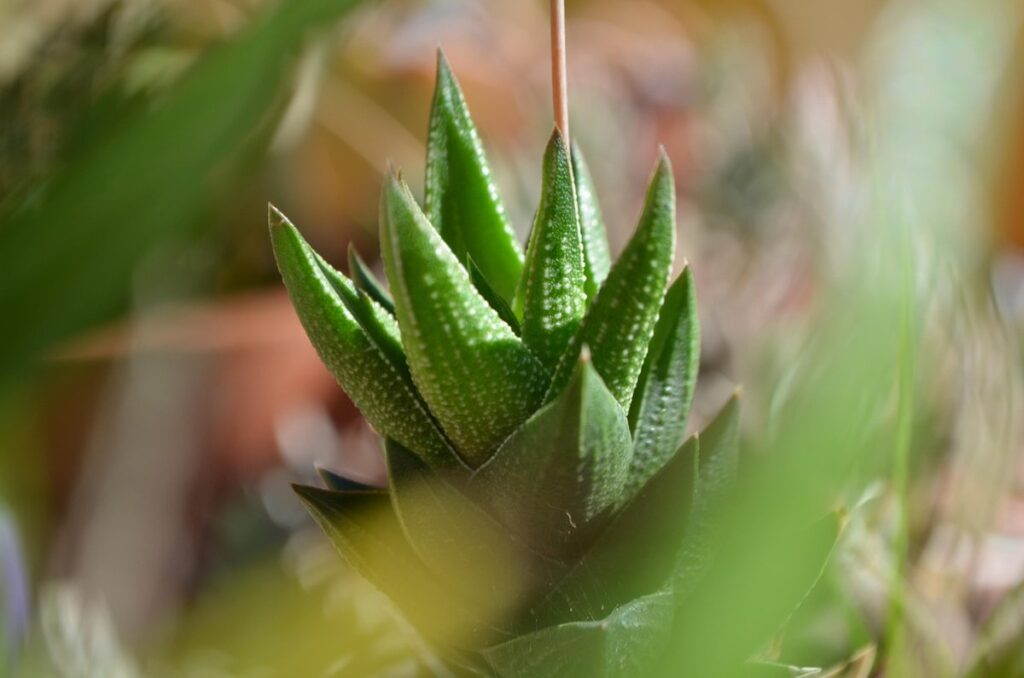
Understanding Your Succulents
When it comes to succulent care, understanding your plant is key to keeping it happy and thriving. Let’s break down what makes a succulent tick and how you can tailor your care routine accordingly.
Types of Succulents and Their Characteristics
When it comes to succulents, there’s an incredible variety to explore. Let’s break down some of the most popular types and their unique characteristics.
Aloe is a classic choice for beginners. These succulents are known for their healing properties, and many species have beautiful, vibrant flowers. However, they do require more water than some other types, making them ideal for those with a bit more experience. Echeveria, on the other hand, has striking rosettes that can add a pop of color to any room. These succulents prefer well-draining soil and infrequent watering.
Crassula is another popular choice, boasting an impressive range of species. From compact, shrub-like varieties like ‘Campfire’ to delicate, hanging types like ‘String of Pearls’, there’s a Crassula to suit every style. Keep in mind that these succulents prefer brighter light and more frequent watering than some other types.
When selecting your first succulent, it’s essential to consider the specific needs of each type. For instance, Aloe and Echeveria are best suited for well-ventilated areas with moderate temperatures. Crassula and other species can thrive in a variety of environments, making them ideal for those new to succulent care.
Choosing the Right Succulent for Your Home
When it comes to choosing the right succulent for your home, it’s essential to consider the environment and lighting conditions you have available. Different succulent species thrive in various light intensities, making some more suitable for low-light areas and others for bright, sunny spots.
To start, assess the amount of natural light your space receives. If it’s a dimly lit room or office, look for succulents that can tolerate low light levels. Some excellent options include Echeveria, Crassula, and Haworthia, which can survive with minimal direct sunlight. On the other hand, if you have a sunny spot, consider species like Aloe Vera, Agave, and Cacti, which love basking in the sun.
Consider the temperature range in your home as well. If it’s consistently warm, succulents like Echeveria and Crassula will thrive. However, if it’s cooler, opt for hardy species like Sedum or Sempervivum. By choosing a succulent that suits your environment, you’ll set yourself up for success and ensure your plant stays healthy and happy.
Preparing the Perfect Environment
To grow succulents successfully, you need a dedicated space that provides the right conditions for them to thrive. Let’s set up an ideal environment in your home!
Soil and Potting Mix Requirements
When it comes to growing succulents, the right soil and potting mix can make all the difference. Succulents thrive in well-draining environments that prevent waterlogged roots, which can lead to root rot and other issues.
To create a perfect environment for your succulents, look for potting mixes specifically designed for cacti and succulents. These mixes are typically made from a blend of ingredients like perlite, vermiculite, or sand, which help to prevent water retention. A good rule of thumb is to choose a mix that contains at least 50% inorganic materials.
When repotting your succulents, be sure to gently remove the plant from its container and inspect the roots. If the roots have become pot-bound (tangled and circling), it’s time to refresh the soil and pot size. Prune back any circling roots with sterile scissors or a gentle fork, then place the succulent in a new pot filled with fresh, well-draining mix.
Regularly check the moisture levels of your potting mix by sticking your finger into the soil up to the first knuckle. If the soil feels dry, it’s time to water; if it’s still damp, wait another day or two before watering again. By following these simple tips, you’ll be well on your way to creating a perfect environment for your succulents to thrive.
Lighting, Temperature, and Humidity Considerations
When it comes to creating an ideal environment for your succulents, lighting, temperature, and humidity are crucial factors to consider. Most succulents thrive in well-lit conditions, but the type of light is just as important as the amount. Direct sunlight can be too intense for some succulents, causing them to become scorched or develop brown spots. Instead, place your succulents near an east- or west-facing window, which provides gentle, indirect light.
As a general rule, daytime temperatures between 65°F and 75°F (18°C and 24°C) are perfect for most succulents. However, nighttime temperatures can drop by 5-10°F (3-6°C), allowing the plants to rest. Avoid placing your succulents near heating or cooling vents, fireplaces, or drafty windows.
In terms of humidity, succulents prefer dry air, typically between 40-60% relative humidity. To achieve this level, you can place the pot on a tray filled with small rocks and water. As the water evaporates, it will increase the surrounding humidity without overwatering your plant. Remember to monitor these conditions and adjust them according to your succulent’s specific needs.
Watering and Hydration Techniques
When it comes to succulents, getting the watering just right can be a challenge – but don’t worry, we’ve got you covered with some essential hydration techniques.
Overwatering vs. Underwatering: Signs to Watch For
As you tend to your succulents, it’s essential to recognize the warning signs of over- and underwatering. This will help you identify problems before they cause irreversible damage.
When it comes to watering, succulents can be sensitive to both excess moisture and drought. Overwatering is a common mistake that can lead to root rot, while underwatering may cause leaves to shrivel up or drop off. Here are some signs to watch for:
* Yellowing or softening of the leaves: This could indicate overwatering.
* Droopy or limp leaves: Your succulent might be thirsty and in need of water.
* Pests like mealybugs, spider mites, or scale: These often thrive in moist environments, indicating possible overwatering issues.
* Soft spots on the skin: This is a clear sign that your succulent has been exposed to too much moisture.
On the other hand, if you notice:
* Leaves becoming wrinkled or shriveled
* Leaf drop-off
* A lack of new growth
It may be time to give your succulents some more water. Remember, it’s always better to err on the side of caution and underwater slightly than to risk overwatering, which can be fatal for your plant.
How Often to Water Your Succulent
Watering succulents can be a bit tricky, especially for beginners. The frequency of watering depends on several factors such as the type of succulent, its age, potting mix, and environmental conditions. Generally, most succulents prefer well-draining soil and should be watered when the top 1-2 inches of soil feels dry to the touch.
For indoor succulents, it’s best to stick to a schedule. Water your succulents once a week during the spring and summer months when they’re actively growing. During the fall and winter months, reduce watering to once every 10-14 days as they enter a dormant state. Be cautious not to overwater, which can lead to root rot.
For outdoor succulents, the frequency of watering depends on the climate. In hot and dry conditions, water your succulents more frequently, ideally every 3-4 days during the peak summer months. In cooler or wetter climates, you may only need to water them once a week.
It’s also essential to observe your succulent’s specific needs based on its species. For example, some succulents like aloe and agave prefer more frequent watering than cacti. By understanding these factors, you can develop a customized watering schedule that suits your succulents’ unique needs.
Propagation and Repotting Basics
Now that you’ve mastered basic succulent care, let’s dive into propagation and repotting techniques to help your plants thrive and multiply. We’ll cover essential steps for successful propagation and repotting.
Methods of Succulent Propagation (Leaf, Stem, Division)
When it comes to propagating succulents, you have three main methods at your disposal: leaf, stem, and division. Each method has its advantages and challenges, but with the right approach, you can increase your chances of success.
Leaf propagation is one of the most common methods, and for good reason – it’s relatively easy and requires minimal equipment. To propagate a succulent using leaves, simply twist or cut off a healthy leaf from the mother plant, allow it to dry for a few days to form a callus over the wound, and then plant it in well-draining soil. This method works particularly well with species like Aloe and Echeveria.
Stem propagation is slightly more involved but can be just as successful. Cuttings taken from the stem of the mother plant should be around 3-5 inches long and have at least two nodes (the joint where a leaf meets the stem). Remove lower leaves, dip the cutting in rooting hormone, and plant it in a pot filled with a well-draining mix.
Division is another effective method for propagating succulents, especially when repotting an established plant. Gently separate the roots of the mother plant to create two or more smaller plants. This method works best for species like Agave and Yucca that have developed a strong root system over time.
When using any of these methods, it’s essential to provide the right environment for your succulent cuttings to thrive. Keep them in bright, indirect light and water sparingly until roots have developed. With patience and practice, you’ll soon be successfully propagating your own succulents and sharing them with friends and family.
When and How to Repot Your Succulents
When you notice your succulents have outgrown their pots, it’s time to repot them. This can happen due to an increase in size or the development of visible roots growing out of the drainage holes. As a beginner, recognizing these signs is essential for healthy plant growth and preventing waterlogged soil.
Check if your succulent needs repotting by gently removing it from its container. If you see more than half of the root system exposed, it’s likely time to transplant. Choose a pot that is only one to two sizes larger than the original, as this will prevent the soil from becoming too wet and reduce the risk of root rot.
When selecting new pots, consider materials like terracotta or ceramic, which provide excellent drainage. A shallow pot is also ideal for succulents, allowing excess water to escape quickly. Use a well-draining mix specifically designed for cacti and succulents, and handle the roots with care during transplanting to minimize shock.
Common Problems and Troubleshooting
Don’t worry if you’re experiencing issues with your succulents – we’ve got you covered. This section tackles common problems beginners face, along with practical solutions to get you back on track.
Dealing with Pests (Mealybugs, Spider Mites)
When it comes to succulents, pests can be a major issue, especially for beginners. Two of the most common culprits are mealybugs and spider mites. These tiny insects can quickly infest your plants, causing damage and stress.
Mealybugs are small, white, cottony patches that resemble tiny balls of fluff on your succulent’s stems or leaves. Spider mites, on the other hand, are tiny, moving dots that often spin fine webs between the leaves. To identify these pests, gently brush off any debris or dust from your plant and take a closer look.
To get rid of mealybugs, try using neem oil or insecticidal soap as a systemic spray. For spider mites, a gentle shower with warm water can dislodge them, followed by a treatment with neem oil to prevent re-infestation. Avoid over-watering, which can attract these pests in the first place.
To prevent future infestations, quarantine new plants for 2-3 weeks before introducing them to your collection. Regularly inspect your succulents and keep an eye out for early signs of pest activity – a little prevention goes a long way!
Treating Root Rot and Other Issues
When it comes to succulents, one of the most common issues you might encounter is root rot. This can be caused by a variety of factors, including overwatering, poor drainage, and high humidity. To prevent root rot, make sure to choose pots with good drainage holes and avoid watering your succulents too frequently.
If you do notice signs of root rot, such as soft or mushy stems, it’s essential to act quickly. Start by repotting the plant in fresh soil, making sure to gently wash away any affected roots. Cut back on watering for a while, and provide plenty of bright light and good air circulation. This will help your succulent recover from the damage.
Some other common issues that might plague your succulents include pests like mealybugs or spider mites. To prevent these problems, keep an eye out for any signs of infestation and treat your plants regularly with neem oil or insecticidal soap. Regularly inspecting your plants will also help you catch any potential issues before they become major problems.
Advanced Care Techniques
Now that you’ve mastered the basics, let’s dive into some advanced care techniques to take your succulent game to the next level and keep them thriving.
Fertilizing Your Succulents: Frequency and Type
Fertilizing your succulents is essential to promote healthy growth and prevent nutrient deficiencies. When it comes to fertilizing, frequency and type are crucial considerations.
To determine the right fertilization schedule for your succulents, start by considering their potting mix. If you’re using a well-draining cactus or succulent mix, you’ll likely need to fertilize less frequently than with regular potting soil. A general rule of thumb is to fertilize during the growing season (spring and summer) every 1-2 months, and skip fertilizing during the dormant season (fall and winter).
Choose a balanced fertilizer with an N-P-K ratio of 20-20-20 or a cactus-specific fertilizer that’s lower in nitrogen (5-10-10). Avoid high-nitrogen fertilizers as they can promote weak, leggy growth. Cacti and succulents prefer more phosphorus for healthy root development.
Some examples of good fertilizers for succulents include Miracle-Gro Succulent Food or E.B. Stone Organics Cactus & Succulent Fertilizer. Follow the product instructions for application rates to avoid over-fertilizing, which can damage your plants’ roots and lead to more harm than good.
Pruning and Shaping for Optimal Growth
Pruning and shaping your succulents is an essential part of their care. By removing old growth, you’re allowing new stems to emerge, promoting healthy development, and maintaining the plant’s shape. Overgrown succulents can become waterlogged and susceptible to root rot, so regular pruning helps prevent this issue.
When pruning, make sure to remove any dead or damaged leaves or stems. Use a clean, sharp tool to cut just above a leaf node – this will encourage new growth to emerge from that point. Don’t be too aggressive, though; removing more than one-third of the plant at once can cause shock.
Some succulents, like echeverias and crassulas, benefit from being pinched back to encourage branching. Simply use your fingers or a pair of tweezers to gently pinch off new growth tips. This will help maintain a balanced shape and promote a fuller plant.
Remember that pruning is an ongoing process – it’s not just about cutting back overgrown plants. Regular maintenance will keep your succulents looking their best throughout the year.
Frequently Asked Questions
Can I use regular potting soil for my succulents?
No, succulents require a well-draining potting mix specifically designed to prevent waterlogged soil. Regular potting soil can retain too much moisture and cause root rot. When choosing a potting mix for your succulents, look for one that’s labeled as ‘cactus’ or ‘succulent-friendly.’ This type of mix will ensure your plants receive the right balance of nutrients while preventing water from accumulating in the soil.
How often should I repot my succulents?
Repotting frequency depends on the size and growth rate of your succulents. Generally, it’s recommended to repot every 1-3 years, or when the plant has outgrown its container and needs more room for roots to spread. When repotting, use a slightly larger pot and fresh potting mix that provides good drainage.
What are some common pests I should watch out for on my succulents?
Be mindful of mealybugs, spider mites, and scale insects, which thrive in dry environments. Regularly inspect your plants for these pests by gently lifting the leaves or stems to check for signs of infestation. Use neem oil or insecticidal soap to treat any infestations promptly.
Can I propagate succulents from any part of the plant?
While you can propagate some succulents from leaf cuttings, others require stem or division propagation. Research the specific requirements for your species before attempting propagation. For example, aloe and agave are often propagated using leaf cuttings, while echeveria and crassula are typically propagated through stem cutting.
How do I know if my succulent is getting too much or too little water?
Monitor your plant’s behavior and adjust watering accordingly. Overwatering symptoms include soft, mushy stems, yellowing leaves, and rotting roots. Underwatered plants will develop wrinkled, dry leaves and may drop their offsets. Regularly check the soil moisture by sticking your finger into the soil up to the first knuckle; if it feels dry, it’s time for a drink!