
Strawberries are one of the most popular fruits to grow at home, but they can be finicky if you don’t know the right tips and tricks. Whether you’re a seasoned gardener or just starting out, it’s essential to understand how to care for your strawberries properly. From choosing the perfect spot to harvesting the ripest berries, strawberry care instructions can make all the difference between a bountiful crop and a disappointing yield.
This comprehensive guide will walk you through every step of the process, covering climate considerations, soil preparation, common pests and diseases, and more. We’ll share expert advice on how to plant strawberries, maintain their growth, and troubleshoot any issues that may arise. By following these simple strawberry care instructions, you can enjoy a thriving strawberry patch and indulge in fresh, delicious berries all season long.
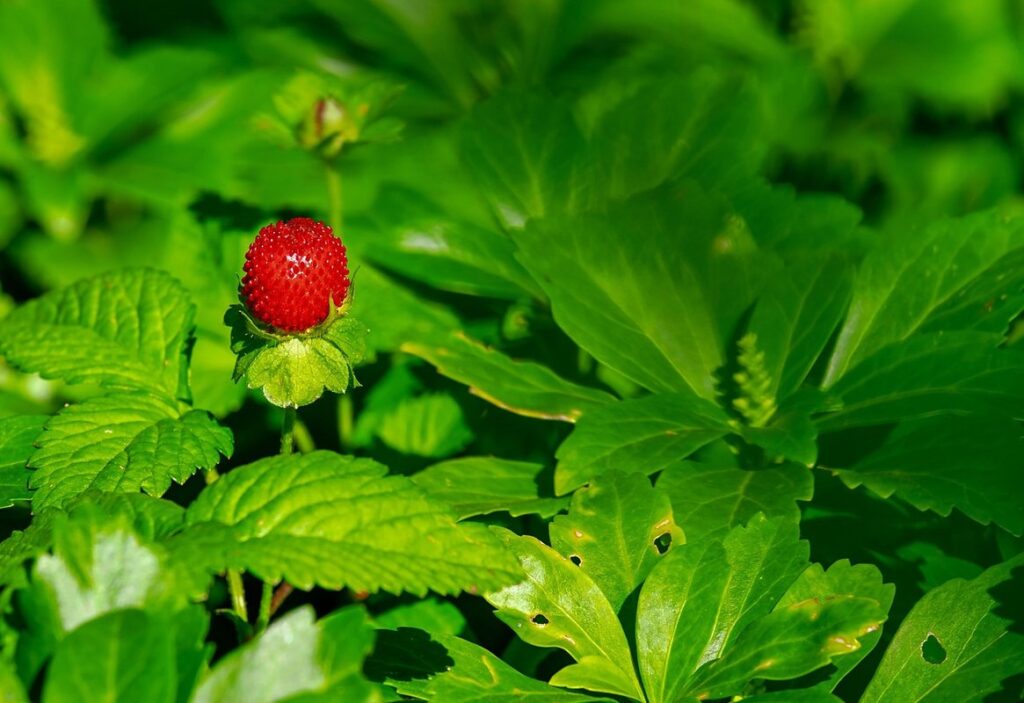
Choosing the Right Variety
When selecting a strawberry variety, it’s essential to consider factors such as climate, soil type, and desired harvest season. This helps ensure you grow a thriving crop that meets your needs.
Understanding Strawberry Types
When it comes to growing strawberries, understanding the different types is crucial for choosing the right variety for your needs. There are three main categories: June-bearing, everbearing, and day-neutral varieties.
June-bearing strawberries produce one large crop in the spring, typically around late May or early June. They are often preferred by commercial growers due to their high yields and optimal flavor development during this time. However, they tend to go dormant during the summer months, requiring a period of cooler temperatures to induce flowering again in the fall.
Everbearing strawberries, on the other hand, produce smaller, continuous crops throughout the growing season. They are ideal for home gardeners who want a steady supply of fresh strawberries without having to replant every spring. Everbearing varieties tend to be more disease-resistant and require less maintenance than June-bearing types.
Day-neutral strawberries fall somewhere in between these two extremes. They produce flowers and fruit continuously, regardless of daylight hours or temperature fluctuations. This variety is perfect for gardeners with limited space or those who want a hassle-free strawberry patch that requires minimal care.
Climate and Soil Considerations
When choosing the right variety of strawberry, it’s essential to consider the climate and soil conditions where you plan to grow them. Strawberries are relatively adaptable plants, but they still have specific requirements to thrive.
In terms of temperature, strawberries prefer a mild climate with temperatures ranging from 35°F to 75°F (2°C to 24°C). Avoid planting in areas that frequently drop below freezing or experience extreme heatwaves. If you live in an area with harsh winters, choose a variety that’s known for its cold hardiness.
Soil quality is also crucial for strawberry growth. Strawberries prefer well-draining soil with a pH between 5.5 and 6.5. Avoid planting in areas with heavy clay or sandy soils, as they can lead to waterlogging or nutrient deficiencies. Test your soil before planting and amend it if necessary.
When selecting a location, also consider the amount of sunlight your strawberries will receive. Most varieties require at least six hours of direct sunlight per day. If your area receives limited sunlight, choose a variety that’s more tolerant of shade.
By understanding your climate and soil conditions, you can choose a strawberry variety that’s well-suited to your needs and provide optimal growing conditions for a bountiful harvest.
Planting Strawberries
When planting strawberries, timing is everything: ideally, plant them in early spring or late summer for a bountiful harvest. A little planning goes a long way in ensuring their success.
Preparing the Bed
Before planting strawberries, it’s essential to prepare the bed properly. Start by loosening the soil to a depth of about 8-10 inches using a garden fork or tiller. This will help break up any clods and compacted areas, allowing for better drainage and root growth.
Next, remove any weeds that may be present in the area. Weeds can compete with your strawberries for water, nutrients, and light, so it’s crucial to get rid of them before planting. Use a hoe or hand weeder to carefully remove weeds without damaging the underlying soil.
Adding organic matter to the bed is also vital for healthy strawberry growth. Mix in a 2-3 inch layer of compost or well-rotted manure into the top 6-8 inches of soil. This will provide essential nutrients and improve the soil‘s structure, allowing your strawberries to thrive. Avoid using fresh manure, as it can burn your plants’ roots.
Remember to also check the pH level of your soil, as strawberries prefer a slightly acidic to neutral soil pH (around 5.5-6.5).
Planting Strawberry Crowns or Runners
When planting strawberry crowns or runners, it’s essential to follow some specific guidelines to ensure successful growth and high yields. Start by preparing the soil, loosening it to a depth of about 12 inches. This will give the roots room to spread out.
For each plant, dig a hole that’s about 6-8 inches deep and slightly wider than the crown or runner. Place the crown in the center of the hole, making sure the ‘crown eye’ (the point where the roots meet the leaves) is at soil level. For runners, bend them into a circular shape to create a mound, with the nodes (the joint where the leaves meet the stem) at the top.
Plant strawberry crowns or runners 12-18 inches apart for optimal growth and air circulation. Space them in rows that are about 3 feet apart. Water well after planting, and keep the soil consistently moist during the first few weeks.
Ongoing Care and Maintenance
To keep your strawberry plants thriving, it’s essential to establish a regular routine for ongoing care and maintenance tasks that promote healthy growth. This includes monitoring soil moisture levels and providing necessary pruning and fertilization.
Watering Strategies
Watering is one of the most critical aspects of strawberry care. Adequate moisture is essential for healthy plant growth and fruit production. Over-watering can lead to root rot, while under-watering can cause berries to become small and tasteless.
To water strawberries effectively, start by checking the soil daily during hot weather. You’ll want to provide about 1-2 inches of water per week, either from rainfall or irrigation. To ensure this amount, use a rain gauge or check the soil’s moisture level with your finger.
Drip irrigation systems are an efficient way to deliver water directly to the roots, reducing evaporation and runoff. Soaker hoses can also be effective in delivering water slowly and deeply into the soil.
Some general guidelines for watering strawberries include:
* Water young plants every 2-3 days during hot weather
* Established plants need about 1 inch of water per week
* Avoid getting water on the leaves to prevent fungal diseases
Fertilizing Strawberries
To ensure your strawberry plants receive the necessary nutrients for optimal growth and fruit production, it’s essential to fertilize them regularly. Strawberry plants are heavy feeders, requiring a balanced diet of nitrogen, phosphorus, potassium, and other micronutrients.
A general-purpose fertilizer with a 10-10-10 N-P-K ratio is an excellent starting point for strawberry care. However, as the plants begin to produce flowers and fruit, they require more potassium and phosphorus to support fruit development. A fertilizer with a higher P-K ratio, such as 15-30-15, can be applied during this stage.
Some organic options include compost tea, fish emulsion, or bone meal. These alternatives provide slow-release nutrients that promote healthy microbial activity in the soil. Consider using a liquid fertilizer like Miracle-Gro Shake ‘n Feed All Purpose Plant Food for its ease of application and balanced nutrient profile.
When fertilizing your strawberry plants, apply the recommended amount according to package instructions, usually 1-2 pounds per square foot. This will prevent over-fertilization, which can lead to scorched leaves or decreased fruit quality. Remember to water thoroughly after applying fertilizer to help prevent root burn.
Pest and Disease Management
To keep your strawberry plants healthy, it’s essential to monitor for signs of pests and diseases, which can quickly spread if left unchecked. Regular inspections will help you catch issues early on.
Common Strawberry Pests
Strawberries are a delight to grow and enjoy, but they can be susceptible to various pests that can damage the plants and reduce yields. Some common strawberry pests include aphids, which feed on plant sap and spread diseases; slugs and snails, which chew through leaves and fruit; and spider mites, which suck plant fluids and cause yellowing leaves.
To manage these pests effectively, it’s essential to monitor your strawberry plants regularly for signs of infestation. For instance, look out for sticky honeydew droplets on the leaves or stems, which can indicate an aphid problem. You can use neem oil or insecticidal soap as a natural control method to get rid of aphids.
For slugs and snails, set up copper tape around the plants, as these pests don’t like crossing over it. You can also use beer traps or crushed eggshells to deter them. For spider mites, spray with a mixture of mild dish soap and water, making sure to cover all surfaces of the plant.
It’s crucial to address pest issues promptly to prevent damage and reduce the risk of spreading diseases. Regularly inspect your strawberry plants, and take action as soon as you notice any signs of pests.
Fungal Diseases in Strawberries
Fungal diseases can be devastating to strawberry crops if left unchecked. Among the most common fungal afflictions affecting strawberries are powdery mildew, botrytis, and root rot.
Powdery mildew is a fungal disease that causes a white, powdery coating on leaves and stems. It thrives in humid environments and can be spread by wind or insects. To prevent powdery mildew, ensure good air circulation around your strawberry plants, avoid watering at night, and use fungicides as a last resort.
Botrytis is another common fungal disease that causes soft gray mold on flowers and fruit. It’s often associated with cool, wet weather and can be spread by moisture. To prevent botrytis, remove any infected flowers or fruit, improve air circulation, and avoid watering overhead.
Root rot is a more serious fungal disease that affects the roots of strawberry plants. It’s usually caused by overwatering and can lead to plant death if left untreated. To prevent root rot, ensure the soil drains well, avoid overwatering, and inspect your plants regularly for signs of infection.
Regularly inspect your strawberry plants for any signs of these diseases, and take action promptly to prevent them from spreading.
Harvesting and Storage
Now that your strawberry plants are thriving, let’s talk about harvesting and storing them properly to enjoy your fresh berries for as long as possible.
Timing and Frequency
Harvesting strawberries at the right time and frequency is crucial to ensure maximum flavor and quality. Check on your strawberry plants daily, as they produce new fruit every few days during peak season.
Timing of harvest depends on weather conditions; when there’s been recent rain or moisture, berries are more prone to spoilage, so it’s best to pick them soon after. Avoid harvesting in extreme heat or direct sunlight, as this can cause bruising and spoilage.
For optimal flavor, strawberries should be picked just before they’re fully ripe. This means checking for color; even if the berries look ripe on the outside, they may still have some ripening to do inside. Gently lift and twist the berry, leaving a small piece of stem attached, to avoid damaging the plant or the fruit.
Pick your strawberries at the same time every day to establish a consistent routine, and make sure not to overpick – this can weaken the plant and reduce future yields. By harvesting regularly and considering weather conditions, you’ll be able to enjoy your homegrown strawberries for longer.
Storing Fresh Strawberries
Storing fresh strawberries requires careful consideration to maintain their freshness and quality. When it comes to storing strawberries, refrigeration is the best method to keep them fresh for a longer period. Store them in a ventilated container or paper bag, making sure not to wash them before storage, as excess moisture can lead to mold and spoilage.
If you plan to store strawberries for an extended period, freezing is another option. Remove any stems and hulls from the strawberries, then spread them out on a baking sheet lined with parchment paper. Place the baking sheet in the freezer until the strawberries are frozen solid, about 1-2 hours. Transfer the frozen strawberries to an airtight container or freezer bag for long-term storage.
Another method is jam-making, where you can preserve strawberries by cooking them down into a sweet and tangy spread. This method not only allows you to enjoy strawberries year-round but also gives you the opportunity to experiment with different recipes and flavors.
Common Strawberry Problems
Let’s get to some common issues that might be plaguing your strawberry plants, from pests and diseases to nutrient deficiencies and more. We’ll tackle these problems together!
Troubleshooting Common Issues
Poor fruit set can be a frustrating issue for strawberry growers. One common cause is inadequate pollination. Strawberries are self-incompatible, meaning they require cross-pollination to produce fruit. To address this, ensure that multiple plants are growing nearby and consider adding a few bee-friendly flowers like sunflowers or zinnias to attract pollinators.
Uneven ripening can be caused by inconsistent soil moisture levels. Regularly check the soil’s moisture by sticking your finger into it up to the first knuckle. Water your strawberry bed if the soil feels dry, but avoid overwatering as this can lead to fungal diseases. Mulching around plants helps retain moisture and regulate soil temperature.
Pest infestations like slugs and snails can severely damage strawberry plants. Remove weeds and debris that provide shelter for these pests, and consider using copper tape or crushed eggshells around plant bases to deter them. Keep your garden clean by regularly inspecting plants for signs of damage and taking action promptly.
If you notice fungal diseases like powdery mildew or botrytis, remove infected areas and improve air circulation around the plants by pruning nearby foliage.
Dealing with Unusual Weather Conditions
Dealing with unusual weather conditions can be challenging when it comes to strawberry care. Extreme temperatures, droughts, and heavy rainfall can all impact the health and productivity of your plants. To manage these situations effectively, it’s essential to take preventative measures and have a plan in place.
During heatwaves, ensure that your strawberry plants receive adequate watering to prevent scorching. Mulch around the base of the plants can help retain moisture and regulate soil temperature. Provide shade for your strawberries by using row covers or shade cloths to reduce direct sunlight exposure.
In areas prone to droughts, consider installing drip irrigation systems to deliver water directly to the roots of the plants, reducing evaporation and runoff. Water conservation techniques such as rainwater harvesting can also be beneficial during dry spells.
Heavy rainfall can lead to fungal diseases like powdery mildew and botrytis. Remove any excess water from the crown and leaves, and provide good air circulation around the plants to prevent moisture accumulation. Regularly inspect your plants for signs of disease or pests and take action promptly if necessary.
Frequently Asked Questions
What are some common mistakes to avoid when planting strawberries?
When planting strawberries, one common mistake is not considering the space requirements for mature plants. Make sure to plant them at least 12-18 inches apart to allow for proper growth and air circulation.
How do I know if my strawberry plants have fungal diseases like powdery mildew or botrytis?
Fungal diseases can be identified by visible symptoms such as white powdery patches on leaves (powdery mildew) or black, sunken spots on fruits (botrytis). Regularly inspect your plants and take action promptly if you notice any signs of disease. Remove infected areas and treat with fungicides to prevent further spread.
Can I grow strawberries in containers, and what’s the best type of container for them?
Yes, you can grow strawberries in containers. Choose a container that is at least 6-8 inches deep and has good drainage holes to prevent waterlogged soil. Use a well-draining potting mix specifically designed for strawberries, which typically thrive in slightly acidic conditions.
How often should I fertilize my strawberry plants, and what type of fertilizer is best?
Fertilize your strawberry plants every 4-6 weeks during the growing season with a balanced, water-soluble fertilizer (e.g., 10-10-10 N-P-K). For optimal results, use an organic or slow-release fertilizer that provides essential nutrients like nitrogen, phosphorus, and potassium.
What should I do if my strawberry plants are not producing fruit?
If your strawberry plants aren’t producing fruit, check for signs of stress such as nutrient deficiencies, pests, or diseases. Ensure they receive sufficient sunlight (at least 6 hours a day) and water consistently, but avoid overwatering, which can cause roots to rot and reduce yields. Consider pruning weak or leggy growth to encourage more fruiting.