
Are you excited to dive into the wonderful world of pumpkins? Specifically, let’s talk about two varieties that are often misunderstood: orange and black pumpkins. While we’re familiar with the classic orange pumpkin, the black variety might be new territory for some of us. But don’t worry, this ultimate guide is here to fill you in on everything you need to know about these unique gourds.
From their rich history to their practical uses in cooking, decorating, and beyond, we’ll cover it all. You’ll discover how orange and black pumpkins can add a pop of color and personality to your fall decor, as well as the incredible health benefits they offer when used in recipes. So, let’s get started on this journey into the fascinating world of these two pumpkin varieties!
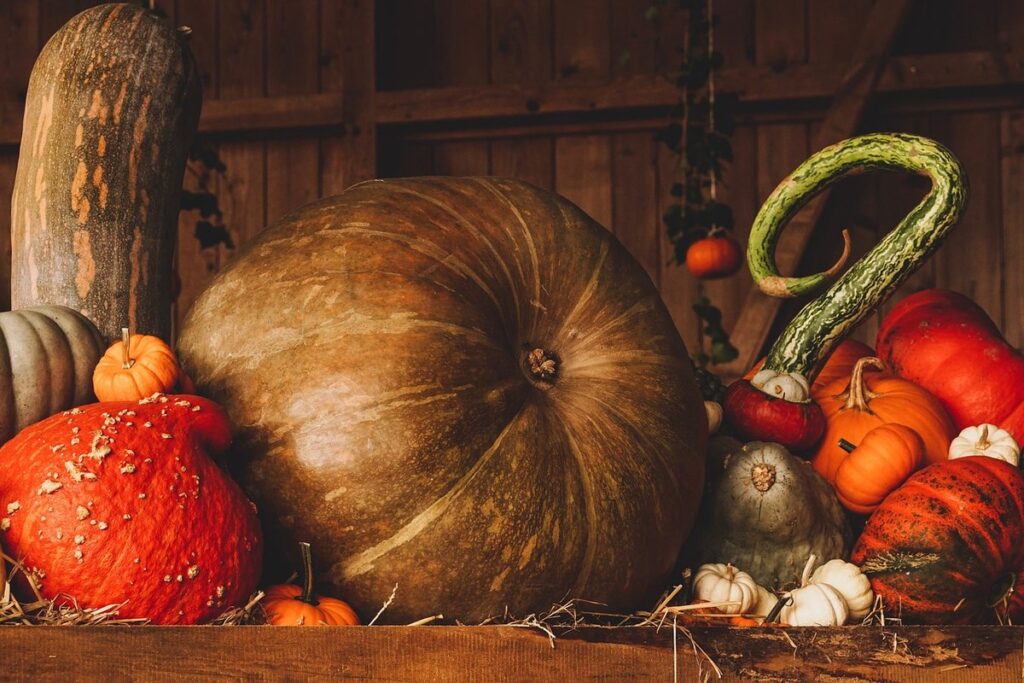
What are Orange and Black Pumpkins?
You’re curious about these unique pumpkins, so let’s dive into what makes orange and black pumpkins a rare and special find. We’ll explore their origins and characteristics together.
Definition and Significance
Orange and black pumpkins are a type of decorative gourd that has gained immense popularity over the years. These unique pumpkins owe their origin to farmers who experimented with various colors and patterns to create something new and distinctive. As a result, orange and black pumpkins were born, boasting striking color combinations that have captivated the hearts of many.
In modern times, these pumpkins are not just confined to being decorative pieces; they also play a significant role in baking and cooking. Home bakers love using them as an addition to their fall-themed treats, such as pies and breads. Many professional bakers even feature orange and black pumpkin-based creations on their social media platforms, showcasing the versatility of these pumpkins.
You can use orange and black pumpkins for various purposes, including decorating your home, creating centerpieces for special occasions, or even as a prop for fall-themed parties. Their vibrant color scheme is perfect for adding a pop of autumnal charm to any space. If you’re feeling creative, consider incorporating them into your baking recipes or using their seeds for a delicious and healthy snack.
Types of Orange and Black Pumpkins
If you’re looking for orange and black pumpkins that are as unique as they are beautiful, you have plenty of options to choose from. One way to add some personality to your fall decor is by selecting an heirloom variety. These one-of-a-kind gourds come in a range of sizes, shapes, and colors, so you’re sure to find one that fits your style.
For those who prefer their pumpkins to have a more defined shape, sugar pumpkins are the way to go. These compact, symmetrical gourds are perfect for decorating tables or mantels, and they come in a variety of shades, from pure orange to streaked with yellow or white. If you’re looking for something a bit more dramatic, decorative gourds are the perfect choice.
These unique pumpkins can be used as centerpieces, scattered across a porch or patio, or even hung from trees. They add an extra touch of whimsy and personality to your fall decor, and they make wonderful conversation pieces. By choosing one (or several!) of these distinctive types of orange and black pumpkins, you’ll be able to create a truly unique and memorable display.
History of Orange and Black Pumpkins
Let’s dive into the fascinating history behind these iconic orange and black pumpkins, tracing their roots back to colonial America. We’ll uncover the stories behind their origins.
Ancient Roots
Pumpkins have been an integral part of human culture for thousands of years, with ancient civilizations such as the Aztecs and Incas revering them not just as a food source but also as ceremonial items. In these cultures, pumpkins were considered a symbol of abundance, fertility, and prosperity.
The Aztecs, in particular, worshipped the squash goddess Xochiquetzal, who represented the harvest season and the cycle of life. They would often hold elaborate ceremonies to honor her, using pumpkins as offerings to ensure a bountiful harvest. Similarly, the Incas believed that pumpkins had healing properties and used them in their traditional medicine.
These ancient cultures not only valued pumpkins for their nutritional benefits but also for their spiritual significance. By exploring their history, we can appreciate the rich cultural heritage of pumpkins and understand why they continue to be a beloved symbol of autumn around the world today.
European Influence
When European settlers arrived in America, they brought with them their own traditions and customs, including new pumpkin varieties. Among these introductions were the orange and black pumpkins that have since become staples of fall decorations. The Europeans had been cultivating pumpkins for centuries, and it’s believed that they introduced over 70 different types to the New World.
The most notable European influence on American pumpkin culture is the introduction of the ‘Cinderella’ and ‘Jack Be Little’ varieties. These compact, symmetrical pumpkins were a departure from the traditional, more irregularly-shaped gourds native to North America. The Europeans also brought with them their expertise in selecting for desirable traits, such as vibrant orange coloration.
As European settlers established themselves in the New World, they began to cultivate these new varieties and adapt them to American growing conditions. Today, many of these European introductions remain popular among pumpkin enthusiasts, including orange and black pumpkins. By understanding the history behind these iconic gourds, you can appreciate their unique characteristics and choose the perfect ones for your own fall celebrations.
Uses for Orange and Black Pumpkins
Let’s explore some creative ways to use orange and black pumpkins beyond the classic fall decor. From cooking to crafting, you’ll be inspired by these unique ideas!
Cooking and Baking
When it comes to cooking and baking with orange and black pumpkins, the possibilities are endless. Not only do they add a pop of color to your dishes, but their unique flavors and textures also elevate the overall taste experience.
One of the most exciting aspects of working with orange and black pumpkins is their sweetness level, which varies depending on the specific variety. For example, the ‘Jack Be Little’ pumpkin has a sweeter flavor profile compared to the ‘Black Beauty’, making it ideal for sweet baked goods like pies and cakes. On the other hand, the ‘Black Beauty’ pumpkin’s deeper, earthier flavor is perfect for savory dishes.
To bring out their full flavor potential, roast your pumpkins before using them in recipes. Roasting brings out their natural sweetness and adds a depth of flavor that’s hard to achieve with raw pumpkins. Simply cut your pumpkin into cubes or slices, toss with olive oil, salt, and any other desired spices, and roast at 400°F (200°C) for about 30 minutes.
Some delicious recipe ideas to get you started include:
* Pumpkin spice bread made with roasted orange pumpkin puree
* Black bean soup featuring roasted black pumpkin added for depth of flavor
* Pumpkin ravioli filled with a mixture of roasted orange and black pumpkins, Parmesan cheese, and fresh sage
Remember to always use your freshly roasted pumpkin within a few days of roasting, as it will start to lose its flavor and texture over time. Happy cooking and baking!
Decorative Uses
Orange and black pumpkins are a staple of fall decor, but they can also be used as creative decorative elements throughout your home. One way to showcase their beauty is by using them as a centerpiece for your dining table. Simply arrange a few orange and black pumpkins of varying sizes in a decorative bowl or vase, and add some greenery like eucalyptus or ferns for a pop of color.
For a more unique look, consider creating a pumpkin vignette on a mantel or sideboard. Group several small to medium-sized pumpkins together, and fill the gaps between them with candles, pinecones, or other decorative elements. You can also add some artificial spider webs or fake spiders for an extra spooky touch.
If you’re feeling crafty, try making a pumpkin garland by stringing together orange and black pumpkins of varying sizes on twine or ribbon. This is a great way to add a festive touch to your staircase or porch. Simply drill a hole in the top of each pumpkin and thread them onto the string, spacing them out evenly for a beautiful display.
Growing and Caring for Orange and Black Pumpkins
Now that you’ve grown your orange and black pumpkins, learn how to care for them properly to ensure they thrive and continue to bring a pop of color to your garden. Proper care is key!
Tips for Gardeners
As you embark on growing your very own orange and black pumpkins, there are several key factors to consider when it comes to their care. The first step is soil preparation – make sure the area has well-draining, rich soil with a pH level between 6.0 and 6.8. This will provide an optimal environment for your pumpkin plants to thrive.
Watering is also crucial; aim to provide about 1 inch of water per week through rainfall or irrigation. Consistent moisture levels are vital for healthy growth, but be mindful not to overwater – this can lead to fungal diseases and reduced yields.
In terms of pest control, keep an eye out for common pests like aphids, squash bugs, and powdery mildew. Use organic methods whenever possible, such as neem oil or soap solution sprays, to maintain a balanced ecosystem in your garden.
To further prevent pest issues, practice crop rotation and remove weeds regularly – this will help to reduce competition for nutrients and minimize the risk of pests carrying diseases from other plants.
Harvesting and Storing
When it’s time to harvest your orange and black pumpkins, you’ll want to ensure that they’re picked at the right moment to preserve their quality and longevity. The ideal time for harvesting is when the rind is hard and the stem is dry, which usually occurs about 30 to 40 days after the blooms have fallen off.
To avoid damaging the pumpkin, use a sharp, long-handled knife or pruning shears to cut the stem at an angle, leaving about 2-3 inches of stem attached. This helps prevent moisture from entering the pumpkin and causing rot.
After harvesting, your pumpkins need to be stored in a cool, dry place with good air circulation. A temperature range between 50°F to 60°F (10°C to 15°C) is ideal for short-term storage. You can store them on a rack or shelf, making sure they don’t come into contact with each other.
For longer-term storage, consider storing your pumpkins in a root cellar or a climate-controlled environment with consistent temperatures between 32°F and 40°F (0°C to 4°C). This will help extend their shelf life for several months.
Health Benefits of Orange and Black Pumpkins
When it comes to orange and black pumpkins, their numerous health benefits are often overlooked. Let’s dive into some of the key advantages of incorporating these gourds into your diet.
Nutritional Value
Orange and black pumpkins are not only a stunning addition to fall decorations but also a nutritious and delicious ingredient for various recipes. Eating orange and black pumpkins can provide numerous health benefits due to their rich nutritional profile.
These pumpkins are an excellent source of vitamins A and C, which play a crucial role in maintaining healthy vision, immune function, and skin health. Vitamin A, in particular, has been shown to have antioxidant properties that help protect cells from damage caused by free radicals. Consuming orange and black pumpkins can also provide a significant amount of dietary fiber, which is essential for promoting digestive health, satiety, and blood sugar control.
Incorporating pumpkin into your diet can also support antioxidant defenses in the body. Orange and black pumpkins contain various carotenoids, including beta-carotene, alpha-carotene, and lutein, which have been shown to possess potent antioxidant properties. To reap these benefits, try incorporating cooked, roasted, or pureed pumpkin into soups, smoothies, or baked goods.
A 1-cup serving of cooked, cubed orange and black pumpkin contains approximately 2 grams of fiber, 100% of the daily recommended intake of vitamin A, and 20% of the daily recommended intake of vitamin C.
Medicinal Uses
Orange and black pumpkins have been used for centuries in traditional medicine to treat various ailments. The seeds, flesh, and other parts of the plant are rich in nutrients and antioxidants that provide numerous health benefits.
One of the most significant medicinal uses of orange and black pumpkin is its high content of beta-carotene, a precursor to vitamin A. Vitamin A plays a crucial role in maintaining healthy vision, immune function, and skin integrity. Consuming cooked or raw pumpkin flesh can help prevent conditions such as night blindness, dry eyes, and premature aging.
The seeds, rich in zinc and magnesium, have been used to treat digestive issues, insomnia, and anxiety. They also contain anti-inflammatory compounds that may help alleviate symptoms of arthritis, gout, and other inflammatory diseases. To harness the medicinal benefits of orange and black pumpkin seeds, you can soak them overnight, roast them lightly, or add them to your favorite recipes as a nutritious topping.
In addition to its nutritional value, orange and black pumpkin has been traditionally used in folk medicine to treat fever, coughs, and respiratory issues due to its expectorant properties. While more research is needed to confirm its efficacy, incorporating orange and black pumpkin into your diet can provide you with an array of health benefits that are backed by centuries of traditional knowledge.
Conclusion and Final Thoughts
As we come to the end of this ultimate guide, I hope you now feel confident in your ability to choose the perfect orange and black pumpkins for your fall decor. Remember, it’s not just about picking a random pumpkin – it’s about selecting one that complements your home’s aesthetic and adds to its seasonal charm. Think about the colors and textures already present in your space, and how an orange or black pumpkin can tie everything together. Don’t be afraid to get creative and mix and match different patterns and styles to create a unique look.
Now, go forth and pick out those pumpkins! Consider visiting local farms or farmers’ markets to support your community and find one-of-a-kind designs. And don’t forget to have fun with it – the process of selecting the perfect pumpkin is all part of the festive experience.
Frequently Asked Questions
Can I grow orange and black pumpkins at home, or do they require special conditions?
Growing orange and black pumpkins can be a rewarding experience for gardeners of all levels. While these pumpkins have specific requirements, with proper care and attention to detail, you can successfully cultivate them in your backyard or even indoors. Ensure you provide them with well-draining soil, full sun, and adequate water. Research the specific needs of each variety to ensure optimal growth.
How do I store orange and black pumpkins to maintain their freshness and longevity?
To keep your orange and black pumpkins fresh for an extended period, it’s essential to store them correctly. Keep them in a cool, dry place away from direct sunlight. Avoid storing them near fruit or vegetables that release ethylene gas, as this can cause the pumpkins to spoil faster. You can also consider using silica gel or a dehumidifier to maintain optimal humidity levels.
Are orange and black pumpkins suitable for cooking and baking, or are they solely decorative pieces?
Orange and black pumpkins are not just aesthetically pleasing; they’re also incredibly versatile when it comes to culinary uses. You can use them in various recipes, from soups and stews to baked goods and desserts. The unique flavor profiles of these pumpkins will add a delightful twist to your dishes.
Can I combine orange and black pumpkins with other fall decorations, or do they have specific design rules?
When it comes to incorporating orange and black pumpkins into your fall decor, the possibilities are endless! You can pair them with natural elements like leaves, twigs, and pinecones for a rustic look. Alternatively, add some elegance with metallic accents or candles for a sophisticated ambiance.
Are there any health benefits associated with consuming orange and black pumpkin varieties?
Yes. Orange and black pumpkins are not only visually stunning but also packed with nutrients. They’re an excellent source of vitamins A and C, potassium, and fiber. The unique antioxidants present in these pumpkins have been linked to several potential health benefits, including anti-inflammatory properties and improved digestion.