
The long yellow skinny hot pepper is a unique and intriguing addition to any kitchen. If you’re a fan of spicy food or just looking to level up your cooking game, you’ve likely come across this slender beauty in some high-end restaurant menus or specialty grocery stores. But have you ever stopped to wonder where it came from and what makes it so special? From its origins in traditional South American cuisine to its modern applications in fine dining, the long yellow skinny hot pepper is a true culinary gem worth getting to know. In this article, we’ll delve into its history, explore its uses, and share expert tips on how to cultivate these gorgeous peppers at home. Whether you’re a seasoned chef or just starting out, get ready to discover the secrets of the long yellow skinny hot pepper.
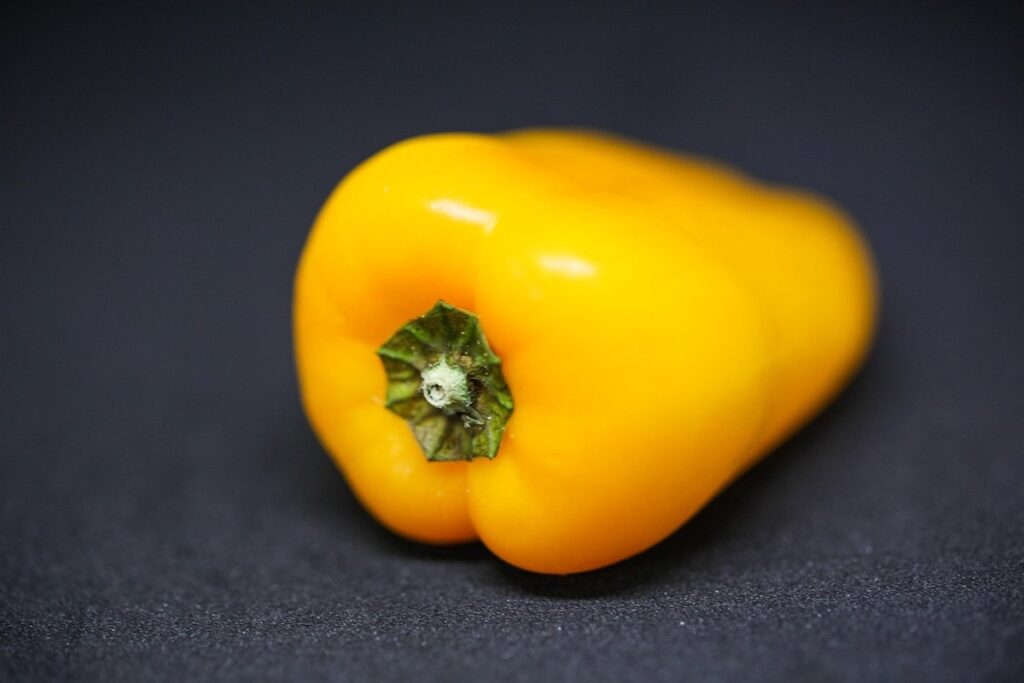
History and Origins of the Long Yellow Skinny Hot Pepper
The long yellow skinny hot pepper has a fascinating history that dates back to ancient times, when it was prized for its unique flavor and heat. Let’s take a look at how this variety came to be.
Introduction to the Pepper’s Ancestry
The long yellow skinny hot pepper has a rich and storied past that’s deeply rooted in traditional South American cuisine. Its history dates back centuries, with evidence of its cultivation found in the ancient civilizations of Mesoamerica and Andean regions. The indigenous people of these areas prized this pepper for its unique flavor profile and medicinal properties.
In fact, archaeologists have discovered evidence of chili pepper cultivation dating back to around 6,000 years ago in modern-day Peru and Chile. These early farmers likely cultivated the long yellow skinny hot pepper alongside other staples like corn and beans, using it as a spice to add depth and heat to their meals.
As European colonization spread across South America, the long yellow skinny hot pepper was introduced to new regions and adapted to local climates. Today, its popularity endures in many countries, particularly in Bolivia, Peru, and Ecuador, where it’s used in traditional dishes like ceviche and ají de tomate.
Evolution of the Pepper Through Time
As we delve into the history of the long yellow skinny hot pepper, it’s fascinating to see how its unique characteristics have evolved over time. Climate, soil, and human migration have all played a significant role in shaping this particular variety.
One of the earliest recorded mentions of peppers dates back to 6th century BCE, where they were introduced to Asia by traders from India and Southeast Asia. These early peppers were likely influenced by the climate and soil conditions of their new environment, leading to variations in flavor and heat level.
As humans migrated across continents, they brought with them not only seeds but also knowledge and techniques for cultivating peppers. In Central America, for example, the Mayans developed a distinct strain that combined intense heat with a sweet, citrusy taste. Meanwhile, European explorers introduced their own cultivation methods, resulting in hybrids like the long yellow skinny hot pepper we know today.
The long yellow skinny hot pepper’s unique characteristics are a testament to its adaptable nature. Its slender shape and bright yellow color make it ideal for growing in small spaces, while its moderate heat level makes it perfect for adding flavor without overwhelming taste buds. Whether used in traditional dishes or as a garnish, this pepper has become an integral part of global cuisine, reflecting the ingenuity and resilience of human innovation.
The Role of Spanish Conquistadors in Popularizing the Pepper
As we delve into the history of the long yellow skinny hot pepper, it’s essential to acknowledge the significant role European colonizers played in its global distribution. Specifically, Spanish Conquistadors were instrumental in popularizing this pepper variety among the Americas and beyond.
When Hernán Cortés arrived in Mexico in 1519, he discovered the local Aztecs using a similar type of hot pepper in their cuisine. Intrigued by its unique flavor, the Spanish took samples back to Europe, where they cultivated and refined the plant. This marked the beginning of the long yellow skinny hot pepper’s journey across continents.
As European colonization expanded, so did the pepper’s reach. The Spanish introduced it to South America, Africa, and Asia, often incorporating it into their own local cuisine. In turn, these new regions adapted and modified the pepper to suit their tastes, resulting in the diverse array of long yellow skinny hot peppers we see today.
The legacy of these European colonizers can be seen in many modern cuisines, where variations of this pepper continue to play a starring role. By understanding the history behind its introduction, you’ll appreciate the global influence and versatility that has made this unique pepper so beloved around the world.
Characteristics and Uses of the Long Yellow Skinny Hot Pepper
This unique pepper variety boasts a range of fascinating characteristics, making it an attractive choice for many cooks and gardeners. We’ll explore its most notable features in more detail here.
Physical Description and Growing Requirements
The long yellow skinny hot pepper is easily identifiable by its slender shape and bright yellow color. Its elongated form can grow up to 10 inches in length, making it a standout in any garden or dish. The pepper’s thin walls are relatively fragile and prone to tearing, but this doesn’t affect its flavor or heat level.
In terms of growth habits, the long yellow skinny hot pepper prefers well-draining soil and full sun exposure. It thrives in warmer temperatures between 65°F to 85°F (18°C to 30°C), making it an ideal choice for growers living in regions with mild winters. The plant itself can grow quite tall, reaching heights of up to 3 feet, so provide sufficient support to prevent stem damage.
To promote optimal growth, ensure the pepper receives at least 1 inch of water per week. Mulching around the base will also help retain moisture and suppress weeds. With proper care, you should be able to harvest your long yellow skinny hot peppers in about 70-80 days after sowing seeds indoors or directly outdoors when weather permits.
Culinary Applications and Flavor Profile
The long yellow skinny hot pepper is a versatile ingredient that can elevate a wide range of dishes. In terms of culinary applications, it’s a popular choice for adding depth and heat to various sauces, marinades, and condiments. For instance, you can chop the peppers finely and mix them with olive oil, garlic, and herbs to create a flavorful sauce perfect for grilled meats or vegetables.
You can also use long yellow skinny hot peppers as a standalone ingredient in salads, salsas, and other dishes where a burst of heat is desired. To get the most out of their flavor profile, try roasting the peppers over an open flame or in the oven until they’re slightly charred. This will bring out their natural sweetness and add a smoky dimension to your cooking.
In terms of specific uses, long yellow skinny hot peppers pair well with citrus-based marinades for chicken or fish, while their subtle heat makes them an excellent addition to creamy sauces like ranch or hollandaise. Experimenting with different preparations and combinations is key to unlocking the full potential of this unique pepper variety.
Medicinal and Health Benefits of the Long Yellow Skinny Hot Pepper
In recent years, research has uncovered the impressive medicinal and health benefits of consuming long yellow skinny hot peppers. One of the primary advantages is their high antioxidant content, which can help protect against cell damage and oxidative stress. Antioxidants are essential for maintaining overall well-being, as they shield the body from free radicals that can lead to chronic diseases like cancer, heart disease, and neurodegenerative disorders.
Studies have also shown that long yellow skinny hot peppers possess anti-inflammatory properties, making them a valuable addition to your diet. Capsaicin, a key compound in this pepper variety, has been found to inhibit the production of pro-inflammatory enzymes, which contribute to conditions such as arthritis, fibromyalgia, and other inflammatory diseases.
To incorporate the medicinal benefits of long yellow skinny hot peppers into your daily life, try adding them to your meals or using them as a spice. For instance, you can add sliced peppers to salads, stir-fries, or sandwiches for an extra kick of flavor and nutrition. Additionally, consider using pepper extracts or supplements if you’re looking for a more concentrated dose of capsaicin and antioxidants.
When consuming long yellow skinny hot peppers, be mindful that they can cause stomach upset in some individuals due to their spicy nature. To minimize potential discomfort, start with small amounts and gradually increase your intake as your body adjusts.
Cultivation and Care Tips for Growing Your Own Long Yellow Skinny Hot Peppers
To grow long yellow skinny hot peppers successfully, you’ll want to focus on providing them with plenty of warmth, sunlight, and well-draining soil. Here are some essential cultivation tips to get you started.
Soil Preparation and pH Requirements
When preparing soil for growing long yellow skinny hot peppers, it’s essential to get the fundamentals right. These peppers thrive in well-draining soil with a pH between 6.0 and 7.0, making them moderately acidic to neutral tolerant.
To check your soil’s pH level, you can purchase a DIY testing kit or send a sample to a lab for analysis. Based on the results, you may need to adjust the pH by adding lime to raise it or sulfur to lower it. For instance, if your soil test reveals a pH of 5.5, you’ll want to add dolomitic limestone (calcium carbonate) at a rate of about one cup per 10 square feet.
Nutrient content is also crucial for optimal growth. Long yellow skinny hot peppers require a balanced diet rich in nitrogen, phosphorus, and potassium (NPK). You can achieve this by mixing compost or well-rotted manure into the soil before planting. Aim for an NPK ratio of 10:10:10 for optimal pepper development. A nutrient-rich environment will ensure your long yellow skinny hot peppers grow strong and healthy, producing plenty of delicious fruit.
Watering and Pruning Techniques for Healthy Plants
To maintain healthy long yellow skinny hot pepper plants and promote fruit production, proper watering and pruning techniques are essential. Overwatering can lead to root rot, so make sure the soil drains well and reduce watering during periods of drought.
For optimal growth, water your plants when the top 1-2 inches of soil feels dry to the touch. This frequency may vary depending on weather conditions, with more frequent watering required in hot or dry climates.
Pruning is also crucial for plant health and fruit production. Remove any weak or damaged branches to prevent disease spread and direct energy towards fruiting. Prune your plants regularly to maintain a central leader and encourage bushy growth.
To promote fruiting, focus on pruning techniques that reduce foliage density around the fruiting areas. This allows more sunlight to reach the peppers, promoting ripening and flavor development. By following these watering and pruning tips, you can enjoy a bountiful harvest of long yellow skinny hot peppers while maintaining healthy plants. Regular monitoring and adjustments will ensure your plants receive the right care for optimal growth and production.
Common Challenges and Solutions in Growing Long Yellow Skinny Hot Peppers
Growing long yellow skinny hot peppers can be a rewarding experience, but it’s not without its challenges. One of the most common issues growers face is pest infestations. These delicate peppers are particularly susceptible to aphids, whiteflies, and spider mites. To combat these pests, make sure to inspect your plants regularly and use organic or integrated pest management (IPM) methods whenever possible.
Diseases like powdery mildew, leaf spot, and root rot can also be detrimental to the health of your long yellow skinny hot peppers. To prevent these issues, ensure that your plants receive good air circulation and maintain a consistent moisture level. Water your plants at the base, avoiding overhead watering which can lead to fungal diseases.
Environmental stress can also impact the growth and production of your peppers. Extreme temperatures, either too high or too low, can cause damage or even kill the plant. Provide your long yellow skinny hot peppers with protection from wind, frost, and intense sunlight by using row covers, cloches, or shade cloth when necessary. By being proactive in monitoring and addressing these common challenges, you’ll be well on your way to enjoying a bountiful harvest of delicious and unique long yellow skinny hot peppers.
The Role of the Long Yellow Skinny Hot Pepper in Modern Cuisine
The long yellow skinny hot pepper is not just a novelty ingredient, but a versatile addition to modern dishes that adds depth and heat. It’s surprisingly easy to incorporate into your favorite recipes.
Contemporary Uses in Fine Dining and Ethnic Cooking
Chefs are increasingly experimenting with the long yellow skinny hot pepper in fine dining and ethnic cooking, pushing its versatility to new heights. This pepper’s unique flavor profile, which combines a bright, citrusy note with a slow-building heat, makes it an exciting addition to a wide range of dishes.
In contemporary Mexican cuisine, for instance, chefs are using the long yellow skinny hot pepper to add depth and nuance to salsas and mole sauces. By combining it with ingredients like toasted coriander and cilantro, they create complex flavor profiles that elevate traditional dishes.
Similarly, in Asian fusion cooking, the pepper’s heat is balanced by sweet and sour notes, creating a harmonious contrast of flavors. Chefs are also using it to add a pop of color and heat to salads, such as a Korean-inspired kimchi slaw or a Thai-style papaya salad.
To incorporate this pepper into your own cooking, start by experimenting with small amounts in familiar dishes. You might be surprised at how its unique flavor profile can transform even the most basic recipes.
Influence on Food Culture and Tradition
As the long yellow skinny hot pepper continues to gain popularity, it’s having a profound impact on food culture and traditional recipes. Home cooks and professional chefs alike are incorporating this unique pepper into their dishes, experimenting with its distinctive flavor and heat level.
One of the most significant ways the long yellow skinny hot pepper is influencing traditional recipes is through its use in fusion cuisine. Chefs are pairing this pepper with classic ingredients from around the world to create innovative and bold flavors. For example, a Korean-style BBQ dish might feature the long yellow skinny hot pepper alongside marinated beef and kimchi, while an Indian-inspired curry might incorporate the pepper for added depth and heat.
Food culture is also evolving as people become more adventurous in their cooking. The long yellow skinny hot pepper’s subtle sweetness and moderate heat level make it an ideal choice for those looking to add a new dimension to familiar dishes. Try incorporating this pepper into your favorite soups, stews, or stir-fries for a flavor boost.
To incorporate the long yellow skinny hot pepper into your own cooking, start by experimenting with small amounts in traditional recipes. You can also try using it as a substitute for other peppers or spices in a pinch. Remember to taste and adjust as you go, as the pepper’s heat level can vary depending on how it’s prepared.
As home cooks and chefs continue to explore the possibilities of the long yellow skinny hot pepper, we’re seeing a shift towards more bold and innovative flavors in modern cuisine. This pepper’s unique characteristics are not only adding depth and excitement to traditional dishes but also inspiring new creations that blend different culinary traditions.
Preparing and Handling Long Yellow Skinny Hot Peppers
When working with long yellow skinny hot peppers, it’s essential to follow specific handling instructions to prevent injury and preserve their unique flavor. Learn how to prepare and handle these peppers safely and effectively.
Safety Precautions When Working with the Pepper
When working with the long yellow skinny hot pepper, it’s essential to take safety precautions seriously. The intense heat of this pepper can cause skin irritation, and its potential allergens may trigger severe reactions in some individuals.
Before handling the peppers, ensure you’re wearing gloves to prevent direct contact with your skin. This will also help protect against the oils in the peppers that can cause redness and itching. If you accidentally get the oil on your skin, wash it off immediately with soap and water.
When chopping or slicing the peppers, avoid touching your eyes or face, as the oils can cause irritation and burning sensations. In case of accidental exposure, flush your eyes with water for at least 15 minutes to alleviate the discomfort.
It’s also crucial to be aware of any pre-existing allergies or sensitivities you may have when handling hot peppers. If you experience symptoms like hives, itching, or difficulty breathing, seek medical attention immediately.
Preparation Methods for Optimizing Flavor and Texture
To unlock the full potential of long yellow skinny hot peppers, preparation methods play a crucial role in optimizing flavor and texture. One effective way to bring out their natural sweetness is through roasting. Simply place the peppers on a baking sheet, drizzle with olive oil, and roast at 425°F (220°C) for about 20-25 minutes, or until the skin blisters and chars.
Grilling is another great option, especially during the summer months when fresh flavors are in season. Brush the peppers with oil and grill over medium heat for about 5-7 minutes on each side, or until they develop a nice char. For an added layer of flavor, consider stuffing them with crumbled cheese or chopped herbs before grilling.
For a tangy twist, try pickling the long yellow skinny hot peppers. Slice them thinly and soak in a brine made from vinegar, sugar, salt, and spices for at least 24 hours. Not only do they add a burst of flavor to sandwiches and salads, but their crunchy texture also provides a delightful contrast.
Conclusion: The Unique Value of the Long Yellow Skinny Hot Pepper
As you’ve learned more about this fascinating pepper, it’s time to summarize its distinctive qualities and consider what makes the long yellow skinny hot pepper a standout in the world of chilies. Let’s explore its unique value!
Recap of Key Points Covered in the Guide
As we conclude our comprehensive guide to the long yellow skinny hot pepper, let’s take a moment to recap the key points that make this unique variety stand out. We explored its rich history, dating back centuries to Southeast Asia, where it was highly valued for its flavor and medicinal properties. We learned about its distinctive characteristics, including its elongated shape, bright yellow color, and moderate level of heat.
Throughout our guide, we highlighted the pepper’s versatility in various cuisines, from traditional Thai dishes to modern fusion recipes. We discussed how to cultivate and care for long yellow skinny hot peppers, as well as ways to preserve them through drying, freezing, or pickling. Additionally, we explored their potential health benefits, including high antioxidant content and anti-inflammatory properties.
As you continue your culinary journey with the long yellow skinny hot pepper, remember to experiment with different preparations and pairings to unlock its full flavor potential. Whether used in sauces, marinades, or as a garnish, this unique variety is sure to add excitement to any dish.
Final Thoughts on the Pepper’s Potential and Future Applications
As we conclude our exploration of the long yellow skinny hot pepper, it’s clear that this unique variety has tremendous potential for further research, development, and incorporation into global cuisine. With its unparalleled heat level and distinct flavor profile, chefs and food enthusiasts will be eager to experiment with this pepper in various dishes.
One area ripe for exploration is the pepper’s potential as a key ingredient in spice blends and seasoning mixes. Imagine combining the long yellow skinny hot pepper with other spices and herbs to create unique fusion flavors that can add excitement to traditional recipes. For instance, pairing it with lemongrass and galangal could give Thai-inspired dishes an added kick.
Incorporating this pepper into global cuisine will not only elevate flavor profiles but also provide opportunities for innovative product development. We can expect to see new sauces, marinades, and condiments featuring the long yellow skinny hot pepper as a main ingredient. As consumers continue to seek out unique and exotic flavors, this pepper is poised to take center stage in the culinary world.
Frequently Asked Questions
Can I grow long yellow skinny hot peppers indoors?
Yes, you can grow these peppers indoors using a potting mix with good drainage and maintaining temperatures between 65-75°F (18-24°C). They require bright light but not direct sunlight. This method is ideal for regions with short growing seasons or limited outdoor space.
How do I store long yellow skinny hot peppers to maintain their flavor and heat?
To preserve the flavor and heat of these peppers, store them in a cool, dry place away from direct sunlight. You can also freeze or dehydrate them to retain their potency. When storing, keep them separate from other vegetables to prevent moisture transfer.
Can I use long yellow skinny hot peppers in sweet dishes like jams and preserves?
Yes, you can use these peppers to add unique flavor and heat to sweet dishes like jams and preserves. They pair well with fruits like pineapple and mango. Use them in moderation as they can be quite potent.
What are some common mistakes beginners make when growing long yellow skinny hot peppers?
Common mistakes include inadequate soil pH (which can lead to nutrient deficiencies), insufficient watering, and incorrect pruning techniques. Regularly monitoring soil moisture, using a pH test kit, and consulting with experts or online resources can help prevent these issues.
How do I handle the intense heat of long yellow skinny hot peppers when cooking?
To manage their intense heat, use gloves when handling the peppers to avoid skin irritation. When cooking, start by adding small amounts and adjust to taste, as the heat can escalate quickly. You can also try removing seeds and membranes for milder flavor.