
It can be frustrating when your carefully planted garlic bulbs start to sprout prematurely, especially during the fall season. You’re probably wondering why this is happening and how you can prevent it from affecting your crop yield. Garlic sprouting in fall is a common issue many gardeners face, but don’t worry, there’s hope for a healthy harvest. In this article, we’ll explore the main causes of premature garlic sprouting, including factors like temperature fluctuations, water stress, and pests. We’ll also provide effective solutions to prevent sprouting and ensure your garlic crop reaches its full potential. By understanding why your garlic is sprouting in fall and implementing some simple changes, you can enjoy a bountiful harvest next season.
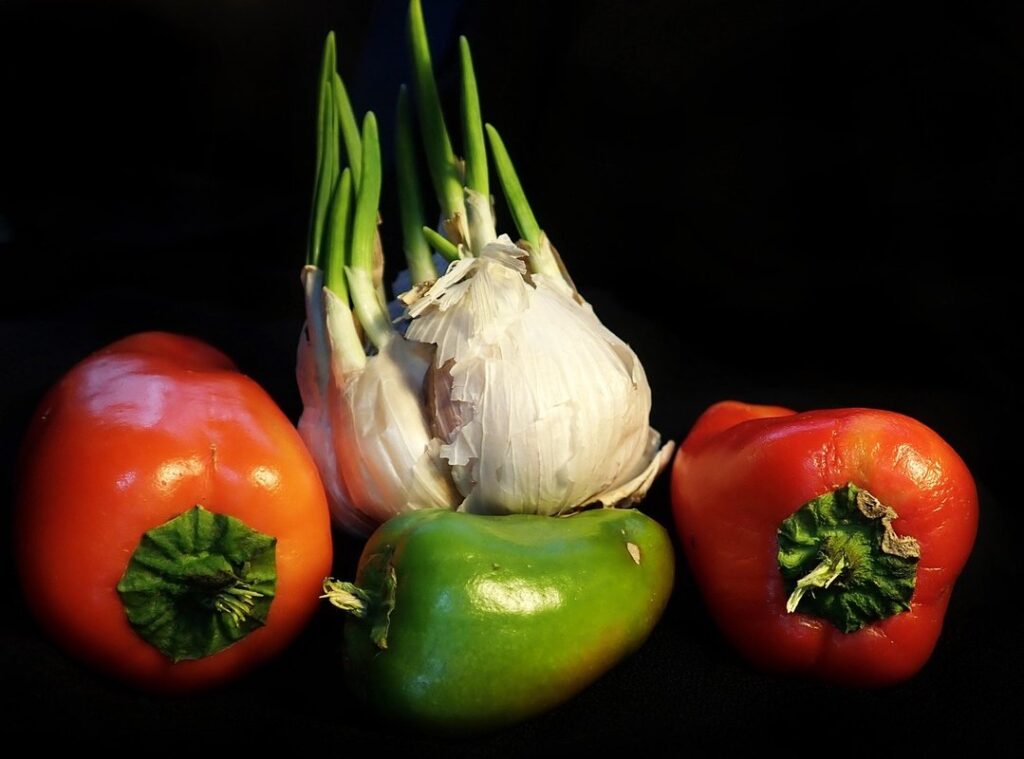
Understanding Garlic Bulb Development
To understand why your garlic is sprouting in fall, let’s take a closer look at how garlic bulbs develop and what triggers them to emerge prematurely.
Normal Garlic Growth Cycle
When garlic bulbs are mature and ready for harvest, they typically enter a dormant phase during the summer months. This dormancy period allows the bulb to recharge its energy reserves before sending out new growth in the fall. Normally, garlic sprouts in late winter or early spring, after being planted in the fall.
However, some factors can influence this natural cycle, leading to unexpected sprouting periods. For example, if your garlic is exposed to warmer temperatures or increased daylight hours during the summer, it may break dormancy and start producing green shoots prematurely. Similarly, overwatering or inadequate soil conditions can cause the bulb to send out new growth earlier than usual.
A normal garlic growth cycle typically looks like this: fall planting, winter dormancy, spring sprouting, summer growth, and then another period of dormancy before harvest in late summer. If your garlic is sprouting in fall, it’s likely due to one or more factors disrupting this natural cycle. Understanding how your garlic should grow can help you identify potential causes and take corrective action to promote healthy bulb development.
Factors Influencing Fall Sprouting
When garlic sprouts prematurely in the fall, it’s often due to external factors that can’t be controlled. Weather conditions play a significant role, with temperatures above 40°F (4°C) triggering sprouting. Sudden warm spells or unseasonable heatwaves can cause bulbs to break dormancy and send up green shoots.
Soil quality is another crucial factor. Garlic bulbs need well-draining soil with adequate moisture retention. If your soil lacks sufficient nutrients or has poor drainage, it may encourage early sprouting. This can be due to factors like overwatering, which causes the bulb to rot and release chemical signals that stimulate growth.
Pests, such as nematodes or rodents, can also contribute to premature sprouting by damaging the bulb and creating openings for water to enter. Regular monitoring of your garlic patch and taking proactive measures to maintain soil health and control pests can help minimize the risk of early sprouting.
Common Causes of Fall Sprouting in Garlic
One common reason for fall sprouting is that your garlic has been exposed to too much moisture, causing it to break dormancy prematurely. This can happen due to various factors such as high humidity or inadequate ventilation.
Temperature-Related Sprouting
Temperature fluctuations and cold snaps can be a major trigger for garlic cloves to sprout prematurely. When temperatures drop suddenly, it can cause the dormant buds within the clove to break dormancy and start growing again. This is especially common during fall when day and night temperatures are rapidly changing.
One of the key factors at play here is the concept of “vernalization.” Vernalization is a process by which certain plants, including garlic, undergo a period of cold temperature exposure in order to trigger growth. For garlic, this typically occurs in response to temperatures between 40°F and 50°F (4°C and 10°C). If your garlic has been exposed to these conditions, it may have received the signal to sprout.
To avoid premature sprouting due to temperature fluctuations, consider storing your garlic bulbs in a consistent, cool environment. Aim for a spot with temperatures around 60°F to 70°F (15°C to 21°C) and maintain humidity levels between 50% and 60%. This will help slow down the growth process until spring arrives, when it’s safe for the cloves to emerge.
Moisture Levels and Watering Habits
When it comes to garlic bulb development, moisture levels play a crucial role. Excessive watering can lead to an overabundance of water in the soil, causing the cloves to sprout prematurely. This is because waterlogged soil creates an ideal environment for bacterial growth, which can stimulate the buds on the garlic clove to emerge. On the other hand, drought conditions can also cause the garlic to go dormant and then suddenly sprout when the first rainfall hits.
The ideal watering schedule for garlic involves providing about 1-2 inches of water per week, either through rainfall or irrigation. Make sure the soil has a chance to dry out slightly between waterings to prevent overwatering. Aim for consistent moisture levels, especially during the fall season when garlic is preparing for dormancy. By adjusting your watering habits and monitoring moisture levels, you can help promote healthy bulb development and reduce the likelihood of early sprouting. Be mindful of your soil’s specific needs based on factors like climate, sunlight, and type of garlic variety.
Nutrient Deficiencies and Soil Conditions
Nutrient deficiencies can cause garlic to sprout earlier than usual. Nitrogen is particularly important for healthy bulb formation, and a lack of it can lead to premature sprouting. When nitrogen levels are low, the plant focuses on producing green shoots rather than developing its bulbs. This is because nitrogen is essential for leaf growth, and the plant will do whatever it takes to get the nutrients it needs.
Phosphorus, on the other hand, plays a crucial role in root development and bulb formation. A phosphorus deficiency can cause garlic to produce weak or deformed roots, leading to early sprouting. If your soil is lacking in these essential nutrients, it’s not surprising that you’re seeing premature sprouting in your garlic.
To check for nutrient deficiencies, consider getting a soil test done. This will give you an idea of what’s lacking and allow you to take corrective action. In the meantime, you can try fertilizing with a balanced fertilizer or adding compost to your soil to replenish its nutrients.
Identifying and Addressing Fall Sprouts
If you’ve noticed your garlic sprouting in fall, it’s essential to identify whether it’s a sign of overwatering or a natural part of the bulb’s life cycle. Understanding the cause will guide you in taking corrective action.
Recognizing Healthy vs. Unhealthy Sprouts
When you notice sprouts on your garlic bulbs, it’s essential to differentiate between healthy and unhealthy growth. Healthy sprouts are a natural sign that your garlic is ready for harvest, while premature sprouting can indicate disease or pest issues. To distinguish between the two, look for signs of weakness, discoloration, or pests.
Healthy sprouts will be firm, green, and have a strong stem attached to the bulb. They may start to push through the soil surface, but the leaves should still be tightly wrapped around the bulb. In contrast, unhealthy sprouts may appear weak, wilted, or discolored. Check for signs of pests like aphids, spider mites, or scale, which can cause premature growth.
If you notice any of these warning signs, inspect your garlic more closely for other symptoms of disease or pest issues. Check the bulbs for soft spots, mold, or a sour smell, which can indicate rot or fungal infections. By monitoring your garlic’s growth and addressing any potential problems early on, you can ensure a healthy harvest and enjoy optimal flavor and quality in your homegrown garlic.
Harvesting Fall-Sprouted Garlic Cloves
When you notice fall-sprouted garlic cloves, it’s essential to harvest them promptly. Delaying this process can lead to the entire bulb drying out and becoming unusable. The ideal time for harvesting is when the top sets are around 1-2 inches tall, or about 3-4 weeks after sprouting begins.
Here’s a step-by-step guide on how to harvest fall-sprouted garlic cloves:
* Carefully dig up the entire plant, taking note not to damage the bulbs.
* Gently brush off excess soil from the bulb and separate it from the top sets.
* Trim the leaves down to about an inch above the neck of the bulb to prevent moisture loss.
* Allow the harvested bulbs to dry in a warm, well-ventilated area for 2-3 weeks before using them.
It’s crucial not to harvest garlic that has prematurely sprouted too early. If you do, you might end up with poor quality or unpalatable cloves. By waiting until the right moment and following these steps, you can enjoy healthy and flavorful garlic throughout the year.
Potential Problems with Fall Sprouting
While it’s great that your garlic is sprouting, there are some potential problems to be aware of when it happens in fall, which we’ll explore next.
Reduced Crop Yield and Quality
Fall sprouting can have a devastating impact on your garlic crop’s yield and quality. When the days get shorter and temperatures drop, your garlic plants will focus their energy on producing green shoots rather than forming large, healthy bulbs. This shift in priority can result in smaller bulb sizes, reduced weight, and lower overall yields.
The quality of the bulbs is also compromised when they’re forced to devote resources to sprouting. The new growth may be weak and spindly, making it more susceptible to disease and pests. In addition, the energy directed towards sprouting can cause the bulb’s natural defenses to weaken, leaving them vulnerable to decay and rot.
To put this into perspective, consider a study that showed fall-sprouted garlic bulbs averaged 25% smaller in size compared to those grown without premature sprouting. Another factor to consider is the impact on flavor and aroma. Garlic bulbs that are stressed by early growth may not develop their characteristic pungency or sweetness, resulting in a less desirable product for cooking and storing.
Impact on Future Crops
Early sprouting can have a lasting impact on future crop cycles and long-term soil health. When garlic sprouts too early, it can signal to the plant that winter is approaching earlier than usual, causing it to focus its energy on storing up carbohydrates rather than growing new bulbs. This can lead to smaller or deformed bulbs in subsequent harvests.
Moreover, early sprouting can disrupt the natural dormancy period required for healthy bulb formation. By rushing to grow, your garlic may not store enough energy reserves for optimal growth and development, ultimately affecting yields and quality.
As a result, you might notice that future crops struggle with weakened root systems or reduced tolerance to disease and pests. To mitigate this effect, consider adjusting your planting schedule to accommodate the specific climate and growing conditions in your area. By doing so, you can give your garlic the best chance to establish a healthy balance between growth and storage, ensuring robust and resilient bulbs for years to come.
To adapt your strategy, start by observing the local weather patterns and soil temperatures. Planting at the optimal time will allow your garlic to enter dormancy when it’s supposed to, resulting in healthier bulbs with greater yields.
Solutions for Preventing Fall Sprouting in Garlic
If you’re tired of dealing with fall sprouting garlic, don’t worry, we’ve got solutions to help you prevent it and keep your bulbs healthy. From storing techniques to cultural adjustments.
Crop Rotation and Soil Amendments
Crop rotation and soil amendments are crucial strategies for improving soil fertility and structure to promote healthy garlic growth. When garlic is sprouting in fall, it’s often a sign that the plant has reached its maturity stage, but continuous production can deplete soil nutrients.
To address this issue, start by rotating your garlic crop every 3-4 years. This allows the soil to recover and replenish its nutrient reserves. For example, if you planted garlic on a field in 2019, consider switching to another crop like broccoli or kale for the next season.
Another key aspect is incorporating organic matter into your soil through composting. Adding compost will improve soil structure, increase water retention, and provide essential nutrients for optimal growth. You can also use cover crops to fix nitrogen, suppress weeds, and add organic matter.
Consider using natural amendments like fish emulsion or bone meal to replenish the soil with micronutrients. When adding these supplements, be sure to follow recommended application rates to avoid over-fertilization. By implementing these strategies, you’ll create a healthy environment for your garlic to thrive without succumbing to fall sprouting.
Adjusting Planting Dates and Spacing
If you’re tired of dealing with fall sprouting garlic, adjusting your planting dates and spacing can make a significant difference. First, let’s talk about planting dates. In most regions, spring-planted garlic typically starts to mature in late summer to early fall. However, if it’s still actively growing during this time, it may initiate new growth, leading to fall sprouting.
Consider planting your garlic in the fall instead of the spring. This approach allows the cloves to establish themselves over winter and emerge in the spring when temperatures are cooler. Not only will you avoid fall sprouting, but you’ll also give your garlic a head start on the growing season.
When it comes to spacing, make sure to plant garlic cloves 4-6 inches apart, allowing for good air circulation between each bulb. This will help prevent moisture buildup and reduce the risk of fungal diseases that can cause fall sprouting. Additionally, keep in mind that garlic needs full sun to grow well. Planting in a location with partial shade may lead to weak growth and increased susceptibility to disease.
Additional Considerations for Growers
If you’re already taking steps to prevent your garlic from sprouting, these additional considerations will help you refine your approach and minimize future issues. This includes factors that may be specific to your growing conditions and climate.
Pest Management and Disease Prevention
When your garlic sprouts in fall, it can create an ideal environment for pests and diseases to thrive. As a grower, managing these issues is crucial to maintaining the health of your crop. One common pest problem associated with fall sprouting is aphids. These tiny insects feed on sap, weakening the plant and making it more susceptible to disease. To manage aphid infestations, use neem oil or insecticidal soap to control populations.
Another concern is fungal diseases like white rot and powdery mildew. Excess moisture, often caused by fall sprouting, can lead to an increase in these pathogens. To prevent the spread of disease, ensure good air circulation around your garlic plants, remove any infected leaves or bulbs, and avoid overhead watering. Additionally, consider using a fungicide specifically designed for garlic crops.
It’s also essential to monitor your plants regularly for signs of pests or diseases, taking prompt action when issues arise. Regularly inspecting your crop can help prevent infestations from getting out of control and reduce the need for chemical interventions.
Record-Keeping and Crop Planning
Record-keeping and crop planning are crucial for anticipating and addressing potential issues with your garlic crop. By tracking your planting dates, weather conditions, and harvest yields, you can identify patterns that may be contributing to the early sprouting of your garlic.
For instance, if you notice that your garlic is consistently sprouting in the fall during years with above-average rainfall, it may be worth considering adjusting your irrigation schedule or drainage system. Similarly, if you’ve been planting your garlic at the same time every year and experiencing this issue, it’s possible that your climate has shifted, and it’s time to reassess your planting date.
To improve your record-keeping, try creating a simple spreadsheet to track your planting dates, weather patterns, and harvest yields. This will allow you to quickly identify trends and make data-driven decisions about your crop management.
Frequently Asked Questions
What are the signs of healthy vs unhealthy sprouts, and how do I differentiate between them?
Healthy garlic sprouts have green, tender leaves and a firm, compact stem, while unhealthy sprouts may appear wilted, yellowed, or weak. Check for pests like aphids, spider mites, or thrips, which can weaken the plant. Inspect the soil moisture levels; overwatering can cause roots to rot. Healthy garlic plants also tend to produce a larger number of leaves and stems.
Can I still harvest fall-sprouted garlic cloves if they’re not yet mature?
Yes, but be cautious when harvesting premature sprouts, as this can reduce crop yield and quality in future seasons. If you must harvest prematurely, select the healthiest-looking sprouts with the largest, most compact bulbs. Cut off the sprouts at soil level to avoid damaging the remaining plant. This will help preserve some of your garlic crop for next season.
How do I adjust my planting dates and spacing to prevent fall sprouting in future seasons?
Adjusting planting dates is a key factor in preventing fall sprouting. Plant garlic 6-8 weeks before the first frost date in your area, allowing it to mature during the dormant winter months. Also, ensure proper soil preparation by incorporating compost or well-rotted manure to improve soil fertility and structure.
What are some common pests that can cause garlic to sprout prematurely?
Aphids, spider mites, and thrips are notorious for weakening garlic plants, causing them to send up premature sprouts. Regularly inspect your plants for these pests and take action if you notice any damage. Implement integrated pest management strategies, such as introducing beneficial insects or using neem oil, to minimize the risk of infestation.
How do I record and plan my crop rotation to prevent fall sprouting in future seasons?
Keep a detailed garden journal to track your planting dates, soil conditions, watering habits, and crop yields. Analyze this data to identify patterns that may be contributing to premature sprouting. Adjust your crop rotation schedule accordingly, ensuring you’re not repeating the same mistakes year after year. Consider implementing a 4-year crop rotation plan for garlic to minimize depleting soil nutrients.