
When it comes to creating a lush and thriving landscape, choosing the right location for your canopy trees is crucial. But have you ever wondered about the ideal spacing between these majestic plants? Getting it just right can make all the difference in promoting healthy growth, reducing competition for resources, and maximizing their benefits. Overcrowding can lead to weakened root systems and a lack of sunlight, while too much space can result in an empty look. In this article, we’ll explore the typical spacing guidelines for canopy trees, helping you optimize your landscape design and reap the rewards of these beautiful additions. We’ll cover the factors that influence tree spacing, provide tips for selecting the right trees for your property, and offer practical advice on how to achieve a balanced and stunning outdoor space.
Understanding Canopy Trees and Their Importance
Canopy trees play a crucial role in supporting diverse ecosystems, but their importance is often overlooked. Let’s dive into understanding what makes canopy trees so vital to our environment.
What are Canopy Trees?
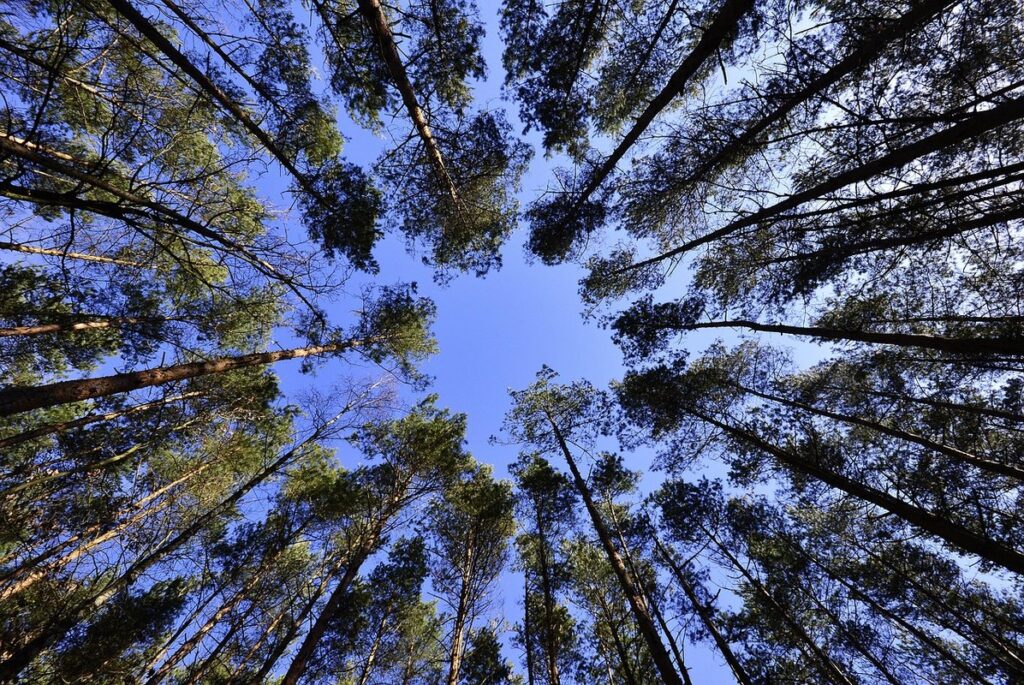
Canopy trees play a vital role in ecosystems worldwide. These are large trees that form a dense layer of foliage at the top of the forest canopy, providing essential services such as oxygen production, carbon sequestration, and habitat creation for various species. Canopy trees can be deciduous or evergreen and often have broad leaves or needle-like foliage.
A well-spaced canopy tree allows it to grow unhindered by neighboring plants, facilitating access to sunlight, water, and nutrients necessary for healthy development. Proper spacing also minimizes competition among individual trees, reducing the risk of disease and pest infestations that can severely impact the entire ecosystem. In dense forests, canopy trees are often spaced 30-50 feet apart, while in more open environments, they may be separated by 70-100 feet or more.
As a tree owner or forest manager, it’s essential to consider the mature size of your canopy trees and their individual growth patterns when determining spacing. This will help ensure that each tree has sufficient room to thrive without compromising the overall health and resilience of the ecosystem.
Characteristics of Canopy Trees That Influence Spacing
When selecting canopy trees for your landscape, it’s essential to consider their characteristics that influence spacing. The ideal distance between canopy trees depends on several factors, including species type and mature size. For example, a large oak tree can grow up to 80 feet wide, while a smaller maple tree may only spread out to about 30 feet. If you’re planning to plant multiple oak trees together, it’s crucial to leave enough space for them to mature without overcrowding.
The root system of canopy trees also plays a significant role in determining spacing. Some species, like willows and poplars, have aggressive roots that can grow quite far from the trunk, potentially damaging nearby structures or pipes. In contrast, trees with more contained root systems, such as oaks and maples, can be planted closer together.
Sunlight requirements are another key factor to consider when spacing canopy trees. If you’re planting multiple trees in a shaded area, it’s essential to leave enough space for sunlight to filter through and reach the trees’ leaves. A general rule of thumb is to plant trees at least 2-3 times their mature width apart to ensure adequate growth and prevent overcrowding.
Benefits of Proper Canopy Tree Spacing
When spaced correctly, canopy trees can provide numerous benefits for both homeowners and the environment, making it a crucial aspect to consider during planting. Let’s explore these advantages in more detail.
Reduced Competition for Resources
When canopy trees are spaced too closely together, they compete intensely for essential resources such as water, nutrients, and light. This competition can lead to weakened tree health, reduced growth rates, and increased susceptibility to diseases and pests. By maintaining an optimal spacing between canopy trees, you can ensure each tree has access to the necessary resources for healthy growth.
For instance, if two young oak trees are planted too close together, they’ll vie for water and nutrients in the soil. As a result, one tree may suffer from nutrient deficiencies while the other becomes overwatered. This scenario sets both trees up for failure, compromising their ability to reach maturity. By giving each tree sufficient space to thrive, you can avoid these problems altogether.
When planning your canopy tree spacing, consider factors like tree size at maturity, growth rate, and soil type. Research suggests that trees spaced 20-30 feet apart tend to outperform those planted closer together. So, prioritize a well-planned layout that takes into account the mature size of each tree, allowing for proper air circulation and sunlight penetration.
Enhanced Aesthetic Appeal
Proper canopy tree spacing is not only beneficial for their growth and health but also creates visually appealing landscapes that enhance property value. A well-placed canopy tree can add character to a yard, provide shade, and create a sense of serenity. The strategic placement of these trees can lead to the creation of beautiful vistas, frames for gardens, or even a picturesque entrance.
When it comes to creating an aesthetically pleasing landscape, the spacing between canopy trees plays a significant role. For instance, planting two majestic oak trees on either side of a driveway creates a stunning frame effect that welcomes visitors and highlights the beauty of the surrounding garden. Similarly, strategically placing several smaller trees around a patio or pool area adds natural charm to these outdoor living spaces.
Incorporating well-spaced canopy trees into your landscape design can also increase property value by creating a sense of depth and dimensionality. As per a study, properties with beautifully landscaped yards tend to sell for up to 20% more than those without.
Improved Air Quality
Canopy trees play a vital role in cleaning our air through photosynthesis, a process that converts carbon dioxide into oxygen. By planting these trees strategically around us, we’re not only beautifying our surroundings but also contributing significantly to improved air quality. However, for these benefits to be maximized, it’s essential to get the spacing right.
Proper canopy tree spacing ensures that they have enough room to breathe and photosynthesize efficiently, thereby producing more oxygen and removing more pollutants from the atmosphere. If trees are too close together, their leaves can become overcrowded, reducing airflow and hindering gas exchange – a process critical for efficient photosynthesis. This can lead to reduced oxygen production and increased CO2 levels.
To maximize the air-cleaning benefits of canopy trees, ensure they’re spaced at least 20-30 feet apart, depending on their mature size and growth habits. A good rule of thumb is to plant multiple trees in a way that allows for a clear, open space between them – think about creating an ‘air corridor’ where pollutants can easily pass through. This approach not only promotes healthier tree growth but also boosts the overall air quality benefits they provide.
Factors Influencing Canopy Tree Spacing
When it comes to planting canopy trees, understanding the factors that affect their spacing is crucial for a healthy and thriving forest ecosystem. Let’s explore the key elements that influence this decision.
Soil Type and Moisture Levels
When it comes to determining the optimal spacing for canopy trees, soil type and moisture levels play a crucial role. Different soils can either facilitate or hinder root growth, which directly affects tree health and stability.
For instance, clay soils tend to retain water, but this can lead to root rot if not enough oxygen is available. On the other hand, sandy soils drain quickly, often leaving roots vulnerable to drought stress. If you’re planting in clay soil, it’s essential to adjust your spacing to ensure the tree has enough room for its roots to breathe and expand.
In areas with high water tables or frequent flooding, you may need to choose tree species that can tolerate saturated conditions. Conversely, arid regions require trees with deep root systems to access groundwater. By understanding your local soil type and moisture levels, you can tailor your canopy tree spacing to accommodate the unique needs of each tree, ultimately promoting healthy growth and minimizing stress.
Climate Conditions (Temperature, Sunlight)
Climate conditions play a significant role in determining the optimal spacing of canopy trees. Temperature and sunlight exposure are two critical factors that influence the rate of growth, stress tolerance, and overall health of these trees.
In areas with high temperatures and intense sunlight, such as tropical or desert climates, trees tend to grow faster but also experience more stress. To mitigate this, wider spacings (around 20-25 feet) are often recommended to allow for better air circulation and reduce the risk of disease transmission. In contrast, temperate climates with moderate temperatures and adequate rainfall typically require narrower spacings (15-20 feet). This is because trees in these regions grow at a slower rate but are more resistant to stress.
When planning your canopy tree spacing, consider the specific climate conditions in your area. For example, if you live in an area with frequent heatwaves or droughts, choose tree species that are adapted to such conditions and space them accordingly.
Ideal Spacing for Common Canopy Tree Species
When planting canopy trees, it’s essential to consider the ideal spacing between them to ensure proper growth and minimize maintenance. Let’s dive into the recommended spacings for some common canopy tree species.
Deciduous Trees (e.g., Oaks, Maples)
Deciduous trees, such as oaks and maples, are common canopy tree species that provide shade and beauty to landscapes. However, their mature size can pose challenges for proper sunlight penetration and air circulation if not planted at the right spacing. For instance, a mature red oak (Quercus rubra) can reach heights of up to 60 feet, casting deep shadows and competing with neighboring plants for water and nutrients.
To ensure that deciduous trees receive sufficient sunlight and air circulation, plant them at least 30-40 feet apart from each other, depending on their mature size. For example, a sugar maple (Acer saccharum) can grow to be around 50-80 feet tall, so it’s best to provide about 35-45 feet of space between each tree. Additionally, consider the root system of these trees and plant them at least 15-20 feet away from any structures or power lines to avoid potential damage.
By following these guidelines, you can create a balanced landscape that maximizes the benefits of deciduous trees while minimizing their drawbacks.
Evergreen Trees (e.g., Pines, Spruces)
When it comes to evergreen trees like pines and spruces, their ideal spacing is influenced by their growth patterns, root spread, and wind resistance needs. These trees are known for their ability to thrive in a variety of conditions, but they still require adequate space to grow.
Pines, in particular, can grow quite large, with some species reaching heights of over 100 feet. This means that they need plenty of room to stretch out their branches and develop a strong root system. A general rule of thumb is to plant pines at least 15-20 feet apart from each other, and 25-30 feet away from any structures like buildings or power lines.
Spruces, on the other hand, tend to grow more compactly than pines, but they still require a decent amount of space to breathe. Aim for a spacing of around 10-15 feet between spruce trees, and 20-25 feet away from any nearby obstacles.
It’s also worth considering the wind resistance needs of your evergreen tree selection. For example, some pine species are more prone to toppling in strong winds due to their tall, slender profiles. In these cases, it may be necessary to plant them at a slightly wider spacing to reduce the risk of damage.
Challenges in Achieving Optimal Canopy Tree Spacing
Achieving optimal canopy tree spacing can be a daunting task, as it’s often hindered by space constraints and competing priorities for yard use. Let’s explore some of the challenges you may face in getting it just right.
Existing Infrastructure and Layouts
When working with existing infrastructure and layouts, finding optimal canopy tree spacing can be particularly challenging. Irregularly shaped spaces, such as those surrounding buildings or roads, can make it difficult to achieve the perfect balance between tree density and accessibility.
For instance, a street lined with mature trees may require careful consideration of pruning schedules and tree removal plans to maintain pedestrian flow and ensure safety. In contrast, spaces surrounding large commercial properties often prioritize parking and access over aesthetics, making it hard to accommodate an optimal number of canopy trees.
To overcome these challenges, it’s essential to assess the existing layout and identify areas where adjustments can be made to accommodate more efficient spacing. This might involve collaborating with architects or urban planners to redesign pathways or create new green spaces that allow for better tree placement.
In some cases, compromises may need to be made, such as reducing tree density in high-traffic areas or selecting species that require less pruning and maintenance. By taking a thoughtful and flexible approach, it’s possible to strike a balance between preserving existing infrastructure and achieving optimal canopy tree spacing.
Limited Budget and Resources
When working with limited budget and resources, achieving optimal canopy tree spacing can be particularly challenging. This is because ideal spacings often require a significant amount of land to accommodate the mature size of the trees, which can put pressure on available space.
For example, if you have a small urban park or a community garden, planting trees at their ideal spacings may not be feasible due to limited area. As a result, tree growth and health might suffer in the long run.
In such cases, prioritize selecting tree species that are known for adapting well to smaller spaces or pruning requirements to maintain shape and size. Regular maintenance, including proper watering and fertilization, can also help mitigate potential health issues associated with overcrowding.
To make the most of your resources, consider phasing plantings over several years or exploring alternative layouts that allow for more efficient use of space while still promoting tree growth and development. By taking these steps, you can minimize the risks associated with limited budget and resources while still achieving a beautiful and thriving canopy.
Best Practices for Implementing Optimal Canopy Tree Spacing
When it comes to implementing optimal canopy tree spacing, understanding the best practices is crucial to creating a lush and thriving urban forest. Let’s explore the dos and don’ts of planting canopy trees in harmony with each other and their surroundings.
Planting Strategies (e.g., Grouping, Alternating)
When planting canopy trees, it’s essential to adopt strategies that promote optimal spacing and mitigate common challenges such as soil compaction or root competition. One effective approach is grouping similar species together. This technique allows you to manage resources more efficiently and reduce the risk of pests and diseases spreading between trees.
For example, if you’re planting a group of deciduous trees like oak and maple, consider creating a buffer zone around them with smaller shrubs or perennials. This will not only add visual interest but also help to absorb excess water and prevent soil erosion.
Alternating plant species can also be beneficial in promoting healthy growth patterns. By alternating between different tree sizes and growth rates, you’ll reduce competition for resources like light, water, and nutrients. For instance, planting a fast-growing species like willow alongside a slower-growing species like cedar will create a more balanced ecosystem.
Maintenance and Regular Monitoring
Regular monitoring and maintenance are crucial to ensuring that your canopy trees grow healthily within their ideal spacings. This involves tracking their growth patterns, assessing their overall health, and addressing any potential issues before they become major problems.
As a general rule of thumb, inspect your trees at least twice a year – once in the spring and again in the fall. During these inspections, look for signs of disease, pests, or nutrient deficiencies that could impact tree growth. Keep an eye out for symptoms such as yellowing leaves, premature defoliation, or unusual growth patterns.
Additionally, maintain a regular pruning schedule to promote healthy growth and prevent overcrowding. Prune branches that are rubbing against each other or growing towards neighboring trees. This not only prevents damage but also maintains the tree’s aesthetic appeal.
Make it a habit to water your trees regularly, especially during periods of drought. Also, ensure proper fertilization based on soil tests to provide your trees with the necessary nutrients for optimal growth. By following these maintenance and monitoring activities, you’ll be able to identify potential issues early on and take corrective action to keep your canopy trees healthy and thriving within their ideal spacings.
Frequently Asked Questions
Can I apply canopy tree spacing guidelines to smaller landscapes, like urban gardens?
Yes, the principles of optimal canopy tree spacing can be adapted for smaller spaces. Consider selecting compact or dwarf varieties that require less space and provide similar benefits. Factor in your garden’s unique conditions, such as available sunlight, soil type, and existing infrastructure, when deciding on the ideal spacing.
How often should I monitor and adjust the spacing between my canopy trees?
Regular maintenance is essential to ensure optimal tree growth and health. Schedule annual monitoring sessions to assess the trees’ development, note any signs of overcrowding or competition for resources, and make adjustments as needed. Prune or replant strategically to maintain a balanced landscape.
What if I have limited budget and resources – can I still achieve optimal canopy tree spacing?
While investing in professional landscaping services can be costly, there are affordable options to consider. Start by evaluating your existing infrastructure and layouts to identify areas where you can repurpose or reuse materials. Prioritize essential tasks, like pruning and watering, and seek advice from local nurseries or gardening experts for cost-effective solutions.
Can I plant canopy trees in poor soil conditions, and what steps should I take?
Yes, but it’s crucial to address the underlying issues first. Conduct a thorough assessment of your soil type and moisture levels, and consider amending the soil with organic matter like compost. This will help create a more hospitable environment for the trees’ roots to grow. Consult with local arborists or gardening professionals for guidance on selecting the right tree species for your specific conditions.
What are some general tips for integrating canopy trees into an existing landscape design?
When incorporating new canopy trees, consider their mature size and growth habits when placing them near existing structures, such as buildings, walkways, or other landscaping features. Leave enough space for future growth, and plan for regular pruning to maintain a balanced look.