
Are you a spice enthusiast or just starting to explore the world of flavors? Either way, you’re in for a treat. Peppers are one of the most versatile and widely used spices globally, offering a range of options that cater to different tastes and cuisines. From mild and sweet bell peppers to fiery hot chili peppers, each type has its unique character, uses, and health benefits. Did you know that peppers have been a staple in many cultures for centuries? Not only do they add flavor and aroma to dishes, but they’re also packed with vitamins, antioxidants, and anti-inflammatory properties.
In this article, we’ll delve into the world of pepper spices, exploring their history, uses, and flavors. You’ll learn about the different types of peppers, how to incorporate them into your cooking, and even discover some surprising health benefits associated with these incredible spices. So, let’s dive in and spice up your life!
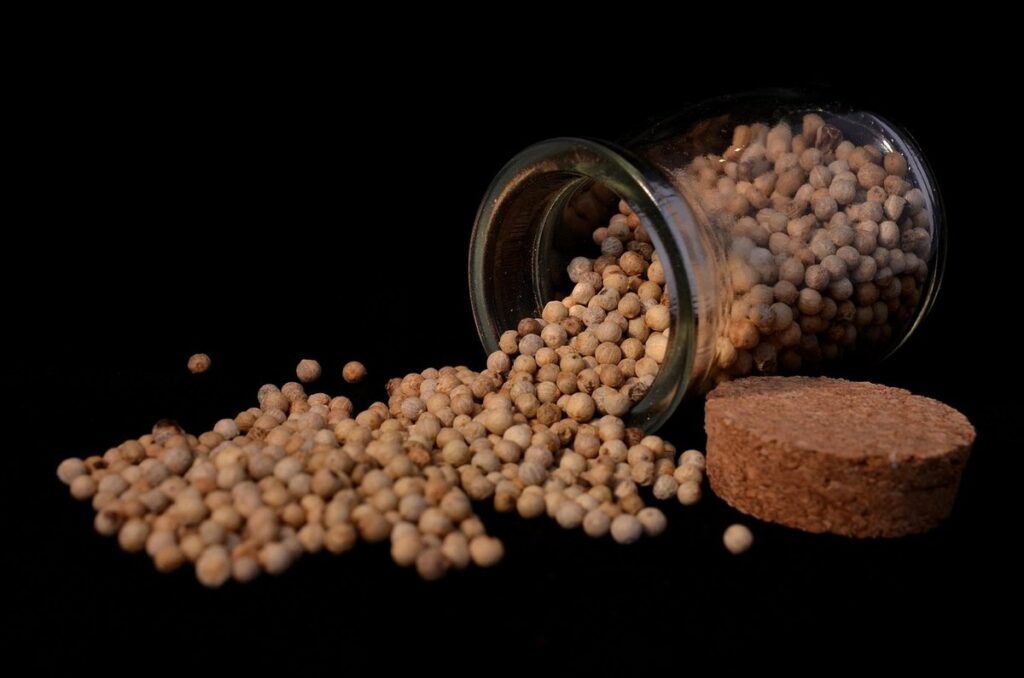
The Origins and History of Pepper Spices
Let’s take a journey through time and explore how pepper spices have been cultivated, traded, and revered for thousands of years across various cultures. From ancient civilizations to modern-day spice markets, their history is rich and fascinating.
The Spice Trade and Its Impact on Global Cuisine
The ancient spice trade played a pivotal role in shaping global cuisine as we know it today. The journey of pepper spices began thousands of years ago, with various regions cultivating and trading them along intricate networks of trade routes. The Silk Road, a major conduit for cultural exchange between East Asia, the Middle East, and Europe, facilitated the spread of pepper spices to distant lands.
The Indian subcontinent, where pepper originated, was a key player in this global exchange. Pepper plants were cultivated and traded extensively throughout ancient India, with the spice being used not only as a flavor enhancer but also for its preservative properties. As traders traversed trade routes, they introduced pepper spices to new regions, influencing local cuisine and culinary traditions.
Today, it’s possible to taste the legacy of this ancient trade in modern dishes from around the world. From Indian curries to Italian pasta sauces, pepper adds depth and complexity to a wide range of flavors. By exploring the history behind pepper spices, we can better appreciate their versatility and significance in global cuisine.
How Pepper Spices Were Used in Traditional Medicine
Pepper spices have been used for centuries not only to add flavor to food but also for their medicinal properties. In traditional medicine, pepper spices were employed to treat a variety of ailments, from respiratory issues to digestive problems.
In Ayurvedic medicine, black pepper was considered one of the five essential spices and was used to enhance digestion, relieve nausea, and even help with weight loss. The ancient Greeks and Romans also valued pepper for its medicinal properties, using it to treat symptoms of indigestion, bloating, and gas. In traditional Chinese medicine, Sichuan peppercorns were used to aid in the digestion of meat and to relieve arthritis pain.
One notable example of the use of pepper spices in traditional medicine is the Indian practice of “Panchakarma,” which involves using black pepper as a purgative to cleanse the body of toxins. This ancient remedy has been documented in Ayurvedic texts, including the Charaka Samhita, dating back over 2,000 years.
Today, many herbalists and naturopaths still recommend the use of pepper spices for their medicinal properties.
Types of Pepper Spices: Bell Peppers, Sweet Peppers, and More
Bell peppers, sweet peppers, and other popular varieties are explored in detail in this section, covering their unique flavors and uses in cooking. Whether you’re a seasoned chef or an enthusiastic home cook, discover how to incorporate these versatile spices into your recipes.
The Characteristics of Bell Peppers
Bell peppers are one of the most recognizable and versatile pepper spices out there. Their flavor profiles can range from sweet to slightly bitter, depending on their ripeness and variety. The sweetness in bell peppers is due to their high sugar content, which makes them a great addition to both savory and sweet dishes.
One of the key characteristics of bell peppers is their mild nature, which allows them to complement a wide range of flavors without overpowering them. This versatility makes them a staple ingredient in many cuisines around the world. For example, sliced bell peppers add a crunchy texture and sweetness to salads, while roasted bell peppers bring depth and smokiness to soups and stews.
Whether you’re using green, red, yellow, or orange bell peppers, their uses are endless. Use them as a topping for pizzas, stir-fries, and tacos, or add them to pasta sauces, curries, and braises. You can even roast them and blend them into a sweet pepper sauce to serve alongside grilled meats or vegetables. The possibilities are truly endless with these amazing peppers!
Exploring Other Types of Pepper Spices: Pimento, Cubanelle, and Anaheim Peppers
Beyond the familiar bell and sweet peppers, there are many other types of pepper spices that add depth and variety to dishes. One such example is the pimento pepper, also known as cherry pepper. Native to Spain, this small, heart-shaped pepper has a sweet and slightly smoky flavor, making it perfect for stuffing or adding to Mediterranean-inspired recipes.
For a more subtle heat and flavor, consider using cubanelle peppers in your cooking. Originating from Cuba, these long, thin peppers have a delicate, slightly sweet taste and a moderate level of heat, making them ideal for sautéing with garlic and onions or adding to salads.
Lastly, Anaheim peppers bring a unique combination of sweetness and medium-level heat to the table. Native to New Mexico, these mild to hot peppers are perfect for stuffing, roasting, or using in salsas and sauces. When working with these lesser-known pepper types, remember that they can be quite versatile and pair well with a range of flavors and ingredients. Experimenting with different preparations and seasoning combinations will help you unlock their full potential and add an extra layer of depth to your dishes.
The Heat Levels of Pepper Spices: Understanding Scoville Units
To fully appreciate the complex world of pepper spices, it’s essential to understand their varying levels of heat, measured in Scoville units. Let’s explore how this system works and what it means for your cooking adventures.
What Are Scoville Units?
When it comes to understanding the heat levels of pepper spices, one crucial measurement system comes into play: Scoville units. So, what exactly are Scoville units? In simple terms, they’re a way to quantify the amount of capsaicin present in a pepper. Capsaicin is the compound responsible for the “burning” sensation we experience when eating spicy food.
The science behind Scoville units dates back to 1912, when Wilbur Scoville developed a method to measure the heat level of peppers. His approach involved dissolving a pepper in water and then measuring the amount of capsaicin present using a technique called high-performance liquid chromatography (HPLC). The resulting score, expressed in Scoville Heat Units (SHU), indicates how many times more capsaicin is present than sugar. For instance, if a pepper has an SHU rating of 1,000, it means that 1,000 grams of sugar would be needed to neutralize the heat of one gram of the pepper.
This measurement system may seem straightforward, but its relevance extends beyond mere numbers. By understanding Scoville units, you can navigate the vast world of pepper spices with confidence, knowing exactly what to expect from each variety. So, whether you’re a seasoned chilihead or just starting your spice journey, grasping the concept of Scoville units is essential for unlocking the full flavor potential of your favorite peppers.
Comparing Heat Levels Across Different Types of Pepper Spices
When exploring the world of pepper spices, one of the most critical factors to consider is their heat level. The Scoville scale measures the relative heat of a pepper by quantifying the amount of capsaicin present. While some peppers are incredibly hot, others offer subtle warmth.
For example, Jalapeños average around 2,500-8,000 Scoville units (SU), providing a moderate level of heat suitable for many dishes. In contrast, Serrano peppers pack an intense punch with SU ratings between 10,000 to 23,000. Habaneros are even hotter still, boasting an average of 100,000 to 350,000 SU.
On the milder end, Anaheim and Poblano peppers have a relatively low heat level, averaging around 500-2,000 SU. Cayenne pepper and red pepper flakes fall somewhere in between, with a range of 30,000 to 50,000 SU. When choosing pepper spices, consider your desired level of heat and the dish you’re preparing. By understanding the Scoville scale, you can expertly balance flavor and heat for a truly memorable culinary experience.
Using Pepper Spices in Cooking: Techniques and Recipes
Now that you’re familiar with the different types of pepper spices, let’s dive into some practical ways to use them in your cooking. This section covers essential techniques and recipes to get you started.
How to Add Depth with Roasted Peppers
Roasting peppers is an incredible way to unlock their full flavor potential. When done correctly, roasted peppers add a depth and complexity to dishes that’s hard to achieve with raw peppers alone. To get started, preheat your oven to 425°F (220°C). Place the peppers on a baking sheet, drizzle with olive oil, and roast for about 30-40 minutes, or until the skin blisters and char. Once cool enough to handle, peel off the skin, remove seeds, and slice.
Now, let’s talk about incorporating roasted peppers into recipes. One of my favorite techniques is using them as a topping for sandwiches, salads, and pasta dishes. Simply chop up the roasted peppers and add them on top, or mix them in with other ingredients like hummus, goat cheese, or pesto. Another idea is to puree roasted peppers into sauces, soups, or dips – it’s a game-changer! When cooking with roasted peppers, remember that they pair well with Mediterranean flavors, herbs like oregano and thyme, and cheeses like feta and parmesan.
If you’re looking for more inspiration, try making roasted pepper tapenade by blending the peppers with olives, capers, garlic, and lemon juice. This flavorful spread is perfect for crackers, bread, or as a dip. With these simple techniques and a few basic ingredients, you can elevate your dishes from ordinary to extraordinary with the power of roasted peppers!
Incorporating Raw Peppers into Salads and Marinades
Raw peppers bring a burst of freshness and flavor to dishes, making them an excellent addition to salads and marinades. When using raw peppers in these applications, choose the right type for the job. For instance, sweet bell peppers work well in salads like caprese or Greek salads, while hot peppers like jalapeños or serranos add a spicy kick to marinades.
To incorporate raw peppers into your salad game, start by thinly slicing them and tossing with mixed greens, cherry tomatoes, and a drizzle of olive oil. For an Asian-inspired twist, combine sliced bell peppers with shredded carrots, cucumber slices, and a citrus-based dressing.
When using raw peppers in marinades, remember that their flavor will mellow slightly as they cook. Try combining sliced hot peppers with soy sauce, garlic, and olive oil for a savory sauce to coat chicken or beef before grilling. For a Mediterranean-style marinade, blend roasted red peppers with lemon juice, oregano, and olive oil. Experiment with different types of raw peppers to find the perfect balance of flavor for your next meal.
Pepper Spices in Global Cuisine: Regional Specialties
As we delve into the rich world of pepper spices, let’s take a culinary journey to explore how different regions showcase their unique flavor profiles through pepper-spiced dishes. From Asian stir-fries to African stews.
The Use of Peppers in Indian Cuisine
Indian cuisine would be unrecognizable without pepper spices. In fact, the use of peppers is so prevalent that you’ll find them in almost every dish, from curries and chutneys to pickles and marinades. The diversity of peppers used in Indian cooking is staggering, with a wide range of species like Kashmiri chillies, Byadgi chillies, and even Szechuan peppercorns making appearances.
In terms of popular dishes, it’s hard to go past the humble curry. A good curry relies on a perfect balance of spices, including peppers for depth and heat. For example, in a classic chicken tikka masala recipe, you’ll often find Kashmiri chillies or red pepper flakes adding a rich, slightly sweet flavor. Meanwhile, in South Indian cuisine, chutneys are an essential condiment made from green chilies, garlic, ginger, and sometimes even mango or tamarind.
When cooking with peppers in Indian recipes, it’s all about balance – too much heat can overpower the other flavors. A good rule of thumb is to start with a small amount and adjust to taste.
How Pepper Spices Feature in Mexican and Szechuan Cooking
Peppers play a starring role in many global cuisines, but nowhere are they more prominent than in Mexican and Szechuan cooking. In Mexico, peppers are the backbone of salsa, a condiment that adds flavor to everything from tacos to grilled meats. The key to making great salsa is selecting the right peppers – jalapeños for some heat, Anaheim or Poblano for a milder flavor.
In Szechuan cuisine, peppers are used in bold dishes like Kung Pao chicken and Mapo tofu. The distinctive numbing sensation of Szechuan peppercorns is achieved by drying and crushing them to release their essential oils. When combined with chili peppers and garlic, these oils create a complex flavor profile that’s both spicy and slightly sweet.
To replicate this flavor in your own kitchen, try combining dried Szechuan peppercorns with chili flakes and a pinch of salt for a blend perfect for seasoning stir-fries or noodle dishes. Experiment with different types of peppers to find the right balance of heat and flavor for your taste buds.
Health Benefits and Drawbacks of Consuming Pepper Spices
When it comes to pepper spices, you’re probably wondering if they’re worth adding to your diet. Let’s dive into the potential health benefits and drawbacks of incorporating them into your meals.
Nutritional Value and Antioxidant Properties
Pepper spices are not only a flavorful addition to various dishes but also packed with nutrients and antioxidants. One of the key benefits associated with pepper spices is their richness in vitamins A and C, potassium, and manganese. These essential minerals play a crucial role in maintaining healthy skin, boosting immunity, and supporting bone health.
Piperine, an alkaloid compound found in black pepper, has been shown to possess remarkable antioxidant properties. It helps protect the body against cell damage caused by free radicals, thereby reducing inflammation and oxidative stress. This is particularly beneficial for individuals suffering from conditions like arthritis, as it can help alleviate joint pain and stiffness.
When consuming pepper spices, consider pairing them with other nutrient-dense foods to maximize their benefits. For instance, combining black pepper with turmeric creates a powerful antioxidant duo that enhances the bioavailability of curcuminoids, further boosting anti-inflammatory effects. Experiment with different types of pepper spices and recipes to unlock the full nutritional potential of these versatile ingredients.
Potential Allergies or Sensitivities to Peppers
While pepper spices are generally considered safe for consumption, some individuals may experience adverse reactions due to allergies or sensitivities. If you’re among those who react poorly to peppers, it’s essential to recognize the signs of intolerance and explore alternatives.
Common symptoms of pepper allergy include hives, itching, swelling, stomach cramps, diarrhea, and difficulty breathing. These reactions can range from mild to severe, so if you notice any unusual symptoms after consuming peppers, discontinue use immediately and consult a healthcare professional.
For those who experience moderate to severe reactions, it’s crucial to identify the specific pepper causing the issue. Bell peppers, for example, are often the culprit due to their high histamine content. In such cases, switching to milder alternatives like Anaheim or Poblano peppers may provide relief. You can also try reducing your overall intake of pepper spices or using them in moderation.
Frequently Asked Questions
Can I grow my own pepper plants indoors?
Yes, you can grow your own pepper plants indoors with the right conditions, including a sunny spot, well-draining soil, and regular watering. Pepper plants are relatively easy to care for and can thrive indoors with proper attention.
How do I store pepper spices to maintain their flavor and potency?
To keep pepper spices fresh, store them in an airtight container away from direct sunlight and heat sources. You can also freeze or dry peppers to preserve their flavor and nutritional value for longer periods.
Can people who are sensitive to spicy foods consume mild peppers safely?
Yes, even if you’re sensitive to spicy foods, you can still enjoy mild peppers like bell peppers. Start with small amounts and gradually increase the quantity to gauge your tolerance.
How do I measure Scoville heat units accurately when cooking with hot peppers?
To measure Scoville heat units accurately, use a reliable method such as the High-Performance Liquid Chromatography (HPLC) technique or consult online resources that provide Scoville ratings for various pepper types.
Can I substitute different types of pepper spices in recipes without affecting the final dish’s flavor profile?
While you can substitute some pepper types, it’s essential to consider their unique characteristics and heat levels. For example, substituting sweet peppers for hot peppers may alter the dish’s flavor profile significantly.