
When you step into your home after spending time outdoors on a chilly morning, have you ever noticed that the air feels dry and stale? This is where plants come to the rescue. Not only do they purify the air we breathe by removing pollutants and toxins, but certain species can also increase humidity levels in our homes. By doing so, they help maintain optimal indoor air quality, which is essential for our well-being and health. In this article, we’ll explore how plants can boost humidity at home, which varieties are best suited for this purpose, where to place them for maximum effectiveness, and provide tips on caring for these humidifying wonders. Whether you’re an avid gardener or a beginner, you’ll learn everything you need to know about harnessing the power of plants to create a healthier indoor environment.
The Importance of Indoor Air Quality
When it comes to maintaining a healthy indoor environment, understanding the role of air quality is crucial for our well-being. Let’s dive into why good air quality matters in your home.
Understanding Humidity Levels and Their Effects
Humidity levels play a crucial role in determining indoor air quality. The ideal relative humidity (RH) for homes ranges between 30-60%. When RH drops below 30%, the air can become dry and irritated, causing discomfort and potentially leading to health issues like dry skin, respiratory problems, and fatigue.
On the other hand, when RH exceeds 60%, the air becomes humid and stagnant. This can lead to mold growth, dust mites, and pest infestations. Prolonged exposure to high humidity levels can cause musty odors, warping of wooden furniture, and peeling paint.
Maintaining optimal humidity levels is essential for indoor air quality. The American Society of Heating, Refrigerating, and Air-Conditioning Engineers (ASHRAE) recommends maintaining a consistent RH between 40-50%. To achieve this, use a hygrometer to monitor humidity levels and adjust your HVAC system accordingly. You can also use dehumidifiers or humidifiers depending on the season and climate.
A key aspect to consider is that plants do release moisture into the air through transpiration, but the impact on overall humidity levels is often negligible. However, in extremely dry environments or during specific times of the year (e.g., winter), plants can contribute to a more balanced RH.
Common Indoor Humidity-Related Issues
Low humidity levels can lead to dry skin, itchy eyes, and respiratory issues. When indoor humidity is too low, the air can pull moisture from our skin, causing discomfort. Conversely, high humidity can cause condensation on walls and ceilings, leading to mold growth, water damage, and structural problems.
Some common signs of low humidity include cracked lips, nosebleeds, and static electricity. In contrast, high humidity symptoms may include musty odors, warping wood furniture, and peeling paint.
Maintaining a balanced indoor humidity level between 30-60% is essential to prevent these issues. To achieve this balance, consider using a humidifier or dehumidifier, depending on your climate and home’s specific needs.
For example, homes in dry climates may require a humidifier to add moisture to the air, while those in humid climates might benefit from a dehumidifier to remove excess moisture. Regularly monitoring your indoor humidity levels can help you determine the best solution for your space.
How Plants Can Affect Humidity Levels
When it comes to indoor humidity, plants can have a surprising impact on your home’s atmosphere. Let’s explore how certain types of plants affect humidity levels in your living space.
Transpiration and Its Role in Humidifying the Air
Transpiration is a fascinating process by which plants release moisture into the air through their leaves. It’s an essential part of photosynthesis, where plants absorb water and nutrients from the soil and then release excess water vapor into the atmosphere as they convert light energy into chemical energy.
This process occurs primarily through tiny openings on the surface of the leaf called stomata, which regulate gas exchange between the plant and its environment. When stomata are open, water is released into the air in the form of water vapor. This moisture can contribute to a more humid microclimate around the plant, affecting humidity levels within a room.
Interestingly, the rate of transpiration can be influenced by factors such as temperature, light exposure, and plant species. For example, tropical plants tend to release more moisture than those native to arid regions. To maximize the humidifying effect in your home, consider placing plants in areas with moderate temperatures and adequate lighting, ensuring optimal conditions for transpiration to occur.
Factors Influencing Plant Transpiration Rates
When it comes to plants’ ability to humidify the air in our homes, several factors play a crucial role in determining their transpiration rates. One of the most significant influencers is temperature – plants tend to release more moisture into the air when the temperature is cooler, typically between 65-75°F (18-24°C). On the other hand, if it’s too hot or cold, plant transpiration slows down significantly.
Light exposure also affects a plant’s ability to humidify. Generally, plants that receive direct sunlight during the day and are placed in a well-ventilated area tend to release more moisture into the air than those kept in low-light conditions. However, this can lead to over-evaporation and dryness if not balanced with adequate watering.
Watering schedules also significantly impact plant transpiration rates. Underwatered plants will naturally release more moisture through their leaves when they finally receive water, resulting in a short-term increase in humidity levels. Conversely, overwatered plants will be less likely to release moisture into the air.
Choosing the Right Plants for Humidity Regulation
When selecting plants to help regulate humidity, consider their natural moisture-wicking properties and optimal growing conditions to maximize their effectiveness. We’ll explore the top choices for humidifying your home naturally.
Selecting Plants with High Water Content
When selecting plants to help regulate humidity levels in your home, it’s essential to choose species with high water content. These plants tend to release more moisture into the air as they grow, contributing to a more humid environment.
Some excellent examples of tropical species that fit this description include peace lilies, bamboo palms, and Boston ferns. Native to humid environments, these plants are naturally adept at storing and releasing water vapor. When choosing plants for humidity regulation, look for those with thick, fleshy leaves or stems, such as aloe vera or bromeliads.
Another consideration is the plant’s natural habitat. Those that thrive in rainforests or tropical regions will likely have high water content and contribute to increased humidity levels. To maximize their effectiveness, ensure your plants receive adequate watering and are placed in an area with moderate temperatures and high air circulation.
Plants That Thrive in Low-Humidity Environments
When selecting plants for your home, it’s essential to consider the humidity levels. Some plants can thrive in low-humidity environments, making them perfect for homes with dry air. Here are some options:
Bamboo Palm (Chamaedorea seifrizii) and Parlor Palm (Chamaedorea elegans) are great choices for low-humidity spaces. These palms prefer well-draining soil and can tolerate temperatures as low as 55°F (13°C). They’re also relatively small, making them ideal for compact spaces.
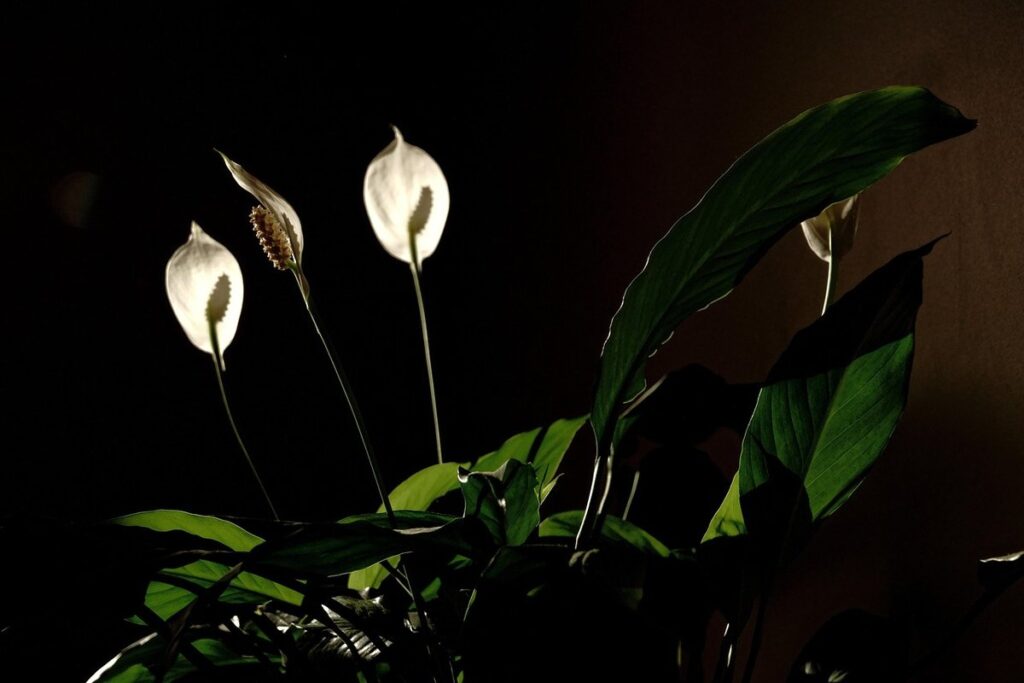
Peace Lily (Spathiphyllum wallisii) is another option that can handle dry air. It’s known to remove moisture from the air through a process called transpiration, making it a great choice for humidification control. Keep in mind that peace lilies require proper care and can be toxic if ingested.
Snake Plant (Sansevieria Trifasciata) is also low-maintenance and can tolerate low humidity levels. This plant stores water in its leaves, allowing it to survive without frequent watering. It’s perfect for busy homeowners who forget to water their plants occasionally.
Optimal Placement and Care for Humidity-Regulating Plants
When placing humidity-regulating plants, consider their specific needs for optimal results: some thrive in bright light while others prefer shade. Proper care ensures they perform best.
Strategies for Maximizing Plant Effectiveness
When it comes to maximizing plant effectiveness in regulating humidity levels, strategic placement is key. Place plants in areas where they can have the greatest impact on humidity, such as living rooms and bedrooms. These spaces tend to be more humid due to human activity and indoor heating.
To maximize transpiration rates, ensure optimal care for your plants. This includes providing adequate light, watering them correctly, and maintaining a comfortable temperature between 65-75°F (18-24°C). Over-watering can lead to reduced transpiration, so monitor soil moisture levels carefully.
For areas with high humidity, consider using plants that are more efficient at removing excess moisture from the air. Plants like peace lilies, spider plants, and Boston ferns are excellent choices due to their high transpiration rates. When selecting plants for your space, choose varieties that thrive in indoor conditions and require minimal maintenance.
By strategically placing and caring for these plants, you can harness their power to regulate humidity levels effectively. This will not only improve the indoor air quality but also create a more comfortable living environment.
Avoiding Over-Humidification
While plants are excellent at regulating humidity, there’s a flip side to consider: over-humidification. If left unchecked, excessive plant growth and improper placement can lead to an unhealthy indoor environment. When plants release moisture into the air, they can create an ideal breeding ground for mold, mildew, and bacteria.
For example, in areas with poor ventilation or high humidity, plants like ferns and peace lilies can thrive – but also contribute to a humid microclimate that fosters fungal growth. This is particularly concerning for individuals with respiratory issues or allergies.
To avoid over-humidification, it’s essential to strike a balance between plant growth and indoor air quality. Regularly inspect your plants’ leaves and stems for signs of waterlogging or excessive moisture buildup. Ensure good air circulation by placing plants at least 6-8 inches away from walls and other objects, allowing air to flow freely.
Remember, a balanced humidity level is key. Use a hygrometer to monitor the indoor humidity levels in your home, and adjust the placement or watering schedule of your plants accordingly. By doing so, you can enjoy the benefits of humidifying plants while maintaining a healthy indoor environment.
Measuring and Maintaining Optimal Humidity Levels
To accurately gauge the impact of plants on home humidity, it’s crucial to understand how to measure and maintain optimal levels. This involves using hygrometers and controlling factors like temperature and ventilation.
Understanding Different Types of Humidity Meters
When measuring and maintaining optimal humidity levels in your home, it’s essential to understand the various tools available for monitoring these conditions. Humidity meters, also known as hygrometers, come in different types, each suited for specific applications.
There are two primary categories of hygrometers: analog and digital. Analog hygrometers use physical mechanisms to measure humidity levels, such as a needle or dial that moves in response to changes in humidity. Digital hygrometers, on the other hand, display readings on an LCD screen, often with higher accuracy and precision.
For indoor gardening enthusiasts, a psychrometer is a specialized tool that measures both temperature and humidity levels. This type of hygrometer is particularly useful for monitoring conditions around plants. Another option is a capacitive hygrometer, which uses electrical signals to detect changes in humidity.
When choosing a humidity meter, consider the specific needs of your home or garden. If you’re monitoring humidity levels for optimal plant growth, a psychrometer may be the best choice. For general household use, a digital hygrometer with a wide range and high accuracy is likely sufficient.
Tips for Achieving and Maintaining Ideal Humidity Levels
Achieving and maintaining ideal humidity levels is crucial for a comfortable living space. Since plants can indeed contribute to increased humidity, it’s essential to strike a balance between their presence and the overall moisture levels in your home.
Firstly, be mindful of temperature. Warm air can hold more moisture than cool air, so adjusting your thermostat might help mitigate any excess humidity caused by plants. A general rule of thumb is to keep your indoor temperature between 68°F (20°C) and 72°F (22°C).
Air circulation also plays a significant role in maintaining optimal humidity levels. Ensure that there’s adequate airflow throughout your home by opening windows, using fans, or installing air purifiers with built-in ventilation systems.
Lastly, monitor your watering schedule. Overwatering can lead to excessive moisture, exacerbating the issue. Instead, adjust your plant care routine to ensure plants receive just enough water to thrive. For instance, check the soil moisture before each watering session by inserting a finger into the soil up to the first knuckle. If it feels dry, it’s time for a drink.
By implementing these strategies, you can effectively balance the humidity contributed by plants with the overall indoor environment, creating a more comfortable and pleasant space.
Conclusion and Final Thoughts
As we wrap up our exploration of how plants affect humidity levels in homes, let’s summarize the key takeaways from our research so far.
Recap of Key Takeaways
As we conclude our exploration of whether plants increase humidity in homes, let’s recap the key takeaways to ensure you’re well-equipped to maintain a balanced indoor environment.
Considering indoor humidity is crucial when selecting plants for your home. Not all plants are created equal, and some can indeed contribute to higher humidity levels. However, this effect is typically minimal, especially in comparison to other factors like heating systems or air conditioning units.
A good rule of thumb is to choose low-to-medium moisture-demanding plants, such as snake plants, spider plants, or cacti. These plants are not only suitable for indoor spaces but also won’t significantly impact humidity levels. On the other hand, plants with high moisture demands like ferns, peace lilies, and tropical flowers should be placed in well-ventilated areas to prevent excessive condensation.
To maintain a balanced environment, make sure to provide adequate air circulation by keeping plants at least 6-8 inches away from walls and windows. You can also use dehumidifiers or fans to regulate indoor humidity levels, especially during periods of intense plant growth or high temperatures.
It’s also essential to monitor your home’s humidity levels using a hygrometer. This will help you identify areas where moisture is accumulating and take corrective action. For instance, if you notice that the humidity level in a specific room is consistently above 60%, consider adjusting your plant selection or taking steps to improve air circulation.
By considering these factors and adopting a thoughtful approach to indoor plant selection, you can enjoy the numerous benefits of having plants in your home while maintaining a healthy and balanced environment.
Frequently Asked Questions
Can I use plants to regulate humidity levels in an air-conditioned home?
Yes, you can still benefit from using plants to increase humidity at home even if you have an air-conditioning system. While AC units dry the air, certain plant species are designed to humidify it back up. By selecting the right plants and placing them strategically, you can create a healthier indoor environment.
How long does it take for plants to start affecting humidity levels in my home?
The time it takes for plants to impact humidity depends on factors like the type of plants, their size, placement, and maintenance. Generally, noticeable changes occur within 2-4 weeks after introducing plants into your space. Be patient and observe how your plants respond to their environment.
Can I mix high-humidity plants with low-humidity plants in the same room?
While it’s not impossible to combine these types of plants, mixing them can lead to less effective humidity regulation overall. Low-humidity plants might struggle due to increased moisture competition from their high-humidity counterparts. Consider grouping similar plant species for optimal results.
How often should I water my plants to maximize their humidifying effect?
Proper watering is crucial for maintaining your plants’ effectiveness in regulating humidity. Over-watering can lead to root rot and reduced transpiration rates, which negates the benefits of using these plants. Water them when the top 1-2 inches of soil feels dry to the touch, ensuring they receive enough moisture without excess.
Can I use a dehumidifier and humidifying plants together in the same space?
Using both a dehumidifier and plants that increase humidity can create an unstable environment with fluctuating RH levels. It’s recommended to choose one approach over the other or opt for more efficient humidity regulation methods, like using a hygrometer and adjusting your HVAC system accordingly.