
As we step into the spooky season, it’s hard to imagine Halloween without its iconic jack-o-lanterns. But have you ever wondered where this beloved tradition came from? The history of pumpkins and their role in Halloween celebrations is a fascinating tale that spans thousands of years. From ancient North America to modern-day cultivation, pumpkins have been an integral part of autumnal festivities for centuries. In this article, we’ll take a journey through the evolution of pumpkins as we explore how they became synonymous with Halloween. We’ll delve into their origins, their transformation from a humble gourd to a festive symbol, and why pumpkins remain such a crucial part of our celebrations today. So grab a pumpkin spice latte and get cozy – it’s time to uncover the story behind the world’s most popular jack-o-lanterns.
The Ancient Roots of Pumpkin Cultivation
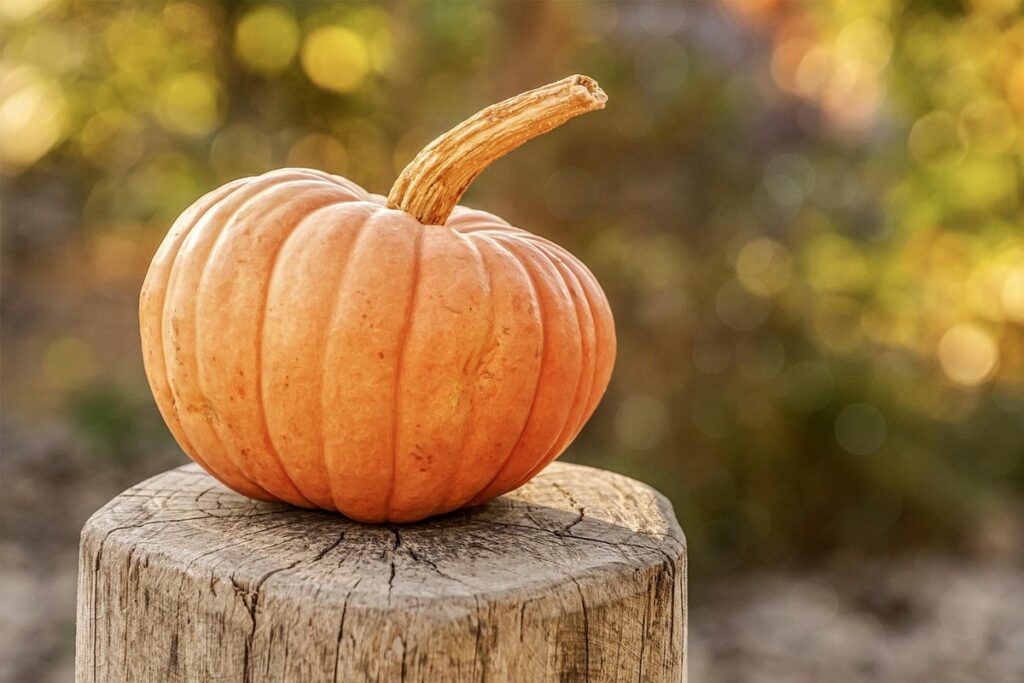
Pumpkins have been a staple crop for thousands of years, and their cultivation dates back to ancient civilizations that valued them not just for food but also for ceremonial and medicinal purposes. Let’s explore where it all began.
The Origin of Pumpkins in the Americas
North America has been home to pumpkins for thousands of years. Indigenous peoples first domesticated them around 7,000 years ago, making it a staple crop in many Native American communities. Pumpkins were not only a source of food but also played a significant role in their traditions and ceremonies.
They used the fruit’s seeds as a form of trade and medicine. Some tribes even considered pumpkins a sacred plant due to its medicinal properties and ability to thrive in poor soil conditions. In addition, pumpkins became an essential ingredient in many traditional dishes such as stews and soups.
As you explore the history of pumpkin cultivation, it becomes clear that these early Native American communities had a deep appreciation for the fruit’s nutritional value and versatility. This understanding is a testament to their resourcefulness and connection with nature.
Early European Encounters with Pumpkins
As European explorers set foot in the Americas, they stumbled upon a vibrant and diverse array of vegetables, including the humble pumpkin. The earliest recorded encounter with pumpkins dates back to the 16th century when Spanish conquistador Hernando Cortés arrived in present-day Mexico. He was fascinated by the Aztecs’ use of pumpkins as a staple crop, not only for food but also for its medicinal and spiritual properties.
The introduction of pumpkins to Europe was a gradual process, with early settlers bringing back seeds from their travels across the Atlantic. The first pumpkin patches were established in the eastern United States, where they thrived in the fertile soil and mild climate. As European settlements expanded westward, pumpkins became an essential crop for many pioneer families.
The indigenous people of North America had a profound influence on early European interactions with pumpkins. They shared their knowledge of how to cultivate and harvest these versatile vegetables, which were quickly incorporated into traditional European recipes. The pumpkin’s adaptability, hardiness, and nutritional value made it an instant hit among European settlers, paving the way for its widespread cultivation across the continent.
The Influence of European Traditions on Pumpkin Use
As you’ve seen, pumpkins have become a staple for Halloween celebrations worldwide, but their connection to European traditions is more profound than you might think. Let’s explore how these cultural influences shaped our modern use of pumpkin decorations and festivities.
Christian Celebrations and the Adoption of Pumpkins
As European Christians adopted pumpkins as a symbol for harvest festivals, they brought with them an enduring tradition that would eventually become intricately linked to Halloween. In Ireland and Scotland, where Catholicism was prevalent, the harvest season was celebrated with great fervor. The pumpkin’s orange hue became synonymous with the bounty of the land, its rounded shape reminiscent of the cyclical nature of life.
The Irish, in particular, revered the pumpkin as a symbol of the harvest moon, often using it to create intricate lanterns that would adorn their homes and churches. These lanterns, known as “jack-o’-lanterns,” were believed to ward off spirits and guide the souls of loved ones who had passed on. This practice not only reflected the Irish people’s deep connection with their land but also their respect for the cycle of life and death.
In this way, pumpkins became an integral part of Christian celebrations in Ireland and Scotland, ultimately paving the way for their later association with Halloween, a holiday that would evolve from the ancient Celtic festival of Samhain.
The Role of Colonization in Spreading Pumpkin Cultivation
Pumpkin cultivation was not confined to Eastern North America, thanks to British colonization. As European settlers traveled and traded with other regions, they brought pumpkin seeds with them. This helped establish a foothold for the crop in various parts of the world.
For instance, when British traders visited Asia and Africa in the 18th century, they carried pumpkin seeds to these continents. The climate in these areas allowed pumpkins to grow well, and soon local farmers began cultivating them. In India, pumpkins were incorporated into traditional dishes like curries and stews.
Similarly, European colonizers introduced pumpkins to their settlements in Africa, where they became a staple crop for many communities. In South Africa, pumpkins are still used in traditional medicine and as a food source.
The spread of pumpkin cultivation through colonization also led to the exchange of new varieties and techniques between regions. This diversity has enabled modern farmers to develop hardier, more disease-resistant crops that thrive in various climates.
Pumpkins and Halloween: A Cultural Synthesis
Let’s dive into the fascinating history of how pumpkins became an integral part of Halloween celebrations, a cultural phenomenon that originated thousands of years ago. We’ll explore its early beginnings and evolution over time.
The Rise of Carving and Lanterns as a Form of Folk Art
In Ireland and Scotland, the tradition of carving turnips (later pumpkins) for lanterns dates back to ancient times. The Celts would carve scary faces into turnips to ward off spirits on Samhain, a festival marking the end of harvest season and the beginning of winter. These lanterns were believed to possess supernatural powers that could keep evil spirits at bay.
As Irish and Scottish immigrants came to America, they found pumpkins more abundant and easier to carve than turnips. They began using them for their lanterns, creating the iconic jack-o’-lanterns we know today. The tradition was also influenced by the Christian festival of All Hallows’ Eve, which later became known as Halloween.
Carving pumpkins has since become a beloved activity around Halloween time. But did you know that the traditional carving techniques used in Ireland and Scotland were actually passed down through generations? You can replicate this ancient practice by using simple designs or stencils to create your own unique pumpkin lantern. Try experimenting with different patterns, shapes, and materials to add your own twist to this timeless tradition.
Mass Commercialization and Its Impact on Pumpkin Cultivation
As pumpkins became increasingly associated with Halloween, mass commercialization of carved pumpkin decorations kicked into high gear. The introduction of mass-produced plastic molds and carving patterns made it easy for people to create elaborate jack-o-lanterns without needing extensive experience or specialized tools. This led to a surge in demand for pumpkins, driving up production worldwide.
In the United States alone, pumpkin sales skyrocketed from $300 million in 2000 to over $1 billion by 2019. The shift towards commercialized Halloween decorations had a ripple effect on pumpkin cultivation, with many farmers switching from traditional varieties to more decorative ones better suited for carving. This increase in demand has led to the development of new, specialized pumpkins bred specifically for their size, shape, and color.
Today, consumers have access to an astonishing array of pumpkin varieties, each offering unique characteristics that cater to specific design needs. The commercialization of carved pumpkins has undeniably had a profound impact on global pumpkin production, making it possible for people to create intricate and elaborate decorations with ease.
The Modern Pump-kin Industry
As we delve into the modern pumpkin industry, let’s explore how commercial production and sales have transformed the way we buy and decorate pumpkins for Halloween.
Large-Scale Farming and Its Environmental Implications
Large-scale pumpkin farming has become a significant contributor to the global agricultural industry. In the United States alone, over 1.5 billion pounds of pumpkins are produced annually, with the majority being grown for the Halloween market. While large-scale pumpkin farming generates substantial economic revenue, it also raises concerns about its environmental implications.
One major concern is water usage. Pumpkins require significant amounts of water to grow, especially during the critical stages of development. In fact, studies have shown that a single pumpkin requires up to 100 gallons of water per day during peak growth periods. This can put a strain on local water resources, particularly in areas where water scarcity is already an issue.
Another concern is pesticide use. Many commercial pumpkin farms rely heavily on chemical pesticides to control pests and diseases, which can have devastating effects on beneficial insects and the environment as a whole. According to the Environmental Protection Agency (EPA), some common pesticides used in pumpkin farming have been linked to health problems in humans, including cancer and neurological damage.
The carbon footprint of large-scale pumpkin farming is also a pressing concern. The transportation of pumpkins from farms to markets can result in significant greenhouse gas emissions, particularly when considering the long distances involved. In addition, the production and application of synthetic fertilizers and pesticides contribute to overall carbon emissions.
To mitigate these concerns, some farmers are adopting more sustainable practices. For example, using drip irrigation systems to reduce water waste and incorporating crop rotation techniques to minimize soil degradation. Additionally, many consumers are opting for locally grown pumpkins or those certified as “sustainably grown” to support environmentally responsible farming practices.
Artisanal and Localized Pumpkin Cultivation Trends
As consumers become increasingly aware of the environmental impact of their purchasing decisions, there’s been a noticeable shift towards supporting local and artisanal pumpkin cultivation. Small-scale farmers are now being recognized for their efforts to promote sustainable agriculture and reduce carbon footprints. In this context, buying locally grown pumpkins becomes not only a fun seasonal activity but also a way to contribute positively to the community.
One of the key drivers behind this trend is the growing interest in reducing transportation-related emissions associated with large-scale commercial farming operations. By sourcing pumpkins from nearby farms or even one’s own backyard, consumers can significantly minimize their carbon footprint. This trend also highlights the importance of preserving agricultural heritage and promoting localized food systems.
In response to this shift in consumer behavior, many farmers are adapting by offering a range of artisanal pumpkin varieties that cater specifically to local tastes and preferences. These unique offerings often come with rich stories and anecdotes about their cultivation methods, further emphasizing the connection between the farm, the community, and the end product.
Social and Cultural Significance of Pumpkins for Halloween
Pumpkins have become a beloved symbol of Halloween, but their significance extends far beyond just being a festive decoration. Let’s explore how they’ve taken on cultural and social importance in our annual celebrations.
Symbolism and Spiritual Associations
Pumpkins have become an integral part of Halloween celebrations worldwide, transcending their origins as a staple food item. One reason for this widespread adoption is the rich symbolism and spiritual associations attached to them. In many cultures, pumpkins are seen as emblems of harvest festivals, representing the bounty of nature and the cyclical renewal of life. This connection is rooted in ancient agricultural societies, where the harvest season was celebrated with festivities that acknowledged the gods’ favor.
Beyond their association with fertility and abundance, pumpkins have also become linked to the afterlife, particularly in Celtic traditions. The Irish, for instance, carved turnips (not pumpkins!) into lanterns to ward off evil spirits during Samhain. With the introduction of pumpkin cultivation in North America, this practice evolved into carving pumpkins, now a ubiquitous Halloween activity.
In various cultures, pumpkins are seen as protective talismans against malevolent forces. For example, in some African American traditions, gourd figurines (similar to but distinct from pumpkins) are used to ward off evil spirits and bring good fortune.
Community Engagement through Pumpkin Carving and Display
Pumpkin carving has evolved from a simple fall activity to a vibrant community engagement event that brings people together. As the holiday season approaches, neighborhoods and towns transform into displays of creative expression, with intricately carved pumpkins showcasing various designs and themes. This communal activity not only fosters social bonding but also encourages cultural exchange among participants.
Many communities organize pumpkin-carving contests, inviting residents to create their masterpieces in a designated area. These events often become opportunities for families, friends, and neighbors to mingle, share ideas, and learn from one another’s techniques. For instance, some towns host “Pumpkin Palooza” festivals that feature live music, food vendors, and kids’ activities, all centered around the pumpkin-carving display.
To incorporate pumpkin carving into your community engagement efforts, consider the following tips:
* Identify a public space to showcase the carvings, such as a park or town square.
* Invite local artists to design and lead workshops for attendees.
* Encourage participants to share their designs on social media using a branded hashtag.
* Organize a friendly competition with categories for different age groups and skill levels.
Conclusion: The Lasting Legacy of Pumpkins for Halloween
As we’ve explored the fascinating history of pumpkins and their rise to fame on Halloween, let’s now examine the lasting legacy they’ve left behind in our celebrations.
Recap of Key Points and Findings
As we conclude our exploration of the history and evolution of pumpkins for Halloween, let’s recap the key points that have emerged from our journey. Pumpkins have been an integral part of American culture for centuries, originating from the harvest festivals of ancient civilizations. We’ve seen how the early European settlers brought their own traditions to the New World, where pumpkins were already a staple crop. The association with Halloween was cemented by Irish and Scottish immigrants who brought their own customs and stories about the jack-o’-lantern.
The environmental impact of pumpkin cultivation is another important consideration. By choosing locally grown, organic options, consumers can reduce their carbon footprint and support sustainable farming practices. We’ve also highlighted the creative ways to repurpose pumpkins after Halloween, reducing waste and encouraging a more mindful approach to celebration.
In conclusion, our historical perspective on pumpkins for Halloween has revealed the complex interplay of cultural, environmental, and social factors that have shaped this beloved tradition. By understanding the origins and evolution of pumpkins, we can appreciate their enduring significance and work towards a more sustainable future for this iconic symbol of autumnal festivities.
Final Thoughts on the Significance of Pump-kin Traditions
As you’ve explored the fascinating history of pumpkins for Halloween, it’s clear that this beloved tradition is more than just a festive decoration. By understanding the origins and evolution of pumpkin traditions, you’re not only deepening your knowledge of cultural heritage but also gaining a newfound appreciation for the significance of these celebrations.
This awareness can empower you to participate more meaningfully in modern-day festivities. For instance, consider exploring local farmers’ markets or craft fairs to support artisans who create handcrafted pumpkin decorations and centerpieces. You might even discover unique, family-friendly activities that pay homage to the harvest season.
Moreover, appreciating the historical context of pumpkin traditions can inspire creative ways to incorporate these customs into your own celebrations. Try crafting a homemade pumpkin pie using an heirloom recipe or hosting a pumpkin-carving party with friends and family, sharing stories about the significance of pumpkins in different cultures. By doing so, you’ll be fostering a sense of community and connection to the past while creating lasting memories with loved ones.
Frequently Asked Questions
How Can I Use Pumpkins in My Own Autumnal Celebrations?
While our article explores the history of pumpkins in Halloween celebrations, you might be wondering how to incorporate these autumnal wonders into your own festivities. Consider using them as decorative elements for your home or garden, or try your hand at carving and displaying jack-o-lanterns with family and friends.
Are Pumpkins Good for You?
As we learned about the ancient uses of pumpkins, it’s worth noting that they are still a nutritious food option today. Rich in vitamins A and C, magnesium, and fiber, pumpkins can be baked, roasted, or made into soups to add some healthy flair to your fall meals.
How Can I Support Local Pumpkin Farmers?
As we discussed the impact of large-scale farming on the pumpkin industry, you might be interested in supporting local farmers who cultivate these autumnal wonders. Look for community-supported agriculture (CSA) programs or visit local farmer’s markets to purchase pumpkins directly from nearby producers.
What Are Some Creative Ways to Use Pumpkin Seeds?
Beyond their use in traditional ceremonies and rituals, pumpkin seeds have been valued for their nutritional benefits and versatility. Try roasting them as a healthy snack, using them in homemade granola recipes, or incorporating them into your favorite smoothie blends.
Can I Still Celebrate Halloween with Pumpkins if I’m Vegan or Have Dietary Restrictions?
While pumpkins themselves are often used as decorations, many traditional pumpkin-based foods are not suitable for vegan diets. Consider substituting animal-derived ingredients with plant-based alternatives, such as coconut milk or nutritional yeast, to create your own unique and inclusive pumpkin recipes.