
If you’re an avid gardener or just starting to explore the world of fruit trees, you might be curious about the best trees to graft. Grafting can be a game-changer for any orchard, allowing you to combine the hardiness and disease resistance of one tree with the high yields of another. But not all fruit trees are created equal when it comes to grafting – some are more suitable for this technique than others. In this article, we’ll take a closer look at the top fruit trees for grafting, including disease-resistant varieties that thrive in a range of climates and regions. Whether you’re a seasoned pro or just starting out, our comprehensive guide will help you choose the best tree for your needs and get started on growing a bountiful harvest.
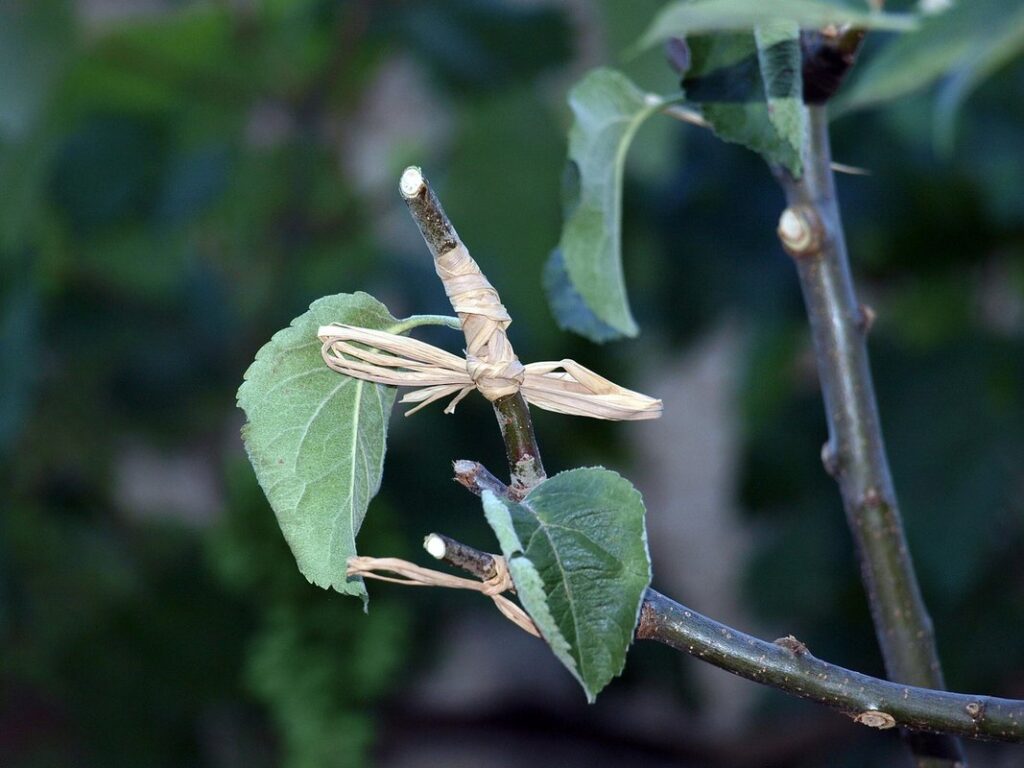
Understanding Grafting
So, what exactly is grafting, and how does it work? In this next part of our guide, we’ll break down the fundamental principles of grafting to set the stage for choosing the perfect fruit tree.
Benefits of Grafting
Grafting fruit trees offers numerous benefits that make it an attractive option for farmers and gardeners. One of the primary advantages is increased yields. By combining a vigorous rootstock with a high-yielding scion, you can produce more fruit per tree. For instance, grafting a dwarf apple variety onto a robust rootstock can result in twice as many apples compared to growing the same variety on its own roots.
Grafting also provides disease resistance, which is essential for maintaining healthy crops. By combining desirable traits from different tree species, you can create a tree that’s more resistant to specific diseases or pests. For example, grafting a peach scion onto a rootstock with natural resistance to bacterial spot can help prevent devastating losses.
In addition to increased yields and disease resistance, grafting also improves flavor. By selecting a scion known for its exceptional taste and combining it with a robust rootstock, you can enjoy better-tasting fruit without sacrificing productivity. This is especially useful for home gardeners looking to grow unique varieties or those who want to experiment with different flavors.
Choosing the Right Rootstock
Choosing the right rootstock is crucial for successful grafting. The rootstock serves as the foundation of the grafted tree, influencing its growth habit, productivity, and disease resistance. When selecting a rootstock, consider the type of fruit tree you’re working with, as well as your climate, soil, and desired level of maintenance.
Common rootstocks used for various types of fruit trees include dwarfing, semi-dwarfing, and standard varieties. For example, the ‘M9’ rootstock is commonly used for apple grafting, as it promotes compact growth while maintaining high yields. On the other hand, the ‘MM111’ rootstock is a semi-dwarfing variety often used for pear trees, offering a balance between growth control and productivity.
When choosing a rootstock, consider factors such as chill hours, disease susceptibility, and climate adaptability. Research local recommendations or consult with experienced growers to determine the best rootstock for your specific needs. A suitable rootstock can ensure a healthy, productive tree that meets your expectations.
Popular Fruit Tree Species for Grafting
When it comes to grafting, not all fruit trees are created equal. We’ll be exploring some of the most popular and successful species to graft in this next section.
Apple Varieties for Grafting
When it comes to grafting apple trees, there are numerous varieties to choose from. Two popular disease-resistant options for beginners are ‘Red Delicious’ and ‘Gala’. Both of these varieties have gained widespread acceptance due to their exceptional taste and durability.
‘Red Delicious’, a classic choice among orchardists, boasts a sweet flavor profile and vibrant red skin. Its high sugar content and crunchy texture make it an excellent candidate for fresh consumption. With proper care, Red Delicious trees can live up to 50 years or more, providing fruit-bearing branches with minimal maintenance.
‘Gala’, another top pick, is renowned for its sweetness and aroma. Developed from a cross between Golden Delicious and Kidd’s Orange Red, Gala has proven itself to be highly disease-resistant and low-maintenance. Its compact growth habit and early ripening season make it ideal for smaller spaces or those seeking an accelerated harvest.
When grafting these varieties, ensure you have compatible rootstocks that promote healthy development and maximize fruit production. Consider factors like climate, soil type, and available space before making your selection.
Stone Fruits for Grafting
When it comes to stone fruits, peaches (Prunus persica), plums (Prunus domestica), and nectarines (Prunus persica var. nectarina) are among the most popular options for grafting. These fruit trees offer a wide range of desirable traits that make them ideal for grafting, including high yields, disease resistance, and climate adaptability.
One of the key benefits of grafting stone fruits is their unique growing requirements can be tailored to specific regions and climates. For example, certain peach varieties are bred specifically for warm and dry climates, while others excel in cooler and more temperate environments. When selecting a stone fruit tree for grafting, consider factors such as chill hours, sun exposure, and soil type.
To achieve optimal results, ensure the scion (stone fruit) is compatible with the rootstock. For instance, plum trees can be grafted onto peach or apricot rootstocks, while nectarines typically require a specific rootstock to maintain their characteristic fuzz-free skin. With proper care and attention, stone fruits grafted successfully can produce bountiful harvests and become long-term fruiting assets for your garden or orchard.
Factors to Consider When Selecting a Fruit Tree for Grafting
When selecting a fruit tree for grafting, it’s essential to consider several key factors to ensure successful propagation and long-term health. Let’s explore these crucial considerations together.
Climate and Hardiness Zone
When selecting a fruit tree for grafting, it’s essential to consider the climate and hardiness zone of your area. This will help ensure that the grafted tree thrives and produces fruit successfully.
Climate refers to the long-term weather patterns in your region, including temperature, precipitation, sunlight, and wind. Hardiness zone, on the other hand, is a way to express these conditions using a numerical scale (1-11). Knowing your hardiness zone can help you choose varieties that are adapted to specific climate conditions.
In regions with mild winters and hot summers, like California or Florida, look for fruit tree varieties that are tolerant of high temperatures and humidity. Some examples include citrus trees like lemons and limes, as well as figs and pomegranates. In areas with cold winters and short growing seasons, such as the Northeastern United States, choose varieties that can withstand frost and have a shorter maturation period.
Research the specific climate conditions in your area, including microclimates within it. This will allow you to select fruit tree varieties that are best suited for your region’s unique conditions, ensuring optimal growth and productivity.
Soil and Water Requirements
When selecting a fruit tree for grafting, it’s essential to consider its soil and water requirements. Different species have varying levels of tolerance to drought, flooding, or poor soil conditions. For instance, apple trees (Malus domestica) are relatively tolerant of dry soils but can be susceptible to root rot in wet conditions. In contrast, citrus trees like oranges (Citrus sinensis) and lemons (Citrus limon) prefer well-draining soil and can be sensitive to flooding.
Other factors to consider include the tree’s ability to adapt to poor soil quality. For example, pears (Pyrus communis) are known to thrive in poor soils, making them a good choice for areas with limited nutrient availability. On the other hand, fig trees (Ficus carica) prefer rich, fertile soil and can be challenging to grow in areas with low nutrient levels.
When evaluating the soil and water requirements of your chosen fruit tree species, consider factors like climate, soil type, and available water resources. Researching the specific needs of your tree will help ensure its success and prevent common problems like root rot or drought stress.
Step-by-Step Grafting Process
Now that you’ve chosen your ideal fruit tree, let’s dive into the step-by-step grafting process to successfully combine it with your desired variety. This section will guide you through every detail of grafting with ease and confidence.
Preparing the Rootstock and Scion
Before you begin grafting, it’s essential to prepare both the rootstock and scion properly. This involves selecting healthy trees with desirable traits, making precise cuts, and applying the right amount of grafting tape.
Start by inspecting the rootstock and scion for any signs of disease or pests. Choose trees that are at least a year old and have a well-developed root system. If you’re using a seedling as your scion, make sure it’s strong and vigorous with no signs of weakness. When selecting the right combination of rootstock and scion, consider factors like climate adaptation, disease resistance, and growth habits.
To prepare the cuts, use a sharp, sterile knife or grafting tool to make a smooth, angled cut on both the rootstock and scion. The cut should be about 1-2 inches above a bud eye for optimal rooting. Place the scion onto the rootstock at an angle of about 45 degrees, making sure the cambium layers align.
Apply a small amount of grafting tape to secure the union, leaving some space for expansion as the graft heals. Ensure the tape is not too tight, as this can restrict growth and cause damage to the tree.
Joining the Rootstock and Scion
Joining the rootstock and scion is a critical step in the grafting process. It’s essential to align the cambium layers of both the rootstock and scion carefully, as this will promote healthy growth and ensure the survival of the grafted tree.
To achieve this alignment, hold the rootstock and scion together at an angle, with the cut surfaces parallel to each other. This allows you to visualize where the cambium layers meet. Use a gentle twisting motion to bring the scion’s cambium layer into contact with that of the rootstock. Once aligned, use grafting tape or twine to secure the union firmly.
When securing the graft union, apply gentle but firm pressure to avoid damaging the delicate tissue. Make sure the tape or twine is not too tight, as this can also damage the tissue and hinder healing. A general rule of thumb is to wrap the graft union with 2-3 layers of tape or twine, overlapping each layer slightly for maximum security.
After securing the graft union, inspect it regularly to ensure it’s not too loose or too tight. With proper care and attention, your grafted tree will thrive and produce a bounty of delicious fruit.
Troubleshooting Common Grafting Issues
Don’t let grafting problems get you down – this section will walk you through common issues and provide practical solutions to get your fruit tree thriving. We’ll cover everything from weak rootstocks to problematic scions.
Identifying Common Problems
When it comes to grafting fruit trees, there are several common issues that may arise during or after the process. These problems can range from poor take, where the grafted scion doesn’t successfully integrate with the rootstock, to disease and pest infestations that threaten the overall health of the tree.
Poor take is often due to inadequate preparation of the scion or rootstock, improper alignment, or insufficient bonding agent use. To minimize this risk, ensure a clean cut on both the scion and rootstock, apply a generous amount of grafting tape, and monitor temperature fluctuations that can affect take. Regularly inspect your grafted trees for signs of disease or pests, such as fungal growths, leaf discoloration, or tiny insects on the leaves.
Some common diseases include fire blight, bacterial spot, and powdery mildew, while pests like aphids, whiteflies, and spider mites are also prevalent. Implement integrated pest management strategies by using organic or chemical controls, practicing good sanitation, and encouraging beneficial insects to visit your garden.
Solutions to Grafting Challenges
When you encounter grafting challenges, it’s essential to address them promptly and correctly to avoid further complications. One of the primary solutions is to adjust your grafting techniques. This might involve refining your cutting angles, improving your joining methods, or optimizing your healing times.
You can also try applying various treatments to promote a healthy bond between the scion and rootstock. For instance, using a rooting hormone or growth promoter can stimulate the root system’s development and enhance the grafted area’s overall health.
Another effective approach is selecting more resilient tree varieties that are known for their grafting success rates. Some fruit trees, like dwarf apple and pear species, have been bred specifically for their ability to thrive when grafted onto a suitable rootstock. By choosing these varieties, you can minimize potential issues and ensure the best possible outcome.
It’s also worth considering using specialized grafting tools or equipment designed to ease the process and reduce complications.
Frequently Asked Questions
Can I graft any type of fruit tree, or are there certain varieties that work best?
Yes, not all fruit trees are suitable for grafting, but many popular species can be grafted successfully. Some of the most commonly grafted fruit trees include apple, pear, plum, cherry, and peach. However, citrus trees and tropical fruits like mangoes and avocados are more challenging to graft.
What’s the ideal climate and hardiness zone for grafting fruit trees?
Grafting can be done in various climates and regions, but it’s essential to choose a rootstock that matches your local conditions. For example, if you live in an area with cold winters, look for rootstocks with high chill hour requirements. Similarly, if you’re in a region with hot summers, select rootstocks that are heat-tolerant.
How do I prevent disease and pests from affecting my grafted fruit tree?
To minimize the risk of disease and pests, choose disease-resistant scion varieties and follow proper grafting techniques. Regularly inspect your trees for signs of stress or infestation and take prompt action if necessary. Additionally, maintain good orchard hygiene by removing weeds, pruning regularly, and using integrated pest management (IPM) strategies.
Can I graft multiple types of fruit onto the same rootstock?
Yes, but it’s crucial to choose compatible scion varieties that share similar growth habits and requirements. Grafting multiple fruits on a single rootstock is called interstemming or double-grafting. This technique can increase yields and reduce labor costs, but it requires careful selection and management of the scions.
How long does it take for grafted fruit trees to produce fruit?
Grafted fruit trees typically start producing fruit within 2-5 years after grafting, depending on factors like rootstock quality, soil conditions, and climate. However, some varieties may take longer to mature. Be patient and provide your trees with optimal care to ensure they thrive and produce a bountiful harvest.