
Are you ready to grow your own plants in record time? With our busy lives, it can be challenging to wait months for plants to mature. But what if I told you that there are varieties that can thrive in just 2 weeks? From selecting fast-growing seeds and seedlings to optimizing their environment with the right lighting and watering conditions, growing plants quickly requires a combination of knowledge and attention to detail. In this comprehensive guide, we’ll share our top tips on how to grow plants in as little as 14 days. Whether you’re a seasoned gardener or a beginner looking for instant gratification, we’ve got you covered with expert advice on choosing the right varieties, creating an ideal growing space, and troubleshooting common issues that can slow down growth.
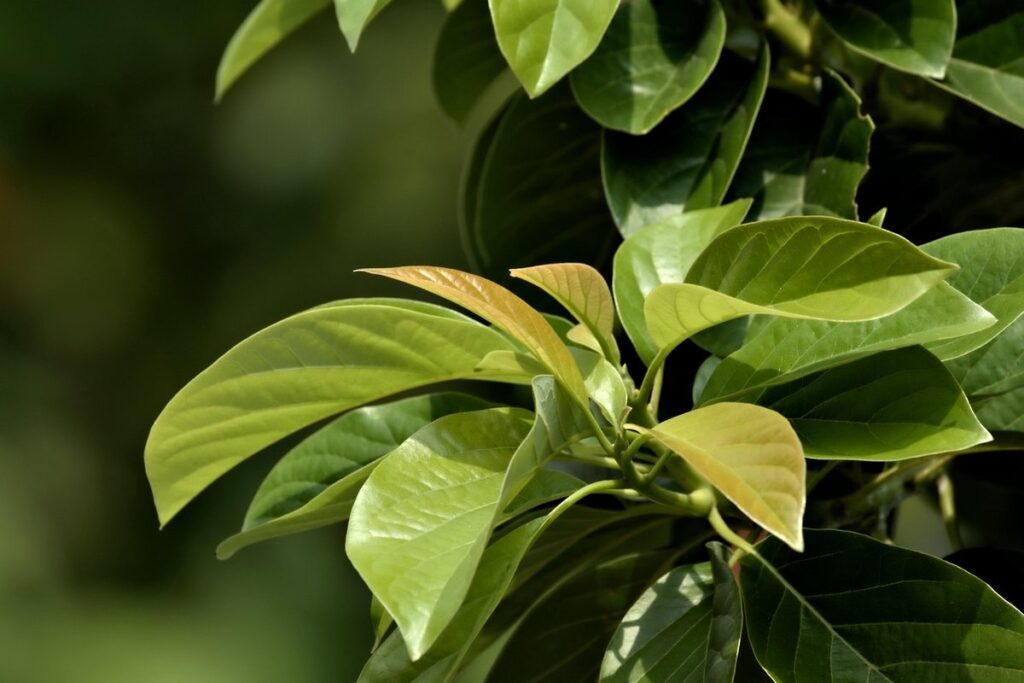
Understanding Plant Growth and Development
To fully appreciate how these plants can thrive in just two weeks, let’s dive into the basics of plant growth and development.
Factors Influencing Plant Growth Rate
When it comes to plants that take two weeks to grow, understanding the key factors that influence their growth rate is crucial. Light exposure plays a significant role in plant development, with most plants requiring a minimum of 4-6 hours of direct sunlight per day to undergo photosynthesis efficiently. However, if your plant is experiencing extreme temperatures or inadequate water supply, light becomes secondary.
Temperature fluctuations also impact plant growth, with optimal temperatures ranging between 65°F and 75°F (18°C and 24°C) for most plants. If your environment consistently falls below this range, consider using grow lights to provide supplemental heat. Water availability and nutrient deficiency are also critical factors that can either accelerate or hinder growth.
A well-balanced fertilizer rich in nitrogen, phosphorus, and potassium should be applied once a week to promote healthy growth. Nutrient deficiencies can slow down development by up to 20%, making adequate fertilization essential for optimal results. By carefully managing these variables, you’ll be able to create an ideal environment that promotes steady and consistent growth in your chosen plant species within the two-week timeframe.
Water quality also has a significant impact on growth rates, with plants thriving best when provided with nutrient-rich water having a pH level between 6.0 and 7.0. Overwatering can lead to root rot, while underwatering restricts access to essential nutrients.
Types of Plants That Grow Rapidly
If you’re looking for plants that grow rapidly, you’ll be delighted to know that there are several options to choose from. Sprouts, microgreens, and certain varieties of herbs and leafy greens are known for their incredible growth rates.
Sprouts, such as broccoli, alfalfa, and mung beans, can germinate in as little as 24-48 hours and can be harvested in a week or less. They’re perfect for adding a nutrient boost to salads, sandwiches, and smoothies. Microgreens, on the other hand, are young versions of leafy greens like kale, spinach, and arugula that can grow up to 5 times faster than their mature counterparts.
Some popular herbs that grow rapidly include basil, cilantro, and mint, which can be harvested in as little as 7-10 days. Leafy greens like lettuce, radish, and mustard greens also fall into the rapid growth category, with harvest times ranging from 7-14 days.
To get started with growing your own rapid-growing plants, make sure to provide them with adequate light, water, and nutrients. Most importantly, choose varieties that are suitable for your climate and growing conditions.
Fast-Growing Annuals and Perennials
Some plants, like fast-growing annuals and perennials, can quickly sprout and bloom in as little as two weeks, bringing instant beauty to your garden. Let’s explore some of these rapid growers together!
Choosing the Right Plant Variety
When selecting plant varieties that grow quickly, it’s essential to consider factors like climate, soil type, and available space. For instance, if you live in a hot and dry region, choose plants that are drought-tolerant and can thrive in such conditions.
Some fast-growing annuals include marigolds, zinnias, and sunflowers. These plants typically take 7-10 days to germinate and can be ready for harvest within two weeks. Perennials like daylilies and hostas also grow rapidly, producing new growth and flowers quickly.
To ensure optimal growth, proper plant care is crucial. This includes providing adequate sunlight (most fast-growing plants require at least 6 hours of direct sunlight), watering regularly but not excessively, and fertilizing the soil with a balanced fertilizer. For example, you can start marigolds indoors 2-3 weeks before the last frost date and then transplant them outside when the weather warms up.
Remember to also consider the mature size of the plant to avoid overcrowding your garden.
Examples of 2-Week Growing Plants: Annuals
When it comes to annual plants that can be grown in just two weeks, you’ll find an array of options to suit different tastes and climates. Let’s take a look at some of the most popular varieties.
For example, sunflowers (Helianthus annuus) are one of the fastest-growing annuals around, requiring only 7-10 days to germinate and reach a height of over 1 foot. If you’re looking for something a bit more delicate, consider growing pansies (Viola x wittrockiana), which can be harvested in just 5-7 days from sowing.
In the vegetable garden, you can’t go wrong with radishes (Raphanus sativus) or lettuce (Lactuca sativa), both of which can be ready to eat within 6-8 days. For a burst of color and fragrance, try growing basil (Ocimum basilicum) or mint (Mentha spp.), which can be harvested in as little as 5-7 days.
When growing these fast-growing annuals, remember to sow seeds thinly and evenly, about 1/4 inch deep, and keep the soil consistently moist. With a bit of care and attention, you’ll be enjoying fresh produce or admiring your blooming flowers in no time!
Microgreens and Sprouts: The Fastest-Growing Options
When it comes to speedy growth, microgreens and sprouts are the clear winners, typically ready to harvest in just 7-10 days, giving you a head start on fresh greens. Let’s dive into how to grow them.
What Are Microgreens and Sprouts?
When it comes to plants that take just two weeks to grow, microgreens and sprouts are often overlooked but incredibly valuable options. Microgreens are essentially young greens harvested within the first few weeks of growth, typically between 1-3 weeks after sowing. This accelerated growth process is due in part to their nutrient-dense seeds, which burst with energy as soon as they’re exposed to light.
Sprouts, on the other hand, are seedlings that have germinated and developed a small root system before being harvested. Both microgreens and sprouts offer incredible nutritional benefits, boasting higher concentrations of vitamins A and C, iron, and calcium compared to their mature counterparts. Plus, these young greens can be grown indoors using minimal space and equipment, making them perfect for urban gardeners or those with limited outdoor space.
In terms of versatility, microgreens and sprouts are incredibly diverse and can be used in a variety of dishes from salads and smoothies to sandwiches and stir-fries. Some popular varieties include pea shoots, radish greens, and sunflower sprouts – each offering unique flavors and textures to enhance your culinary creations.
Growing and Harvesting Microgreens and Sprouts at Home
Growing microgreens and sprouts at home is an excellent way to enjoy fresh produce year-round. With minimal space and equipment required, you can start harvesting these young greens within 7-10 days of sowing the seeds. Here’s a step-by-step guide to get you started.
First, choose a container that provides good drainage – a shallow tray or a specialized microgreens grower is ideal. Fill it with a high-quality potting mix specifically designed for microgreens and sprouts. You can also use a homemade mix of peat moss and vermiculite. Moisten the soil with water, but make sure not to overwater.
Next, sow the seeds thinly and evenly across the surface of the soil. Cover them with a thin layer of soil or a clear plastic dome to maintain humidity. Place the container in a bright location with temperatures between 65-75°F (18-24°C). Keep the soil consistently moist but not waterlogged.
When your microgreens are about 1-2 inches tall, it’s time to harvest them. Use scissors to cut off the leaves just above the soil line, leaving the roots intact. This will encourage new growth and prevent over-maturation. Repeat this process every few days for a continuous supply of fresh greens.
Climate Considerations for 2-Week Growth Plants
When growing plants that take only two weeks to mature, climate conditions play a crucial role in their development and success. We’ll cover key climate considerations to ensure optimal growth.
Regional Adaptation and Temperature Considerations
When growing plants that take two weeks to flourish, it’s essential to consider the regional climate and temperature variations. This can significantly impact their growth rates and overall health.
In regions with high temperatures, such as those near the equator, plants like Chinese Evergreen and Pilea Microphylla may thrive in warmer conditions. However, if you’re growing these plants in cooler climates, they’ll require additional heat to progress at a similar rate. To achieve this, use grow lights or maintain a consistent temperature between 65-75°F (18-24°C) during the day.
For areas with intense sunlight and high humidity, such as tropical regions, it’s crucial to provide shade for your plants during peak sun hours to prevent scorching. Conversely, in cooler climates with limited sunlight, supplement their light requirements with grow lights or a south-facing window.
Consider the local weather patterns when adjusting growth conditions. For example, if you’re growing plants in an area prone to droughts, ensure they receive adequate watering schedules to compensate for the dry spells. Similarly, in regions with consistent rainfall, take steps to prevent waterlogged soil and root rot. By adapting your growth strategies to these regional variations, you’ll be better equipped to achieve optimal results from your 2-week growth plants.
How to Grow in Different Environments: Urban vs. Rural Settings
Growing plants that take two weeks to grow requires flexibility when it comes to adapting to different environments. Urban areas often come with limited space and potentially low light conditions, making it essential to choose compact varieties of 2-week growth plants like microgreens or herbs such as basil and mint.
In contrast, rural settings offer more space and can be equipped with the right soil types and climates for optimal plant growth. However, factors such as temperature fluctuations and varying sunlight levels may impact plant development. To mitigate these effects, consider planting at different times of the year to coincide with more favorable weather conditions or using shade cloths to regulate light exposure.
When choosing plants for urban spaces, prioritize varieties that can thrive in low-light conditions, such as leafy greens like kale and lettuce. For rural gardens, focus on plants that are resistant to extreme temperatures, like tomatoes and peppers. By tailoring your plant selection to the specific environment, you can create a thriving ecosystem for two-week growth plants regardless of whether it’s an urban balcony or a rural garden.
Tips for Encouraging Rapid Plant Growth
To maximize growth, you’ll want to ensure your plants are receiving the right balance of light, water, and nutrients. Let’s dive into some tips to speed up their development in just two weeks.
Optimizing Lighting Conditions
When it comes to encouraging rapid plant growth, providing optimal lighting conditions is crucial. Most plants that take 2 weeks to grow require a significant amount of light to undergo photosynthesis efficiently.
Firstly, consider the natural light availability in your growing space. If you’re starting seeds indoors or have limited outdoor space, artificial lighting options can be a game-changer. LED grow lights are an excellent choice for indoor gardening as they emit minimal heat and use significantly less energy compared to traditional fluorescent lights.
To maximize light exposure, position plants near south-facing windows or invest in high-quality grow lamps that provide a balanced spectrum of blue, red, and green light. Aim for 12-14 hours of light per day, with some plants requiring up to 18 hours of direct light.
Some popular options for plants that take 2 weeks to grow include sprouts like alfalfa or broccoli, which require intense light to develop their characteristic flavor and texture.
Watering Techniques for Healthy Plant Growth
Proper watering is essential for healthy plant growth. When it comes to plants that take 2 weeks to grow, consistent moisture levels are crucial. You should aim to water your plants when the top inch of soil feels dry to the touch. This frequency may vary depending on factors like temperature, humidity, and pot size.
A good rule of thumb is to water your plants thoroughly until you see water coming out of the drainage holes in the bottom of the pot. This ensures that the roots are receiving enough moisture without overwatering the plant.
To determine if your soil is dry enough for watering, insert a finger into the soil up to the first knuckle. If it feels dry, it’s time to water. Alternatively, you can use a moisture meter or stick a toothpick into the soil – if it comes out clean, the soil needs water. By following these simple steps, you’ll be able to maintain optimal watering practices and encourage rapid plant growth.
When in doubt, remember that underwatering is generally better than overwatering, especially for young plants.
Challenges and Troubleshooting Common Issues
As you start growing plants that take 2 weeks to grow, you may encounter unexpected setbacks. This section will walk you through common issues and their solutions to ensure a smooth growth process.
Identifying and Addressing Growth Inhibitors
Identifying and addressing growth inhibitors is crucial for healthy plant development. Pests, diseases, nutrient deficiencies, and physical stress can significantly slow down a plant’s growth rate. One common issue that can affect plants taking two weeks to grow is pests like aphids, whiteflies, or spider mites. These tiny creatures feed on sap, causing damage to leaves and stems.
To identify pest infestations, inspect your plants regularly for signs of eggs, larvae, or actual insects on the undersides of leaves, stems, or soil. For example, mealybugs can leave behind a sticky substance called honeydew, which attracts other pests and promotes fungal growth.
To address these issues, use neem oil or insecticidal soap to control pest populations. Prune infested areas, and maintain good air circulation around the plants. Regularly inspect your plants for signs of nutrient deficiencies, such as yellowing leaves, stunted growth, or weakened stems. Adjust your fertilization schedule accordingly.
Encouraging Rapid Regrowth After Harvest
Encouraging rapid regrowth after harvesting plants that take 2 weeks to grow can be a bit challenging. However, with some strategic techniques and adjustments, you can stimulate their growth and have them thriving again in no time.
One of the most effective ways to encourage regrowth is through pruning. Pruning helps to remove weak or damaged areas, allowing the plant to focus its energy on healthy growth. When pruning, be sure to cut back to about one-third to one-half of the plant’s current height. This will give it room to grow and promote new development.
Another technique that can help stimulate regrowth is repotting. Repotting allows you to refresh the soil, giving your plants a boost in nutrients and moisture. When repotting, choose a pot that is only slightly larger than the previous one, as this will prevent the roots from becoming too wet. Also, make sure to fertilize the plant immediately after repotting.
In addition to pruning and repotting, adjusting your plant care practices can also promote rapid regrowth. For example, you may want to consider increasing the frequency of watering or providing more indirect light. By making these adjustments, you can create an environment that is conducive to healthy growth and regeneration.
Conclusion: Mastering the Art of Rapid Plant Growth
In conclusion, mastering the art of rapid plant growth requires patience, dedication, and a willingness to experiment. With the plants mentioned in this guide, you can achieve impressive results within just two weeks. To recap, plants like bean sprouts, alfalfa, and microgreens are ideal for rapid growth due to their high nutrient demands and compact root systems. By providing them with optimal growing conditions, including adequate light, water, and fertilization, you’ll be well on your way to achieving remarkable results.
Keep in mind that even the most challenging plants can surprise you with their growth potential. Don’t be discouraged if some of your attempts fail – use these experiences as opportunities to learn and refine your techniques. With practice and persistence, you’ll develop a keen sense of what works best for each type of plant, allowing you to maximize their growth potential and unlock the secrets to rapid plant growth.
Frequently Asked Questions
Can I grow plants that take two weeks to grow indoors, or do they require outdoor conditions?
Yes, many fast-growing plants can thrive in indoor environments with proper lighting and care. Consider using LED grow lights or south-facing windows to provide the necessary light for your plants. Also, ensure good air circulation and maintain a consistent temperature between 65-75°F (18-24°C) for optimal growth.
How do I prevent overwatering when growing microgreens in a humid environment?
Monitor your microgreen’s moisture levels closely by checking the soil daily. If you notice condensation on the leaves or the soil feels waterlogged, adjust your watering schedule to provide only enough moisture for the plants’ needs. You can also use a hygrometer to maintain an ideal humidity level between 40-60% for optimal growth.
What’s the best way to optimize lighting conditions for rapid plant growth?
While most fast-growing plants require at least 4-6 hours of direct sunlight per day, consider supplementing with LED grow lights during the winter months or in areas with limited natural light. Aim for a balanced spectrum of blue (400-500nm) and red (600-700nm) light to promote healthy growth and development.
Can I grow multiple varieties of fast-growing plants together in the same pot?
While it’s possible to grow multiple varieties together, ensure they have similar lighting, watering, and temperature requirements to prevent competition for resources. Consider companion planting where different varieties complement each other’s growth patterns and nutritional needs.
How often should I harvest my microgreens or sprouts for optimal growth and flavor?
For maximum flavor and nutrients, harvest your microgreens when they’re 1-3 inches tall, typically within 7-10 days of sowing. For continuous harvests, consider using a “cut-and-come-again” approach where you trim the leaves at the base to encourage new growth.