
If you’re looking to add some whimsy and excitement to your fall decor or spice up your cooking routine, then let’s talk about warty goblin hybrid pumpkins! These unique and fascinating squashes have been making waves in gardening circles with their quirky appearance and remarkable characteristics. But what makes them so special? Not only are they a joy to grow and care for, but they’re also incredibly versatile when it comes to cooking and decoration. In this comprehensive guide, we’ll delve into the history of these warty wonders, share expert tips on growing and caring for them, and explore their uses in both culinary and decorative contexts. From pest management to harvesting and recipe ideas, we’ve got you covered – so get ready to discover the magic of warty goblin hybrid pumpkins!
What is a Warty Goblin Hybrid Pumpkin?
So, you’re wondering what exactly makes a warty goblin hybrid pumpkin so unique and special? Let’s dive into its characteristics and see why it’s a favorite among gardeners.
Characteristics of Warty Goblin Hybrids
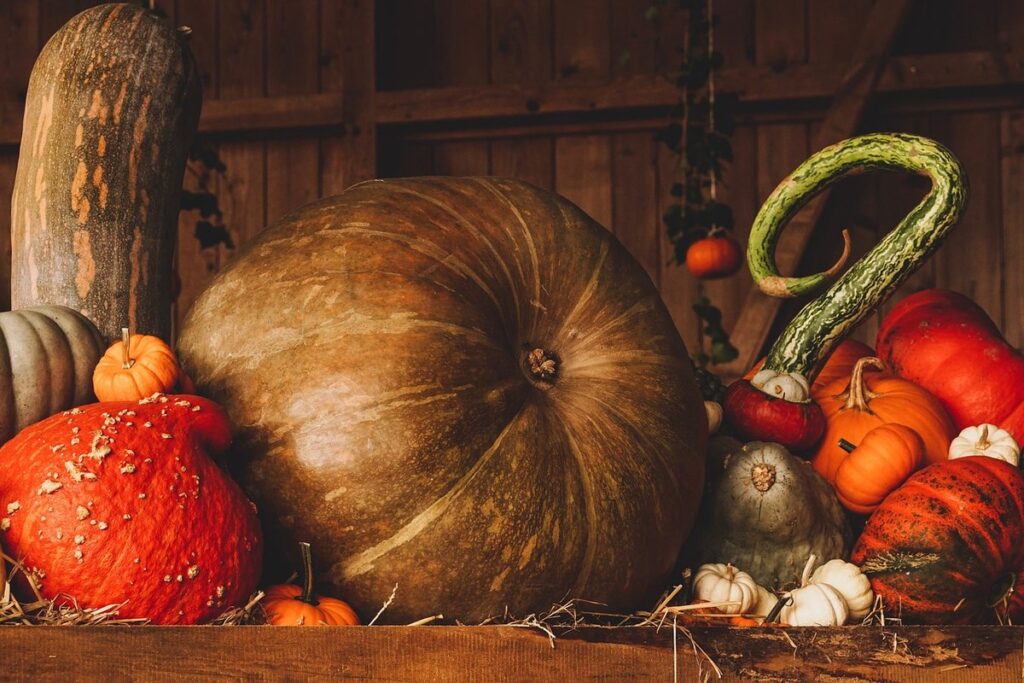
Warty goblin hybrid pumpkins are known for their unique appearance, which sets them apart from other pumpkin varieties. One of the most distinctive characteristics is their irregular shape, often featuring warts and bumps on the skin. This makes each one truly one-of-a-kind and perfect for adding a touch of personality to your fall decor.
In terms of size, warty goblin hybrids tend to be smaller than some other pumpkin varieties, typically ranging from 5-15 pounds. However, this compact size doesn’t compromise their beauty or usability. In fact, their small size makes them ideal for decorating tabletops, mantles, and porches.
When it comes to cooking and baking, warty goblin hybrids can be used in a variety of ways. Their sweet, nutty flavor pairs well with spices like cinnamon and nutmeg, making them perfect for pies, breads, and soups. Simply cut off the stem, scoop out the seeds, and bake or boil as desired. For decoration, try painting or gluing on some creative embellishments to make your warty goblin hybrid truly stand out.
History and Origins of Warty Goblin Hybrids
Warty Goblin Hybrids have a rich history that dates back to the early 20th century when pumpkin breeders began experimenting with various cultivars. One of the primary objectives was to create pumpkins with unique characteristics, such as warts or blemishes, which would set them apart from other varieties.
The specific breeding program responsible for the development of Warty Goblin Hybrids is often credited to the efforts of farmers in the Midwest United States. By carefully selecting and cross-breeding various pumpkin strains, these growers aimed to create a variety that was both visually striking and commercially viable. The resulting pumpkins boasted an array of warts, bumps, and other irregularities that not only made them visually appealing but also added an element of unpredictability.
Through targeted breeding and selection, Warty Goblin Hybrids have become increasingly popular among gardeners and farmers due to their distinct appearance and impressive yields.
Growing Warty Goblin Hybrid Pumpkins
Growing warty goblin hybrid pumpkins requires careful attention to soil, sunlight, and watering conditions. Learn how to create the perfect environment for these unique and fascinating vegetables.
Choosing the Right Soil and Climate
When it comes to growing warty goblin hybrid pumpkins, selecting the right soil and climate conditions is crucial for a bountiful harvest. Warty goblins are native to well-drained soils with a pH range of 6.0-7.0, making it essential to test your soil before planting.
To improve soil fertility, consider adding organic matter like compost or manure to raise the nutrient levels and structure of the soil. Aim for at least 4-5 inches of compost or well-rotted manure incorporated into the top 6-8 inches of soil. This will also help with moisture retention, reducing the need for frequent watering.
In terms of climate conditions, warty goblins thrive in full sun (at least 6 hours of direct sunlight) and moderate temperatures between 65°F to 85°F (18°C to 30°C). Avoid planting in areas prone to frost or extreme heatwaves. Make sure your garden receives adequate air circulation to prevent fungal diseases.
Remember, the ideal climate for warty goblins is similar to their native habitat, making it crucial to replicate these conditions for a successful harvest.
Planting and Nurturing Warty Goblin Hybrids
When planting warty goblin hybrid pumpkin seeds, it’s essential to create an optimal environment for them to thrive. Start by selecting a spot with full sun and well-draining soil that has a pH between 5.5 and 6.5. Plant the seeds about 1 inch deep and 4-5 feet apart in rows that are 8-10 feet apart.
As the seedlings grow, maintain consistent moisture levels by providing about 1-2 inches of water per week. Avoid overwatering, which can lead to fungal diseases that can be detrimental to your pumpkin plants. Mulch around the base of the plants to retain moisture and suppress weeds.
Pruning is crucial for promoting healthy growth and encouraging fruit production. Remove any weak or spindly vines and train the remaining ones onto a trellis or other support system. This will also help prevent fungal diseases from taking hold.
Pest and Disease Management for Warty Goblin Hybrid Pumpkins
To keep your warty goblin hybrid pumpkin crop thriving, you’ll want to be on the lookout for common pests and diseases that can affect these unique varieties. Regular monitoring and proactive management will help prevent damage.
Common Pests Affecting Warty Goblin Hybrids
When growing warty goblin hybrid pumpkins, you’ll inevitably encounter common pests that can damage your crop. Among these, aphids and squash bugs are two of the most notorious culprits. Aphids, small soft-bodied insects, feed on plant sap, causing curled or distorted leaves, stunted growth, and reduced fruit production.
Squash bugs, on the other hand, secrete a toxic substance that weakens the plant’s immune system, making it more susceptible to disease. These pests are often found in clusters around the base of the stem, where they feed on plant sap. Powdery mildew is another common issue affecting warty goblin hybrid pumpkins, characterized by a white powdery coating on leaves and stems.
To manage these pests effectively, adopt an integrated pest management (IPM) approach that combines cultural, physical, and biological controls. For example, keep your garden clean, removing weeds that can harbor pests. Use fine mesh or row covers to prevent aphids from reaching your plants. Encourage natural predators like ladybugs and lacewings by planting companion flowers nearby. Regularly inspect your plants for signs of infestation, and take action promptly to prevent damage.
Strategies for Preventing and Treating Diseases in Warty Goblin Hybrids
As a warty goblin hybrid pumpkin grower, preventing and treating diseases is crucial to ensure a bountiful harvest. Warty goblin hybrids are prone to fungal diseases such as powdery mildew and fusarium wilt, which can spread quickly if not addressed promptly.
To prevent these diseases, implement crop rotation techniques by switching your warty goblin hybrid pumpkin patch every 2-3 years to break the disease cycle. This simple yet effective method helps reduce soil-borne pathogens, giving your plants a healthier start. Consider rotating with non-susceptible crops like corn or beans to minimize the risk of fungal diseases.
Organic alternatives to fungicides include using neem oil and baking soda sprays, which have shown promising results in managing powdery mildew. For more severe infestations, conventional fungicides can be used as a last resort. However, be sure to follow label instructions carefully and take necessary precautions to minimize environmental impact.
In addition to these measures, ensure your warty goblin hybrid plants receive adequate air circulation and maintain a healthy balance of nutrients through balanced fertilization. By implementing these strategies, you’ll significantly reduce the risk of disease and enjoy a thriving crop.
Harvesting and Storing Warty Goblin Hybrid Pumpkins
Now that your Warty Goblin Hybrid pumpkins are ripe, it’s time to learn how to carefully harvest and store them to maintain their flavor and longevity. Proper handling will keep them fresh for months to come.
When to Harvest Warty Goblin Hybrids
When it comes to harvesting warty goblin hybrid pumpkins, timing is everything. You’ll want to catch them at just the right moment, when they’re ripe and ready for use. So, how do you know when that is?
First, take a look at the color of your pumpkin. Warty goblins typically turn from a pale yellowish-green to a deep orange as they ripen. If the skin is still green or has white stripes, it’s not yet mature. On the other hand, if the entire surface has turned bright orange, it’s likely ready for harvest.
Next, check the size of your pumpkin. Warty goblins are generally smaller than other varieties, but a good rule of thumb is to wait until they’ve reached their full size. This can take anywhere from 90 to 120 days after sowing, depending on weather conditions and soil quality.
Finally, inspect the stem. A mature warty goblin pumpkin will have a dry, brittle stem that’s easy to snap off. If the stem is green or soft, it’s still too early to harvest. By considering these factors – color, size, and stem dryness – you should be able to determine when your warty goblin hybrid pumpkins are ready for harvesting.
Tips for Long-Term Storage of Warty Goblin Hybrids
When it comes to storing warty goblin hybrid pumpkins for extended periods, proper care is essential to maintain their quality and viability. The key to successful long-term storage lies in controlling the environment and handling the pumpkins with care.
First, ensure that the storage area has a consistent temperature between 50°F and 60°F (10°C and 15°C). Avoid storing near heating vents or drafty areas, as this can cause moisture fluctuations. Maintain a relative humidity of 50-70% to prevent drying out or mold growth.
Handle warty goblin hybrid pumpkins with care to avoid bruising or damaging the skin. Gently clean them with a soft brush and dry them completely before storing in paper bags or breathable containers. Avoid storing near strong-smelling items, as the pumpkins can absorb odors easily.
Regularly inspect stored pumpkins for signs of spoilage or rot, and remove any affected areas to prevent further decay. By following these guidelines, you can enjoy your warty goblin hybrid pumpkins throughout the year.
Recipes and Uses for Warty Goblin Hybrid Pumpkins
Get creative with your warty goblin hybrid pumpkin harvest by trying out these delicious recipes and unique uses, from soups to decorations!
Traditional Cooking Methods for Warty Goblin Hybrids
When it comes to cooking with warty goblin hybrid pumpkins, there’s something special about using traditional methods that bring out their unique flavor and texture. For a truly authentic experience, try slow-roasting a warty goblin hybrid pumpkin over an open flame, just as our ancestors did.
To begin, preheat your fire pit or outdoor oven to 350°F (175°C). Next, carefully cut the pumpkin in half lengthwise and scoop out the seeds. Rub the flesh with a mixture of olive oil, salt, and pepper, then place the halves on a baking sheet lined with parchment paper.
Roast for about an hour, or until the skin is tender and caramelized, flipping the pumpkin occasionally to ensure even cooking. This traditional method allows the natural sweetness of the warty goblin hybrid pumpkin to shine through, making it a perfect addition to autumnal feasts.
Some other classic recipes that showcase the unique flavor of warty goblin hybrid pumpkins include: slow-cooking the flesh in stews and soups; pureeing it into a delicious pie filling; or using it as a topping for savory dishes like stews or casseroles. Experiment with different traditional methods to find your favorite way to enjoy this special ingredient.
Innovative Ways to Use Warty Goblin Hybrids in Modern Cuisine
One of the most exciting aspects of working with warty goblin hybrid pumpkins is their versatility in modern cuisine. From soups and stews to baked goods and decorative arrangements, these unique vegetables offer a world of creative possibilities.
Incorporating warty goblin hybrids into your cooking can add depth and texture to a variety of dishes. For example, you can puree the roasted flesh into a creamy soup or use it as a base for a hearty stew. Simply sauté the cubed pumpkin with onions and garlic, then simmer in your favorite broth.
You can also use warty goblin hybrids in sweet treats like pies, cakes, and breads. The seeds add a delightful crunch to muffin tops, while the flesh makes a delicious filling for cupcakes. To take your baked goods to the next level, try infusing them with warty goblin hybrid puree or using the seeds as a topping.
For a decorative touch, arrange slices of roasted warty goblin hybrids on a platter or use the seeds as a garnish for salads and soups. You can also dry and grind the seeds to make a nutritious flour for baking gluten-free treats. With a little creativity, the possibilities are endless!
Conclusion: The Benefits of Growing Warty Goblin Hybrid Pumpkins
Now that you’ve learned how to cultivate and care for your warty goblin hybrid pumpkins, let’s explore the many benefits they bring to your garden.
Recap of Key Takeaways
Growing warty goblin hybrid pumpkins has been an incredible journey for many gardeners and pumpkin enthusiasts. Throughout this comprehensive guide, we’ve explored the ins and outs of cultivating these unique and fascinating pumpkins.
We began by discussing the history and origins of warty goblin hybrid pumpkins, understanding their unique characteristics, and why they’re so sought after among growers. We also delved into the process of preparing the soil for optimal growth, including how to select the right location, pH levels, and nutrient requirements.
As we progressed through the guide, we covered the essential steps involved in planting and nurturing warty goblin hybrid pumpkins. This included tips on sowing seeds at the right depth, spacing them correctly, and providing adequate support as they grew. We also discussed common pests and diseases to watch out for and offered advice on how to prevent or treat them.
One of the main benefits of growing warty goblin hybrid pumpkins is their unique appearance and versatility in cooking and decorative arrangements. These pumpkins are not only visually stunning but can be used in a variety of recipes, from savory pies to sweet baked goods. Additionally, they make an attractive centerpiece for fall decorations.
To recap, the key takeaways from this guide include:
* Selecting well-suited soil conditions for optimal growth
* Planting seeds at the correct depth and spacing them correctly
* Providing adequate support as the plants grow
* Being aware of common pests and diseases to watch out for
* Utilizing these unique pumpkins in cooking, decorating, or sharing with friends and family
By following the advice outlined in this guide, you’ll be well on your way to growing a thriving crop of warty goblin hybrid pumpkins. Don’t be afraid to experiment and try new things – it’s all part of the fun!
Frequently Asked Questions
Can I grow Warty Goblin Hybrid Pumpkins in containers or must they be grown in the ground?
You can grow Warty Goblin Hybrid pumpkins in large containers, but keep in mind that their unique shape and size may require extra support to prevent them from toppling over. Make sure your container is at least 12-18 inches deep and has good drainage holes to accommodate their extensive root system.
How long do Warty Goblin Hybrids take to mature?
Warty Goblin Hybrid pumpkins typically take around 100-120 days to mature after sowing seeds, depending on weather conditions and the specific variety you’re growing. Be sure to keep track of the growth stages and plan accordingly for harvest time.
Can I use Warty Goblin Hybrid Pumpkins for other purposes beyond decoration?
Absolutely! While they make beautiful additions to your fall decor, warty goblin hybrid pumpkins are also edible and can be used in a variety of recipes, from soups and pies to roasted side dishes. Get creative with their unique flavor and texture!
Are Warty Goblin Hybrid Pumpkins more susceptible to pests or diseases than other pumpkin varieties?
While Warty Goblin Hybrids have some natural resistance to certain pests and diseases, they are not immune. Regularly inspect your plants for signs of infestation or infection, and take preventative measures such as crop rotation and using organic pest control methods.
How do I store Warty Goblin Hybrid Pumpkins long-term to preserve their freshness?
For long-term storage, choose pumpkins with hard rinds and keep them in a cool, dry place. Avoid storing them near potatoes, as they give off ethylene gas that can cause the pumpkin to spoil faster. Check on your stored pumpkins regularly to ensure they remain fresh for cooking or decoration.