
If you’re looking to add a pop of vibrant color to your garden, look no further than the stunning red violet bearded iris. This beautiful perennial is not only a feast for the eyes but also relatively low-maintenance, making it perfect for gardeners of all skill levels. With its delicate, ruffled petals and striking red-violet hue, the red violet bearded iris is sure to be a showstopper in your garden. But growing this stunning flower isn’t just about aesthetics – it’s also about providing expert care and attention to ensure it thrives. In this article, we’ll dive into the ins and outs of planting, watering, propagating, and disease management for the red violet bearded iris, giving you all the expert tips you need to get started on growing this gorgeous flower.
Introduction to the Red Violet Bearded Iris
If you’re new to bearded irises, or simply want to learn more about these stunning flowers, start with the basics: what they are and where they come from.
What is the Red Violet Bearded Iris?
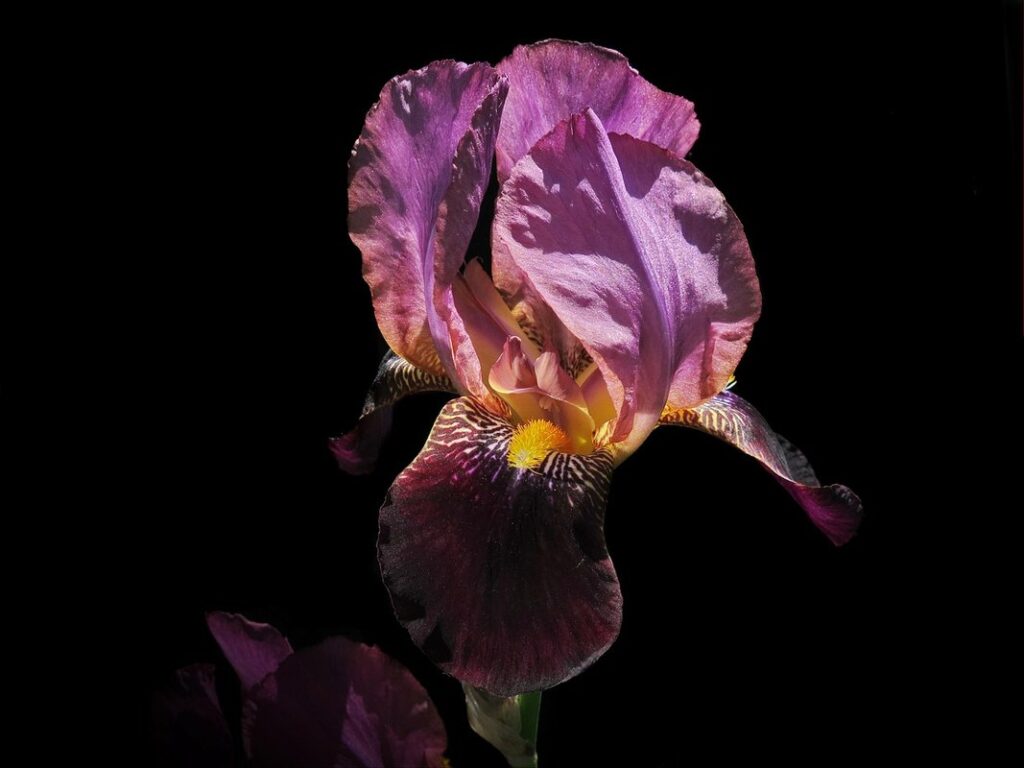
The red violet bearded iris is a stunning addition to any garden, boasting unique characteristics that set it apart from other irises. As a member of the iris plant family, scientifically known as Iris germanica, this beautiful perennial exhibits an array of exceptional features. Its botanical name, Iris germanica, hints at its origins in Europe and Asia, where many iris species are found.
One of the most striking aspects of the red violet bearded iris is its vibrant color palette. The flowers feature delicate, ruffled petals that range from deep purple to reddish-violet hues, often with subtle white or yellow markings. These show-stopping blooms are typically 3-4 inches in diameter and emit a sweet fragrance that attracts pollinators and adds to the plant’s allure.
The red violet bearded iris is characterized by its narrow, sword-shaped leaves, which grow upright from the base of the plant. Its growth habit is moderate, with mature plants reaching around 2-3 feet tall and wide. This compact size makes it an ideal choice for smaller gardens or containers.
History and Origin of the Red Violet Bearded Iris
The history of bearded irises dates back thousands of years to ancient civilizations in the Middle East. These hardy perennials were first cultivated by the Sumerians, Babylonians, and Assyrians for their vibrant blooms and medicinal properties. The name “iris” is derived from the Greek word for rainbow, reflecting the plant’s stunning array of colors.
As trade routes expanded, bearded irises made their way to Europe through the Mediterranean region. Monasteries in Italy and Spain became centers for iris cultivation, where monks carefully bred and selected new varieties. The 19th century saw a surge in popularity for bearded irises, with many new hybrids emerging from the Netherlands.
Among these early hybrids was the red violet bearded iris. Its exact origin is unclear, but it’s believed to have resulted from cross-breeding efforts between European growers. Today, the red violet bearded iris is prized for its striking appearance and versatility in garden design. With proper care, this resilient plant can thrive in a range of environments, making it an attractive choice for both novice and experienced gardeners.
Growing the Red Violet Bearded Iris: Tips and Tricks
Growing your own red violet bearded iris can be a rewarding experience, but it requires some special care to bring out its vibrant colors and robust blooms. To get started, learn our expert tips on proper planting, maintenance, and pruning techniques.
Choosing the Right Location for Your Red Violet Bearded Iris
When choosing a location for your red violet bearded iris, it’s essential to consider three critical factors: sunlight requirements, soil conditions, and companion planting. These elements will not only ensure optimal growth but also enhance the overall beauty of this stunning flower.
In terms of sunlight, the red violet bearded iris prefers full sun to partial shade. Aim for at least 6 hours of direct sunlight per day, as this will encourage healthy blooming and prevent scorching. If your garden receives intense afternoon sun, consider providing some dappled shade to protect the delicate petals.
For soil conditions, select a location with well-draining, fertile soil that’s rich in organic matter. Avoid areas with standing water or where water tends to collect, as this can lead to root rot and other issues. A slightly acidic pH between 6.0 and 7.0 is ideal for bearded irises.
When it comes to companion planting, red violet bearded irises pair well with low-growing, spreading plants like creeping thyme or sedum. These plants help suppress weeds, retain moisture, and add a contrasting texture to the garden bed.
Planting and Spacing the Red Violet Bearded Iris
When it’s time to replant your Red Violet Bearded Iris rhizomes, it’s essential to do so correctly to ensure healthy growth and minimize the risk of disease. Start by digging up a mature clump, taking care not to damage the delicate roots. Gently separate the individual rhizomes, using a garden fork or knife to gently pry them apart.
Once you’ve separated the rhizomes, choose a location with well-draining soil and full sun to partial shade. Plant the rhizomes 3-4 inches deep, making sure the base of the plant is above the soil level. Space them about 12-18 inches apart, depending on the desired density of your garden bed.
It’s also a good idea to stagger the planting of your Red Violet Bearded Iris rhizomes to create a natural-looking display of color. This will also help prevent overcrowding and promote healthy air circulation, reducing the risk of disease. Water thoroughly after replanting and keep the soil consistently moist during the first growing season. With proper care, your newly planted irises should bloom beautifully in just a few seasons.
Care and Maintenance of the Red Violet Bearded Iris
To keep your red violet bearded iris thriving, it’s essential to follow a regular care routine that includes deadheading, watering, and fertilizing. By doing so, you’ll ensure its vibrant beauty continues throughout the growing season.
Watering and Fertilizing the Red Violet Bearded Iris
Watering and fertilizing are crucial aspects of maintaining the Red Violet Bearded Iris. When it comes to watering, it’s essential to strike a balance between keeping the soil moist and avoiding overwatering. A general rule of thumb is to water every 3-4 days during the growing season (spring-fall) when the top inch of soil feels dry. However, this may vary depending on your climate and soil type.
To avoid overwatering, ensure good drainage by planting in well-draining soil or raising the bed slightly. Be cautious not to get water on the rhizomes, as this can lead to rot. When fertilizing, use a balanced, slow-release fertilizer during the growing season (spring-fall). A 10-10-10 NPK ratio is ideal for bearded irises.
Underfertilization can result in weak and spindly growth, while overfertilization can cause leaf growth at the expense of blooms. To avoid this, fertilize lightly and only during the growing season. For example, you can fertilize every 4-6 weeks with a balanced fertilizer. Monitor your plants’ response to fertilization, adjusting as needed.
Some common issues include:
• Overwatering: rhizomes may rot, and the plant may become vulnerable to diseases.
• Underfertilization: weak growth, reduced blooms.
To minimize these risks, keep an eye on your plant’s needs and adjust your watering and fertilizing schedule accordingly.
Pest and Disease Management for the Red Violet Bearded Iris
Pests such as aphids and slugs can cause significant damage to the Red Violet Bearded Iris. Aphids are typically found on the leaves and flowers, while slugs tend to target the foliage and stems. To prevent infestations, keep your garden clean by removing weeds that may attract pests, and consider using physical barriers or organic repellents.
Diseases such as powdery mildew and root rot can also affect this variety of iris. Powdery mildew is characterized by a white, powdery coating on the leaves and flowers, while root rot results in soft, mushy stems and roots. To prevent these diseases, make sure to provide good air circulation around your plants, avoid overwatering, and remove any infected areas.
In the event of an infestation or infection, treat affected areas with a fungicide specifically designed for iris, and consider repotting the plant in fresh soil to promote healthy growth. Regularly inspect your plants for signs of pests or diseases, and take action promptly to prevent further damage.
Propagation and Division of the Red Violet Bearded Iris
To successfully propagate and divide your red violet bearded iris, you’ll need to understand its specific requirements for growth and multiplication. This process can be done through division or seed propagation.
Methods for Dividing the Red Violet Bearded Iris
Dividing the rhizomes of your red violet bearded iris is an essential part of maintaining their health and promoting new growth. The best time to divide these rhizomes depends on your location and climate, but it’s generally recommended to do so during the fall or early spring.
In areas with mild winters, you can divide the rhizomes in the fall, about 6-8 weeks before the first frost. This allows the new divisions to establish themselves before winter sets in. In colder climates, it’s best to wait until the soil has warmed up in early spring, around late March or early April.
When dividing the rhizomes, make sure each section has at least one “eye” or growth point. These eyes will produce new growth and flowers, so be careful not to damage them during the division process. Use a sharp, sterile knife or tool to cut through the rhizome, and gently tease apart any tangled roots.
By dividing your red violet bearded iris regularly, you’ll encourage healthy growth and prevent overcrowding in your garden. This simple technique will also give you more plants to share with friends or transplant elsewhere in your yard.
Propagation through Seed or Rhizome Cuttings
Propagating the red violet bearded iris through seed can be a rewarding experience for gardeners. To start, collect fresh seeds from the ripe pods that form after blooming. These seeds have a high germination rate and produce healthy offspring with minimal genetic variation.
Sow the seeds in a well-draining seed starting mix, about ¼ inch deep, in late winter or early spring. Keep the soil consistently moist but not waterlogged, as this can lead to rot. Provide adequate light, around 12-14 hours of indirect sunlight, and maintain a temperature between 65°F to 75°F (18°C to 24°C).
For rhizome cuttings, wait until the plant has finished blooming and the foliage has died back naturally. Cut sections of the rhizome with at least one “eye” or bud on each section. Remove lower leaves, leaving only a few at the top to prevent rot.
Dip the cut ends in a rooting hormone powder or liquid, and plant them 1-2 inches deep in well-draining soil. Water thoroughly, keeping the soil consistently moist during the first growing season. Provide indirect sunlight and maintain temperatures above 50°F (10°C).
The Red Violet Bearded Iris in Garden Design
When it comes to incorporating stunning bearded irises into your garden design, consider pairing red violet varieties with complementary blooms to create a breathtaking display. Let’s explore some ideas for showcasing this beauty in your outdoor space.
Using the Red Violet Bearded Iris as a Focal Point
When using the red violet bearded iris as a focal point, consider its vibrant purple hue and elegant shape to create visual interest in the garden. This variety’s tall stature, typically between 24-36 inches, makes it an excellent choice for adding height and drama to a bed or border.
To incorporate the red violet bearded iris effectively, balance its bold color with neutral elements such as green foliage or earthy-toned stones. For example, pair the iris with plants featuring softer pastel shades like pale pink or baby blue to create a whimsical contrast.
Alternatively, use the red violet bearded iris as a statement piece by surrounding it with a ring of complementary colors. For instance, place yellow or golden-hued flowers around the perimeter of the bed to draw attention to the central focal point. By doing so, you’ll create an eye-catching display that showcases the beauty and uniqueness of this striking variety.
To take your design to the next level, experiment with different textures by combining smooth irises with ornamental grasses or foliage plants featuring coarse, fuzzy leaves. This mix-and-match approach will not only add depth but also create a captivating visual experience for garden visitors.
Combining with Other Plants to Create a Beautiful Display
When it comes to showcasing the stunning red violet bearded iris in your garden design, combining it with other plants can add depth and visual interest. The key is to balance its vibrant colors and unique shape with complementary flowers, shrubs, or trees that harmonize without overpowering the iris.
Consider pairing the red violet bearded iris with soft pastel shades like pale pink peonies or delicate lavender roses. These gentle hues will create a soothing contrast and prevent the bold color of the iris from overwhelming the space. For example, plant them alongside a patch of dainty forget-me-nots to add a whimsical touch.
Alternatively, combine the red violet bearded iris with taller plants like hydrangeas or dogwoods to create a striking vertical element in your garden design. This will draw the eye upwards and create a sense of drama. You can also incorporate ornamental grasses like pampas grass or fountain grass for added texture and movement.
Remember, the key to successful pairing is balance. Experiment with different combinations and observe how they work together in your garden.
Conclusion and Further Resources
Now that you’ve learned all about the red violet bearded iris, we’ll wrap up with some final thoughts and point you in the direction of further resources for continued learning.
Recap of Key Takeaways from This Guide
To ensure you successfully grow and care for your red violet bearded iris, remember these key takeaways from our comprehensive guide.
This bulbous perennial prefers well-drained soil and full sun to partial shade. When planting, make sure the rhizome is exposed and facing upwards. Water thoroughly after planting and during its first growing season.
As we discussed, dividing your red violet bearded iris every 3-4 years will maintain its vigor and prevent overcrowding. To do this, carefully dig up the entire clump in late summer or early fall, and separate the rhizomes with a fork.
When it comes to fertilization, use a balanced fertilizer in the spring when new growth begins. You can also add a layer of compost on top of the soil to provide additional nutrients.
Make sure to deadhead your red violet bearded iris after blooming to encourage repeat flowering and prevent seed production. Regularly inspect your plant for signs of pests or diseases, taking action promptly if you notice any issues.
By following these essential guidelines, you’ll be well on your way to growing a thriving and beautiful red violet bearded iris in your garden.
Additional Resources for Further Learning
If you’ve fallen in love with the Red Violet Bearded Iris and want to learn more about cultivating these stunning flowers, there are numerous resources available for further learning. For those interested in delving deeper into iris care and garden design, here are some recommended books that offer valuable insights:
* “The Complete Book of Irises” by William J. Carroll provides an exhaustive guide to growing irises, including tips on propagation, pruning, and pest management.
* “The Iris Lover’s Guide” by Anna Turcinovic offers expert advice on selecting the perfect iris variety for your garden and shares stunning examples of iris arrangements.
In addition to these books, there are several online forums where you can connect with fellow iris enthusiasts. The American Iris Society (AIS) website is a treasure trove of information on growing irises, with articles on topics such as soil preparation, irrigation, and fertilization.
Frequently Asked Questions
Can I grow red violet bearded irises in containers?
Yes, you can definitely grow these beautiful flowers in containers! Just make sure to choose a container that is at least 6-8 inches deep and has good drainage holes to prevent waterlogged soil. Use a well-draining potting mix specifically designed for bulbs or perennials, and follow the same care instructions as described in this article.
How often should I divide my red violet bearded irises?
It’s recommended to divide your red violet bearded irises every 3-4 years to maintain their health and vigor. This will also help prevent overcrowding and encourage new growth. When dividing, make sure to separate the rhizomes carefully and replant them in a location with good air circulation.
What are some common pests that target red violet bearded irises?
Red violet bearded irises can be susceptible to aphids, slugs, and snails. Regularly inspect your plants for signs of infestation, such as curled or distorted leaves, sticky honeydew droplets, or holes in the foliage. Use organic pest control methods whenever possible, like neem oil or diatomaceous earth, to minimize harm to beneficial insects.
Can I propagate red violet bearded irises through seed?
While it’s technically possible to propagate red violet bearded irises through seed, it’s not the most reliable method for several reasons. Iris seeds can be slow to germinate and may not retain the same characteristics as the parent plant. Instead, focus on dividing established rhizomes or using division to create new plants.
How do I protect my red violet bearded irises from extreme weather conditions?
To protect your red violet bearded irises from extreme weather conditions like frost, heatwaves, or heavy rainfall, mulch around the base of the plants and provide some shade during intense sunlight periods. You can also use row covers to shield the plants from wind and frost damage.