
If you’re like many gardeners, you’ve fallen in love with the vibrant blooms of garden mums. These beautiful plants bring warmth and color to your fall gardens, but their fleeting nature can leave you wondering how to extend their blooming season. The good news is that saving garden mums is easier than you think! With a few simple tips and tricks, you can prolong their beauty and keep them thriving year-round. In this article, we’ll share expert care tips on how to save garden mums, including ways to promote re-blooming, prevent winter damage, and keep them looking their best all season long. Whether you’re a seasoned gardener or just starting out, these practical tips will help you enjoy the stunning blooms of garden mums for months to come.
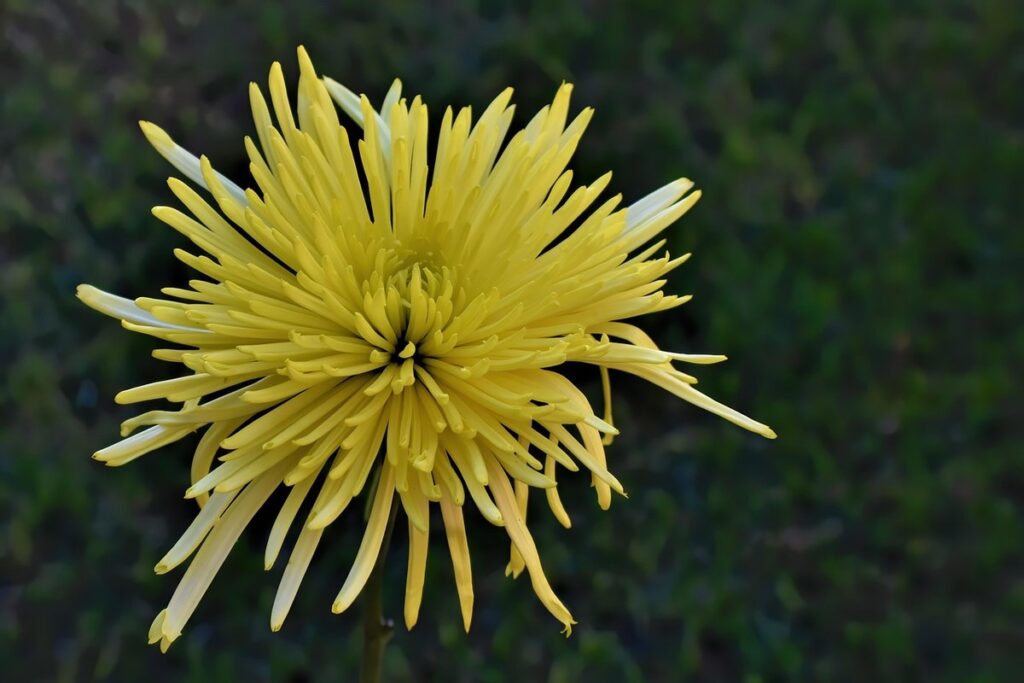
Understanding Garden Mum Care
To truly save your garden mums, you need to understand their specific needs and how to provide them with the right conditions for a long-lasting display. Let’s dive into the essential care requirements.
What Are Garden Mums?
Garden mums are one of the most popular and versatile perennials used in fall gardens. They’re a favorite among gardeners due to their vibrant colors, long blooming periods, and ease of care. In fact, according to a survey by the National Gardening Association, over 60% of gardeners include chrysanthemum-based plants, such as garden mums, in their fall displays.
These hardy flowers are perfect for adding a pop of color to your yard during the cooler months when many other plants have finished blooming. Garden mums come in a wide range of varieties, including dwarf compact types that grow just 12-18 inches tall and larger types that can reach up to 4 feet tall.
What sets garden mums apart is their ability to thrive in a variety of conditions, from full sun to partial shade and well-draining soil to fertile loam. This adaptability makes them an ideal choice for gardeners who want to add some curb appeal to their homes without breaking the bank or committing to high-maintenance plants.
Their low upkeep requirements make them perfect for busy homeowners who still want a beautiful display of flowers in the fall. By incorporating garden mums into your landscape design, you can create a stunning and long-lasting display that will attract attention from friends and neighbors alike.
Types of Garden Mums
When it comes to choosing garden mums for your display, you’ll come across several types that can thrive in different conditions. One of the most popular varieties is the Florist’s Mum, known for its compact growth and abundance of blooms. These flowers are perfect for containers or small spaces, as they produce a plethora of smaller, more delicate blooms.
On the other hand, Hardy Mums, also known as Chrysanthemum hardy garden mums, can withstand frost and harsh winters, making them ideal for cooler climates. They tend to grow taller than Florist’s Mums and produce larger flowers in shades of pink, yellow, orange, and red.
Another popular variety is the Japanese Mum, characterized by its large, showy blooms and ability to thrive in partial shade. These mums are perfect for adding a pop of color to shaded areas of your garden. When selecting garden mums, consider the specific growing conditions of your area and choose a type that will flourish there.
In addition, be sure to choose varieties that are compact or dwarf, as these tend to perform better in containers and smaller spaces. By understanding the different types of garden mums and their characteristics, you can make informed decisions when selecting plants for your display.
Planting and Care for Healthy Growth
To get the most out of your garden mums, you’ll want to focus on giving them a strong foundation through proper planting and care techniques. This ensures healthy growth from season to season.
Choosing the Right Location
When it comes to planting garden mums, choosing the right location is crucial for their survival and growth. This is because garden mums have specific requirements when it comes to sunlight, soil type, and drainage.
For optimal growth, garden mums need at least 4-6 hours of direct sunlight per day. If your garden receives less sunlight, consider selecting a variety that is more tolerant of shade. Be mindful of the time of year as well – in warmer climates, afternoon sun can be too intense for garden mums, while in cooler climates, they may benefit from some morning sun.
In terms of soil type, garden mums prefer well-draining, fertile soil with a pH between 6.0 and 7.0. If your soil is heavy clay or sandy, consider adding organic matter like compost to improve its structure and fertility. Adequate drainage is also essential – if your area tends to waterlog, consider raising the bed or using a raised planter.
When selecting a location for your garden mums, observe your yard’s natural conditions and choose a spot that receives at least 4-6 hours of direct sunlight per day. Also, ensure the soil drains well and is fertile enough to support healthy growth.
Soil Preparation and pH Balance
When planting garden mums, it’s crucial to create an environment that supports healthy root growth. This starts with well-draining soil, as waterlogged conditions can lead to root rot and kill the plant quickly. Test your soil pH level to ensure it falls within the optimal range for mums – between acidic (5.5-6.0) and neutral (7.0). If your soil is too alkaline or acidic, adjust it by adding organic matter like compost or peat moss.
A balanced soil pH will help your mum roots absorb essential nutrients more efficiently. This, in turn, promotes strong growth, preventing common issues like yellowing leaves or stunted stems. To achieve optimal drainage and prevent waterlogged conditions, consider mixing perlite or sand into the soil when planting. Aerate the soil regularly by gently digging around the plants to improve oxygen flow. By prioritizing well-draining soil and maintaining an ideal pH balance, you’ll lay a solid foundation for your garden mums’ long-term health and resilience.
Watering and Fertilization Strategies
To keep your garden mums thriving, proper watering and fertilization are crucial. In this next section, we’ll dive into the best strategies for giving them exactly what they need to stay healthy all season long.
Proper Watering Techniques
When it comes to saving garden mums, proper watering techniques are crucial. This is particularly true during different weather conditions such as droughts and heavy rainfall.
During hot and dry spells, it’s essential to water your garden mums deeply but infrequently. This encourages deep root growth, making them more resistant to water stress. Aim to provide about 1-2 inches of water per week, either through rain or irrigation. You can also consider mulching around the plants to retain moisture in the soil.
On the other hand, if you’re experiencing heavy rainfall, it’s tempting to skip watering altogether. However, this can lead to overwatering and root rot. Instead, ensure that excess water drains away from the base of the plants, and avoid standing water near the crown or stem.
In general, aim to water your garden mums when the top 2-3 inches of soil feels dry to the touch. Avoid frequent shallow watering, as this can lead to weak and scrawny growth. By following these guidelines, you’ll be able to provide your garden mums with the right amount of moisture, regardless of the weather conditions.
Fertilizer Types and Timing
When it comes to fertilizing your garden mums, you have two main options: organic and synthetic fertilizers. Organic fertilizers are made from natural ingredients such as fish emulsion, bone meal, and compost. They release nutrients slowly into the soil, promoting healthy plant growth without burning the roots.
Synthetic fertilizers, on the other hand, contain chemical compounds that provide a quick boost of nutrients to your plants. However, they can also burn the roots if applied too heavily or at the wrong time. For garden mums, organic fertilizers are generally a better choice as they promote healthy root development and encourage blooming.
Timing is crucial when it comes to applying fertilizer to your garden mums. Feed them during the active growth period in spring and summer, but avoid fertilizing during the dormant winter months. A balanced fertilizer with equal amounts of nitrogen, phosphorus, and potassium (NPK) will provide all the necessary nutrients for healthy growth and blooming.
Common Problems and Solutions
As you enjoy your vibrant garden mums, common issues can arise that threaten their beauty. Let’s tackle some of the most frequent problems and explore simple solutions to keep them thriving.
Pests and Diseases
Garden mums are susceptible to various pests and diseases that can weaken their stems and reduce their vibrant blooms. Two common issues affecting these plants are aphids and powdery mildew.
Aphids are small, soft-bodied insects that feed on the sap of garden mums, causing curled or distorted leaves. To prevent infestations, inspect your plants regularly for signs of aphids, such as sticky honeydew droplets or ants crawling on the stems. If you notice any issues, treat your mums with neem oil or insecticidal soap to control the population.
Powdery mildew is a fungal disease that creates a white, powdery coating on leaves and stems. This can be caused by high humidity, poor air circulation, or excess moisture around the plants. To prevent powdery mildew, make sure to provide adequate space between each mum plant for good air circulation and avoid watering in the evening when water may sit on the leaves overnight.
Keep your garden mums healthy by monitoring their surroundings and taking action at the first sign of pests or diseases. Regularly inspecting your plants will allow you to catch any issues early, reducing the risk of damage and promoting a long-lasting display of vibrant blooms.
Wilting or Dying Plants
Wilting or dying plants can be a heart-wrenching sight, especially when they’re part of a beautiful display like garden mums. There are several possible causes for this issue, and it’s essential to identify the root problem (literally!) to save your plants.
Underwatering is a common mistake that can cause even the hardiest plants to wilt. When the soil lacks moisture, plants can’t absorb the necessary nutrients, leading to droopy leaves and stems. On the other hand, overwatering can also be detrimental. Too much water can drown the roots, causing root rot, which is often fatal for garden mums.
Signs of root rot include soft, mushy stems, yellowing leaves, and a foul odor emanating from the soil. To avoid this, make sure to check the soil moisture regularly and adjust your watering schedule accordingly. A general rule of thumb is to water your plants when the top 1-2 inches of soil feel dry to the touch.
If you suspect underwatering or overwatering as the cause, inspect the roots by gently removing the plant from its pot. If the roots are soggy or soft, it’s likely due to root rot. In this case, trim affected areas with sterile pruning tools and repot your mum in fresh, well-draining soil.
Tips for Extending the Blooming Season
To get the most out of your garden mums, learn how to extend their blooming season with simple techniques that’ll keep them looking fresh and vibrant all year round.
Encouraging Second Bloom
Encouraging Second Bloom is one of the most exciting aspects of gardening. By promoting a second blooming season in garden mums, you can enjoy their vibrant colors and beauty for an extended period. To achieve this, pruning techniques play a vital role.
When the first bloom starts to fade, cut back the stems to about 4-6 inches from the ground. This will stimulate new growth, which will eventually produce fresh blooms. It’s essential to make clean cuts just above a node (where a leaf meets the stem), as this encourages healthy growth.
Fertilization strategies also come into play during the second blooming season. Use a balanced fertilizer that contains nitrogen, phosphorus, and potassium (N-P-K). You can either apply it directly to the soil or mix it with water according to the manufacturer’s instructions. A general rule of thumb is to fertilize every two weeks for optimal results.
By implementing these pruning techniques and fertilization strategies, you’ll be well on your way to enjoying a beautiful second blooming season in your garden mums.
Overwintering Garden Mums
To ensure your garden mums survive the harsh winter conditions and come back blooming again next spring, you’ll want to implement some protective measures. One effective method is mulching around the base of the plants. This helps retain moisture in the soil, regulates soil temperature, and prevents damage from extreme cold snaps.
When selecting a mulch, opt for organic materials like straw or bark chips that won’t acidify the soil over time. Apply a 2- to 3-inch layer around the plants, keeping it a few inches away from the base to prevent rotting stems. This not only protects the roots but also suppresses weeds that can compete with your mums for resources.
Another crucial step is cutting back your garden mums after they’ve finished blooming in fall. Trim them back by about one-third to half, depending on their size and vigor. This allows the plants to direct energy towards developing a strong root system, which will help them survive the winter months. By taking these simple precautions, you’ll significantly increase the chances of your garden mums thriving through the winter and blooming beautifully come springtime.
Creative Ideas for Using Garden Mums Beyond Fall Decorations
Garden mums are more than just a fleeting fall decoration, and we’re excited to share some creative ways you can repurpose them in your garden year-round. From cut flower arrangements to winter mulch, the possibilities are endless!
Container Gardening
One of the best ways to breathe new life into garden mums is by repurposing them in container gardens or indoor spaces. Not only will this extend their lifespan but also add a pop of color and vibrancy to your home decor. When it comes to transitioning garden mums from outdoor fall decorations to containers, there are several things to keep in mind.
First, make sure the containers you choose have good drainage holes to prevent waterlogged soil, which can lead to root rot and kill the plant. Select a container that’s at least 6-8 inches deep to give the roots of your garden mums enough room to grow. Then, gently remove the mum from its original pot, taking care not to disturb the roots.
To encourage healthy growth in containers, use a high-quality potting mix and fertilize regularly. You can also prune back your garden mums after they’ve finished blooming to encourage new growth and prevent them from flowering again too quickly. By following these simple steps, you’ll be able to enjoy your beautiful garden mums long after the fall season has ended.
Cut Flower Arrangements
Garden mums are not only stunning as part of fall decorations, but their blooms can also be used to create beautiful and long-lasting cut flower arrangements. To do this, you’ll need to harvest the stems at the right time, making sure to leave a small piece of stem intact when cutting.
When selecting which stems to use for your arrangement, choose those with the most vibrant colors and best shape. Cut the stems under water or in a vase filled with lukewarm water, and immediately place them into an arrangement or bouquet. This will help prevent the stems from sealing over and reduce water uptake.
For a beautiful and unique look, combine garden mum blooms with other fall flowers like dahlias, sunflowers, and baby’s breath. Consider pairing the bold colors of garden mums with more delicate flowers for a stunning contrast. You can also use them as a focal point in bouquets or arrangements featuring smaller, more dainty blooms.
To make your cut flower arrangement last longer, be sure to change the water every few days and trim the stems as needed.
Frequently Asked Questions
Can I propagate garden mums from cuttings to save them for next year?
Yes, you can propagate garden mums from stem cuttings to save them for next year. This process involves taking 4-6 inch stem cuttings with at least two sets of leaves, removing lower leaves, and rooting them in a pot or container filled with moistened perlite or vermiculite. Keep the soil consistently moist but not waterlogged until roots develop, usually within 2-3 weeks.
How do I prevent garden mums from becoming leggy during the growing season?
To prevent garden mums from becoming leggy, make sure to provide them with enough sunlight (at least 4-6 hours of direct sunlight) and prune them regularly. Pinch off flower buds as they form to encourage bushy growth, and trim back spent blooms to maintain shape and promote healthy foliage.
What’s the ideal temperature for overwintering garden mums in my area?
The ideal temperature for overwintering garden mums depends on your location and climate. Generally, it’s recommended to protect them from extreme cold temperatures (below 40°F) by mulching or bringing potted plants indoors during winter months. If you live in areas with mild winters, you can also leave them outdoors but still provide protection from frost.
Can I grow garden mums in containers and how often should I fertilize?
Yes, you can grow garden mums in containers! When growing in pots, use a well-draining potting mix and a container that’s at least 6-8 inches deep. Fertilize your container-grown garden mums regularly (about once a month) with a balanced fertilizer to promote healthy growth and blooming.
How do I encourage second blooms from my saved garden mums?
To encourage second blooms, make sure to deadhead spent flowers regularly, provide adequate sunlight (at least 4-6 hours of direct sunlight), and fertilize lightly after the first bloom cycle. Also, consider pruning your plants back by about one-third in late spring or early summer to promote new growth and blooming.