
Are you growing a lemon tree indoors but struggling to get it to thrive? One simple yet effective solution is incorporating blue red LED lighting into your setup. Not only can this type of lighting boost productivity in your indoor garden, but it’s also been shown to enhance flavor and stress resilience in plants. But with so many options available, how do you choose the right blue red LED setup for your lemon tree? And once you’ve made the investment, how do you measure its effectiveness? In this article, we’ll walk you through everything you need to know about using blue red LED lighting for your indoor garden, from selecting the perfect setup to troubleshooting common issues and ensuring optimal light output.
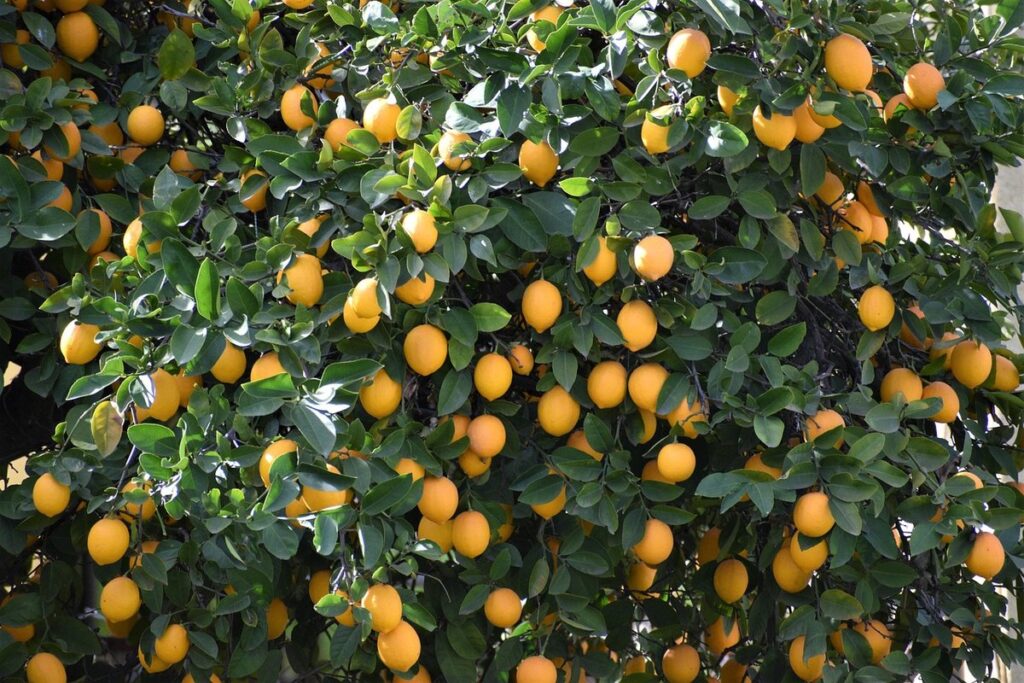
Understanding the Benefits of Lemon Tree Blue Red LED
Lemon tree blue red LED lighting isn’t just a trendy decor choice, it also offers numerous benefits for your plant’s health and growth. Let’s dive into what sets this unique lighting option apart from others.
What is Lemon Tree Blue Red LED?
Lemon tree blue red LED is a type of grow light specifically designed to promote healthy plant growth and development. It’s used by gardeners and indoor farmers to mimic the natural process of photosynthesis, which occurs when plants absorb sunlight.
At its core, lemon tree blue red LED emits two distinct spectrums: blue and red light. Blue light, with a wavelength of around 450-495 nanometers, promotes vegetative growth, leaf development, and root strengthening. Red light, on the other hand, supports flowering and fruiting, stimulating the plant’s reproductive cycle. By using both spectrums in harmony, growers can optimize their plants’ growth and increase yields.
When used correctly, lemon tree blue red LED can significantly boost your plant’s health and productivity. To get started, ensure you’re using a high-quality LED grow light specifically designed for indoor growing. Place the light 12-18 inches above your plant, adjusting the distance as needed to prevent burning or overheating. By fine-tuning your lighting schedule and intensity, you can unlock your plant’s full potential and enjoy vibrant growth.
How Does Lemon Tree Blue Red LED Work?
Lemon tree blue red LED lighting emits a specific spectrum of light that is tailored to promote healthy growth and development in plants. At its core, this spectrum combines the benefits of both blue and red light. Blue light, which has a shorter wavelength (around 400-500nm), plays a crucial role in promoting photosynthesis, helping plants absorb carbon dioxide and release oxygen more efficiently.
Red light, with its longer wavelength (600-700nm), is essential for root development and chlorophyll production. When combined, these two colors create an optimal spectrum that promotes robust growth, increased yields, and enhanced plant resilience. This balanced blend of blue and red light also helps to regulate plant metabolism, leading to improved overall health.
In practical terms, the science behind lemon tree blue red LED lighting is straightforward: by providing plants with a tailored spectrum of light, growers can enhance photosynthesis, stimulate root growth, and promote optimal plant development. By understanding this scientific foundation, gardeners and growers can unlock the full potential of their crops, leading to healthier, more productive, and more resilient plants.
Advantages of Using Lemon Tree Blue Red LED for Plants
Using Lemon Tree Blue Red LED lighting for plants comes with numerous benefits that can significantly impact their growth and overall health. One of the primary advantages is increased yields. By providing a specific spectrum of light that promotes healthy cell development, plants are able to produce more fruit and flowers. This means you’ll get a higher return on your investment in terms of harvest quantity.
Another benefit of Lemon Tree Blue Red LED lighting is improved flavor and aroma. The unique combination of blue and red light stimulates the production of terpenes, which are responsible for these desirable qualities. When grown under Lemon Tree Blue Red LEDs, citrus fruits like lemons tend to have a more complex and intense flavor profile.
Using this type of lighting can also reduce stress in plants. By providing them with a tailored spectrum that suits their needs, you’re able to minimize the risk of overwatering or underwatering. This leads to healthier roots, which in turn supports optimal growth and development. To get the most out of Lemon Tree Blue Red LEDs, make sure to maintain a consistent temperature between 65-75°F (18-24°C) for optimal results.
Choosing the Right Lemon Tree Blue Red LED Setup for Your Indoor Garden
When selecting a lemon tree blue red LED setup, consider factors such as your plant’s size and growth stage to ensure optimal lighting. This will help you choose the right setup for your indoor garden.
Types of LEDs Available: Blue vs Red
When it comes to choosing an LED setup for your indoor lemon tree, one crucial decision is selecting between blue and red LEDs. Both types have their unique benefits and effects on plant growth.
Blue LEDs promote vegetative growth, encouraging leafy greens and a healthy stem structure. They work by stimulating the production of chlorophyll, which helps plants absorb sunlight more efficiently. If you’re looking to accelerate your lemon tree’s leaf development or support its initial stages of growth, blue LEDs might be the better choice. For example, studies have shown that blue light exposure can increase the number of leaves on a plant by up to 25% in just one week.
On the other hand, red LEDs are more focused on flowering and fruiting. They enhance photosynthesis, allowing your lemon tree to produce more flowers and eventually, lemons. Red light exposure can also stimulate hormone production, which promotes root development and overall plant health. If you’re nearing harvest season or want to boost your tree’s productivity, red LEDs might be the way to go.
Ultimately, a balanced LED setup incorporating both blue and red lights is often recommended for optimal growth and fruiting results.
Factors to Consider When Selecting a Lemon Tree Blue Red LED Light
When selecting a lemon tree blue red LED light for your indoor garden, there are several key factors to consider to ensure you get the right equipment. First and foremost, think about the intensity of the light. Lemon trees require a significant amount of light to produce fruit, so you’ll want an LED that can provide a minimum of 20-30 watts per square foot.
Next, consider the spectrum of the LED. A blue red LED light is designed to promote photosynthesis and fruit production in citrus trees like lemons. Look for a product that emits both blue (400-500nm) and red (600-700nm) wavelengths, which are essential for healthy growth and fruiting.
Another important consideration is the size of the LED. Make sure it’s large enough to cover the entire canopy of your lemon tree, but not so large that it overwhelms the space. Measure your tree and choose an LED that can reach every branch, typically 18-24 inches in diameter. By taking these factors into account, you’ll be well on your way to selecting the perfect blue red LED light for your indoor lemon tree.
Measuring and Optimizing Your Lemon Tree Blue Red LED Setup
Measuring and optimizing your lemon tree blue red LED setup is crucial for ensuring optimal growth and health of your citrus plants. To start, you’ll want to measure the light output of your LEDs using a lux meter. This will give you an accurate reading of the PAR (photosynthetic active radiation) value in your growing space.
Next, adjust the settings on your LED lights based on the measurements taken. A general rule of thumb is to aim for 40-60 umol/s in the blue spectrum and 20-30 umol/s in the red spectrum during photosynthesis hours (typically 16-18 hours a day). Keep in mind that these values may vary depending on the specific LED grow light model you’re using.
Common issues such as inconsistent growth or discoloration can often be resolved by tweaking your settings. For example, if your plants are exhibiting yellowing leaves, try increasing the blue spectrum output to promote healthy chlorophyll production.
Implementing Lemon Tree Blue Red LED in Your Indoor Garden
Now that you’ve chosen your perfect LED light, it’s time to learn how to seamlessly integrate it into your indoor garden setup. We’ll walk you through easy implementation steps for a thriving lemon tree under blue red LED lighting.
Preparing Your Plants for Lemon Tree Blue Red LED Lighting
When introducing lemon tree blue red LED lighting into your indoor garden, it’s essential to acclimate your plants to the new conditions. This process helps prevent shock and promotes healthy growth.
First, start by gradually increasing the intensity of the LED lights over a period of 7-10 days. Begin with shorter light periods (4-6 hours) and gradually increase the duration as your plants become accustomed to the new lighting conditions. Monitor their response closely, adjusting the schedule as needed.
Provide sufficient light for at least 12 hours a day, but avoid direct sunlight which can cause scorching. Maintain optimal temperatures between 65°F to 75°F (18°C to 24°C) during the day and around 55°F (13°C) at night.
Keep in mind that young plants may require more time to adjust than mature ones. To facilitate this process, start with shorter light periods and gradually increase them as your plants grow and become accustomed to the new lighting conditions. This will help prevent stress and promote healthy growth.
Tips for Effective Placement of Lemon Tree Blue Red LEDs
When placing your Lemon Tree Blue Red LEDs, it’s essential to consider the optimal position to ensure maximum benefits for your tree. One of the most critical decisions is whether to place the lights above or below the canopy.
Placing the lights above the canopy allows for better light diffusion and reduces the risk of burning the leaves. This positioning is ideal if you have a dense or mature tree, as it helps prevent scorching while still providing adequate light penetration. However, this setup may not be suitable for young trees or those with sparse foliage.
On the other hand, placing the lights below the canopy can help promote bushy growth and encourage leaf development. This positioning is particularly beneficial for young or struggling trees, as it provides a more intense light spectrum that promotes healthy growth. To achieve optimal results, consider using a combination of both placements – above and below the canopy – to create a balanced light environment.
Monitoring Progress and Adjusting Lighting Schedule as Needed
As you continue to grow and care for your lemon tree under the Lemon Tree Blue Red LED light, it’s essential to monitor its progress and adjust the lighting schedule as needed. This will ensure that your tree receives the right amount of light at different stages of growth.
Start by observing your plant’s response to the current lighting schedule. Look for signs of over-exposure, such as scorched leaves or a pale appearance, which may indicate that the light is too intense. Conversely, if the leaves appear stretched out or weak, it might be a sign that the tree needs more light.
To adjust the lighting schedule, you can try adjusting the duration or intensity of the LED lights. For example, during the peak growing season, you may need to increase the lighting time by 1-2 hours to promote healthy growth. On the other hand, during the dormant season, you might reduce the lighting time to conserve energy and prevent over-exposure.
Regular monitoring and adjustments will help you strike the perfect balance between providing enough light for your lemon tree’s needs and preventing damage from excessive exposure. By paying attention to its response, you can fine-tune the lighting schedule to optimize growth and fruit production.
Troubleshooting Common Issues with Lemon Tree Blue Red LED Lighting
You’re experiencing issues with your lemon tree blue red LED lighting? Don’t worry, we’ve got you covered with solutions to common problems and troubleshooting tips.
Identifying and Resolving Temperature-Related Problems
Temperature fluctuations can significantly impact the performance of your lemon tree blue red LED lighting. To address this issue, it’s essential to identify and resolve temperature-related problems. Typically, these issues arise when the lighting system is exposed to extreme temperatures, causing it to malfunction or reduce its lifespan.
One common problem caused by temperature fluctuations is discoloration. When the lighting system is subjected to high temperatures, the red LEDs may start to fade, while the blue LEDs may become more pronounced. This can lead to an unbalanced color spectrum and affect plant growth. To resolve this issue, ensure that your lemon tree blue red LED lighting is installed in a well-ventilated area, away from direct sunlight or heat sources.
Another issue related to temperature fluctuations is reduced light intensity. Prolonged exposure to high temperatures can cause the LEDs to degrade, resulting in decreased light output. Regularly inspect your lighting system for any signs of damage and replace it if necessary. Additionally, consider using a temperature-controlled environment or installing a cooling system specifically designed for LED lighting systems.
It’s also crucial to follow the manufacturer’s guidelines for temperature operating ranges when selecting lemon tree blue red LED lighting. Most manufacturers specify an optimal temperature range between 65°F to 75°F (18°C to 24°C) for optimal performance. By understanding and addressing these temperature-related issues, you can ensure that your lemon tree blue red LED lighting system provides consistent and effective illumination for your plants.
Addressing Light Flicker or Dimming Issues
If you’re experiencing issues with light flicker or dimming on your Lemon Tree Blue Red LED lighting, don’t worry – it’s a relatively common problem that can be easily resolved. The first step is to check if the issue is caused by a faulty LED strip or if it’s a result of an external factor.
To identify the root cause, try swapping the affected strip with a new one to see if the problem persists. If the new strip also flickers or dims, it’s likely that the issue lies with your power source or electrical setup. On the other hand, if the new strip works fine, the problem might be specific to the faulty LED strip.
In cases where dimming is caused by an external factor, check if there are any loose connections or worn-out wires that could be affecting the power supply to your LEDs. Sometimes, a simple reconnection or replacement of the affected wiring can resolve the issue.
Maintaining the Health of Your Lemon Tree Blue Red LEDs
Regular maintenance of your lemon tree blue red LEDs is crucial to ensure they continue to provide optimal light for your plants. Over time, dust and debris can accumulate on the bulbs, reducing their efficiency and potentially causing them to overheat.
To clean your LEDs, turn off the power source and gently wipe the lenses with a soft cloth. Avoid using harsh chemicals or abrasive materials that could damage the delicate components. For more stubborn stains, mix equal parts water and white vinegar in a spray bottle, spray onto the lens, and let it sit for 10-15 minutes before wiping clean.
It’s also essential to replace your LEDs every 2-3 years, depending on usage and manufacturer recommendations. Replacing old or dimming bulbs will help maintain the overall health of your lemon tree and prevent any potential issues related to inconsistent light output.
To extend the lifespan of your equipment, keep it away from direct sunlight and moisture. Regularly inspect the cables and connections for signs of wear, and replace them if necessary. By following these simple tips, you can ensure your lemon tree blue red LEDs continue to provide reliable and efficient lighting for years to come.
Advanced Techniques for Optimizing Lemon Tree Blue Red LED Lighting
To take your lemon tree blue red LED lighting to the next level, we’ll dive into advanced techniques for precise control and maximum results in this section. You’ll learn expert methods to tailor light output.
Using CO2 Supplements with Lemon Tree Blue Red LED
When using the Lemon Tree Blue Red LED with CO2 supplementation, you’re essentially creating an optimal environment for your plants. This synergy helps to amplify the benefits of the LED light and can lead to increased growth rates and yields.
To incorporate CO2 into your setup, start by ensuring a stable air circulation system that allows for efficient mixing and distribution within your growing space. Next, consider using a CO2 generator or external tank with a regulator. It’s essential to monitor CO2 levels closely, aiming for 1000-1500 ppm during peak photosynthesis periods.
Keep in mind that high CO2 levels can be detrimental if not balanced with proper light intensity and air exchange rates. For example, if your LED light is set at an excessively high intensity, the increased CO2 may exacerbate temperature fluctuations or promote algae growth.
In general, a balanced approach to combining CO2 supplementation with Lemon Tree Blue Red LED lighting involves ensuring adequate air circulation, monitoring CO2 levels, and maintaining optimal temperatures between 65-75°F (18-24°C).
Adjusting Spectrum and Intensity Based on Plant Needs
When it comes to optimizing lemon tree blue red LED lighting, one of the most critical factors is adjusting spectrum and intensity based on the specific needs of your plant. Different plant species have unique requirements for light absorption and utilization.
For example, citrus trees like lemons tend to thrive under a balanced spectrum with an emphasis on blue light (450-495nm) during the vegetative growth stage. However, as they transition into the fruiting stage, they require more red light (600-700nm) to enhance chlorophyll production and promote fruit ripening.
To tailor your light settings, start by identifying the specific needs of your lemon tree based on its growth stage. For young seedlings or cuttings, focus on blue light (15-20% of total spectrum) for healthy root development and photosynthesis. As they mature, gradually increase red light (20-30% of total spectrum) to stimulate fruiting.
Monitor your plant’s response to changes in spectrum and intensity, adjusting as needed to optimize growth and yield. A balanced approach will ensure that your lemon tree receives the optimal amount of blue and red light for maximum productivity and health.
Creating a Customized Lighting Schedule for Your Indoor Garden
Creating an effective lighting schedule for your indoor lemon tree is crucial to ensure it receives the right amount of blue and red light for optimal growth. Since every plant is unique, it’s essential to observe its responses to different lighting schedules and adjust accordingly.
Start by monitoring your plant’s growth and development over a few weeks. Take note of any changes in coloration, leaf size, or flowering patterns. This information will help you determine the ideal lighting schedule for your lemon tree. For example, if you notice that your plant is producing more fruit when exposed to 12 hours of blue light followed by 4 hours of red light, you can replicate this pattern.
To develop a customized schedule, consider the following factors: the type of LED grow lights you’re using, the age and size of your plant, and the desired growth stage. For instance, seedlings require more intense blue light to promote healthy root development, while mature plants need more red light for fruit production. By experimenting with different combinations and observing your plant’s responses, you’ll be able to create a tailored lighting schedule that meets its specific needs.
Conclusion and Next Steps
In conclusion, incorporating blue red LED lighting into your lemon tree care routine can have a significant impact on its growth and health. By understanding how different light spectrums affect plant development, you’re already ahead of the game. Now that you’ve learned about the benefits of blue red LEDs for lemons, it’s time to put this knowledge into practice.
Consider investing in a high-quality LED grow light specifically designed for citrus trees like yours. Not only will it provide your lemon tree with the right amount of blue and red light, but it’ll also be energy-efficient and easy to install. Start by placing the light about 12-18 inches away from your tree’s canopy, adjusting as needed based on its growth.
As you begin using blue red LED lighting for your lemons, remember to monitor their response closely. Adjust the light’s intensity or duration according to your tree’s specific needs, and don’t hesitate to experiment with different settings to achieve optimal results. With a little patience and experimentation, you’ll be enjoying an abundance of juicy, healthy lemons in no time.
Frequently Asked Questions
How do I know if my lemon tree is getting the right balance of blue and red light from its LED setup?
The ideal balance between blue and red light depends on your plant’s growth stage. Typically, a ratio of 60-70% blue to 30-40% red is recommended for vegetative growth, while fruiting plants may require more red light. Monitor your tree’s response to the lighting schedule and adjust the spectrum accordingly.
Can I use lemon tree blue red LED lighting in conjunction with other types of grow lights?
Yes, combining blue red LED with other grow lights can be beneficial, but it requires careful consideration of their spectrums and intensities. For example, you may need to reduce the intensity of other lights to avoid over-stimulating your plant.
How often should I replace my lemon tree blue red LEDs to ensure optimal performance?
The lifespan of LED bulbs varies depending on factors like usage hours and quality. Generally, you can expect to replace them every 12-24 months. Monitor their performance by checking the light’s intensity and spectrum output. Replace them when necessary to maintain optimal growth.
What are some common issues I might encounter with my lemon tree blue red LED lighting setup?
Some common issues include temperature-related problems, light flicker or dimming, and inefficient placement of LEDs. Regularly inspect your setup, adjust the lighting schedule as needed, and ensure proper ventilation to prevent overheating.
Can I use lemon tree blue red LED lighting for plants other than lemons?
Yes, this type of lighting can be beneficial for a wide range of plants, including herbs, leafy greens, and flowers. However, it’s essential to consider the specific light requirements of your plant species and adjust the spectrum and intensity accordingly.
How do I measure the effectiveness of my lemon tree blue red LED lighting setup?
Monitor your plant’s growth rate, health, and yield to evaluate the effectiveness of the lighting setup. You can also use tools like light meters or spectrometers to measure the light’s intensity and spectrum output, adjusting the setup as needed for optimal results.