
Mild chili peppers may not pack the same punch as their spicy counterparts, but they bring their own unique charm to the table. Whether you’re a seasoned cook or just starting to explore the world of chilies, mild pepper varieties are definitely worth getting familiar with. Not only do they add depth and flavor to dishes without overpowering them, but they also have a rich history in various cuisines around the globe.
In this article, we’ll take a closer look at some popular types of mild chili peppers, their origins, and uses in different cultures. We’ll also cover tips on growing and storing these peppers, as well as creative ways to prepare and incorporate them into your cooking repertoire. Whether you’re looking to add some excitement to your meals or simply want to explore new flavors, this guide is designed to get you started with confidence and a new appreciation for the humble mild chili pepper.
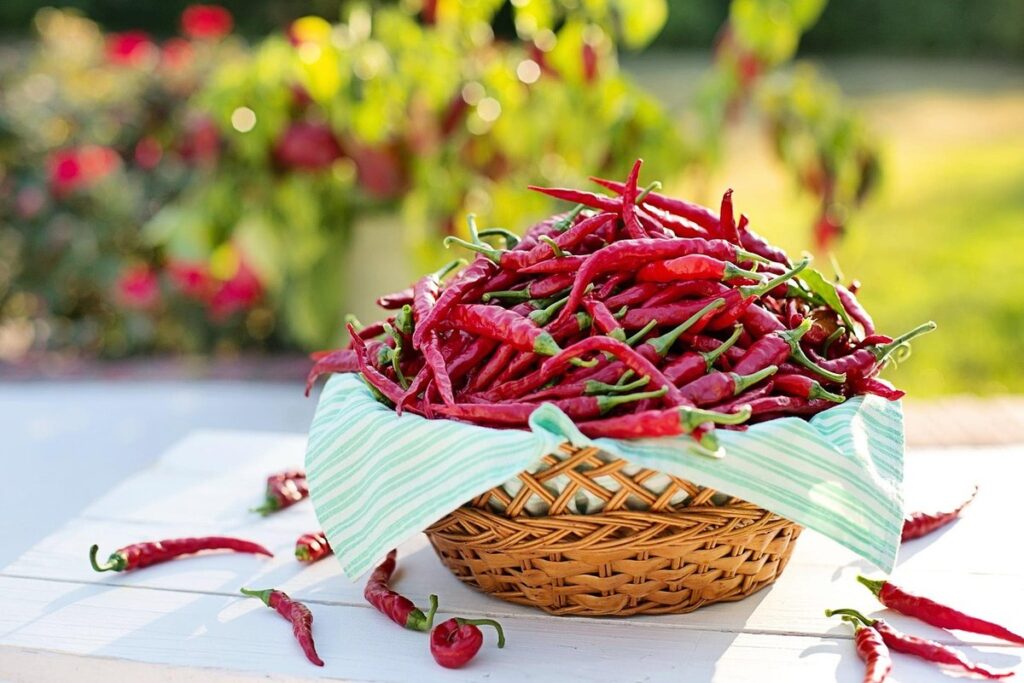
Introduction to Mild Chili Peppers
Mild chili peppers may not pack as much heat, but they bring their own unique flavor and versatility to dishes. Let’s explore what makes them so special.
What are Mild Chili Peppers?
When we talk about chili peppers, most people’s minds immediately go to those that pack a punch – the hot ones. However, there are many types of mild chili peppers that bring flavor and versatility without the intense heat. These mild varieties have a distinct set of characteristics that set them apart from their hotter counterparts.
The primary difference between mild and hot chili peppers lies in their Scoville Heat Units (SHU) rating. While hot peppers can range anywhere from 1,000 to 2 million SHU or more, mild peppers typically fall below 1000 SHU. To put this into perspective, the Bell pepper, a common sweet bell variety, has zero SHU. This means that when you use a mild chili pepper in your cooking, it’s unlikely to leave a burning sensation on your tongue.
In terms of flavor and texture, mild peppers offer a range of possibilities – from crunchy and slightly sweet like Anaheim or Poblano peppers to smooth and subtly spicy like Jalapeño M types.
History and Origin of Mild Chili Peppers
Mild chili peppers have been a staple ingredient in various cuisines around the world for thousands of years. The history of these mild peppers dates back to ancient civilizations in Central and South America, where they were first domesticated by the Incas and Aztecs.
Archaeological evidence suggests that chili pepper cultivation began over 6,000 years ago in modern-day Mexico and Guatemala. From there, Spanish conquistadors introduced the crop to other parts of the Americas during their colonization efforts, spreading it to regions such as the southern United States, India, and Asia.
In Africa, mild chili peppers were adopted by various cultures, particularly in West and East African countries, where they became an integral part of local cuisine. The introduction of these peppers to new regions often came through trade routes, missionary activities, or colonial settlements.
Throughout their history, mild chili peppers have undergone significant changes due to selective breeding and adaptation to different climates. Today, there are numerous varieties of mild chili peppers grown worldwide, each with its unique characteristics, flavors, and uses in cooking.
Section 1: Common Types of Mild Chili Peppers
Let’s dive into some of the most popular mild chili pepper varieties, each offering a unique flavor and heat level that’s perfect for adding to your favorite dishes. From Anaheim to Poblano, we’ll explore them all.
Anaheim Pepper Characteristics and Uses
Anaheim peppers are a popular mild chili pepper variety known for their rich flavor profile and versatility in cooking. They have a slightly sweet and smoky taste, making them an excellent choice for adding depth to various dishes.
In terms of appearance, Anaheim peppers are typically 6-8 inches long, slender, and curved. Their glossy skin is usually a vibrant green color, but it may turn red or orange when fully ripe. The pepper’s interior contains 2-3 seeds and about 10-15 cavities that can be seeded or left intact.
One of the key benefits of Anaheim peppers is their ability to be cooked in various ways without losing their flavor. They can be grilled, roasted, sautéed, or used raw in salads. For instance, you can make a delicious stuffed pepper by filling an Anaheim pepper with cheese, breadcrumbs, and herbs, then baking until tender.
Some popular recipes that showcase the versatility of Anaheim peppers include chili con carne, fajitas, and vegetable stir-fries. When working with these peppers, it’s essential to note that their flavor will intensify when cooked, so adjust seasoning accordingly.
Poblano Pepper Overview
The poblano pepper is one of the most versatile and iconic mild chili peppers in Mexican cuisine. Its rich flavor profile is characterized by a deep, slightly sweet, and smoky taste, making it a staple in many traditional dishes.
In terms of texture, poblanos are typically firm and glossy, with a delicate crunch that adds depth to various recipes. When roasted or grilled, the flesh becomes tender and slightly charred, bringing out its full flavor potential.
One of the most popular uses of poblano peppers is for making chiles rellenos, stuffed peppers filled with cheese, meat, or vegetables. You can also use them in salsas, soups, stews, and sauces to add a subtle kick of heat. To bring out their unique flavor, try roasting them over an open flame or in the oven until charred.
When selecting poblanos, look for ones that are firm and free of blemishes. Store them in an airtight container to maintain their moisture and flavor. With proper handling and preparation, you can unlock the full potential of this incredible pepper variety.
Section 2: Other Popular Mild Chili Pepper Varieties
In addition to Anaheim and Poblano, other popular mild chili pepper varieties include Guajillo, New Mexico, and Cubanelle peppers, each with its own unique flavor profile. Let’s take a closer look at these lesser-known options.
Bell Peppers: A Sweet and Mild Option
Bell peppers are often mistaken for being a type of chili pepper due to their similar appearance and mild flavor. However, they belong to the Capsicum annuum species but are technically a fruit and not a true chili pepper. Unlike hot chili peppers that contain capsaicin, bell peppers have very little to no heat, making them an excellent choice for those who can’t handle spice.
When selecting bell peppers, look for vibrant colors such as green, red, yellow, orange, or purple, depending on the variety. Avoid those with wrinkles or soft spots, as they may be past their prime. Store them in a cool, dry place to maintain freshness. If you plan to use them within a week, keep them refrigerated.
Bell peppers are versatile and can add sweetness to various dishes. Slice them thinly for salads, stir-fries, or sandwiches. Stuff them with meat, rice, or cheese for a flavorful main course. They’re also great roasted as a side dish or grilled as a topping for burgers. To get the most out of bell peppers, slice off both ends and remove the seeds before chopping to reduce bitterness. With their crunchy texture and mild flavor, bell peppers are an excellent addition to any meal.
Cubanelle Pepper Profile
The Cubanelle pepper is a popular choice among chefs and home cooks due to its unique flavor profile and versatility. Native to Cuba and the Caribbean, this mild chili pepper has a sweet, slightly smoky taste with hints of fruitiness, making it an excellent addition to Mediterranean and Latin American cuisine.
In terms of texture, Cubanelle peppers are typically long and thin, ranging from 4 to 6 inches in length, with a glossy appearance. They have a relatively smooth skin that’s easy to slice or chop, adding them to various dishes without any hassle.
One of the most common uses for Cubanelle peppers is in salsas and sauces, where their sweetness complements other ingredients like onions and garlic. You can also use them as a topping for pizzas, pasta dishes, or grilled meats. To get the most out of your Cubanelle peppers, try roasting them before chopping to bring out their natural sweetness. When working with this variety, it’s essential to handle them gently, as they can be prone to tearing.
In Mediterranean cuisine, Cubanelle peppers are often paired with tomatoes and eggplants to create a hearty ratatouille. In Latin American cooking, they’re frequently used in combination with garlic and cilantro for added flavor. With their mild heat level and rich taste, it’s no wonder the Cubanelle pepper has become a staple ingredient in many international kitchens.
Section 3: Mild Chili Peppers in Various Cuisines
Mild chili peppers bring flavor and heat to a variety of international dishes, from Korean kimchi to Indian curries. Let’s explore how these versatile peppers add depth to different cuisines around the world.
Use of Mild Chili Peppers in Mexican Cuisine
In Mexican cuisine, mild chili peppers are a staple ingredient used to add depth and flavor to traditional dishes. Chiles rellenos, which translates to “stuffed peppers,” is one such iconic dish where roasted poblano or Anaheim peppers are stuffed with cheese, meat, or vegetables. The mild heat of the chilies allows for a balance between the richness of the filling and the delicate sweetness of the pepper.
To prepare chiles rellenos, start by roasting 2-3 mild chili peppers over an open flame or in a dry skillet until their skin is blistered and charred. Once cooled, peel off the skin, remove seeds, and cut a slit down one side to create a pocket. Stuff each pepper with your desired filling, coating it lightly with beaten eggs and then rolling it in flour before frying until golden brown.
For a more subtle heat, use Anaheim or poblano peppers, which have a sweet, slightly smoky flavor. Experiment with different fillings like cheese, meat, or vegetables to create unique variations of this beloved Mexican dish.
Mild Chili Peppers in Asian Cuisine
In Asian cuisine, mild chili peppers play a significant role, adding depth and heat to various dishes. Let’s take a closer look at their use in Thai, Chinese, and Indian cooking.
Thai cuisine often employs mild chili peppers like the Anaheim or Poblano in stir-fries, curries, and soups. These peppers bring a moderate level of spiciness, balanced by sweet and sour flavors. For instance, in Tom Yum soup, mild chilies are used to add heat without overwhelming the other ingredients.
In Chinese cuisine, Szechuan peppercorns and mild chili peppers like the Guajillo are frequently combined for a distinctive numbing and spicy effect. This blend is often used in Kung Pao chicken and mapo tofu recipes.
Mild chili peppers also find their way into Indian cooking, particularly in North Indian cuisine. Peppers like the Shimla Mirch (green bell pepper) and Kashmiri mirch are commonly used to add a subtle smokiness and flavor depth to curries, stews, and chutneys.
When incorporating mild chili peppers into Asian-inspired dishes, it’s essential to balance their heat with sweet, sour, or umami flavors. This can be achieved by combining the peppers with ingredients like garlic, ginger, soy sauce, or citrus juice. Experimenting with different types of mild chili peppers will allow you to find the perfect level of spiciness for your taste preferences.
Section 4: Growing and Preparing Mild Chili Peppers
Now that you’ve learned how to identify and select mild chili peppers, let’s talk about growing them in your garden or home. This section will cover tips for successfully cultivating these peppers from seed.
Tips for Growing Mild Chili Peppers at Home
Growing mild chili peppers at home can be a rewarding experience, but it requires attention to detail and proper care. To start, choose a well-draining potting mix specifically designed for pepper plants. Add organic matter like compost or well-rotted manure to improve soil fertility and structure.
When transplanting seedlings, space them about 1-2 inches apart in a sunny location with temperatures between 65°F to 75°F (18°C to 24°C). Water thoroughly but avoid overwatering, which can lead to root rot. Prune your plants regularly to encourage bushy growth and prevent disease.
Keep an eye out for common pests like aphids, whiteflies, and spider mites, which thrive in warm temperatures. Use neem oil or insecticidal soap to control infestations. Regularly inspect your plants for signs of nutrient deficiencies, such as yellowing leaves or stunted growth, and adjust your fertilization schedule accordingly.
By following these tips and providing your mild chili pepper plants with the right environment, you’ll be enjoying a bountiful harvest in no time.
Storage and Handling of Fresh Mild Chili Peppers
When storing and handling fresh mild chili peppers, it’s essential to prioritize proper techniques to maintain their quality and flavor. First and foremost, make sure the peppers are dry before storage to prevent moisture buildup, which can lead to mold and spoilage.
Store mild chili peppers in a cool, well-ventilated area, away from direct sunlight and heat sources. The ideal temperature for storing fresh chili peppers is between 32°F (0°C) and 40°F (4°C). You can also store them in the refrigerator to maintain their crunchiness and flavor.
When handling fresh mild chili peppers, be gentle to avoid damaging the skin or bruising the flesh. Wash your hands thoroughly before and after handling the peppers to prevent cross-contamination of bacteria and other microorganisms.
To extend the shelf life of stored mild chili peppers, you can also use a breathable bag or wrap them individually in plastic wrap or aluminum foil. This will help maintain humidity levels and prevent moisture buildup.
By following these simple storage and handling tips, you’ll be able to enjoy your fresh mild chili peppers for a longer period while maintaining their quality and flavor.
Section 5: Health Benefits and Nutritional Value
When it comes to incorporating mild chili peppers into your diet, you’ll want to know about their impressive health benefits and nutritional value. Let’s dive in!
Antioxidant Properties of Mild Chili Peppers
When it comes to the health benefits of mild chili peppers, one key aspect that often goes unnoticed is their antioxidant properties. Antioxidants are compounds that help protect cells from damage caused by free radicals, which can lead to chronic diseases like cancer, heart disease, and cognitive decline.
Mild chili peppers contain a variety of antioxidants, including capsaicin, vitamin C, and beta-carotene. These compounds have been shown to have anti-inflammatory effects, which may contribute to the prevention of conditions such as arthritis and other inflammatory diseases.
Incorporating mild chili peppers into your diet can be a simple way to boost your antioxidant intake. Try adding sliced or diced mild chilies to salads, salsas, or stir-fries for an extra kick of flavor and nutrition. For example, one study found that consuming 1-2 teaspoons of red pepper sauce daily significantly increased levels of antioxidants in the body.
When selecting mild chili peppers for their antioxidant properties, look for varieties with bright colors and robust flavors, such as Anaheim or Poblano peppers. By incorporating these nutritious ingredients into your meals, you can reap the rewards of their antioxidant properties while adding a burst of flavor to your cooking.
High Water Content and Low Calorie Count
One of the most appealing aspects of mild chili peppers is their impressive nutritional profile. With high water content and an impressively low calorie count, these peppers make a guilt-free addition to various meals. In fact, according to the United States Department of Agriculture (USDA), a single cup of sliced bell peppers contains approximately 92% water, making them one of the hydrating vegetables available. Moreover, a similar serving size has only about 49 calories.
This makes mild chili peppers an excellent choice for those looking to maintain a healthy weight or manage calorie intake. For instance, you can add diced mild Anaheim or Poblano peppers to your favorite stir-fry dishes without worrying about consuming excess calories. Similarly, using them as a topping for salads or sandwiches can provide a burst of flavor and nutrients while keeping the overall calorie count in check.
To incorporate more of these nutritious peppers into your meals, try snacking on raw mild chili slices with hummus or guacamole for a refreshing and healthy snack. You can also experiment with roasting or grilling them to bring out their natural sweetness and depth of flavor.
Section 6: Mild vs. Hot Chili Peppers – What’s the Difference?
While some of you might be chili pepper newbies, others may wonder what sets mild peppers apart from their hotter counterparts in terms of Scoville heat units. Let’s break down the differences.
Understanding Scoville Heat Units (SHU)
When exploring the world of chili peppers, you’ll inevitably come across the Scoville Heat Unit (SHU) rating. This measurement is used to quantify the heat level of a pepper, and it’s essential for understanding what makes mild chili peppers so… well, mild.
The SHU rating system was first developed by Wilbur Scoville in 1912, who discovered that the capsaicin content – the compound responsible for the “heat” in chili peppers – could be measured using a technique called High-Performance Liquid Chromatography (HPLC). Today, HPLC is the standard method for determining SHU ratings.
But what does an SHU rating actually mean? In simple terms, it measures how much capsaicin is present in a pepper. The higher the number, the more capsaicin and therefore, the hotter the pepper will be. For example, the infamous Ghost Pepper has an SHU rating of over 1,000,000, while Anaheim Peppers have an SHU rating of around 500-1000.
When shopping for mild chili peppers, keep in mind that some varieties may have an SHU rating slightly higher than others. This is why it’s essential to check the label or consult with a trusted pepper supplier to ensure you’re getting a pepper that fits your desired level of heat.
Comparison between Mild and Hot Chili Peppers
When it comes to choosing between mild and hot chili peppers, the main difference lies in their flavor, texture, and usage. Mild chili peppers are generally sweeter and milder in flavor compared to hot ones, which pack a punch of heat. In terms of texture, mild chili peppers tend to be smoother and less seedy, making them a great addition to salads and sauces.
Hot chili peppers, on the other hand, have a coarser texture and a more intense, fiery flavor. They’re often used in spicy dishes where the heat is the main focus. For example, jalapenos are a popular choice for adding a kick to Mexican-inspired dishes, while habaneros bring a scorching heat to Caribbean cuisine.
When deciding between mild and hot chili peppers, consider the type of dish you’re making and the flavor profile you’re aiming for. Mild chili peppers are perfect for those who prefer a subtle heat or want to add depth without overwhelming the palate. Hot chili peppers, as mentioned earlier, bring an intense heat that’s ideal for those who crave spicy food.
Section 7: Conclusion
Now that you’ve explored the wonderful world of mild chili peppers, it’s time to wrap up our journey and recap what we’ve learned so far. Let’s summarize the key takeaways from this comprehensive guide.
Recap of Key Points and Takeaways
In conclusion to our comprehensive guide on mild chili pepper types, let’s recap the key points and takeaways. As we’ve explored throughout this article, there are numerous varieties of mild chilies that offer distinct flavors and uses. From sweet bell peppers to mild Anaheim and Poblano peppers, each type is unique in its own right.
One of the main takeaways from our discussion is the importance of understanding Scoville heat units (SHU) when selecting a mild chili pepper for cooking or growing. While we’ve focused on varieties with an SHU rating below 1,000, it’s essential to note that even within these ranges, individual peppers can vary significantly in their heat level.
To make the most of your mild chili pepper harvest, consider incorporating them into various dishes like stir-fries, salsas, and roasted vegetable medleys. By experimenting with different preparation methods and pairing mild chilies with complementary flavors, you’ll unlock a world of culinary possibilities. Whether you’re an experienced cook or just starting out, this guide has equipped you with the knowledge to confidently explore the realm of mild chili peppers in your kitchen.
Final Thoughts and Recommendations
As you’ve made it through this comprehensive guide to mild chili pepper types, we hope you’re feeling inspired and equipped with the knowledge to take your cooking to the next level. Now that you know the ins and outs of these delightful peppers, it’s time to start experimenting and incorporating them into your recipes.
One of the best ways to do this is by starting small. Try substituting a milder chili pepper for some of the heat in your favorite recipe or adding a few slices to a dish you’re already familiar with. This will allow you to taste the difference without committing to an entirely new flavor profile. For example, if you’re making tacos, try swapping out jalapeños for Anaheim peppers – you might be surprised at how much depth and warmth they add.
Incorporating more mild chili peppers into your cooking repertoire is all about experimentation and having fun with different flavors. Don’t be afraid to get creative and try new combinations – after all, that’s what makes cooking so rewarding!
Frequently Asked Questions
Can I substitute mild chili peppers for hot ones in recipes without adjusting the seasoning?
You can, but keep in mind that using mild chili peppers will result in a milder flavor profile overall. To maintain balance, reduce or omit other spices and seasonings in your recipe accordingly.
How do I know which type of mild chili pepper to use in a particular dish?
Consider the desired flavor profile, texture, and color of your dish when choosing a mild chili pepper variety. For example, Anaheim peppers add sweetness and crunch, while Poblanos have a rich, earthy flavor.
Can I grow mild chili peppers at home if I live in an area with limited sunlight?
Yes, many mild chili pepper varieties can thrive in partial shade or indoor conditions with sufficient light (at least 4-6 hours of direct sunlight). Research the specific growing requirements for your chosen variety to ensure success.
How do I store and preserve fresh mild chili peppers to maintain their flavor and texture?
To keep mild chili peppers fresh, store them in a cool, dry place away from direct sunlight. You can also freeze or dehydrate them to extend shelf life and enjoy year-round.
Can I use mild chili peppers in sweet dishes like baked goods or desserts?
Yes, mild chili peppers add depth and complexity to sweet dishes without overpowering them. Use roasted or pureed mild chili peppers in recipes for an added layer of flavor and a hint of heat.