
Cabbage is one of those versatile veggies that can thrive in cooler climates, making it an excellent choice for gardeners who live in areas with mild winters. But did you know that cabbage is specifically designed to grow during the cool season? This means it’s perfect for planting as soon as the weather starts to cool down in the fall or early spring. If you’re wondering how to make the most of your cool-season growing conditions, this article is for you. We’ll explore the ideal temperature ranges and growing conditions for cabbage, plus share some expert tips on maximizing yields and overcoming common challenges that come with growing in cooler climates. Whether you’re a seasoned gardener or just starting out, we’ve got you covered with all the information you need to grow delicious, crunchy cabbages right in your own backyard!
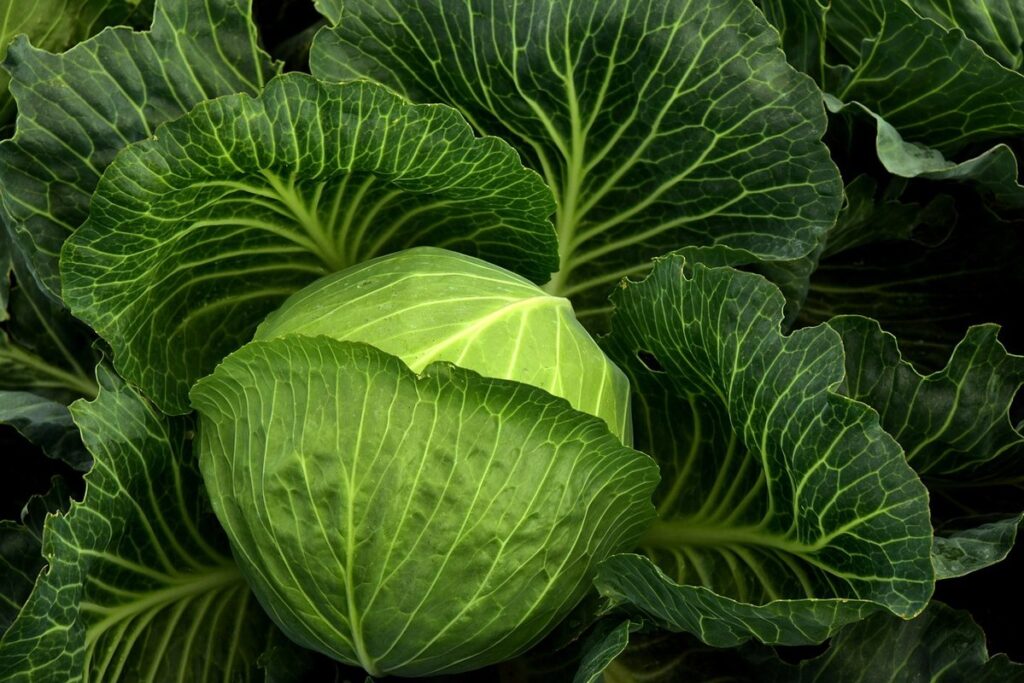
What are Cool Season Crops?
Cool season crops are those that thrive in temperate climates with cooler temperatures, and they’re a crucial part of many gardeners’ harvests. This section will help you understand what cool season crops really are.
Definition and Characteristics of Cool Season Crops
Cool season crops are defined as plants that thrive in temperatures between 40°F and 70°F (4°C to 21°C), making them perfect for spring and fall gardens. These crops typically bolt, or go to seed, when exposed to high temperatures above 75°F (24°C). One of the key characteristics of cool season crops is their ability to grow rapidly in cooler conditions.
Vegetables like broccoli, kale, and cabbage are excellent examples of cool season crops that do well in the temperature range mentioned. They’re often planted as soon as the soil can be worked in early spring or late summer/early fall for a fall harvest. These crops tend to have a shorter growth period compared to warm-season crops, which means they mature quickly and are ready for harvest within 50-70 days.
Cool season crops also require less water and nutrients compared to their warm-season counterparts. This makes them an excellent choice for gardeners who want to save time and resources while still growing delicious vegetables. By understanding the characteristics of cool season crops, you can plan your garden accordingly and enjoy a bountiful harvest.
Benefits of Growing Cool Season Crops
Growing cool season crops like cabbage offers numerous benefits for gardeners and consumers alike. One of the most significant advantages is the potential for early harvests. Cool season crops mature faster than warm-season crops, which means you can enjoy fresh produce from your garden as early as 50 to 60 days after planting.
Another benefit of growing cool season crops is reduced pest pressure. Many common pests that plague warm-season crops, such as aphids and whiteflies, are less active in cooler temperatures. This makes it easier to maintain a healthy crop without relying on pesticides.
In addition to these benefits, cool season crops often have higher nutritional value than their warm-season counterparts. Cabbage, for example, is rich in vitamins C and K, as well as fiber and antioxidants. By incorporating more cool season crops into your garden, you can enjoy a more diverse and nutritious harvest.
To take advantage of these benefits, simply choose cool season crop varieties that are suitable for your climate and region. With proper care and attention, you’ll be enjoying fresh, homegrown cabbage in no time!
Cabbage’s Temperature Requirements
Cabbage is a temperamental veggie when it comes to temperature, and getting it just right can make all the difference in its growth. Let’s take a look at what temperatures cabbage thrives in.
Optimal Temperature Ranges for Cabbage Growth
When it comes to optimal temperature ranges for cabbage growth, understanding the specific needs of this crop is crucial. Cabbage requires cooler temperatures compared to other vegetables, which makes it an ideal choice for growers in temperate climates.
For germination, the ideal temperature range is between 60°F (15°C) and 75°F (24°C). Sowing seeds too early or late can lead to poor germination rates or even failure. It’s essential to sow cabbage seeds as soon as the soil can be worked in spring, typically around 4-6 weeks before the last frost date.
When transplanting seedlings, the ideal temperature range is between 55°F (13°C) and 65°F (18°C). This ensures that the seedlings don’t experience stress from extreme temperatures. Head formation occurs when the temperature cools down to around 40°F (4°C) at night and 60°F (15°C) during the day.
To achieve optimal growth, it’s crucial to provide cabbage plants with a consistent temperature range throughout their growth cycle. Growers can monitor temperature fluctuations using weather apps or sensors to ensure that their crops receive the ideal conditions for healthy development. By understanding these specific temperature requirements, growers can optimize their cabbage yields and enjoy a bountiful harvest.
How Temperature Affects Cabbage Yields
When it comes to growing cabbage, temperature plays a significant role in determining yields. Extreme temperatures can be detrimental to cabbage crops, affecting both quality and quantity.
Frost is a major concern for cabbage growers, as temperatures below 25°F (-4°C) can cause damage to the crop’s delicate leaves. A light frost can discolor the leaves, while prolonged exposure can lead to crop death. In areas where frosts are common, it’s essential to protect your cabbage plants by covering them with a sheet or using row covers.
Heat stress is another factor that can impact cabbage yields. When temperatures exceed 85°F (29°C), cabbage plants can suffer from wilted leaves and reduced growth rates. Excessive moisture, often caused by high temperatures, can also lead to fungal diseases like club root.
To mitigate the effects of extreme temperatures on your cabbage crop, ensure you provide optimal growing conditions. Plant cabbage in well-draining soil and maintain consistent moisture levels. Avoid planting in areas prone to frost or heat stress. By understanding and adapting to temperature fluctuations, you can increase your chances of a successful cabbage harvest.
Cool Season vs. Warm Season Crops: Key Differences
When it comes to gardening, understanding whether a crop is cool season or warm season can be crucial for optimal growth and harvest. This section will break down the key differences between these two types of crops.
Climate and Weather Patterns for Cool Season Crops
Cool season crops like cabbage thrive in specific climate and weather conditions that are vastly different from those that favor warm season crops. Typically, cool season crops prefer temperatures between 40°F (4°C) and 75°F (24°C), with ideal ranges often falling within the 50°F (10°C) to 65°F (18°C) spectrum. This narrow temperature window allows for optimal growth and development.
In terms of precipitation, cool season crops generally require consistent moisture levels without excessive rainfall. Average annual precipitation ranges from 20 to 40 inches (508 to 1,016 mm), with most areas receiving the majority of their rainfall during the spring or fall seasons. Daylight hours also play a crucial role in cool season crop growth, typically requiring around 12-14 hours of daylight to promote healthy development.
When planning for a cool season crop like cabbage, it’s essential to understand and replicate these specific climate conditions in your garden or region. This might involve selecting varieties that are bred for cooler temperatures or adjusting planting schedules to coincide with the optimal temperature ranges for growth.
Adapting to Local Conditions for Successful Crop Growth
When growing cool season crops like cabbage, it’s essential to adapt to local conditions to ensure successful crop growth. The first step is to choose a location with the right temperature and sunlight for cabbage to thrive. Cool season crops prefer temperatures between 40°F and 70°F (4°C and 21°C), so consider planting in early spring or late summer/early fall when temperatures are mild.
In areas with extreme heat, such as deserts or tropical regions, provide partial shade to protect the crop from intense sunlight. In contrast, if you’re growing cabbage in a cool, coastal climate, ensure it receives sufficient direct sunlight for at least 6 hours a day. Additionally, be mindful of frost dates and avoid planting too close to last spring’s frost date.
To adapt your soil conditions, choose a well-draining mix with a pH between 6.0 and 7.0. If your soil is heavy clay or sandy, amend it with compost or organic matter to improve its structure and fertility. Regular watering and mulching will also help retain moisture and suppress weeds, giving your cabbage crop the best chance of success.
Growing Cabbage in Different Regions
When growing cabbage, regional conditions can greatly affect its success. Here’s a look at how to grow cabbage in different parts of the country and around the world.
Cool Season Crops in Mild Winters: Challenges and Opportunities
Growing cabbage in regions with mild winters can be both a blessing and a challenge. On one hand, the extended growing season and reduced frost risks provide opportunities for multiple harvests throughout the winter months. In areas like the Mediterranean or parts of California, growers can enjoy two to three plantings from September to February, yielding a continuous supply of fresh cabbage.
However, this also means that mild winters can bring about new challenges. Pests and diseases that are typically dormant during colder periods can remain active, putting pressure on crop health. Growers must be vigilant in their management practices, monitoring for signs of infestation or infection and taking swift action to prevent the spread.
To capitalize on the benefits while mitigating risks, growers can implement strategies like crop rotation, biological pest control methods, and precise timing of planting and harvesting. By doing so, they can enjoy the advantages of mild winters while minimizing the associated challenges.
Cool Season Crops in Cold Winters: Preparing for Frost and Extreme Temperatures
In regions where winters are cold and frosts are common, cabbage crops require special care to ensure their survival. When extreme temperatures threaten, gardeners must take proactive steps to protect these sensitive plants.
To begin, it’s essential to monitor weather forecasts closely and have a plan in place for potential frost events. One effective strategy is using row covers or floating row covers to shield the plants from cold air. These lightweight, porous fabrics allow light and water to reach the crops while preventing chill from penetrating. For example, applying a layer of row cover on a 25°F (-4°C) night can make all the difference in saving your cabbage crop.
Another approach is to use mulch as insulation around the base of the plants. Organic materials like straw or wood chips retain heat and protect roots from freezing temperatures. However, be cautious not to pile mulch too deeply, which can cause moisture buildup and lead to root rot.
In addition to these short-term measures, consider selecting cabbage varieties bred for cold hardiness, such as ‘Early Jersey Wakefield’ or ‘Savoy King’. These strains are more resistant to frost damage than others, giving you a better chance of success in harsh winter conditions.
Tips for Growing High-Quality Cabbage in Cooler Climates
If you’re growing cabbage in a cooler climate, you’ll want to make sure you’re doing everything right to get high-quality heads. Here are some expert tips for success.
Soil Preparation and pH Management
When growing cabbage in cooler climates, proper soil preparation and pH management are crucial for healthy growth. Cabbage prefers well-draining, rich soil with a pH between 6.0 and 7.0. To test your soil’s pH, use a DIY kit or send a sample to a lab. Based on the results, you can adjust the pH by adding lime (to raise it) or sulfur (to lower it).
Before planting, till the soil to a depth of 8-10 inches to loosen and aerate it. Mix in 2-3 inches of compost or well-rotted manure to provide essential nutrients. Cabbage also benefits from regular mulching, which helps retain moisture, suppress weeds, and regulate soil temperature.
Maintain optimal pH levels throughout the growing season by monitoring your soil’s pH regularly. For example, if you’re in a region with high rainfall, acidic soil may become even more acidic, requiring additional lime applications. Conversely, areas with low rainfall may require more frequent sulfur additions to prevent over-alkalization.
Pest and Disease Management for Cool Season Crops
Cool season crops like cabbage are susceptible to various pests and diseases that can significantly impact yields and quality. Common pests affecting cool season crops include aphids, slugs, snails, and cabbage moths. Aphids can spread plant viruses and reduce growth rates, while slugs and snails cause direct damage through feeding on leaves and stems.
To manage these pests, focus on prevention strategies such as crop rotation, sanitation, and physical barriers like fine mesh to keep slugs out. For instance, planting trap crops or using nematodes to control aphid populations can be effective methods of integrated pest management (IPM).
Diseases affecting cool season crops include club root, powdery mildew, and downy mildew. Club root is particularly problematic for cabbage as it causes stunted growth and reduced yields. To prevent these diseases, ensure proper soil pH levels, provide adequate irrigation to avoid waterlogged conditions, and practice crop rotation with non-host plants.
Regular monitoring of your crops will also help you identify potential issues early on, allowing for swift control measures through fungicides or biological controls when necessary.
Conclusion: Maximizing Cabbage Yields in Cooler Climates
Now that we’ve explored cabbage’s cool-season characteristics, let’s discuss practical tips for maximizing yields in cooler climates and extending your harvest season.
Recap of Key Takeaways
As we conclude our exploration of cabbage’s cool-season credentials, let’s recap the key takeaways to ensure you’re equipped with the knowledge to maximize your yields in cooler climates. Growing cabbage in these conditions requires a thoughtful approach to timing, soil preparation, and pest management.
Firstly, we established that cabbage is indeed a cool-season crop, thriving best in temperatures between 40°F and 70°F (4°C and 21°C). This makes it an ideal choice for regions with mild winters or early springs. To make the most of this climate, plant your cabbages in late summer or early fall to allow them to mature before the first frost.
Next, we highlighted the importance of choosing a variety that’s specifically bred for cool-season growth. These varieties are designed to mature quickly and tolerate cooler temperatures, reducing the risk of bolting and increasing yields. When selecting a variety, look for terms like “early” or “slow-bolting” to ensure you’re getting a cultivar that’s well-suited to your climate.
Finally, we discussed the need for careful soil preparation and management to prevent pests and diseases from taking hold. This includes incorporating compost, maintaining optimal moisture levels, and keeping an eye out for common cool-season pests like aphids and slugs. By following these guidelines, you’ll be well on your way to growing healthy, productive cabbage in even the coolest of climates.
Encouragement and Final Thoughts
As you’ve learned throughout this blog post, cabbage is indeed a cool season crop that thrives in cooler climates. Its success story is waiting to be replicated in your own backyard! Now that you’re armed with the knowledge of how to grow cabbage like a pro, it’s time to put those green thumbs to work.
Experimenting with cool season crops like cabbage not only adds diversity to your garden but also increases its resilience against temperature fluctuations. By incorporating these crops into your garden rotation, you’ll be better equipped to handle unexpected weather patterns and enjoy a more consistent harvest throughout the seasons.
Don’t be afraid to try new things and push the limits of what’s possible in your climate. With cabbage as a prime example, you’ll discover that cool season crops are capable of producing impressive yields even when temperatures drop. By embracing this potential, you’ll unlock a world of possibilities for year-round growth and enjoyment. So go ahead, give it a shot – your garden (and taste buds) will thank you!
Frequently Asked Questions
How can I ensure my cabbage crop gets enough sunlight in the cooler seasons?
While cabbage can tolerate partial shade, it still requires at least 6 hours of direct sunlight per day to grow well. Make sure to choose a location with plenty of sunlight and consider using row covers or other season-extending techniques to make the most of your cool-season growing conditions.
Can I grow multiple crops together in my garden during the cool seasons?
Yes, cabbage is a great companion plant for many other vegetables, such as kale, spinach, and carrots. However, be mindful of crop rotation and spacing to avoid overcrowding, which can lead to disease and pest issues.
What’s the ideal soil pH for growing cabbage?
Cabbage prefers a slightly acidic to neutral soil pH between 6.0 and 7.0. Test your soil regularly to determine its pH level and adjust it if necessary using organic amendments like compost or lime.
How do I protect my cabbage crop from pests and diseases in cooler climates?
Keep an eye out for common cool-season pests like slugs, snails, and aphids, and use physical barriers, traps, or organic pesticides as needed. Regularly inspect your plants for signs of disease and take action promptly if you notice any issues.
Can I grow cabbage in containers during the cool seasons?
Yes, cabbage can thrive in containers as long as they are at least 12-18 inches deep to accommodate its taproot. Use a well-draining potting mix and keep the soil consistently moist but not waterlogged.