
Garden mums have long been a staple in many home gardens, but have you ever wondered if they truly come back year after year? As it turns out, garden mums are often misunderstood when it comes to their perennial status. While some may think they’re annuals, the truth is that with proper care and conditions, garden mums can indeed thrive as perennials.
In this article, we’ll delve into the world of garden mums and explore what makes them truly perennial plants. We’ll discuss the different types of garden mums available, their unique characteristics, and most importantly, how to care for them so they return season after season. By the end of this post, you’ll have a clear understanding of whether garden mums are perennials and be equipped with the knowledge to grow them successfully year after year.
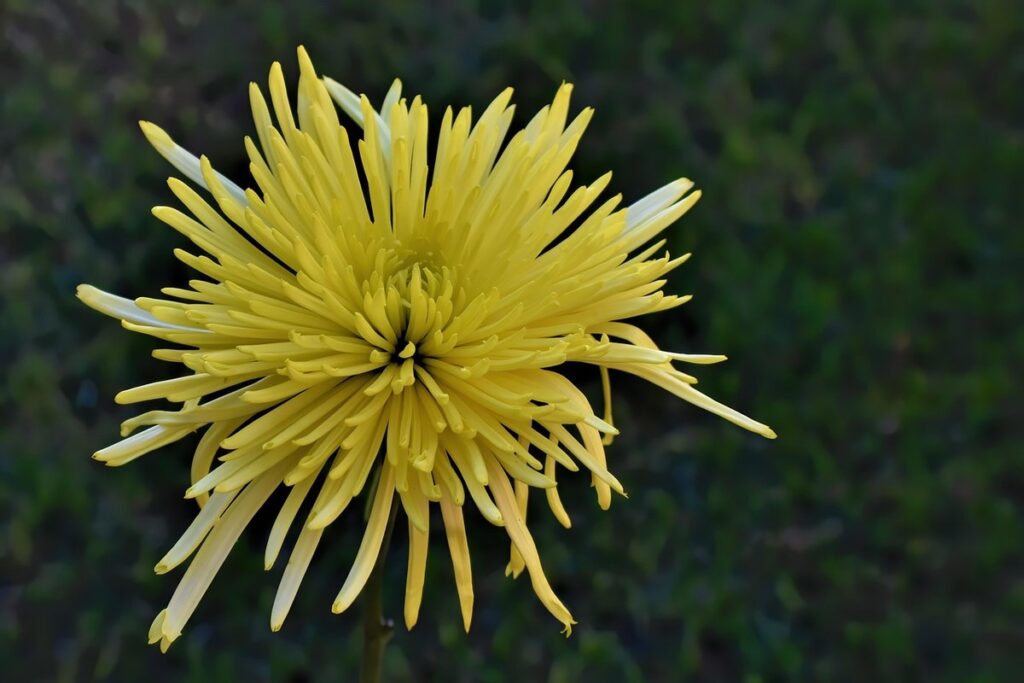
What are Garden Mums and Their Types?
If you’re new to gardening, you might be wondering what exactly garden mums are and how they come in such a variety of shapes, sizes, and colors. Let’s take a closer look at these beautiful flowers!
Understanding Chrysanthemum Plants
Garden mums are often thought to be annuals, but they actually belong to the Chrysanthemum genus, which is a type of flowering perennial. This means that with proper care and conditions, garden mums can come back year after year. There are several types of chrysanthemum plants, including Asian garden mums, hardy garden mums, and Korean garden mums.
When it comes to classification, garden mums are further divided into two main categories: hardy mums (Chrysanthemum x grandiflorum) and tender perennials (Chrysanthemum x morifolium). Hardy mums can thrive in USDA zones 5-9, while tender perennials prefer warmer climates. Asian garden mums are another popular type of perennial mum that is known for its delicate white or yellow flowers.
Understanding the different types and classifications of garden mums can help you determine which variety will work best in your garden. For example, if you live in a colder climate, a hardy mum would be a better choice.
Common Garden Mum Varieties for Beginners
When it comes to starting with garden mums, you’ll want to focus on varieties that are easy to grow and maintain. Some popular options for beginners include ‘Sheffield Pink’, ‘Jumbo Kitazawa’, and ‘Schoener’. These types of mums are known for their vibrant colors, compact growth habit, and ability to thrive in a variety of conditions.
‘Verity Blue’, on the other hand, boasts striking blue-violet blooms that make it a standout choice for gardeners looking to add some visual interest to their space. Another option is ‘Lavender Dream’, which features delicate purple flowers with a subtle sheen to them.
When selecting a variety of garden mums, consider factors like sunlight requirements and hardiness zones in your area. Be sure to plant at the right time for your location – typically spring or early fall – and provide regular watering and fertilization to ensure healthy growth. By choosing one of these beginner-friendly varieties and following proper care instructions, you’ll be well on your way to enjoying the beautiful blooms that garden mums have to offer.
Characteristics of Perennial Plants vs. Annuals
Now that we’ve established some garden mum basics, let’s dive into what sets perennials apart from annuals and whether your garden mums fall into one of these categories.
Key Features of Perennials That Distinguish Them from Annuals
Perennials are defined by their ability to regrow year after year, producing new flowers and foliage. This is in stark contrast to annuals, which complete their life cycle within a single growing season and must be replanted every year. Perennials have several key features that distinguish them from annuals.
One of the most notable characteristics of perennials is their root system. Unlike annuals, perennials develop deep roots that allow them to survive harsh winters and come back strong in the spring. This means that perennials can regrow new growth from the same roots year after year. Garden mums, for example, are known to produce new stems and flowers from the same root system, making them a great candidate for perennial status.
In addition to their ability to regrow, perennials also tend to produce more robust and healthy growth compared to annuals. This is because they have had time to develop a strong root system and store energy reserves in the form of underground storage organs such as tubers or rhizomes.
Why Garden Mums Are Often Confused with Annuals
Garden mums are often confused with annuals because of their widespread cultivation and use in gardens. This misconception stems from their tendency to be treated as disposable plants, often replaced every year by gardeners who don’t realize they can come back the following season. In fact, many garden mums are dug up and divided after a few years, making it seem like they’re annuals rather than perennials.
However, with proper care and planting conditions, garden mums can thrive for multiple seasons. They produce new growth in the spring from their roots, allowing them to regrow year after year. This process is what sets perennials apart from annuals, which only live for a single growing season. If you’re considering adding garden mums to your garden, keep this in mind: with proper care and conditions, they can provide years of beautiful blooms without needing to be replaced every year.
It’s worth noting that many garden centers sell potted garden mums as annuals, further perpetuating the confusion. But by treating them as perennials and giving them the right conditions, you can enjoy their stunning flowers for seasons to come.
The Life Cycle of Garden Mums: From Planting to Regrowth
To understand if garden mums are truly perennials, let’s take a closer look at their life cycle, from planting to regrowth. This natural process is essential in determining their hardiness and ability to come back year after year.
Planting Garden Mums in the Fall for Spring Bloom
When planting garden mums in the fall, timing is everything if you want to enjoy their vibrant blooms come spring. This may seem counterintuitive, as most of us associate fall with planting bulbs and perennials for immediate impact. However, planting mums in the fall allows them to establish a strong root system over winter, which is essential for healthy growth and blooming come spring.
To plant garden mums in the fall, choose a location that receives at least six hours of direct sunlight per day. Dig a hole about 1-2 inches deeper than the pot, adding a handful of compost or well-rotted manure to improve soil fertility. Gently remove the mum from its container and place it in the hole, spreading the roots evenly before filling with soil.
By planting garden mums in the fall, you’re essentially giving them an entire winter to focus on establishing their root system, which translates into robust blooms come spring. This approach also allows for more flexibility when choosing a bloom time, as mums can be pruned back after flowering and allowed to regrow for another round of blooms later in the season.
Overwintering Garden Mums and Preparing for Spring Growth
When winter arrives, it’s essential to take care of your garden mums to ensure they survive the cold months and come back strong in the spring. To overwinter garden mums, start by cutting them back to about 3-4 inches from the ground after the first frost. This will help protect the plant’s base from moisture and diseases.
Next, apply a layer of mulch around the plant to insulate it from extreme temperatures. You can use organic materials like straw or bark chips for this purpose. The key is to keep the soil moist but not waterlogged during the winter months.
Protect your garden mums from harsh weather conditions by providing additional cover if necessary. Bring potted plants inside or move them to a protected area like a greenhouse or cold frame. If you can’t bring the plant inside, create a windbreak using burlap or snow fencing to shield it from strong winds and extreme temperatures.
By taking these simple steps, you’ll be able to overwinter your garden mums successfully, ensuring they regrow healthy and strong in the spring. This way, you can enjoy their vibrant flowers again next season.
Factors Influencing Garden Mum Perennial Status
While some garden mums behave like perennials, their perennial status is often dependent on specific conditions and care. Let’s explore what factors influence their perennial potential.
Climate and Hardiness Zones: Do They Affect a Mum’s Perennial Status?
When it comes to determining whether garden mums can be considered perennials, climate and hardiness zones play a significant role. In temperate climates with moderate winters, garden mums can indeed behave like perennials. They will go dormant during winter, but come back healthy and vigorous the following year.
However, in areas with harsh winters or extreme temperatures, garden mums may not survive. This is because they are sensitive to frost and cold temperatures. In such cases, it’s unlikely that a garden mum can be considered a perennial.
To determine whether your garden mum will behave like a perennial, check its hardiness zone rating. Garden mums typically thrive in USDA zones 5-9. If you live outside these zones, you may need to take extra precautions to protect your plant from frost and freezing temperatures. Consider using mulch or bringing the pot indoors during winter to ensure its survival.
Ultimately, a garden mum’s perennial status is largely dependent on the climate and hardiness zone in which it’s grown. With proper care and protection, these beautiful plants can thrive for years to come.
Soil Quality, Sunlight, and Watering Practices: Their Impact on Mums
When it comes to growing garden mums as perennials, soil quality, sunlight, and watering practices play a crucial role in their health and longevity. Soil quality is perhaps the most critical factor, as it directly affects the mum’s ability to store energy reserves during dormancy. Well-draining soil with a pH between 6.0 and 7.0 is ideal for mums. If your soil is heavy clay or sandy, amend it with organic matter like compost to improve its structure.
Sunlight also has a significant impact on garden mums. While they can tolerate partial shade, direct sunlight for at least six hours a day will promote healthy growth and blooming. However, too much sun can cause the leaves to become scorched, especially in warmer climates.
Watering practices are equally important. Overwatering is one of the most common mistakes gardeners make when growing mums. This can lead to root rot and kill the plant. On the other hand, underwatering will result in a lackluster bloom and potentially weaken the plant’s overall health. Aim for about 1 inch of water per week, either from rainfall or irrigation.
Proper care will encourage your garden mums to come back year after year, making them true perennials.
Growing Perennial Garden Mums in Different Regions
When it comes to growing perennial garden mums, one crucial factor is climate – and understanding how your region’s weather affects their success can make all the difference for a lush display every year.
Tips for Growing Perennial Garden Mums in Warmer Climates
Gardeners living in warmer climates often face unique challenges when growing perennial garden mums. The intense heat and sunlight can cause stress to these beautiful flowers, making it essential to employ strategies that promote regrowth and overcome heat stress. To achieve this, start by providing partial shade for your mums during the hottest part of the day. This simple step can make a significant difference in their overall health.
Another crucial aspect is watering. Mums need consistent moisture, especially when they’re producing new growth. In warmer climates, it’s common to water more frequently, but be cautious not to overwater. This can lead to root rot and other problems. Instead, aim for about 1-2 inches of water per week, either from rain or irrigation.
In regions with extreme heat, consider dividing and replanting your mums in the spring or fall. This will give them a fresh start and help them establish themselves before the intense heat sets in again.
Strategies for Successful Perennial Garden Mums in Cooler Climates
In cooler climates, garden mums can be a bit more finicky, but with the right strategies, you can enjoy their beautiful blooms year after year. To protect your perennial mums from frost damage, consider these techniques: mulching around the base of the plants to retain moisture and regulate soil temperature; using row covers or frost blankets to shield the plants from harsh winds and frosty nights; and bringing potted mums indoors during periods of prolonged cold snaps.
To promote healthy root growth in cooler climates, focus on giving your mums a good start. Plant them in well-draining soil with a slightly acidic pH (around 6.0-6.5), and provide at least six hours of direct sunlight per day. Fertilize lightly in the spring with a balanced fertilizer, followed by a summer bloom booster. Regular deadheading will also encourage your mums to produce more flowers and promote root development.
By following these tips, you can enjoy a thriving perennial mum display even in cooler climates. With proper care and attention, your garden mums will come back year after year, providing vibrant color and texture to your outdoor spaces.
Caring for Perennial Garden Mums: Maintenance and Pruning
Now that you know garden mums can be perennials, let’s talk maintenance! Proper care will keep your mums thriving year after year.
Post-Bloom Care: Cutting Back and Deadheading Mums for Regrowth
After blooming, perennial garden mums require proper care to promote regrowth and ensure they return next season. One of the most critical steps is cutting back the plant. This process not only removes spent flowers but also encourages new growth from the base of the stem.
To cut back your mums, simply snip off the spent blooms at the base of the stem using pruning shears or loppers. Cut just above a leaf node to encourage branching and promote healthy regrowth. For deadheading, remove any wilted or dying flowers throughout the growing season. This will direct the plant’s energy towards producing new buds and flowers.
For optimal regrowth, cut back your mums by about one-third in late spring or early summer, just after they finish blooming. Remove any weak or damaged growth to prevent disease and encourage healthy new stems. By following these simple steps, you’ll be able to enjoy your perennial garden mums for years to come. Remember to fertilize regularly during the growing season to provide essential nutrients for continued growth and blooms.
Winterizing and Preparing Garden Mums for the Next Growing Season
As we’ve established that garden mums can indeed be perennials with proper care, it’s essential to winterize and prepare them for the next growing season. This means guiding them through a period of dormancy to ensure they remain healthy and strong.
To begin, stop fertilizing your garden mums about 6-8 weeks before the first frost. This will allow the plants to conserve energy and focus on storing up nutrients for the upcoming year. Next, cut back the stems to about 3-4 inches from the ground, using sharp pruning tools to prevent damage.
Mulch around the base of the plants to insulate the soil and protect the roots from freezing temperatures. Water the mums lightly but thoroughly before applying a layer of mulch or straw. This will help to seal in moisture and prevent the soil from heaving due to frost. By following these simple steps, you’ll be able to winterize your garden mums effectively and give them the best chance at thriving come springtime. Regular maintenance during this period is key to extending their lifespan and promoting healthy growth.
Conclusion: Are Garden Mums Truly Perennials?
Now that we’ve explored the ins and outs of garden mums, let’s dive into the final question on everyone’s mind: are they truly perennials in your climate?
Recap of Key Points About Garden Mums as Perennials
As we conclude our exploration of whether garden mums are truly perennials, let’s recap the key points that will help you decide. First and foremost, it’s essential to understand what makes a plant perennial: it can live for multiple years without needing to be replanted every year.
We discussed how garden mums typically need to be dug up after their first frost and stored over winter, which might lead you to believe they’re annuals. However, many nurseries and growers actually treat them as perennials by cutting back the foliage in fall and dividing or repotting the plants to encourage new growth.
Some key differences between annual mums and perennial varieties include their root systems: perennials tend to develop deeper roots over time, allowing them to survive harsher winters. Additionally, perennial garden mums often require more maintenance during their dormant period, such as division and pruning, to ensure healthy regrowth come spring.
To make the most of your garden mum plants, consider dividing or repotting them in early spring when new growth begins. This will give you a chance to inspect the roots and remove any dead or damaged sections before giving the plant fresh soil and nutrients for the upcoming growing season.
Encouragement to Experiment with Perennial Garden Mums
Now that we’ve explored the complexities of garden mums and their perennial potential, it’s time to put theory into practice. I encourage you to experiment with growing perennial garden mums in your own garden. Not only will this help you develop a deeper understanding of these versatile plants, but it’ll also give you the satisfaction of watching them thrive year after year.
Start by selecting a mix of mum varieties known for their perenniability, such as ‘Sheffield Pink’ or ‘Kabata’. Plant them in well-draining soil with plenty of sunlight, and maintain a consistent watering schedule. Don’t be afraid to prune your mums back after the first frost, as this will help encourage new growth come spring.
As you embark on this experiment, consider sharing your experiences with fellow garden enthusiasts online or at local gardening groups. Not only will this foster engagement and community, but it’ll also provide valuable insights for those still learning about perennial garden mums. Who knows? You might just discover a new favorite variety or growing technique to share with the world.
Frequently Asked Questions
Can I divide and replant my garden mums every few years to encourage new growth?
Yes, dividing and replanting your garden mums can help promote new growth and prevent them from becoming too large or congested. This process is called “division” and it’s a great way to share plants with friends or family members while also rejuvenating your own garden. Be sure to do this during the spring or fall when the plants are dormant.
How long does it take for garden mums to come back after being cut back in winter?
The time it takes for garden mums to come back after being cut back in winter can vary depending on factors like climate, soil quality, and sunlight. Generally, it can take anywhere from 6-12 weeks for new growth to appear. Keep your plants watered and fertilized during this period, and they should begin producing new flowers soon.
Can I grow perennial garden mums in containers?
Yes, you can grow perennial garden mums in containers! In fact, container gardening is a great way to control soil quality, sunlight exposure, and watering habits. Just make sure your containers are at least 6-8 inches deep to accommodate the plant’s root system. Use well-draining potting mix and fertilize regularly for optimal results.
How do I prevent my garden mums from becoming leggy or bare in the middle?
To prevent your garden mums from becoming leggy or bare in the middle, be sure to deadhead them regularly after they finish blooming. This will encourage new growth and promote a fuller plant shape. You can also prune back the stems by about one-third in the spring to maintain a bushy appearance.
Can I propagate perennial garden mums through seed?
No, it’s not recommended to propagate perennial garden mums through seed. Chrysanthemum plants are often sterile and may not produce viable seeds, even if they do produce flowers. Instead, focus on dividing or propagating your plants using stem cuttings or division to ensure you’re getting a healthy start for your new plants.