
Gardening can be a delightful hobby, but it often comes with its fair share of problems. One of the most frustrating issues that many gardeners face is dealing with common garden pests. These unwanted critters, which include insects, animals, and diseases, can wreak havoc on your plants, reducing yields and increasing costs in no time. From aphids to slugs, and from fungal infections to bacterial blights, identifying and controlling these pests can be a daunting task for even the most seasoned gardener.
In this article, we’ll explore effective methods for identifying, preventing, and controlling common garden pests. We’ll take a closer look at some of the most common culprits and provide practical tips on how to manage them before they cause significant damage to your garden. By the end of this article, you’ll be equipped with the knowledge and strategies needed to protect your plants from these pesky pests and keep your garden thriving all season long.
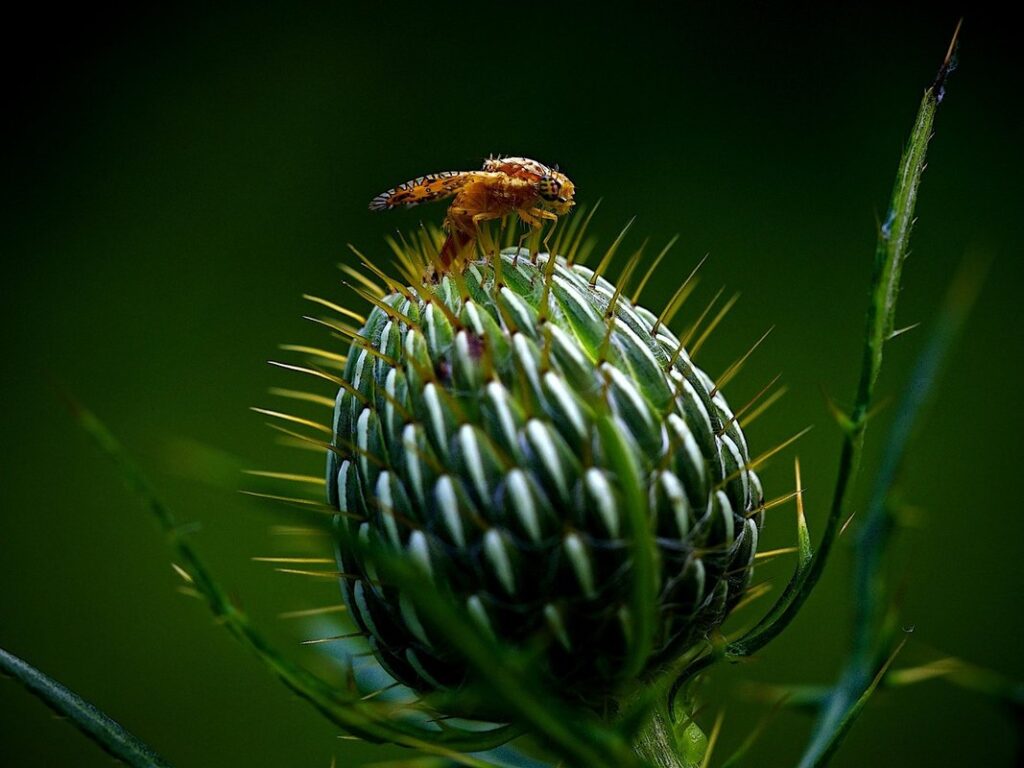
Understanding Garden Pests
Let’s dive into the world of garden pests, where we’ll identify the most common culprits causing damage to your plants and explore their habits. This section will focus on the key characteristics of these pests.
Types of Garden Pests
Garden pests can be broadly categorized into three main types: insects, animals, and diseases. Insects are perhaps the most common type of garden pest, causing damage to plants through feeding, egg-laying, and transmission of plant viruses. Examples of insect pests include aphids, whiteflies, and caterpillars.
Insect pests like aphids can quickly multiply and spread disease among plants, while whiteflies can transmit viral diseases such as tomato spotted wilt virus. Caterpillars, the larval stage of butterflies and moths, feed on plant leaves and flowers, causing significant damage to crops.
Animals, including slugs and snails, also pose a threat to garden health by consuming plant leaves and stems. These pests are particularly active at night and can be difficult to control using traditional methods. Fungal infections, such as powdery mildew and root rot, can also devastate plants if left unchecked.
To effectively manage these different types of garden pests, it’s essential to understand their life cycles, habits, and habitats. This knowledge will help you implement targeted prevention and control strategies that minimize the impact on your garden.
Signs of Pest Infestation
Identifying pest infestations can be challenging, but knowing common signs can help you take action before it’s too late. When inspecting your garden, look out for damage to plants, such as holes in leaves, chewed stems, or torn flowers. Aphids, whiteflies, and caterpillars are notorious leaf-eaters that can leave behind unsightly morsels of their victims.
Unusual growth patterns can also indicate a pest problem. For instance, if you notice twisted or curled leaves, it could be a sign of spider mite infestation. These tiny pests suck sap from plants, causing distorted growth. Slugs and snails, on the other hand, leave behind silvery trails as they feed at night.
A more straightforward approach is to look out for the pests themselves. Aphids, thrips, and caterpillars are often visible to the naked eye. Keep an eye out for these tiny creatures on the undersides of leaves or near infested areas. Remember that early detection is key; catching a pest problem early can make it much easier to control.
Economic Importance of Pests
Garden pests pose a significant threat to global food security and economies. Every year, crop losses due to pests are estimated to be around 20-40% of total yields, resulting in substantial financial losses for farmers and gardeners. In developed countries, this translates to billions of dollars lost annually.
For instance, the corn rootworm is known to cause up to 30% yield loss in some regions, while aphids can reduce potato yields by as much as 25%. The economic impact is further exacerbated when considering the cost of pesticides and other control methods. In developing countries, where resources are scarce, pest management can be a significant challenge.
To put these numbers into perspective, it’s estimated that for every dollar spent on crop protection products, only around $0.20 actually reaches the intended target – the rest is lost through environmental degradation or as ineffective residues on crops. This highlights the importance of adopting integrated pest management (IPM) strategies that prioritize prevention and long-term sustainability rather than relying solely on chemical controls.
Insect Garden Pests
As you tend to your garden, it’s not uncommon for unwanted insects to crash the party. This section will cover common insect pests that can damage your plants and how to identify them.
Aphids: Biology and Management
Aphids are one of the most common garden pests, causing significant damage to plants by sucking sap and transmitting plant viruses. Understanding their biology and life cycle is crucial for effective management. Aphid colonies typically consist of females that reproduce parthenogenically, producing live young without mating.
The life cycle of aphids involves several stages: egg, nymph, and adult. Eggs are usually laid on stems or leaves in the fall and winter, while nymphs emerge in the spring to feed and mature into adults. Aphid management strategies can be divided into natural predators, cultural controls, and chemical controls.
Natural predators like lady beetles, lacewings, and parasitic wasps prey on aphids, providing a biological control method. Cultural controls include practicing good garden hygiene by removing weeds, debris, and infested plants to prevent aphid spread. Regularly inspecting your garden, using row covers, and introducing beneficial insects can also help manage aphid populations.
Chemical controls should be used as a last resort due to potential harm to beneficial organisms. Insecticidal soap or neem oil can be effective in controlling aphids when applied correctly. It’s essential to follow the label instructions and take necessary precautions to avoid harming yourself, pets, or other garden inhabitants.
Whiteflies: Life Cycle and Control Methods
Whiteflies are a common garden pest that can cause significant damage to plants by sucking their sap and spreading diseases. To effectively manage whitefly populations, it’s essential to understand their life cycle and control methods.
The whitefly life cycle consists of four stages: egg, nymph, adult, and pupa. Female whiteflies lay eggs on the underside of leaves or stems, which hatch into nymphs after 3-5 days. The nymphs go through several molts before reaching adulthood, typically within 10-14 days. Adult whiteflies emerge, feed, and reproduce, starting the cycle again.
To control whitefly populations, consider these methods:
* Physical barriers: Cover plants with fine mesh or fine-netted row covers to prevent adult whiteflies from laying eggs.
* Biological control agents: Introduce natural predators, such as parasitic wasps or lady beetles, which prey on whitefly nymphs and adults.
* Insecticidal soap: Spray a mixture of mild dish soap and water on plants to kill whiteflies and other soft-bodied insects.
Nematodes: Soil-Borne Pests
Nematodes are microscopic worms that live in soil and feed on plant roots. They come in two main types: parasitic and free-living nematodes. Parasitic nematodes, such as the root-knot nematode (Meloidogyne spp.), attack plant roots causing knots or galls to form. This can lead to stunted growth, reduced yields, and increased susceptibility to disease.
Free-living nematodes, on the other hand, feed on microorganisms in the soil rather than plant roots. These nematodes are generally harmless to plants but can still contribute to soil degradation by breaking down organic matter.
Identifying nematode infestations requires a close examination of plant symptoms and soil conditions. Look for stunted or wilted plants, particularly in areas with poor drainage. Soil tests may also reveal an imbalance of beneficial microorganisms.
To manage nematodes, adopt practices that promote healthy soil ecosystems. Add organic matter such as compost to improve soil structure and fertility. Crop rotation can help break the nematode life cycle by removing infested plant material. For severe infestations, consider using nematicides or introducing beneficial nematodes that prey on parasitic species.
Animal Garden Pests
When it comes to common garden pests, few are as destructive as those that roam through your yard under their own two feet. In this section, we’ll tackle animal pests and how to prevent them from wreaking havoc on your garden.
Slugs and Snails: Habitat Preferences and Control Methods
Slugs and snails are some of the most common garden pests that can cause significant damage to plants. To effectively manage these pests, it’s essential to understand their habitat preferences and life cycle.
These slimy creatures thrive in moist environments with plenty of food sources. They tend to avoid dry areas and prefer to live under leaf litter, rocks, or other hiding spots. During the day, they retreat into these sheltered areas and emerge at night to feed on plants. Their life cycle typically spans 2-5 years, with some species reproducing year-round.
To control slugs and snails, you can try using copper barriers around plant beds. Slugs and snails don’t like to cross over copper, making it an effective deterrent. Beer traps are another popular method – simply place a shallow container filled with beer near the affected area, and these pests will be attracted to the bait. Baiting options include metaldehyde baits or iron phosphate-based products. It’s crucial to follow product instructions and use caution when handling these substances to avoid harming other animals or pets in your garden.
Rodents: Damage to Gardens and Prevention Tips
Rodents are one of the most common garden pests, causing significant damage to gardens and crops worldwide. These tiny creatures can be a nuisance, chewing on plants, vegetables, and fruits, leading to reduced yields and economic losses for gardeners. There are two primary types of rodents that affect gardens: mice and rats.
Mice are small, furry rodents with pointed snouts and large ears. They are nocturnal, meaning they’re most active at night, and can squeeze through tiny openings, making them difficult to detect. Rats, on the other hand, are larger and more aggressive, with a reputation for spreading diseases like leptospirosis and hantavirus.
To prevent rodent damage to your garden, start by sealing all entry points around your home and garden, including holes in walls, pipes, and doors. Keep your garden clean, removing debris and weeds that can attract rodents. Use physical barriers, such as chicken wire or hardware cloth, to protect vulnerable plants. Store seeds, tools, and other gardening supplies in secure locations to avoid attracting rodents with their attractive smells and tastes. Regularly inspect your garden for signs of rodent activity, like gnaw marks, droppings, or burrows.
Fungal Garden Pests
Fungal garden pests can be a sneaky problem, often going unnoticed until they’ve caused significant damage to your plants. Let’s take a closer look at common fungal pests and how to prevent them.
Powdery Mildew: Causes and Control Methods
Powdery mildew is one of the most common fungal garden pests that can devastate plants if left unchecked. It’s caused by a group of fungi known as Erysiphales, which produce a powdery white coating on leaves and stems. This coating can reduce photosynthesis, stunt growth, and eventually kill the plant.
To prevent powdery mildew, it’s essential to understand its causes. High humidity, warm temperatures, and crowded growing conditions all contribute to the spread of this fungus. Planting resistant varieties is a great starting point. Look for cultivars labeled as “mildew-resistant” or “powdery mildew tolerant.” These plants have been bred to withstand the fungus.
If you do catch an infection, don’t worry – there are effective control methods available. Fungicides can be used, but they should be applied early in the infection process for best results. Sanitation practices also play a critical role. Remove any infected leaves or debris from your garden bed to prevent the spread of spores. Regularly inspect your plants and take action at the first sign of powdery mildew.
Root Rot: Common Causes and Prevention Strategies
Root rot is one of the most common fungal garden pests that can be devastating to plants. It’s caused by excessive moisture, which creates an ideal environment for fungi to thrive. Overwatering is the primary culprit behind root rot, but other factors like poor drainage, high humidity, and contaminated soil or water can also contribute to its development.
To prevent root rot, it’s essential to improve drainage in your garden. This can be achieved by adding organic matter like compost or well-rotted manure to your soil mix. These amendments help break up compacted soil, allowing air and water to penetrate more easily. You should also use a potting mix specifically designed for containers, as these mixes tend to drain better than regular garden soil.
When managing root rot, it’s crucial to identify the affected plants promptly and take action before the problem spreads. Remove any infected plants from your garden or container to prevent further damage. Treat the remaining plants with a fungicide, following the product’s instructions carefully to avoid harming your plants. Regularly inspect your garden for signs of root rot, such as soft, mushy stems or yellowing leaves.
Organic Pest Control Methods
When it comes to controlling garden pests, many of us reach for chemical sprays and pesticides. But there are safer, more natural alternatives that can be just as effective.
Physical Barriers: Repellents and Traps
When it comes to keeping those pesky garden pests at bay, physical barriers can be an effective and non-toxic solution. One of the simplest ways to prevent infestations is by using fine mesh, such as insect netting or fine wire mesh. These breathable barriers allow air and light to reach your plants while keeping unwanted visitors out.
Another option is row covers, which are lightweight, porous fabrics that can be draped over plants to prevent insects from reaching them. They’re particularly useful for protecting delicate vegetables like lettuce and spinach from flea beetles and other pests.
You can also use copper tape or mesh as a repellent – some insects don’t like the taste of copper! Wrap it around plant stems or create a border around your garden bed to deter slugs, snails, and caterpillars. Remember to overlap seams and edges to prevent any gaps where pests might sneak through.
Remember to apply these physical barriers early on in the growing season to maximize their effectiveness.
Biological Control Agents: Encouraging Beneficial Organisms
Biological control agents are a natural and effective way to manage garden pests without harming the environment. These beneficial organisms can be just as deadly to pests as chemical pesticides, but with none of the negative side effects. One popular example is ladybugs, which feed on aphids, whiteflies, and other soft-bodied insects that plague gardens.
To encourage these beneficial insects, create a welcoming environment by planting nectar-rich flowers like marigolds and zinnias, which attract lacewings and parasitic wasps. These beneficial insects can be introduced to your garden through purchased or collected eggs, larvae, or adults. Make sure to release them at the right time, when pest populations are high.
Microorganisms like beneficial nematodes and Trichogramma also play a crucial role in biological control. Nematodes attack insect larvae underground, while Trichogramma wasps parasitize moth and butterfly eggs. To maintain their effectiveness, ensure proper water and nutrient levels for the soil and plants, as these microorganisms are sensitive to extreme conditions.
To encourage beneficial organisms in your garden:
* Plant a diverse range of flowers that attract pollinators and beneficial insects
* Provide shelter and food sources through composting or mulching
* Avoid using broad-spectrum pesticides that can harm beneficial insects
Integrated Pest Management (IPM): Combining Methods for Optimal Results
When dealing with common garden pests, it’s essential to adopt an integrated approach that combines multiple methods for optimal results. This is where Integrated Pest Management (IPM) comes into play. IPM is a holistic strategy that considers the entire ecosystem and uses a combination of techniques to manage pest populations.
The idea behind IPM is simple: by using multiple methods, you can minimize the reliance on any single approach, reducing the risk of pesticide resistance and environmental harm. This might involve using physical barriers to prevent pests from reaching your plants, introducing beneficial insects that prey on problem pests, and employing cultural controls such as crop rotation and sanitation.
To get started with IPM in your garden, begin by identifying the specific pest you’re dealing with and researching its habits and preferences. Then, develop a comprehensive plan that incorporates 3-5 different control methods tailored to the pest’s biology. For example, if you’re battling aphids, you might use a combination of neem oil, row covers, and introducing beneficial wasps that prey on these pests. By combining multiple approaches, you can achieve remarkable results and maintain a healthy, balanced garden ecosystem.
Frequently Asked Questions
What are some additional steps I can take to prevent pests from infesting my garden?
In addition to understanding the types of garden pests, it’s essential to create a barrier between your plants and these unwanted critters. Consider using physical barriers such as fine mesh or fine netting to cover individual plants or entire beds. Also, ensure good sanitation practices by regularly removing weeds and debris that can attract pests.
How can I effectively manage pest populations in large gardens or commercial greenhouses?
Managing pest populations in large areas requires a more comprehensive approach. Consider implementing integrated pest management (IPM) strategies that combine physical barriers, biological control agents, and organic pest control methods. Also, make sure to monitor your garden regularly for signs of infestation and take prompt action.
Are there any natural or organic methods I can use to repel pests without harming the environment?
Yes! There are many effective natural methods you can try to deter pests from your garden. Some popular options include using neem oil, diatomaceous earth, and garlic sprays to repel insects. You can also plant pest-repellent herbs like basil, mint, or lemongrass around the perimeter of your garden.
How can I tell if my pest control methods are actually working?
To determine whether your pest control measures are effective, monitor your garden regularly for signs of infestation and observe any changes in pest populations over time. Keep track of any pests you encounter and note the effectiveness of your control methods. Adjust your strategies as needed.
Can I use a single method to control all types of garden pests?
No! Each type of garden pest requires a tailored approach to management. For example, insects like aphids may require organic pesticides or biological control agents, while fungal diseases might need antifungal treatments. Be sure to understand the specific needs and habits of each pest you encounter before selecting a control method.